Are All Bowls Microwave Safe: What To Check First
No, all bowls are not microwave safe; some can crack, spark, melt, or release harmful chemicals.
The question “are all bowls microwave safe” matters because a bowl may look sturdy yet react badly to heat. Material, glaze, paint, age, and hidden metal all affect its safety. This guide explains how to check bowls, which materials work best, what warning signs to watch for, and how to heat food with less risk.
Why are all bowls microwave safe?
No, all bowls are not microwave safe. A microwave heats food by making water molecules move. That heat then spreads into the bowl, and some materials cannot handle the fast change in temperature.
A bowl may crack from thermal shock. This happens when one part becomes hot while another part stays cool. A cold ceramic bowl filled with hot soup is more likely to break than a bowl made for microwave use.
Some bowls also contain metal. Gold or silver trim, metallic paint, and hidden metal flakes can create sparks. Plastic bowls may warp or melt, while some older or low quality plastics may allow chemicals to move into food.
The words “microwave safe” mean the product has been made and tested for normal microwave use. They do not mean the bowl can handle every food, every time, or unlimited heating.
When people ask, “are all bowls microwave safe,” they often mean, “Can I heat food in any bowl without worry?” The safest answer is no. Always check the base, packaging, care guide, or maker’s instructions first.
Which bowl materials are usually microwave safe?
Material gives you a useful first clue, but it is not the final answer. Two bowls made from the same material may have different coatings, designs, or damage.
Glass bowls
Heat resistant glass is often a good choice for microwave cooking. Plain glass bowls without metal decoration usually work well for reheating soup, vegetables, sauces, and leftovers.
Not all glass is equal. Thin drinking glasses, crystal, hand blown glass, and damaged glass may break under heat. Avoid moving a very hot glass bowl onto a cold, wet counter.
Ceramic and stoneware bowls
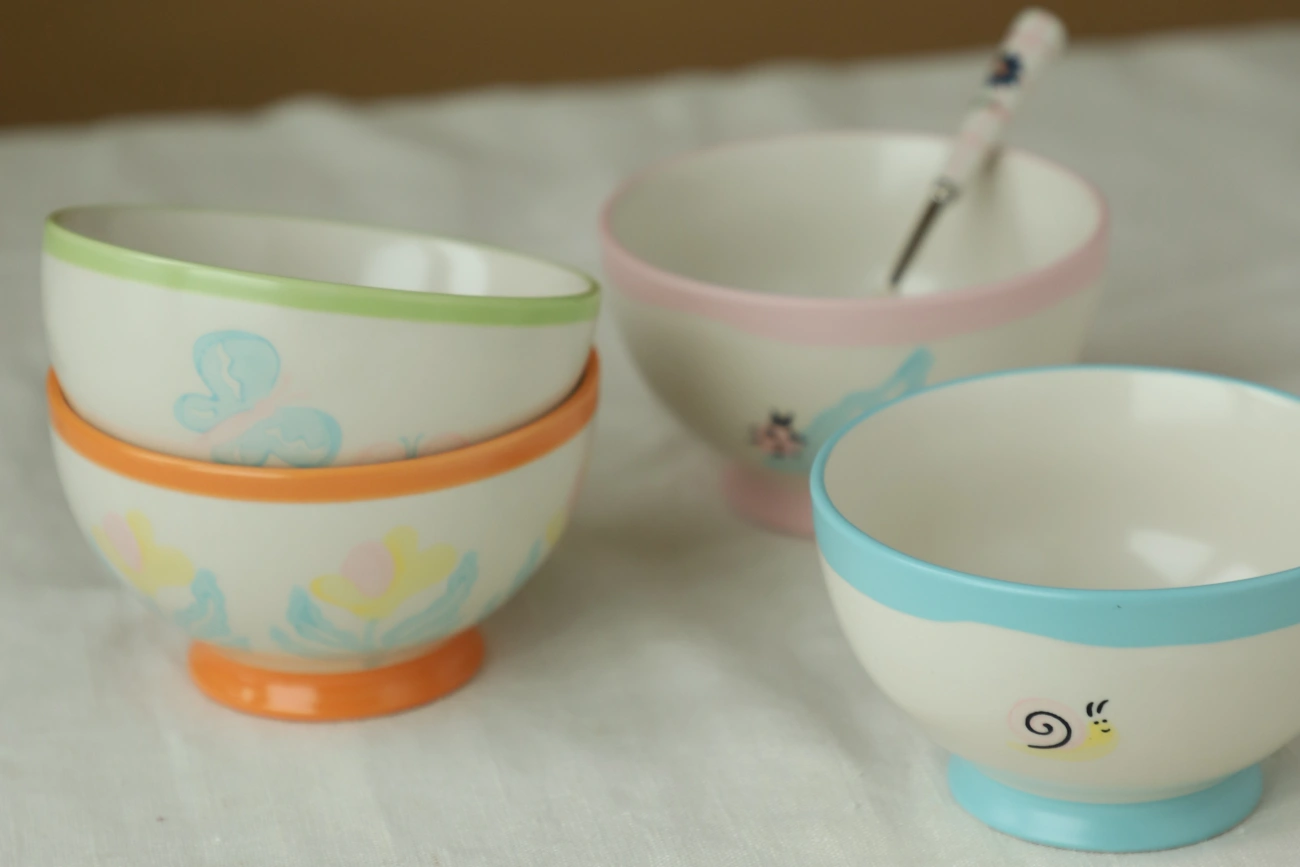
Many ceramic and stoneware bowls are microwave safe. Their thick walls hold heat well, which makes them useful for oatmeal, rice, noodles, and casseroles.
Still, check for a microwave safe label. Some handmade pottery has tiny gaps in the glaze that absorb water. Trapped moisture can heat and expand, causing the bowl to crack or break.
Porcelain bowls
Porcelain is often suitable for microwave use when it has no metallic trim. It is strong, smooth, and less porous than many types of pottery.
Look closely at decorative edges. A thin gold line may seem harmless, but it can spark in a microwave.
Plastic bowls
Some plastic bowls are made for microwave use. Look for a clear label or symbol on the bottom. A recycling number alone does not prove that a container is microwave safe.
Use only heat rated plastic for hot foods. Do not microwave takeout containers, yogurt cups, margarine tubs, or thin food storage tubs unless the maker clearly approves them.
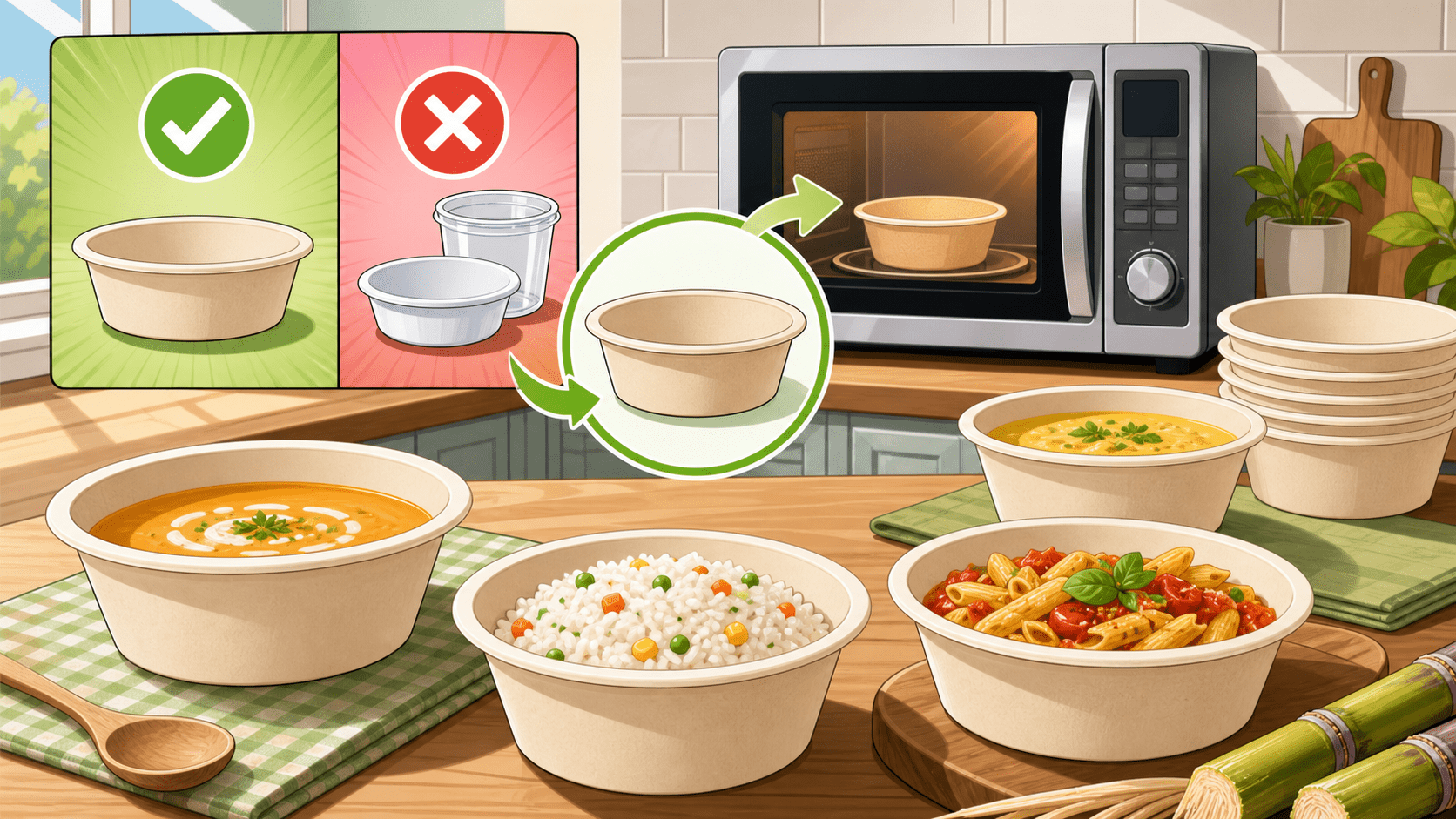
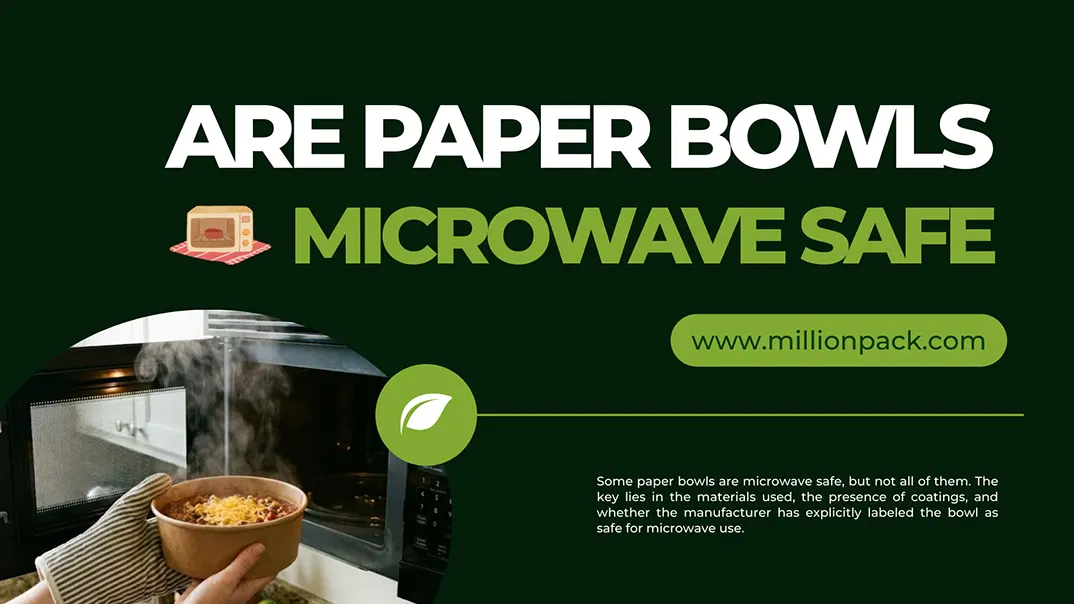
Paper and fiber bowls
plain paper bowls may work for short reheating tasks. However, wax coatings, plastic layers, dyes, and printed designs can change how the bowl reacts to heat.
Avoid paper bowls for long cooking times or very greasy foods unless the package gives clear microwave directions.
Which bowls should not go in the microwave?
Knowing what to avoid is just as important as knowing what works. When in doubt, move the food to a plain, labeled microwave safe bowl.
Avoid these items:
• Bowls with gold, silver, copper, or metallic paint
• Bowls with metal handles, wires, staples, or hidden foil
• Crystal bowls or decorative glass with unknown contents
• Antique pottery with unknown glaze or damage
• Cracked, chipped, or badly scratched bowls
• Melamine bowls, unless the manufacturer gives specific heating instructions
• Foam bowls and containers
• Single use plastic tubs not labeled for microwave use
• Cold bowls that may face sudden, extreme heat
Metal can cause sparks and damage the appliance. Cracks can grow during heating and lead to sudden breakage. Some plastic products may soften, deform, or transfer unwanted substances into food.
Melamine deserves special care. It is strong and useful for serving, but many melamine products are not designed for microwave heating. Heat food in glass or ceramic instead.
How can you tell if a bowl is microwave safe?
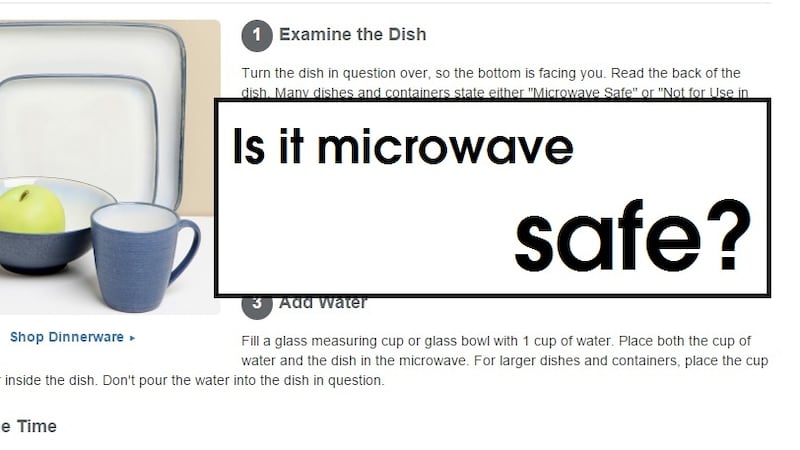
Start with the bottom of the bowl. Look for words such as “microwave safe” or a symbol showing small waves over a dish. The symbol can vary, so written instructions are more reliable than a picture alone.
Next, inspect the bowl closely. Look for shiny metallic areas, cracks, chips, rough spots, or a damaged glaze. If you cannot identify the material or the maker, use another bowl.
You can also check the product guide or the manufacturer’s website. This is especially helpful for handmade pottery, vintage dishes, plastic storage bowls, and decorative dinnerware.
A simple water test may help with an unknown ceramic bowl, but it is not a guarantee:
-
Put about one cup of water into the bowl.
-
Place the bowl in the microwave beside a microwave safe cup of water.
-
Heat both for one minute on high.
-
Carefully touch the empty bowl after a short pause.
If the bowl is cool or only slightly warm while the water is hot, it may be suitable. If the bowl is very hot, cracked, sparking, or smells unusual, stop using it in the microwave.
This test has limits. It cannot prove long term safety, and it should not be used with metal decorated bowls or visibly damaged dishes. Manufacturer instructions remain the best guide.

How to microwave food in a bowl safely
Even a microwave safe bowl needs proper use. Safe heating depends on the food, amount, cooking time, and condition of the bowl.
Follow these practical steps:
-
Choose a bowl labeled for microwave use.
-
Check that the bowl has no cracks, chips, or metal decoration.
-
Leave space at the top for bubbling and steam.
-
Cover the bowl with a vented microwave cover or a loose paper towel.
-
Heat food in short intervals, such as 30 to 60 seconds.
-
Stir food between intervals when possible.
-
Let the bowl and food stand for a short time before serving.
-
Use dry oven mitts to remove the bowl.
-
Keep your face and hands away from escaping steam.
Foods with high water content can become very hot. Soup, pasta sauce, oatmeal, and rice may bubble after the microwave stops. A bowl can also become hot from the food even when the microwave itself does not heat the bowl directly.
Do not heat sealed containers. Steam needs a way to escape. A sealed bowl or tightly closed lid can burst and spread hot food across the microwave.
Common mistakes that make microwave use risky
Many microwave accidents come from small habits rather than unusual products. The most common mistake is assuming that a heavy bowl must be safe. Weight and strength do not tell you what glaze, coating, or additives the bowl contains.
Another mistake is using a damaged bowl. A tiny hairline crack can grow quickly when the bowl heats. Chips around the rim can also create weak points that break during handling.
People also forget that decoration matters. A plain ceramic bowl may be safe, while a matching bowl with a metallic rim may not be. Always inspect the exact bowl you plan to use.
Avoid placing a hot bowl on a cold stone counter. Use a dry cloth, wood board, or heat resistant pad. This small step reduces the chance of thermal shock.
In kitchen safety checks, the most useful lesson is simple: do not guess when the label is missing. Transfer food to a known microwave safe bowl. That extra step takes seconds and can prevent broken dishes, burns, and a damaged microwave.

Are microwave safe bowls safe for every food?
A microwave safe bowl can handle microwave heat, but the food may still create problems. Greasy foods can become much hotter than water based foods. Sugar rich foods, such as syrup or caramel, can also reach very high temperatures.
Tomato sauce, curry, and other strongly colored foods may stain plastic. Some foods can also leave a smell that stays in the bowl. Glass and glazed ceramic are often easier to clean after these meals.
Do not use a microwave safe bowl for direct oven or stovetop cooking unless the maker approves it. Microwave safety does not automatically mean oven safe, broiler safe, freezer safe, or dishwasher safe.
A bowl may also be safe for reheating but not for long cooking. Follow the time and temperature limits on the product instructions. When those instructions are missing, use short heating periods and watch for signs of stress.
How to choose the best bowl for microwave use
For regular use, choose bowls that are plain, labeled, and easy to inspect. Glass and glazed ceramic are popular choices because they do not usually melt and are simple to clean.
Look for these features:
• A clear microwave safe label
• No metallic trim or hidden metal parts
• A smooth, intact surface
• A stable base that is easy to grip
• A size that leaves room for food to bubble
• A shape that heats food evenly
Keep separate bowls for serving and heating if needed. Decorative dishes may look beautiful but may not be designed for heat. A simple glass or ceramic bowl can become your reliable everyday option.
If you buy handmade pottery, ask the maker whether it is microwave safe. Responsible makers should be able to explain the clay, glaze, firing process, and care limits.
What to do if a bowl sparks or cracks
Stop the microwave at once if you see sparks, hear sharp popping, or smell burning. Do not continue heating to “see what happens.”
If the bowl cracks, wait for it to cool before touching it. Wear gloves if needed, remove the food carefully, and check the microwave for broken pieces or scorch marks.
A small spark may come from metallic decoration, but repeated sparking can harm the microwave. If you notice smoke, fire, or damage, unplug the appliance only if you can do so safely and follow the manufacturer’s emergency guidance.
Throw away bowls with deep cracks, sharp chips, or signs of heat damage. Do not keep using a damaged dish just because it worked once. Heat can turn a small weakness into a sudden break.
Frequently Asked Questions
Are all bowls microwave safe?
No, all bowls are not microwave safe. Some bowls contain metal, fragile glaze, unsafe plastic, or materials that can crack, melt, or release unwanted substances when heated.
Can I microwave a ceramic bowl?
Many ceramic bowls are microwave safe, but not all are. Check for a microwave safe label and avoid ceramic bowls with metallic trim, cracks, chips, or unknown decorative finishes.
Is it safe to microwave a glass bowl?
Plain, heat resistant glass is often safe for microwave use. Do not assume that crystal, thin glass, antique glass, or damaged glass can handle sudden heat.
What does the microwave safe symbol look like?
The symbol often shows a dish or box with wavy lines above it. Because symbols differ by product, written instructions from the manufacturer are the most dependable guide.
Can plastic bowls go in the microwave?
Some plastic bowls can go in the microwave, but only when they are clearly labeled for that use. Do not rely on the recycling number alone, and avoid old, cracked, warped, or single use containers.
Can a bowl be microwave safe but not oven safe?
Yes. Microwave safe means the bowl can handle microwave heating under stated conditions. It does not automatically mean the bowl can handle an oven, broiler, stovetop, or sudden temperature changes.
Conclusion
The answer to “are all bowls microwave safe” is no. Glass, ceramic, porcelain, and some plastics may work well, but the label, design, condition, and material all matter.
Check the base before heating. Avoid metal decoration, damaged dishes, unknown pottery, and unmarked plastic. Use short heating periods, leave room for steam, and move food to a trusted bowl when you are unsure.
A few seconds of checking can prevent burns, broken dishes, and microwave damage. Review your bowls today, choose one clearly marked for microwave use, and share your safest kitchen tips in the comments.

Liora Pennings is a seasoned chef and kitchen enthusiast with a passion for turning everyday cooking into an effortless experience. With years of hands-on culinary expertise, she specializes in practical techniques, ingredient know-how, and smart kitchen solutions that help home cooks elevate their meals. At KitchFlair.com, Liora shares her best tips, time-saving tricks, and honest product reviews to guide readers toward a more efficient, enjoyable, and inspired cooking routine. Whether you’re a beginner or a seasoned home chef, Liora’s friendly, knowledge-packed insights make every visit to the kitchen a little easier—and a lot more delicious.