How To Make Iced Coffee With French Press: Easy Guide
To make iced coffee with a French press, brew strong coffee, chill it, then pour it over ice.
Making iced coffee with a French press is simple, affordable, and gives you excellent control over strength and flavor. The key is to use more coffee than usual, choose a coarse grind, and cool the brew without watering it down. This guide explains how to make iced coffee with a French press using both a chilled method and a fast flash-chilled method, along with tips for better flavor, storage, milk, sweeteners, and common mistakes.
What You Need to Make Iced Coffee With a French Press
You only need a few basic items. A French press works well because its metal filter removes most coffee grounds while allowing flavorful oils to remain in the cup.
For one large serving, gather:
• 1 cup, or 8 ounces, of filtered water
• 4 tablespoons of coarsely ground coffee
• A French press
• Ice cubes
• A spoon for stirring
• A glass or tall serving cup
• Milk, cream, simple syrup, or other additions if desired
Use fresh coffee beans when possible. Beans roasted within the past few weeks usually offer a sweeter and cleaner taste than old, stale coffee.
A kitchen scale can also help. For a stronger iced coffee, use about 1 gram of coffee for every 12 grams of water. This ratio is stronger than standard hot coffee because ice and milk will soften the flavor.
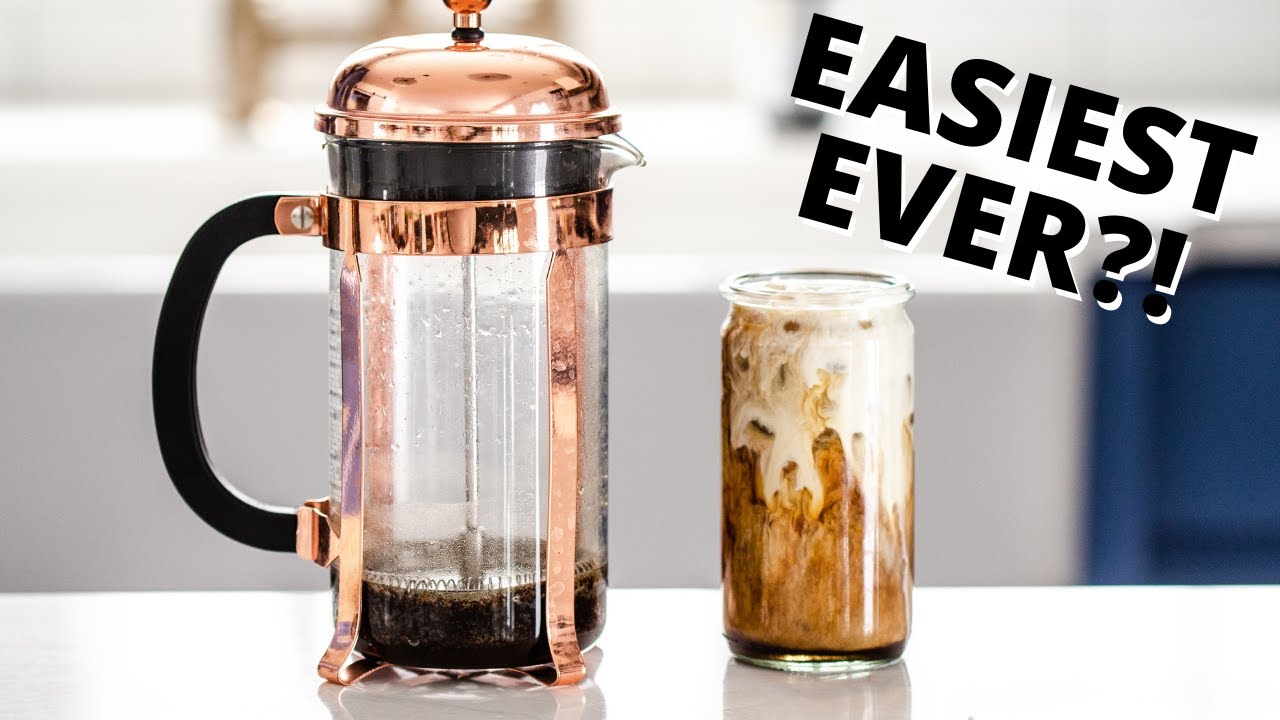
How to Make Iced Coffee With a French Press: Chilled Method
The chilled method produces a smooth drink with less bitterness. It takes longer because the coffee must cool before serving, but the extra time is worth it when you want a balanced cup.
Step 1: Grind the Coffee Coarsely
Use a coarse grind that looks similar to rough sea salt. Fine coffee grounds can pass through the French press filter and may create a muddy drink.
A coarse grind also slows extraction. This matters because over-extracted coffee can taste harsh, dry, or bitter.
Step 2: Heat the Water
Heat the water to about 195°F to 205°F. If you do not have a thermometer, boil the water and let it rest for about 30 seconds.
Very hot water can pull too many bitter compounds from the coffee. Water that is too cool may create a weak and flat brew.
Step 3: Add Coffee and Water
Place the ground coffee in the French press. Slowly add 8 ounces of hot water, making sure all the grounds become wet.
Stir gently with a spoon. Place the lid on the press, but do not push the plunger down yet.
Step 4: Brew for Four Minutes
Let the coffee steep for about four minutes. This is a reliable starting point for French press coffee.
If you prefer a stronger drink, steep for up to five minutes. Avoid steeping for much longer, as the coffee may become bitter and overly heavy.
Step 5: Press and Chill
Slowly press the plunger down. Pour the coffee into a heat-safe container and let it cool at room temperature for 15 to 20 minutes.
Then place it in the refrigerator for at least one hour. For the smoothest flavor, chill it for several hours.
Step 6: Serve Over Ice
Fill a glass with ice. Pour the chilled coffee over the ice, leaving room for milk or sweetener.
Add a small amount of milk, cream, or syrup. Stir well and taste before adding more.
This chilled approach is one of the easiest ways to make iced coffee with a French press when you have time to prepare it ahead.

How to Make Flash-Chilled French Press Iced Coffee
Flash chilling is faster than the refrigerator method. You brew hot coffee directly over ice, which cools it at once.
The main challenge is dilution. As the ice melts, it becomes part of the drink. To keep the coffee strong, use less brewing water and enough ice to cool the coffee quickly.
Flash-Chilled Recipe
Use these measurements for one serving:
• 4 tablespoons of coarse coffee grounds
• 6 ounces of hot water
• 4 to 5 ounces of ice
• Milk or sweetener, optional
Follow these steps:
- Place the coffee grounds in the French press.
- Add 6 ounces of hot water.
- Stir gently and steep for four minutes.
- Fill a heat-safe glass with 4 to 5 ounces of ice.
- Press the coffee slowly.
- Pour the hot coffee over the ice.
- Stir until the ice has mostly melted.
- Add milk, cream, or syrup to taste.
The final drink should be cold, strong, and ready within a few minutes. If it tastes watery, use more coffee or reduce the brewing water slightly next time.
Flash-chilled coffee often has a brighter flavor than refrigerated coffee. It can also preserve some delicate fruity notes that may fade during long storage.

The Best Coffee-to-Water Ratio for Iced Coffee
The right ratio depends on how you serve your drink. Ice, milk, and sweeteners all reduce the perceived strength of coffee.
For a strong iced coffee base, try:
• 4 tablespoons of coffee for 8 ounces of water when chilling the brew
• 4 tablespoons of coffee for 6 ounces of water when flash chilling over ice
• 1 ounce of coffee concentrate mixed with 1 to 2 ounces of water for a smaller drink
A standard French press recipe may use less coffee. That ratio can taste weak once the drink is poured over ice.
When I adjust a recipe, I change only one thing at a time. For example, I first add more coffee before changing the steep time. This makes it easier to understand what affects the final taste.
If your coffee tastes weak, increase the coffee dose. If it tastes bitter, use a slightly coarser grind or a shorter brew time. If it tastes sour, the water may be too cool, the grind may be too coarse, or the brew may be too short.

How to Choose Coffee Beans for French Press Iced Coffee
Almost any coffee bean can work, but the roast and flavor profile affect the final drink.
Medium Roast
Medium roast coffee is a dependable choice. It often brings notes of chocolate, nuts, caramel, and fruit.
This roast works well with milk and sweeteners. It is also forgiving if your brewing time or temperature is not exact.
Dark Roast
Dark roast coffee produces a bold, smoky drink. It pairs well with cream, vanilla syrup, and chocolate flavors.
However, dark roast coffee can taste bitter when brewed too long. Use a slightly shorter steep time if the cup tastes harsh.
Light Roast
Light roast coffee can taste bright and fruity. It is a good option for people who enjoy citrus, berry, floral, or tea-like flavors.
Light roasts may need careful brewing. Use hot water and allow the full four-minute steep time to help extract the coffee evenly.
For the best results, use beans with a roast date instead of only a “best by” date. Store them in a sealed container away from sunlight, heat, and moisture.

Tips for Better French Press Iced Coffee
Small changes can make a major difference. Think of the process like tuning a recipe rather than following a rigid rule.
• Use filtered water because tap water can add unwanted mineral or chlorine flavors.
• Grind the beans just before brewing to protect aroma and freshness.
• Stir the coffee and water gently at the start so no dry grounds remain.
• Press the plunger slowly to reduce agitation and sediment.
• Chill coffee in a sealed container to protect it from refrigerator odors.
• Use large ice cubes because they melt more slowly than small cubes.
• Chill the serving glass before pouring if you want a colder drink.
• Add sweetener while the coffee is warm so it dissolves more easily.
• Taste the coffee before adding milk. This helps you notice whether the brew itself is balanced.
One mistake I often see is using regular-strength coffee and then adding a full glass of ice. The result tastes thin. Strong brewing is the simplest fix.
Another common mistake is pressing the plunger too hard. A forceful press can push fine grounds through the filter and make the drink gritty.

How to Sweeten Iced Coffee
Cold coffee does not dissolve granulated sugar as easily as hot coffee. For this reason, liquid sweeteners are usually more convenient.
Good options include:
• Simple syrup
• Maple syrup
• Honey syrup
• Vanilla syrup
• Caramel syrup
• Sweetened condensed milk
To make simple syrup, combine equal parts sugar and hot water. Stir until the sugar dissolves, then cool the mixture before using it.
For a less sweet drink, start with 1 teaspoon of syrup. Add more only after tasting. Sweetness can hide bitterness, but too much can cover the natural flavor of the coffee.
Maple syrup adds a warm, rich note. Honey gives the drink a floral taste, while sweetened condensed milk creates a creamy café-style beverage.

How to Add Milk, Cream, or Dairy-Free Options
French press iced coffee works with many types of milk. Whole milk gives the drink a smooth, rich texture, while half-and-half adds more body.
Plant-based choices also work well:
• Oat milk adds creaminess and mild sweetness.
• Almond milk gives a light, nutty flavor.
• Soy milk has a fuller body and blends well with strong coffee.
• Coconut milk adds a noticeable tropical taste.
Add about 2 to 4 ounces of milk per serving. Start with less, especially if you want to taste the coffee’s natural character.
For a layered look, pour milk over the ice first and add the coffee slowly. For a uniform drink, stir everything together before serving.

French Press Iced Coffee vs. Cold Brew
French press iced coffee and cold brew are related but not identical.
French press iced coffee is usually brewed with hot water and then chilled. It is ready in minutes or hours, depending on the method. Hot brewing can bring out bright aromas and a more traditional coffee flavor.
Cold brew uses room-temperature or cold water and steeps for about 12 to 24 hours. It often tastes smooth, mellow, and less acidic, but it requires advance planning.
Choose French press iced coffee when:
• You want a drink quickly.
• You enjoy brighter coffee flavors.
• You already own a French press.
• You want to make one or two servings.
Choose cold brew when:
• You want coffee ready for several days.
• You prefer a smooth and mellow taste.
• You do not mind a long steep time.
Neither method is automatically better. The best choice depends on your taste, schedule, and preferred strength.

How to Store French Press Iced Coffee
Store leftover coffee in a clean, sealed glass container in the refrigerator. It is best to drink it within three to four days for good flavor.
Do not store coffee with ice in the same container. Melting ice will dilute the drink and make it harder to control the strength.
Keep milk separate until serving. This helps the coffee last longer and lets each person choose the amount of dairy or plant milk they prefer.
Discard the coffee if it develops an unusual smell, mold, or a sour flavor that seems different from normal coffee acidity. Clean the French press after each use because old coffee oils can become rancid.
Common Mistakes to Avoid
Using a Fine Grind
Fine grounds can create a muddy cup and make pressing difficult. Choose coarse grounds for a cleaner French press brew.
Brewing Weak Coffee
Regular hot coffee may become watery over ice. Increase the coffee amount or reduce the brewing water.
Leaving Coffee on the Grounds
After pressing, transfer the coffee to another container. Coffee left in the French press can continue extracting and become bitter.
Pouring Hot Coffee Into a Thin Glass
Rapid temperature changes can crack some glassware. Use a heat-safe glass or let the coffee cool briefly before pouring it over ice.
Using Too Much Ice
A full glass of small ice cubes can dilute the coffee quickly. Use large cubes and start with a strong coffee base.
Adding Sugar Directly to Cold Coffee
Sugar may settle at the bottom. Use simple syrup or dissolve the sugar in a small amount of warm coffee first.
How to Make Iced Coffee With a French Press for a Crowd
For several servings, brew a larger batch in a French press or use multiple batches. Do not fill the press beyond its safe capacity because coffee grounds need room to expand.
For four servings, try:
• 16 tablespoons of coarse coffee
• 32 ounces of hot water for the chilled method
• About 16 to 20 ounces of ice when flash chilling
Brew for four minutes, press slowly, and transfer the coffee to a large container. Chill it before serving, or pour it over ice in individual glasses.
Keep milk, syrups, and ice separate when serving guests. This allows people to customize their drinks and prevents the whole batch from becoming diluted.
Frequently Asked Questions About How to Make Iced Coffee With a French Press
Can I make iced coffee directly in a French press?
Yes, you can brew the coffee in the French press and pour it over ice. Use a stronger ratio than normal because melting ice will dilute the drink.
How long should coffee steep in a French press for iced coffee?
A four-minute steep is a good starting point. You can steep for up to five minutes for a stronger drink, but longer brewing may create bitterness.
What grind size is best for French press iced coffee?
Use a coarse grind that resembles rough sea salt. A fine grind can pass through the filter and produce a gritty, over-extracted drink.
Can I use cold water in a French press?
Yes, but the coffee must steep for about 12 to 24 hours to extract properly. This creates a cold brew style drink rather than traditional hot-brewed iced coffee.
Why does my French press iced coffee taste watery?
The coffee may be too weak, or too much ice may have melted. Use more coffee, less brewing water, larger ice cubes, or a shorter cooling time.
Can I add milk to French press iced coffee?
Yes. Whole milk, cream, oat milk, almond milk, and soy milk all work well. Add the milk after brewing so you can control the final strength and flavor.
Conclusion
Learning how to make iced coffee with a French press takes only a few simple steps: use coarse coffee grounds, brew a strong base, cool it carefully, and serve it over ice. The chilled method gives you a smooth drink, while the flash-chilled method delivers cold coffee in minutes.
Start with the suggested measurements, then adjust the coffee, water, and sweetener to suit your taste. Once you find your ideal ratio, you can make café-style iced coffee at home whenever you want. Try the recipe today, experiment with different beans and milks, and share your favorite combination with someone who loves cold coffee.

Liora Pennings is a seasoned chef and kitchen enthusiast with a passion for turning everyday cooking into an effortless experience. With years of hands-on culinary expertise, she specializes in practical techniques, ingredient know-how, and smart kitchen solutions that help home cooks elevate their meals. At KitchFlair.com, Liora shares her best tips, time-saving tricks, and honest product reviews to guide readers toward a more efficient, enjoyable, and inspired cooking routine. Whether you’re a beginner or a seasoned home chef, Liora’s friendly, knowledge-packed insights make every visit to the kitchen a little easier—and a lot more delicious.