
How To Make Egg Coffee: Easy Vietnamese Recipe
Whisked egg yolk, sweetened milk, and strong hot coffee create a rich, silky cup in minutes.
Learning how to make egg coffee is easier than it sounds. The key is to build a smooth egg cream, use bold coffee, and pour the coffee gently so the layers stay distinct. This guide explains the traditional Vietnamese method, safe ingredient choices, common mistakes, and simple ways to adjust the drink at home.

What Is Egg Coffee?
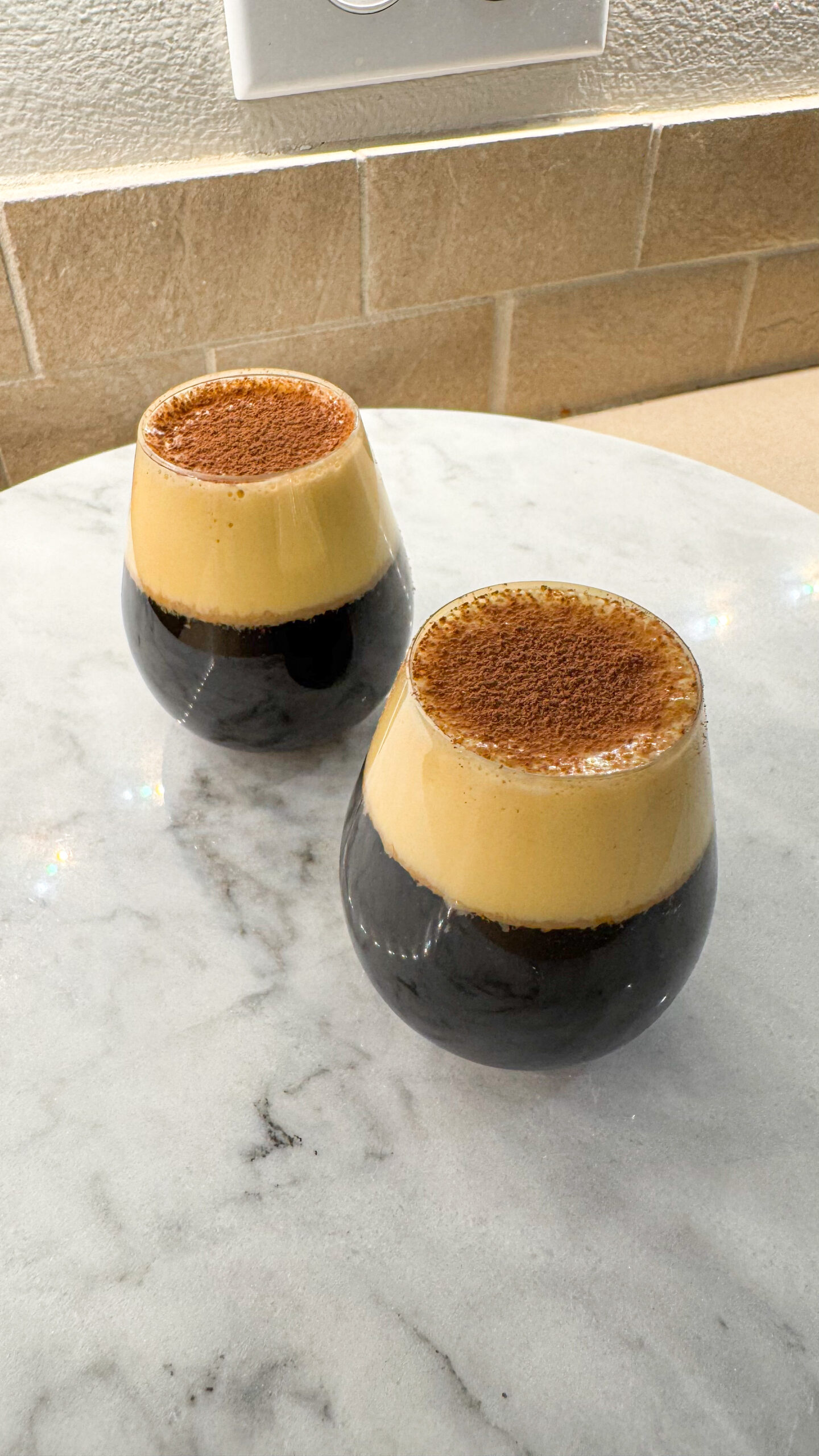
Egg coffee, or cà phê trứng, is a Vietnamese coffee drink made with strong coffee and a sweet egg cream. The cream usually contains egg yolks, sweetened condensed milk, sugar, and sometimes vanilla. It tastes like a mix of coffee, custard, and light whipped cream.
The drink became popular in Hanoi in the 1940s. Milk was once difficult to find, so egg yolk became a clever way to add richness and body. Today, egg coffee is enjoyed in cafés across Vietnam and by home cooks around the world.
The best egg coffee has three clear features:
• Strong coffee with a deep roasted flavor
• A thick, smooth egg topping
• A warm contrast between bitter coffee and sweet cream
Egg coffee is not the same as adding a raw egg to a regular cup of coffee. The egg yolk must be beaten well with the sweet ingredients. This creates a smooth cream rather than a lumpy or eggy drink.

Ingredients for Egg Coffee
The ingredient list is short, but each item matters. For the best result, use fresh ingredients and coffee with enough strength to stand up to the sweet egg cream.
Basic ingredients
Makes 1 large serving or 2 small servings:
• 1 fresh egg yolk
• 1 tablespoon sweetened condensed milk
• 1 teaspoon granulated sugar
• ½ teaspoon vanilla extract, optional
• ½ cup strong hot coffee
• 1 to 2 tablespoons hot water, if needed
• Ice, optional for iced egg coffee
Vietnamese coffee is traditional, but you can use dark roast coffee, espresso, or strong French press coffee. Avoid weak coffee because the egg cream can cover its flavor.
Choosing the right egg
Use a pasteurized egg if you want to reduce the risk linked to raw or lightly cooked eggs. Pasteurized eggs are treated to lower harmful bacteria while keeping the egg usable for recipes like egg coffee.
Fresh shell eggs are common in traditional recipes, but fresh does not mean bacteria-free. The U.S. Food and Drug Administration advises using pasteurized eggs for foods that are served raw or partly cooked.
Choosing coffee
Good options include:
• Vietnamese robusta coffee for a bold, earthy taste
• Dark roast Arabica coffee for a smoother flavor
• Espresso for a small, intense serving
• Strong cold brew concentrate for an iced version
In my kitchen tests, medium coffee often tastes too mild after the condensed milk is added. A dark roast gives the drink enough contrast and keeps the flavor balanced.

How to Make Egg Coffee Step by Step
This method shows how to make egg coffee with a hand whisk, electric mixer, or milk frother. A hand whisk works well, but an electric tool creates a lighter cream with less effort.
1. Brew strong coffee
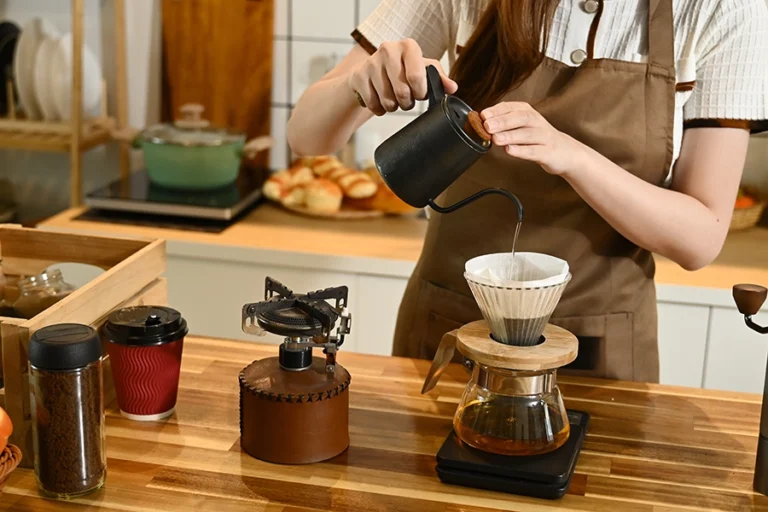
brew ½ cup of strong hot coffee. If you use a coffee maker, use slightly more coffee grounds than you would for a normal cup. If you use espresso, prepare one or two shots.
Keep the coffee hot while you prepare the egg cream. You can place the cup in a bowl of warm water, or simply brew the coffee last.
2. Separate the egg
Separate the yolk from the white. Place the yolk in a clean bowl.
Be careful not to let shell pieces fall into the bowl. Also, avoid using a cracked or dirty egg. If you are concerned about food safety, choose a pasteurized egg.
3. Add condensed milk and sugar
Add the sweetened condensed milk, sugar, and vanilla extract to the yolk. Stir slowly at first so the mixture does not splash.
The condensed milk adds sweetness and a soft caramel taste. Sugar helps the yolk whip into a thicker cream.
4. Whip the mixture
Whip the egg mixture for 3 to 5 minutes by hand, or for 1 to 2 minutes with an electric mixer. Continue until it becomes pale, thick, and smooth.
A good test is the ribbon test. Lift the whisk and let the cream fall back into the bowl. If it leaves a visible ribbon for a few seconds, it is ready.
This step is the heart of how to make egg coffee. Under-whipped yolk stays runny and can taste heavy. Properly whipped yolk becomes soft and custard-like.
5. Add the hot coffee
Pour the hot coffee into a heatproof glass or cup. Spoon the egg cream over the top.
For a layered look, pour the coffee first and add the cream slowly. For a more blended drink, stir the cream into the coffee before serving.
6. Serve at once
Serve egg coffee while it is warm. A small spoon works well because you can taste the coffee and cream together.
For a café-style presentation, place the cup in a bowl of warm water. This keeps the drink hot and gives it the traditional Hanoi feel.

How to Make Egg Coffee Without an Electric Mixer
You do not need special equipment to make egg coffee. A small whisk works well if you use steady motion and give the yolk enough time to thicken.
Use this simple method:
-
Add the egg yolk, condensed milk, sugar, and vanilla to a bowl.
-
Whisk in small circles for 4 to 6 minutes.
-
Rest for 30 seconds if your arm feels tired.
-
Whisk again until the mixture turns pale and thick.
-
Spoon the cream over hot coffee.
A handheld milk frother is another useful option. It creates a smooth foam quickly, but keep the whisk head under the surface to prevent splashing.
A blender can also work. Use the lowest speed and blend for about 30 seconds. Do not blend too long, or the mixture may become thin and bubbly instead of thick and creamy.
One mistake I often see is stopping as soon as the mixture looks slightly lighter. It needs more air than that. Keep whipping until it looks like soft custard.

How to Make Vietnamese Egg Coffee
Traditional Vietnamese egg coffee uses very strong coffee and a rich yolk cream. A phin filter is often used to brew the coffee, but other brewing tools work too.
To make a more traditional version:
• Brew Vietnamese coffee through a phin filter.
• Use sweetened condensed milk in the egg mixture.
• Serve the drink in a small glass or cup.
• Set the cup in warm water to maintain heat.
• Add a thin dusting of cocoa powder if desired.
The traditional drink is often quite sweet. If you prefer less sweetness, reduce the sugar first. Keep the condensed milk because it helps create the classic flavor and texture.
Robusta coffee gives Vietnamese egg coffee a strong, slightly bitter profile. That bitterness is important because it balances the sweet cream. If you use a mild coffee, reduce the condensed milk to prevent the drink from tasting flat.

How to Make Iced Egg Coffee
Iced egg coffee is creamy, cold, and especially refreshing in warm weather. The method is similar, but the coffee must be cooled before it touches the ice.
Brew strong coffee and let it cool for several minutes. You can also chill it in the refrigerator. Do not pour very hot coffee over a full glass of ice, as the ice will melt quickly and dilute the flavor.
Follow these steps:
-
Brew ½ cup of strong coffee.
-
Cool the coffee to room temperature or chill it.
-
Whip the egg yolk, condensed milk, sugar, and vanilla.
-
Fill a glass with ice.
-
Pour in the coffee.
-
Add the egg cream on top.
For a smoother iced drink, blend the coffee with ice before adding the egg cream. You can also add a small amount of milk, but too much milk may hide the coffee flavor.
Food Safety When Making Egg Coffee
Egg coffee often contains a lightly cooked or uncooked egg yolk. This means food safety deserves attention, especially for children, older adults, pregnant people, and anyone with a weakened immune system.
Use pasteurized eggs when possible. Keep eggs refrigerated, wash your hands, and use clean bowls and utensils. Do not leave the finished drink at room temperature for a long time.
Important safety tips include:
• Use pasteurized shell eggs or pasteurized liquid egg yolks.
• Keep eggs cold until you use them.
• Avoid eggs with cracked shells.
• Do not store leftover egg cream for later use.
• Serve egg coffee soon after making it.
Hot coffee alone may not heat the egg mixture evenly enough to make it safe. If you want a fully cooked version, gently heat the egg mixture over a double boiler while whisking until it reaches 160°F. Use a food thermometer to check the temperature, then cool it slightly before placing it over coffee.
Heating can change the texture. The cream may become thicker and more custard-like, but careful stirring helps prevent scrambled egg pieces.

Common Egg Coffee Mistakes
Learning how to make egg coffee takes only a little practice. Most problems come from weak coffee, poor whipping, or the wrong temperature.
The egg cream tastes too eggy
This usually happens when the yolk is not whipped enough or the coffee is too weak. Add vanilla, use a stronger coffee, and whip the yolk until it becomes pale and thick.
The cream is too thin
The yolk may need more air. Whip it for another minute or two. You can also chill the bowl for a few minutes before whipping, which may help the cream hold its shape.
The drink tastes too sweet
Reduce the sugar before reducing the condensed milk. The condensed milk adds both sweetness and structure, so cutting too much may make the cream thin.
The coffee tastes bitter
A bitter coffee can overpower the egg cream. Try a smoother roast, reduce the brewing time, or add a small amount of hot water to the finished coffee.
The layers disappear
Pour the egg cream slowly over the back of a spoon. This helps it rest on top of the coffee. If the cream is too thin, it will sink.
The egg cream becomes lumpy
The yolk may have been exposed to very hot liquid too quickly. Do not pour boiling coffee directly into the yolk mixture. Add the cream to the coffee instead, or temper it slowly if you are making a cooked version.
Ways to Customize Egg Coffee
Once you know how to make egg coffee, you can adjust it to fit your taste. Keep the main balance in mind: strong coffee, creamy yolk, and controlled sweetness.
Try these variations:
• Add cocoa powder for a chocolate flavor.
• Add cinnamon for a warm spice note.
• Use maple syrup instead of some of the sugar.
• Add a small pinch of sea salt to sharpen the coffee flavor.
• Use coconut condensed milk for a dairy-free variation.
• Add orange zest for a bright, fragrant touch.
• Serve the egg cream over espresso for a smaller drink.
• Mix the coffee and cream with ice for a blended dessert drink.
Dairy-free condensed milk can work, but the taste and thickness may vary by brand. Check the label and choose a product with a creamy texture. Some plant-based options are thinner and may need longer whipping.
Egg coffee is naturally rich, so it works best as a small drink or dessert. A six-ounce serving is often more satisfying than a large mug.
Nutrition and Caffeine Considerations
Egg coffee contains caffeine from the coffee and calories from the egg yolk, sugar, and condensed milk. The exact amount depends on the coffee type, serving size, and quantity of sweetener.
A serving may contain roughly the same caffeine as the coffee used to make it. Espresso, robusta coffee, and strong brewed coffee can differ widely in caffeine content.
The egg yolk provides fat and nutrients, but egg coffee should not be treated as a complete meal. It is best enjoyed as a rich beverage. If you monitor sugar, use less condensed milk or choose an unsweetened alternative, though the texture may change.
People who are sensitive to caffeine can use decaffeinated coffee. The drink will still have the creamy egg texture, but it may need a little more coffee concentration to keep a strong flavor.
Frequently Asked Questions About How to Make Egg Coffee
Can I make egg coffee with whole eggs?
Yes, but the egg white can make the cream lighter and less rich. For the classic texture, use only the yolk.
Is egg coffee safe to drink?
Egg coffee can be safe when made with pasteurized eggs and clean equipment. Raw or lightly cooked eggs can carry food safety risks, so vulnerable people should use pasteurized eggs or a fully cooked method.
Can I use instant coffee for egg coffee?
Yes. Mix a small amount of instant coffee with hot water to make a strong coffee base. Choose a bold instant coffee so the egg cream does not overpower it.
Why is my egg coffee not fluffy?
The yolk may not have been whipped long enough, or the bowl may contain oil or water. Use a clean, dry bowl and continue whipping until the mixture becomes pale and forms ribbons.
Can I make egg coffee ahead of time?
It is best to make egg coffee just before serving. The egg cream can lose air and texture, and drinks containing raw or lightly cooked egg should not sit at room temperature.
Can I use honey instead of sugar?
You can use honey, but it may make the cream softer and add a noticeable floral taste. Start with a small amount and adjust after tasting.
Conclusion
Egg coffee is a simple drink with a surprisingly luxurious texture. Brew strong coffee, whip the egg yolk with condensed milk until thick, and spoon the cream over the hot coffee. Use pasteurized eggs for a safer result, and adjust the sweetness to match your taste.
Now that you know how to make egg coffee, try the warm Vietnamese version first. Then experiment with iced coffee, cocoa, cinnamon, or a dairy-free condensed milk option. Make a cup, share your favorite variation, and leave a comment with the result.

Liora Pennings is a seasoned chef and kitchen enthusiast with a passion for turning everyday cooking into an effortless experience. With years of hands-on culinary expertise, she specializes in practical techniques, ingredient know-how, and smart kitchen solutions that help home cooks elevate their meals. At KitchFlair.com, Liora shares her best tips, time-saving tricks, and honest product reviews to guide readers toward a more efficient, enjoyable, and inspired cooking routine. Whether you’re a beginner or a seasoned home chef, Liora’s friendly, knowledge-packed insights make every visit to the kitchen a little easier—and a lot more delicious.