What Is A Vegetable Peeler Used For: Uses And Tips
A vegetable peeler removes thin outer skins from produce and creates neat slices, ribbons, and shavings.
A vegetable peeler is a small kitchen tool with a sharp blade made for controlled, low waste cutting. Knowing what is a vegetable peeler used for helps you prepare food faster, improve texture, and make simple dishes look more polished. From peeling potatoes to making zucchini ribbons, this tool can do far more than its name suggests.

What Is a Vegetable Peeler Used For?
The main answer to what is a vegetable peeler used for is simple: it removes the thin outer layer from fruits and vegetables. A peeler takes off skin more evenly than a knife and usually wastes less food.
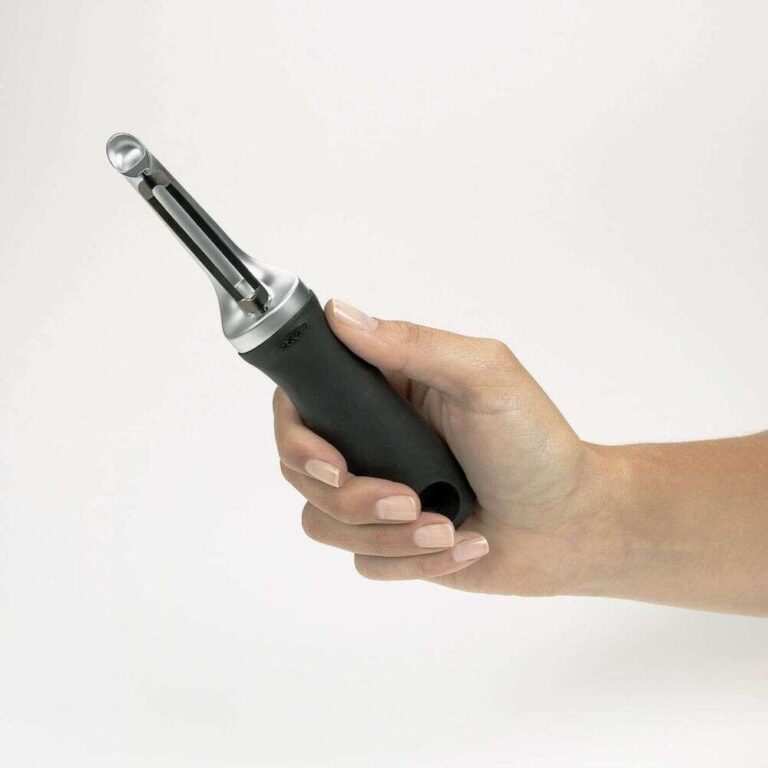
Most peelers have a handle and a sharp metal blade. The blade may be fixed in place or swivel from side to side. A swivel blade follows the curve of a carrot, cucumber, or potato with less effort.
A vegetable peeler may be used to:
- Remove skin from potatoes, carrots, apples, and cucumbers
- Cut vegetables into thin ribbons
- Create citrus zest or chocolate shavings
- Trim rough parts from produce
- Make garnishes for salads, soups, and desserts
- Remove stringy fibers from celery or asparagus
Unlike a chef’s knife, a peeler is designed for shallow cuts. This makes it useful when you want to remove only the skin and keep most of the food below it.

The Main Uses of a Vegetable Peeler
Understanding what is a vegetable peeler used for becomes easier when you see its everyday jobs. It is both a peeling tool and a light preparation tool.
Removing vegetable skins
Peeling is the most common use. You can remove the skin from:
- Potatoes
- Carrots
- Parsnips
- Sweet potatoes
- Beets
- Cucumbers
- Squash
- Turnips
A sharp peeler removes a narrow strip of skin in one smooth pass. This is often faster and safer than using a knife, especially when the produce is firm and round.
Creating vegetable ribbons
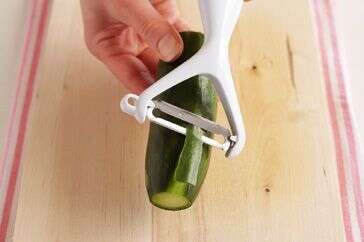
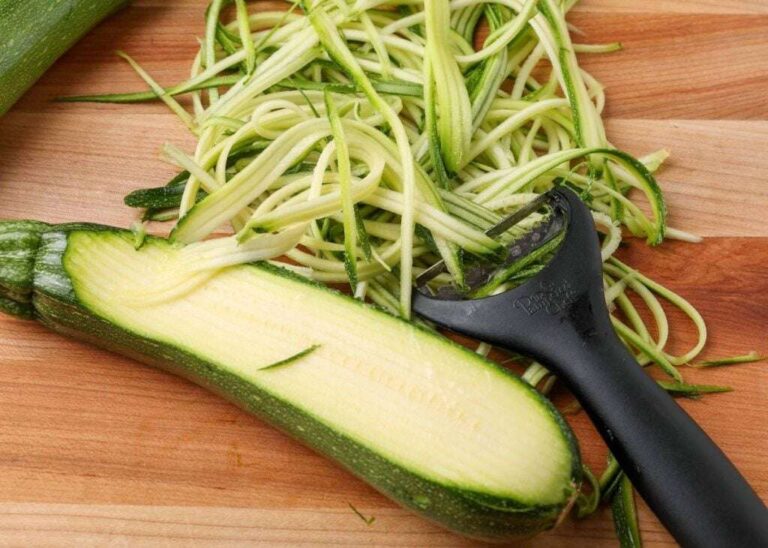
A peeler can turn vegetables into long, thin ribbons. These ribbons work well in salads, pasta dishes, wraps, and side dishes.
Try using a peeler on:
- Zucchini
- Yellow squash
- Carrots
- Cucumbers
- Asparagus
- Daikon radish
For example, zucchini ribbons can replace some or all of the pasta in a light meal. Carrot ribbons add color and a soft crunch to a salad.
Making garnishes
A peeler can make food look more appealing with very little work. Use it to create cucumber ribbons, carrot curls, or thin strips of radish.
You can also peel a wide strip of lemon or orange skin for a drink garnish. Avoid cutting too deeply into the white pith, which can taste bitter.
Removing tough fibers
Some vegetables have stringy outer fibers. A peeler can remove them from celery stalks, asparagus, and broad beans.
Run the blade lightly along the surface. The goal is to remove the tough threads, not a thick layer of the vegetable.

What Foods Can You Peel With a Vegetable Peeler?
A vegetable peeler works best on produce with firm skin and a fairly smooth shape. The right technique depends on the food.
Potatoes and sweet potatoes
peel potatoes with long, steady strokes. Turn the potato as you work so you remove the skin evenly.
For sweet potatoes, use a strong, sharp peeler. Their skin can be firmer than regular potato skin. You may also choose to keep the skin after washing it well, since the skin is edible and adds texture.
Carrots and parsnips
Carrots and parsnips are easy to peel. Hold one end and pull the peeler toward you or away from you, depending on what feels safest.
Young carrots often have thin, clean skin. In that case, a thorough scrub may be enough. Peeling is more useful when the skin is dry, rough, or marked.
Apples and pears
A peeler can remove apple and pear skin for pies, sauces, baby food, or fruit salads. Use light pressure because soft fruit can bruise or break apart.
For baked desserts, peeling can create a smoother filling. For fresh snacks, leaving the skin on adds color and texture.
Cucumbers and squash
Cucumbers and summer squash can be peeled fully or partly. Partial peeling creates stripes that look attractive in salads.
Use a light touch. These vegetables have soft flesh, so pressing too hard may remove more food than you want.
Citrus fruits
A vegetable peeler can remove wide strips of lemon, lime, or orange zest. These strips can flavor water, sauces, syrups, and cocktails.
The colored outer layer contains aromatic oils. The white layer underneath is pith, and too much pith can add bitterness.

Benefits of Using a Vegetable Peeler
A vegetable peeler is inexpensive, small, and useful in nearly every kitchen. Knowing what is a vegetable peeler used for can help you get more value from this basic tool.
It saves time
Peeling with a sharp tool is often faster than using a knife. The blade removes only the outer layer, so you can prepare several vegetables in a short time.
This matters when you are cooking a large meal. A few minutes saved on peeling can make meal preparation feel much easier.
It reduces food waste
A knife can remove thick chunks of edible flesh. A peeler usually creates a thin strip and leaves more food behind.
Still, results depend on the blade and your technique. A dull peeler may require extra pressure and remove uneven pieces.
It creates even results
A peeler makes consistent strips. This helps vegetables cook at a similar rate and gives dishes a cleaner appearance.
Even peeling is useful for mashed potatoes, roasted root vegetables, soups, and vegetable chips.
It improves texture
Some skins are tough, bitter, or unpleasant in certain dishes. Removing them can make sauces, soups, and baked foods smoother.
Other skins are soft and edible. The choice to peel should depend on the food, your recipe, and your personal preference.
It supports creative cooking
A peeler can turn a plain vegetable into a decorative ingredient. Thin ribbons cook quickly and can add shape, color, and texture.
In my own kitchen testing, I have found that ribbons are especially helpful when I want a fast side dish. A quick toss with olive oil, lemon juice, and herbs can turn them into a fresh meal component.

Types of Vegetable Peelers
The answer to what is a vegetable peeler used for can vary slightly by design. Different peelers suit different foods and hand movements.
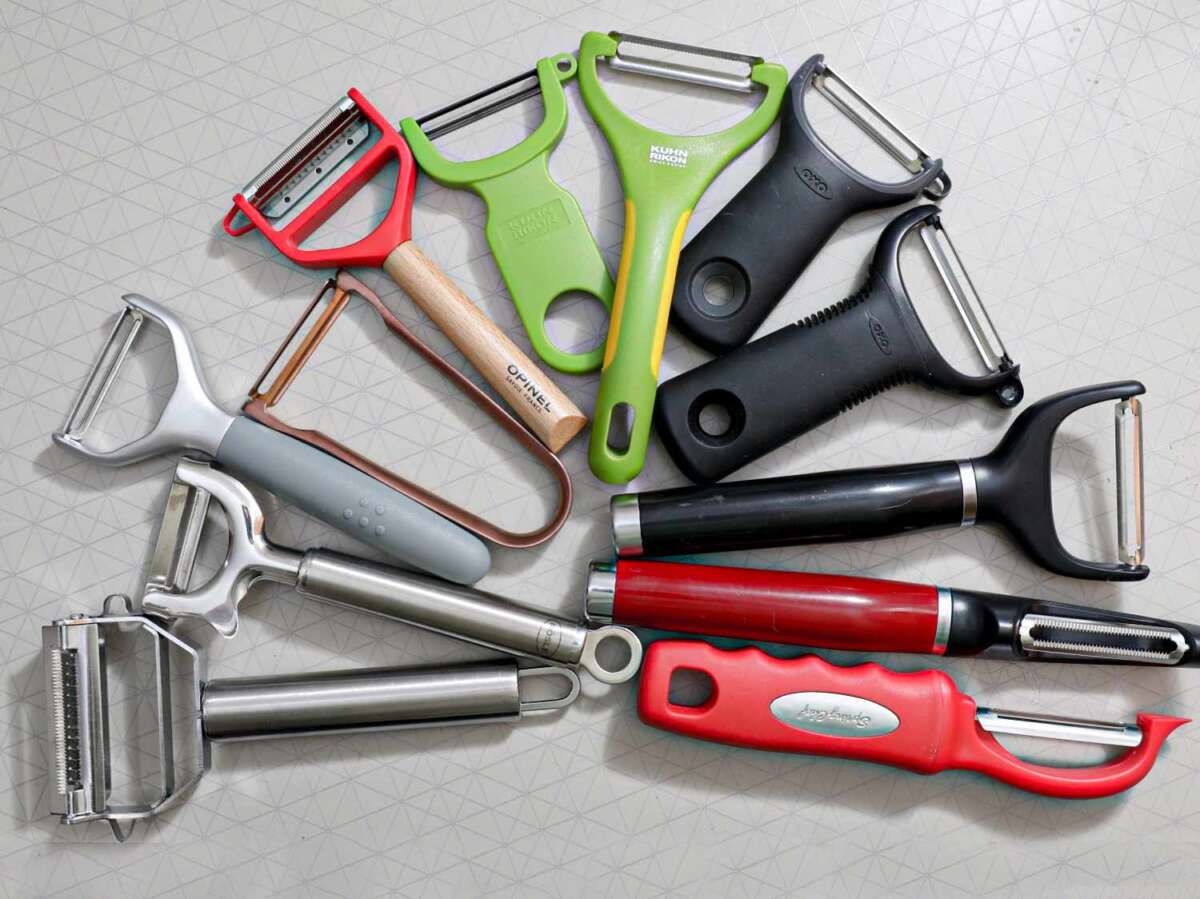
Swivel peeler
A swivel peeler has a blade that moves from side to side. It follows curved produce well and is a popular choice for general kitchen use.
It works well for potatoes, carrots, cucumbers, and apples. Many cooks find it comfortable because the blade adjusts as they peel.
Y peeler
A Y peeler has a wide blade set across the top of the handle. You move it toward your body or away from it in a straight path.
This design can peel quickly and create wide ribbons. It may feel more natural for some users, while others prefer the control of a standard swivel peeler.
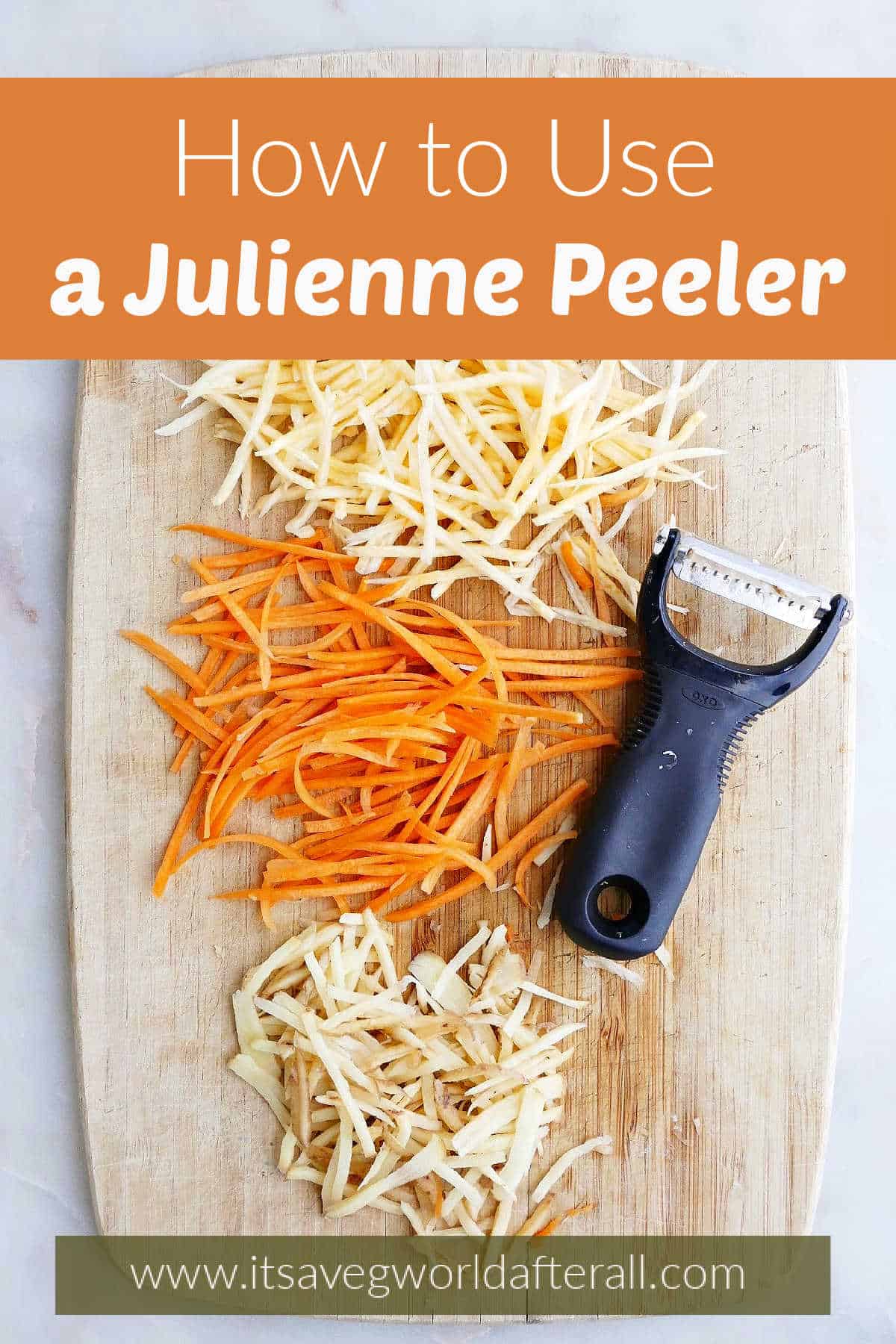
Julienne peeler
A julienne peeler has small teeth or ridges that cut vegetables into thin matchsticks. It is useful for salads, stir fries, slaws, and garnishes.
It does not fully replace a regular peeler. Many kitchens keep both types for different tasks.
Serrated peeler
A serrated peeler has a rough edged blade. It can grip smooth or soft foods, such as tomatoes, peaches, and ripe pears.
The cuts may not be as smooth as those from a straight blade, but the grip can make difficult produce easier to peel.
Electric peeler
Electric peelers can help people with limited hand strength or movement. They are less common in everyday kitchens and require more cleaning and storage space.
For most home cooks, a sharp manual peeler is simpler, cheaper, and easier to control.

How to Use a Vegetable Peeler Safely
A vegetable peeler is safer than a knife for many peeling tasks, but its blade is still sharp. Good technique protects your fingers and helps you work faster.
- Wash the produce under running water before peeling it.
- Place the food on a stable cutting board.
- Hold the food firmly with your non dominant hand.
- Keep your fingers away from the blade path.
- Use short, controlled strokes.
- Turn round produce as you work.
- Slow down near small ends and irregular spots.
- Rinse and dry the peeler after use.
For very small foods, place them on the cutting board instead of holding them in your hand. This gives you more control.
Food safety guidance commonly recommends washing produce before cutting or peeling. Washing first helps prevent dirt and surface germs from moving from the skin to the inner flesh.
In my experience, the most common mistake is pressing too hard. A good peeler should glide. If it sticks, check the blade, wash the food, or choose a different design.
Common Mistakes to Avoid
Many people ask what is a vegetable peeler used for but overlook the small habits that affect results. Avoiding these mistakes makes peeling easier and reduces waste.
Using a dull peeler
A dull blade skips across the food. This can create uneven strips and increase the chance of slips.
Replace a damaged peeler or sharpen it only if the manufacturer allows sharpening. A new, low cost peeler is often safer than struggling with a worn blade.
Applying too much pressure
Heavy pressure removes too much flesh. It can also make your hand tired.
Use a light stroke and let the blade do the work. Firm vegetables need control, not force.
Peeling toward your fingers
Do not place your fingers in front of the blade. Change your grip or move the food on the cutting board.
If you peel toward yourself, keep your fingers well below the cutting path and use slow strokes.
Ignoring the shape of the food
Long strokes may work well on a carrot but fail on a round potato. Follow the shape of the food and rotate it often.
For uneven produce, trim one small flat side first. The flat surface can make the rest safer and easier to peel.
Throwing away every peel
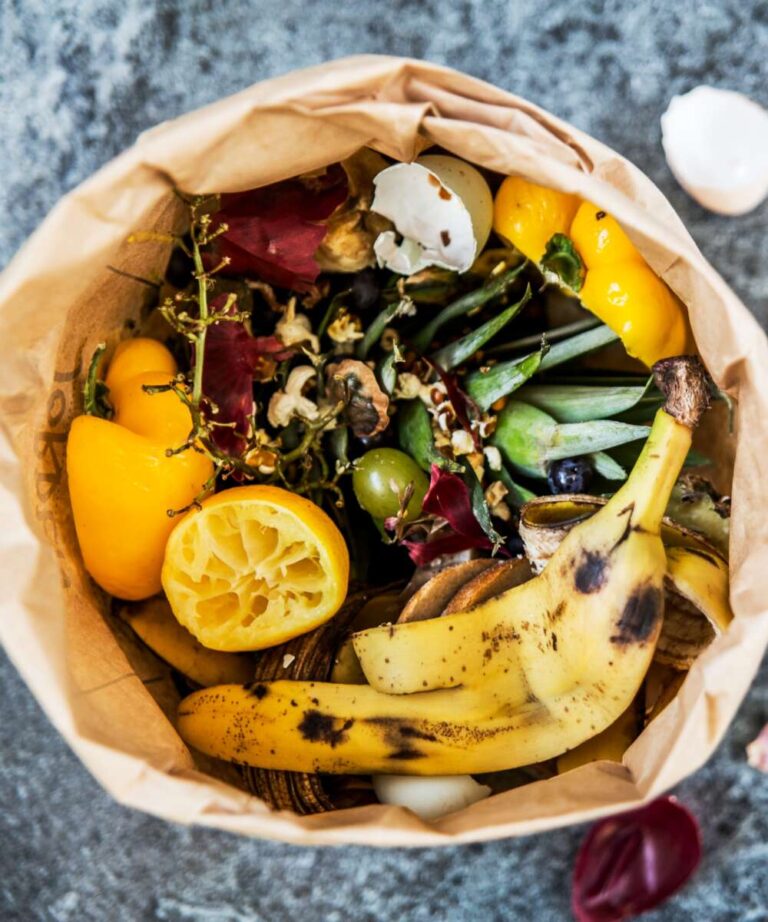
Some clean vegetable peels can be used in cooking. Potato skins can be roasted, and clean carrot or parsnip peels can flavor stock.
Only use peels that are fresh, well washed, and suitable for eating. Discard damaged, moldy, or heavily soiled parts.

How to Clean and Store a Vegetable Peeler
Clean the peeler after every use. Food particles can collect around the blade and handle, especially when peeling sticky produce.
Wash it with warm water and dish soap. Use a small brush to remove fibers from the blade area, and dry the tool fully before storing it.
Some peelers are dishwasher safe, but check the care instructions first. High heat and strong detergent may dull certain blades or damage handles.