How To Make Zucchini Noodles With A Vegetable Peeler: Easy
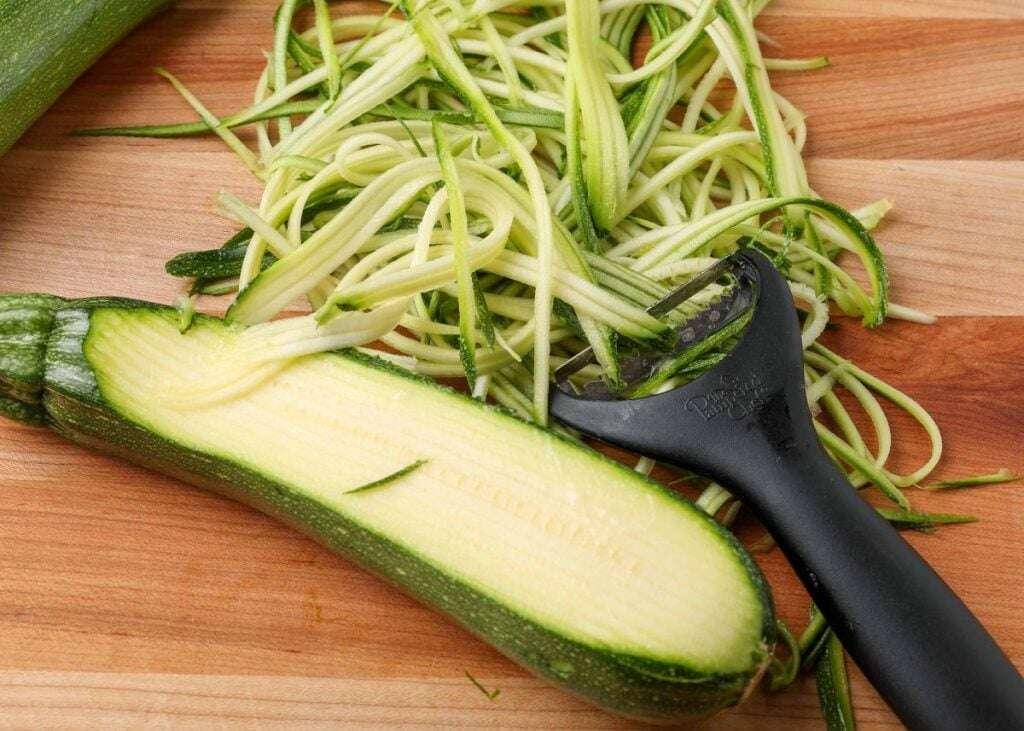
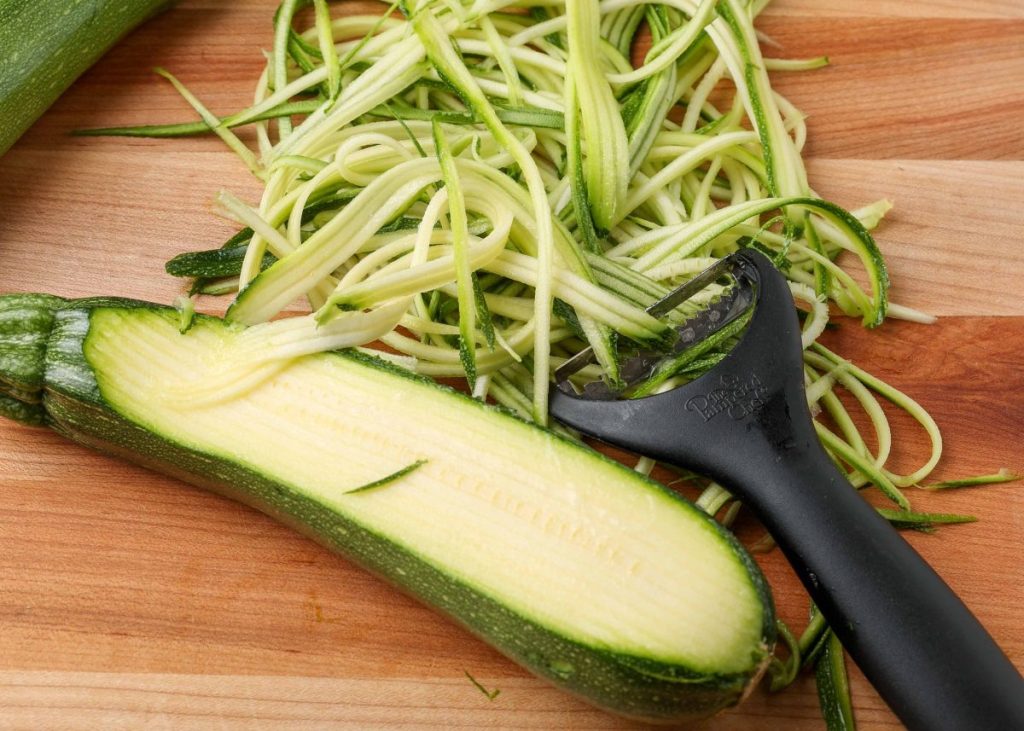
Use a standard vegetable peeler to shave zucchini into wide ribbons, then trim them into noodle-like strips.
Learning how to make zucchini noodles with a vegetable peeler is simple, fast, and budget-friendly. You do not need a spiralizer or special kitchen skill. With the right zucchini, a sharp peeler, and a light touch, you can make tender ribbons that work well in pasta dishes, salads, stir-fries, and low-carb meals. This guide explains each step, including how to avoid watery noodles and keep the best texture.
What Are Zucchini Noodles?
Zucchini noodles, often called “zoodles,” are thin strips or ribbons made from fresh zucchini. They are used as a lighter alternative to wheat pasta. Unlike regular noodles, zucchini noodles contain a great deal of water, so they need gentle cooking and careful draining.
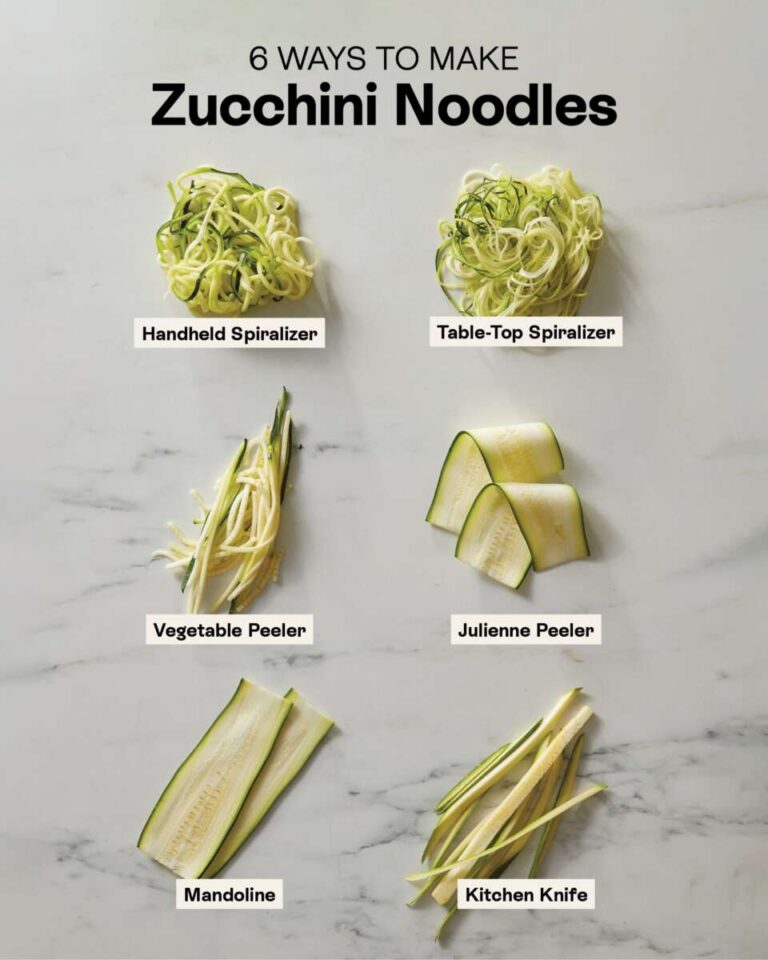
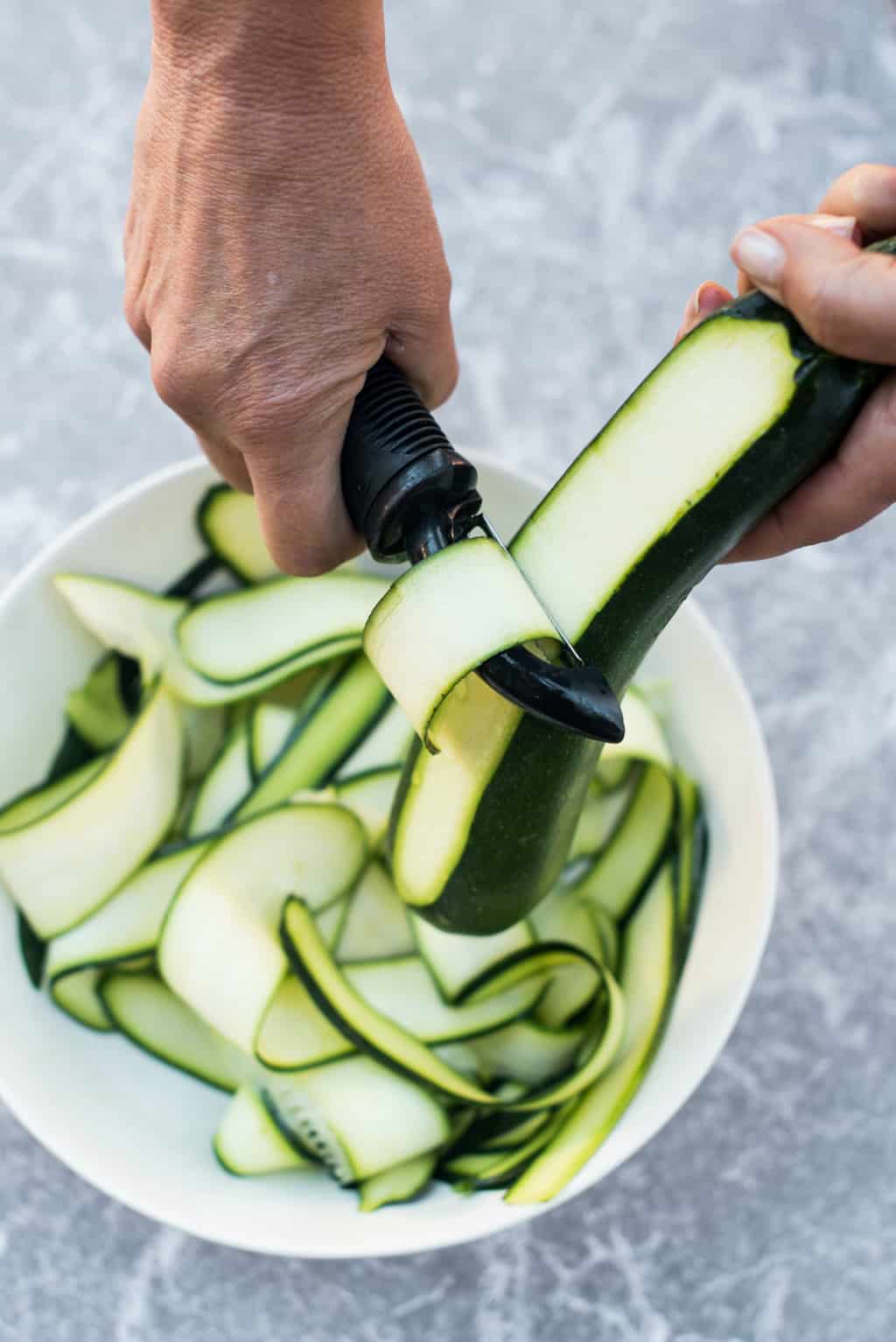
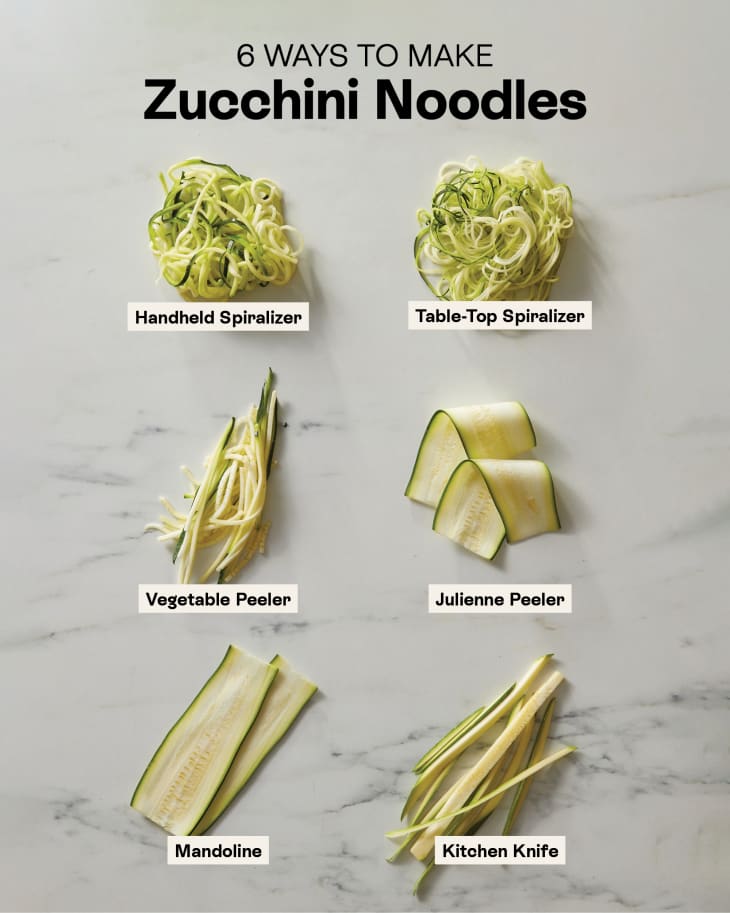
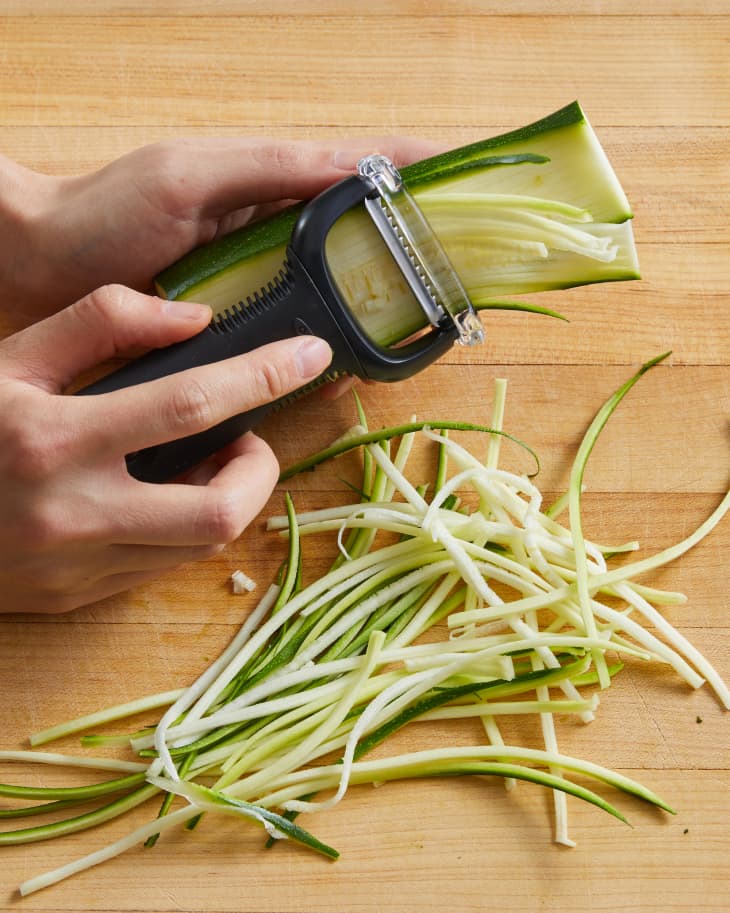
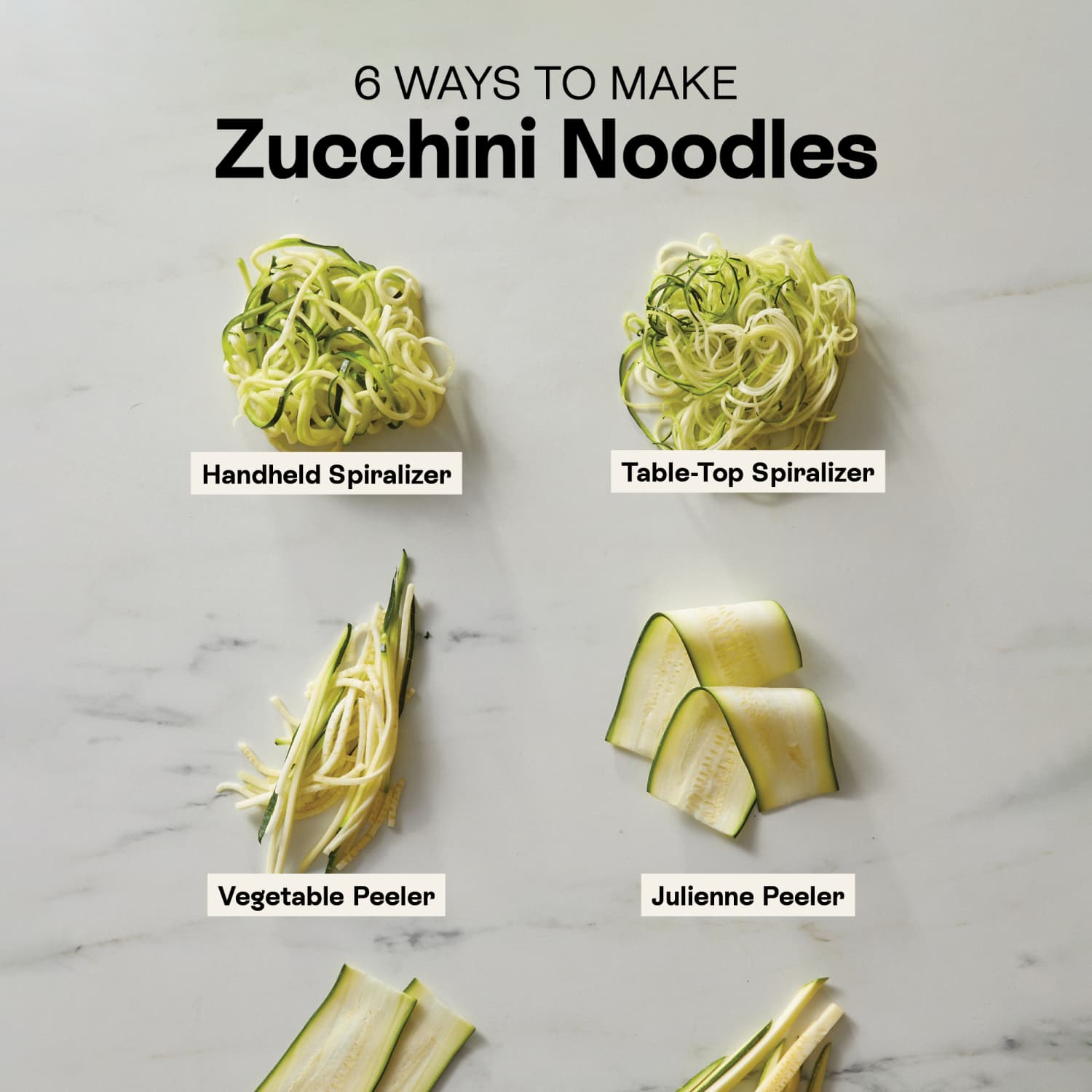
There are several ways to make zoodles. A spiralizer makes long, round strands, while a julienne peeler creates thin matchsticks. A basic vegetable peeler makes wide, flat ribbons. These ribbons are not exactly like spaghetti, but they hold sauce well and cook in minutes.
Knowing how to make zucchini noodles with a vegetable peeler is useful when you want a quick meal without buying another kitchen tool. It also gives you more control over the noodle width and texture.
Tools and Ingredients You Need
The method is simple because it uses common kitchen items. Gather everything before you begin so the zucchini stays fresh and the process feels smooth.
You will need:
• 1 medium zucchini, about 6 to 8 inches long
• 1 sharp vegetable peeler
• A cutting board
• A chef’s knife
• A colander
• Paper towels or a clean kitchen towel
• A skillet, saucepan, or large bowl
Optional items can make the work easier:
• A fork to hold the zucchini steady
• A pair of kitchen scissors for cutting long ribbons
• Kosher salt for drawing out extra moisture
• Olive oil, garlic, lemon juice, herbs, or your favorite pasta sauce
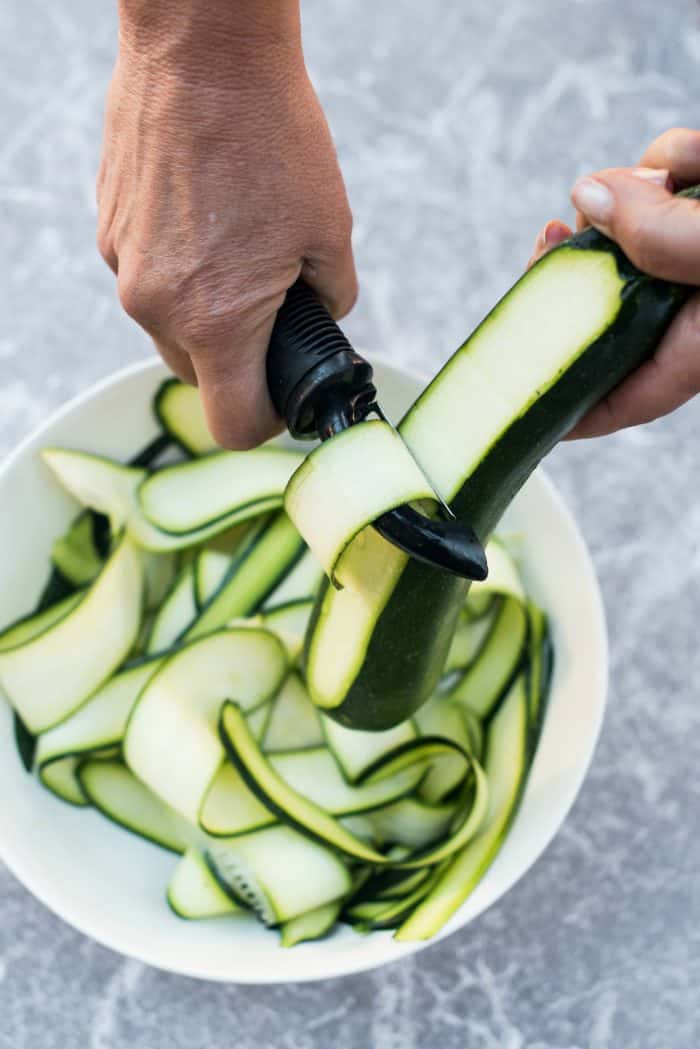
A Y-shaped peeler usually makes wide, even ribbons. A straight swivel peeler also works, but it may create narrower strips. The most important feature is a sharp blade. A dull peeler tears the zucchini and creates uneven pieces.
How to Make Zucchini Noodles With a Vegetable Peeler
Follow these steps for smooth zucchini ribbons with a firm, pleasant bite.
1. Choose the right zucchini
Look for zucchini with smooth, shiny skin and firm flesh. It should feel heavy for its size and have no soft spots. Smaller or medium zucchini usually work best because they contain fewer large seeds.
Very large zucchini can still be used, but the center may be soft and watery. The skin may also be tougher. If you use a large zucchini, remove the seedy center before peeling.
2. Wash and dry the zucchini
Rinse the zucchini under cool running water. Rub the skin gently to remove dirt. Dry it well with a clean towel.
Drying matters because a wet zucchini can slip while you peel it. It also helps the finished noodles stay less watery.
3. Trim the ends
Place the zucchini on a cutting board. Cut off both ends with a knife.
The ends are often uneven and make it harder to create smooth ribbons. A flat surface gives you better control from the first stroke.
4. Hold the zucchini firmly
You can lay the zucchini flat or stand it upright. For most people, laying it flat feels safer and gives better control.
Hold one end with your non-dominant hand. Keep your fingers away from the peeler’s path. If the zucchini rolls, place it between the edge of the cutting board and your hand.
5. Peel long ribbons
Run the vegetable peeler from one end of the zucchini to the other. Use steady, light pressure. Do not press deeply into the flesh.
Turn the zucchini slightly after each pass. This helps you peel all four sides evenly. Continue until you reach the seedy center.
The first few strips may contain more skin. These are still edible and add color. If you want pale noodles, discard the first strip or two.
6. Stop at the seedy center
The center of the zucchini is soft and holds more water. Once the ribbons become mostly seeds, stop peeling that side.
Rotate the zucchini and continue on a firm side. Save the seedy core for soup, eggs, sauces, or vegetable stock.
7. Cut the ribbons into noodles
Wide ribbons work well in many dishes. If you want a more noodle-like shape, stack two or three ribbons on the cutting board.
Use a sharp knife or kitchen scissors to cut them lengthwise into strips. Aim for strips about ¼ inch wide. They do not need to be perfect.
This is the basic process for how to make zucchini noodles with a vegetable peeler. The key is to peel gently, turn the zucchini often, and avoid the watery center.
How to Keep Zucchini Noodles From Getting Watery
Zucchini is about 95% water, according to standard food composition data. That high water content makes it fresh and light, but it can also thin your sauce. Proper preparation helps preserve a better texture.
Salt the noodles for a firmer texture
Place the zucchini ribbons in a colander over a bowl. Sprinkle them lightly with salt. Let them sit for 10 to 15 minutes.
Salt draws water from the zucchini through osmosis. After resting, gently press the noodles with paper towels or a clean kitchen towel. Do not crush them.
This step is helpful for cold salads and dishes with thick sauces. It is not always needed for a quick skillet meal.
Pat the noodles dry
Whether you salt them or not, pat the noodles dry before cooking. Extra surface water can cause steaming instead of gentle sautéing.
Avoid squeezing the noodles tightly. They are delicate, and heavy pressure can turn them limp.
Use thick sauces
Thin sauces can become watery when mixed with zucchini noodles. Choose sauces that have some body, such as:
• Pesto
• Meat sauce
• Alfredo sauce
• Peanut sauce
• Hummus-based dressing
• Thick tomato sauce
Add the sauce just before serving. This limits the time the noodles have to release water.
How to Cook Zucchini Noodles
The best cooking method depends on the texture you want. In most cases, less heat and less time produce better results.
Quick sauté method
Heat 1 teaspoon of olive oil in a wide skillet over medium heat. Add the zucchini noodles and cook for 2 to 3 minutes.
Toss them gently with tongs. Stop cooking when the noodles are warm but still slightly firm. Add garlic, black pepper, lemon juice, Parmesan, or sauce at the end.
This is my preferred method when learning how to make zucchini noodles with a vegetable peeler. The ribbons warm quickly, and a short cooking time keeps them from collapsing.
Microwave method
Place the noodles in a microwave-safe bowl. Cook them on high for 45 to 60 seconds.
Stir and check the texture. Add another 15 to 20 seconds only if needed. Drain any liquid before adding sauce.
This method works well for a single serving. It also reduces the chance of overcooking caused by a hot skillet.
Blanching method
Bring a pot of water to a gentle boil. Add the zucchini noodles for about 30 seconds. Remove them and place them in ice water.
Drain them well and pat them dry. Blanching creates a bright color and tender texture, but it can add extra water if the noodles are not drained carefully.
Raw method
Raw zucchini noodles are crisp and fresh. They work well in salads, lunch bowls, and summer meals.
Toss raw ribbons with pesto, lemon juice, olive oil, feta, cherry tomatoes, or fresh herbs. Let the dressed noodles sit for only a few minutes before serving.
Easy Zucchini Noodle Recipes
Once you know how to make zucchini noodles with a vegetable peeler, you can use them in many simple meals.
Garlic and Parmesan zucchini noodles
Warm olive oil in a skillet. Add minced garlic and cook for about 30 seconds. Add the zucchini noodles and toss for 2 minutes.
Finish with grated Parmesan, black pepper, and a small squeeze of lemon. Serve at once.
Pesto zucchini ribbons
Toss raw or lightly warmed zucchini ribbons with pesto. Add halved cherry tomatoes, toasted pine nuts, and Parmesan.
Pesto coats wide ribbons especially well. This dish is fast enough for lunch and colorful enough for a casual dinner.
Zucchini noodles with marinara
Warm marinara sauce in a separate pan. Quickly sauté the noodles for 2 minutes, then place them on a plate and spoon the sauce over them.
Keeping the sauce separate helps prevent excess liquid. Add cooked meatballs, lentils, mushrooms, or white beans for more protein.
Peanut lime zucchini noodles
Mix peanut butter, lime juice, low-sodium soy sauce, grated ginger, and a little warm water. Toss the sauce with raw zucchini ribbons.
Top with green onions, cilantro, crushed peanuts, and chili flakes. This recipe works well as a cold lunch.
Mediterranean zucchini ribbon salad
Combine raw zucchini ribbons with cucumber, tomatoes, olives, feta, and fresh parsley. Dress with olive oil, lemon juice, oregano, and black pepper.
For a more filling meal, add chickpeas, grilled chicken, tuna, or white beans.
Common Mistakes to Avoid
Small errors can change the texture of zucchini noodles. These are the problems I see most often when people first learn how to make zucchini noodles with a vegetable peeler.
Pressing too hard
Heavy pressure creates thick, uneven strips and can make the zucchini break. Let the peeler do the work. A sharp blade needs only light pressure.
Using a very large zucchini
Large zucchini often have a soft center and many seeds. They release more water and may produce fragile noodles.
Choose a medium zucchini when possible. If you only have a large one, cut it in half, remove the center, and peel the firm outer flesh.
Overcooking the noodles
Zucchini does not need the same cooking time as dried pasta. A few extra minutes can turn firm ribbons into soft strands.
Cook until just warm. The noodles will continue to soften slightly from the heat of the sauce.
Adding sauce too early
Sauce can pull more water from the zucchini while the dish sits. Prepare the sauce first, cook the noodles briefly, and combine everything just before serving.
Expecting spaghetti-shaped noodles
A vegetable peeler makes flat ribbons, not round strands. That is not a problem. Wide noodles hold pesto and creamy sauces very well.
If you want thin, round noodles, use a spiralizer or julienne peeler. For a simple tool-free option, cut the ribbons into thinner strips with a knife.

Nutrition and Food Safety
Zucchini noodles are naturally low in calories and provide fiber, vitamin C, potassium, and other nutrients. Their exact nutrition depends on the zucchini size and the sauce or toppings you add.
Replacing pasta with zucchini can lower the carbohydrate content of a meal, but it does not automatically make every dish healthier. Cream sauces, large amounts of cheese, and processed toppings can still add substantial calories and sodium.
Wash fresh produce under running water before cutting it. Do not use soap or bleach on zucchini. Keep cut zucchini refrigerated in a sealed container and use it within a few days for the best quality.
Cooked zucchini noodles should be cooled and refrigerated within two hours. When reheating, use gentle heat and avoid repeated warming, which can make the noodles soft.

How to Store Zucchini Noodles
Store uncooked zucchini noodles in a container lined with a paper towel. Add another paper towel on top before sealing the container.
The towel absorbs some moisture and helps reduce sogginess. Keep the container in the refrigerator and use the noodles within 2 to 3 days.
For the best texture, store the noodles separately from sauce. Sauced zucchini noodles soften much faster.
Freezing is possible, but the texture will change. Frozen zucchini becomes softer after thawing, so it is better for soups, casseroles, and cooked sauces than for crisp noodle salads.
Tips for Better Results
These small adjustments make the process easier and more reliable.
• Use a sharp peeler to create smooth ribbons.
• Choose firm, medium-sized zucchini.
• Peel away from your hand and keep your fingers clear.
• Turn the zucchini after each long pass.
• Stop before reaching the soft, seedy center.
• Salt and drain the ribbons when using a thick sauce or serving them cold.
• Cook for only 2 to 3 minutes in a skillet.
• Add sauce just before serving.
• Cut long ribbons with scissors if they are hard to eat.
• Taste before adding more salt because pesto, cheese, and soy sauce can be salty.
In my kitchen tests, the biggest improvement came from using less heat. Many people treat zucchini like pasta and boil it too long. It behaves more like a tender vegetable than a dry grain, so gentle cooking is the better approach.
Frequently Asked Questions
Can I make zucchini noodles with any vegetable peeler?
Yes. A standard straight or Y-shaped vegetable peeler works well. A sharp peeler creates smoother ribbons, while a dull one may tear the zucchini.
Do I need to peel the zucchini before making noodles?
No. The skin is edible and adds color, fiber, and structure. Wash the zucchini well, then peel it with the skin on.
How thick should zucchini noodles be?
Aim for ribbons about 1 to 2 inches wide if you plan to use them as flat noodles. For thinner strands, cut the ribbons lengthwise into strips about ¼ inch wide.
Should I salt zucchini noodles before cooking?
Salting is optional. It helps remove extra moisture, especially for cold salads or thick sauces, but quick sautéed noodles can be cooked without salting.
How long should I cook zucchini noodles?
Sauté them for about 2 to 3 minutes over medium heat. Stop when they are warm and slightly firm because longer cooking can make them soft and watery.
Can I eat zucchini noodles raw?
Yes. Raw zucchini noodles are crisp and mild. They taste especially good with pesto, lemon dressing, tomatoes, herbs, feta, or a light vinaigrette.
Why are my zucchini noodles watery?
Zucchini naturally contains a large amount of water. Watery noodles usually result from using a large zucchini, overcooking the ribbons, or mixing them with sauce too early.
Can I prepare zucchini noodles ahead of time?
Yes. Store dry, uncooked noodles in the refrigerator with paper towels for 2 to 3 days. Keep sauce separate until you are ready to eat.
Conclusion
Learning how to make zucchini noodles with a vegetable peeler takes only a few minutes. Choose a firm zucchini, peel it into long ribbons, stop before the seedy center, and cook the noodles briefly. For a firmer result, salt and drain them, then add sauce just before serving.
The beauty of this method is its simplicity. You can make fresh zoodles without a spiralizer, special training, or a long ingredient list. Try a garlic Parmesan version tonight, then experiment with pesto, marinara, or a fresh peanut lime sauce. Share your favorite combination or explore more simple vegetable-based recipes for your next meal.

Liora Pennings is a seasoned chef and kitchen enthusiast with a passion for turning everyday cooking into an effortless experience. With years of hands-on culinary expertise, she specializes in practical techniques, ingredient know-how, and smart kitchen solutions that help home cooks elevate their meals. At KitchFlair.com, Liora shares her best tips, time-saving tricks, and honest product reviews to guide readers toward a more efficient, enjoyable, and inspired cooking routine. Whether you’re a beginner or a seasoned home chef, Liora’s friendly, knowledge-packed insights make every visit to the kitchen a little easier—and a lot more delicious.