How To Use An Avocado Peeler: Easy Step-By-Step Guide
An avocado peeler cuts, lifts, and slices ripe avocado safely with less mess than a knife.
Learning how to use an avocado peeler is simple once you know what each part does. Most models combine a cutting blade, a pitting tool, and a curved scoop or slicer. This guide explains how to use an avocado peeler step by step, avoid common mistakes, and get neat slices without wasting the soft green flesh.
What Is an Avocado Peeler?
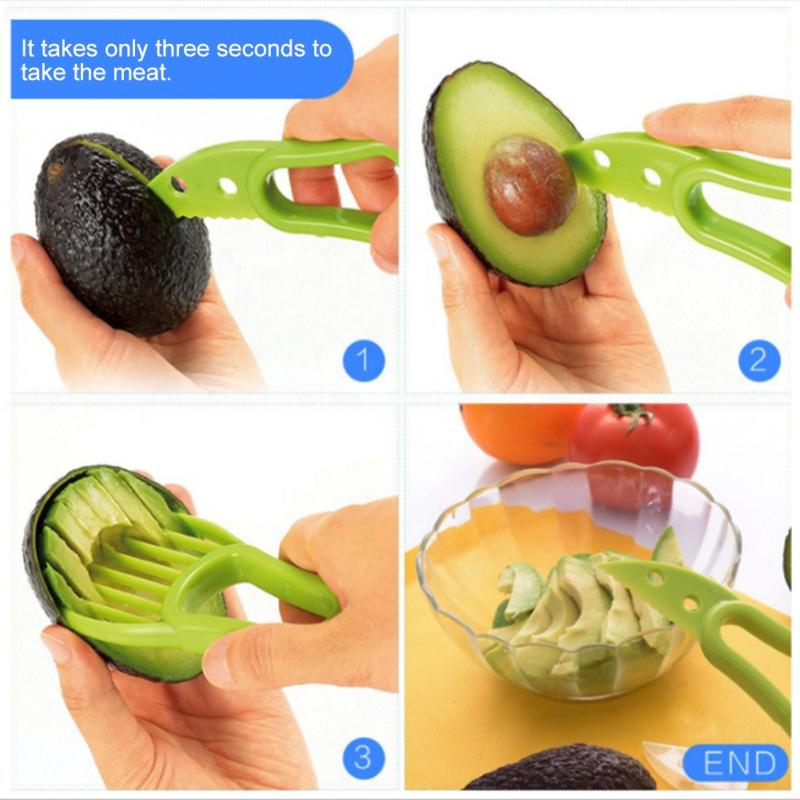
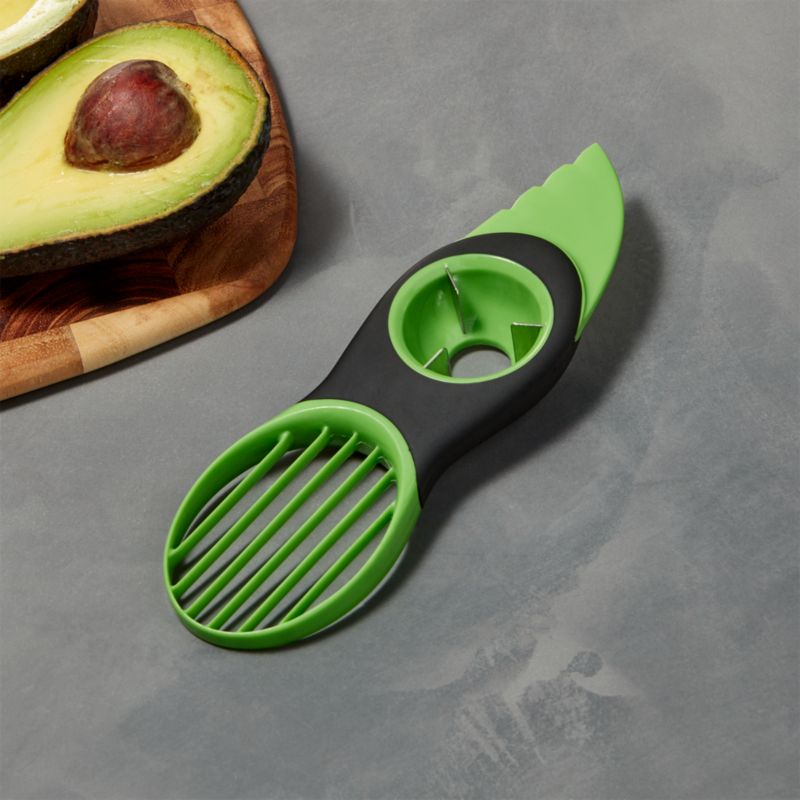
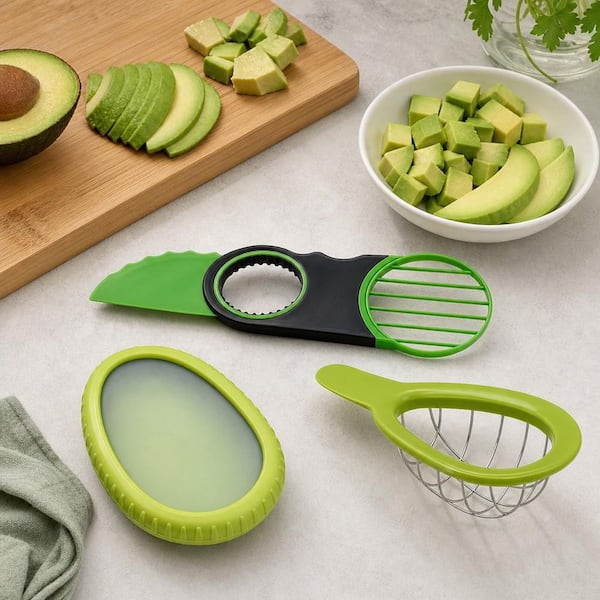
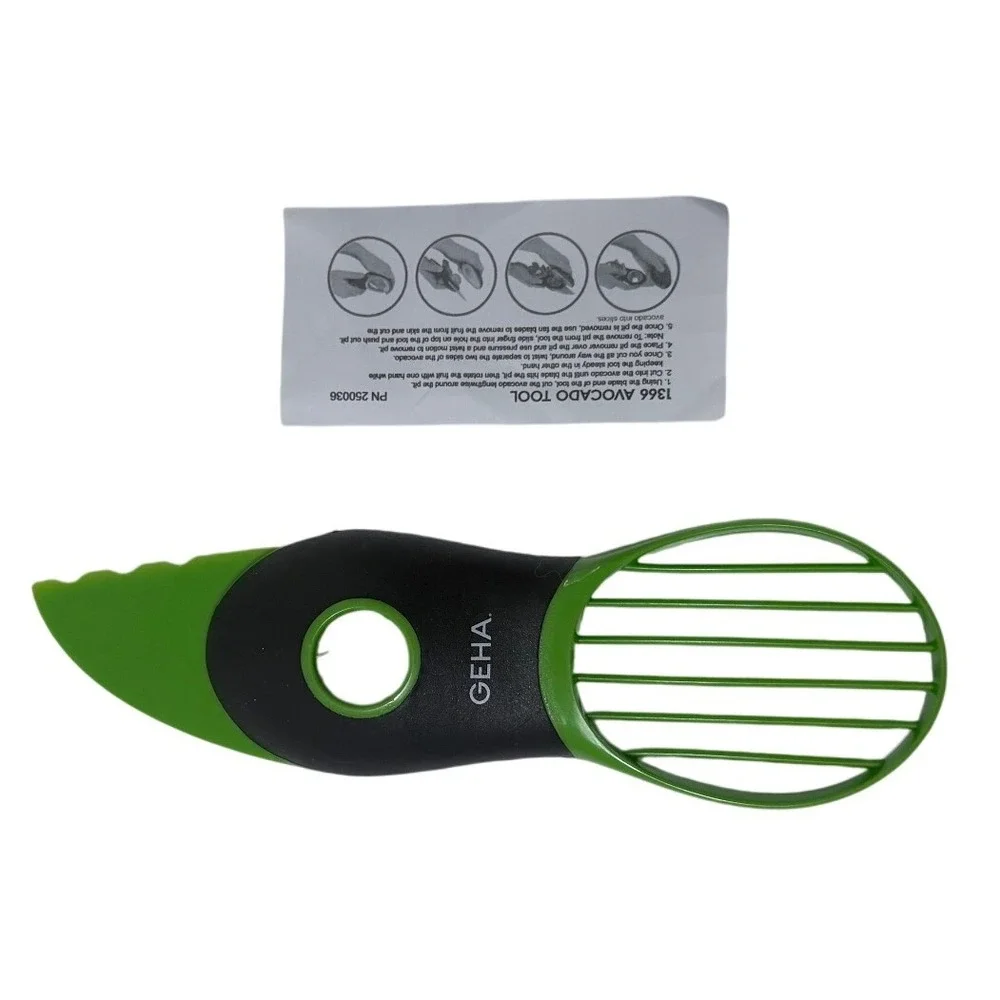
An avocado peeler is a small kitchen tool made for opening, pitting, scooping, and slicing avocados. Many models have three parts:
• A sharp edge for cutting through the skin
• A round or hooked section for removing the pit
• A curved scoop with ridges for lifting and slicing the flesh
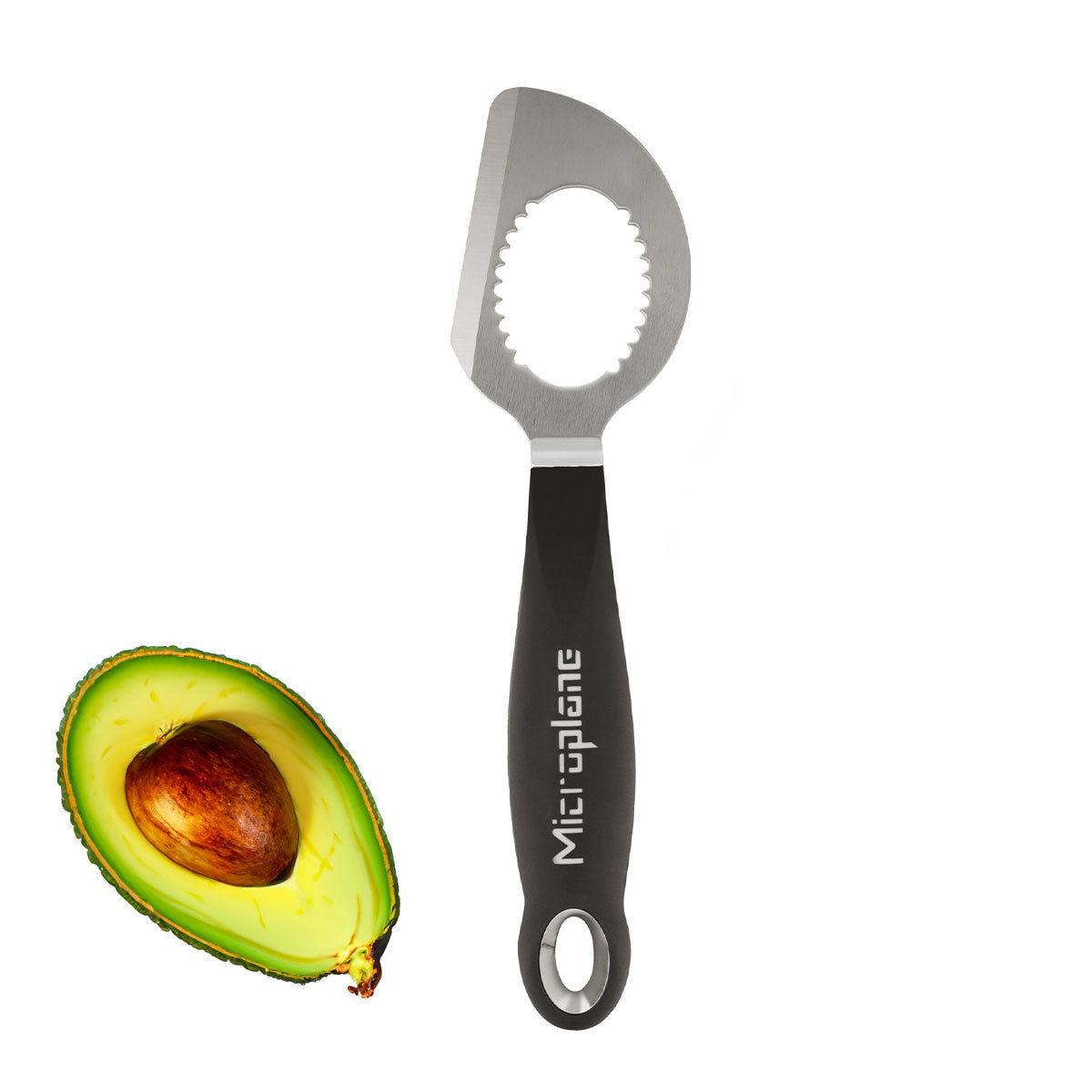
The exact design can vary. Some tools peel the skin, while others mainly scoop and slice the avocado after you cut it. Always check the shape of your tool before use, because not every avocado peeler works in the same way.
Knowing how to use an avocado peeler starts with understanding its parts. Think of it as a small multitool for avocados. It can replace several steps, but it still needs a ripe avocado and careful handling.

Choose the Right Avocado
A good avocado peeler works best with an avocado that is ripe but not mushy. If the fruit is too hard, the tool may slide or leave much of the flesh behind. If it is too soft, the avocado may collapse during scooping.
Use these simple checks:
• Hold the avocado in your palm, not between your fingertips.
• Press the skin gently with your thumb.
• Look for slight give without deep dents.
• Avoid fruit with large sunken spots, leaking areas, or a sour smell.
The stem cap can also offer a clue. If it comes off easily and the area underneath looks green to yellow-green, the avocado may be ready. Brown or very dark flesh near the stem can signal overripe fruit, although this test is not perfect.
Before learning how to use an avocado peeler, wash the fruit under cool running water. The skin may carry dirt or bacteria, and the cutting tool can move those germs into the flesh.
How to Use an Avocado Peeler Step by Step
Follow these steps for clean slices and safe handling.
1. Wash and Dry the Avocado
Rinse the avocado well, then dry it with a clean towel. A dry surface is easier to hold and less likely to slip.
Place the avocado on a stable cutting board. Avoid cutting it while holding it in the air. A firm board gives you better control.
2. Cut Around the Pit
Hold the avocado lengthwise on the cutting board. Place the cutting edge of the avocado peeler at the top and press it gently into the skin.
Move the tool around the fruit in a full circle. Keep the blade in contact with the large pit. You should feel the tool follow the pit as it cuts through the skin and flesh.
If your avocado peeler does not have a cutting edge, use a small kitchen knife for this step. Then use the peeler for scooping and slicing.
3. Twist the Two Halves Apart
Hold one half in each hand. Twist the halves in opposite directions until they separate.
If the halves do not move, do not force them. Run the cutting edge around the fruit again. A missed section of skin or flesh often keeps the halves attached.
4. Remove the Pit Safely
Place the half with the pit flat on the cutting board. Use the pitting section of the avocado peeler to hook or press against the pit.
Many peelers use a small tooth or spoon-shaped end. Push it under the pit and lift it out. If the pit is stubborn, cut around it with the tool instead of using a sharp knife.
Some people strike an avocado pit with a chef’s knife and twist it out. This can work, but it creates a hand injury risk. A dedicated avocado peeler is usually a safer choice for home cooks.
5. Scoop the Flesh
Hold the avocado half in your non-dominant hand. Insert the curved scoop between the flesh and the skin near the wider end.
Move the scoop slowly along the inside of the skin. Keep the scoop close to the peel so you collect as much flesh as possible.
Use a smooth motion rather than pushing hard. The flesh should separate when the avocado is ripe. If it tears, the fruit may be too firm, too soft, or cut at the wrong angle.
6. Make Slices or Chunks
If your avocado peeler has ridges, press them into the flesh and pull the tool through in one motion. The ridges create slices for toast, salads, sandwiches, and tacos.
For cubes, make lengthwise and crosswise cuts while the flesh is still in the skin. Then scoop out the pieces with the curved end.
This is the main part of how to use an avocado peeler: let the tool glide through the fruit instead of treating it like a heavy scraper.

How to Get Smooth, Even Avocado Slices
Neat slices depend on three things: ripeness, pressure, and direction. Use gentle pressure and move the tool from the narrow end toward the wider end.
Keep the avocado half steady with your fingertips curled away from the tool. Do not press your palm directly behind the scoop. If the tool suddenly breaks through, your hand could move into its path.
For restaurant-style slices, scoop the avocado out in one piece. Place it cut side down and slice it with a smooth kitchen knife. An avocado peeler is useful for lifting the whole half, but its ridges may make thinner or less even slices.
In my own kitchen testing, the most common mistake was rushing the scoop. A slow pass keeps the flesh together. A second gentle pass near the skin helps collect the thin green layer that often remains behind.

How to Use an Avocado Peeler for Different Foods
An avocado peeler is useful beyond simple slices. Its scoop and slicer can help with many everyday meals.
Avocado Toast
Scoop the flesh onto toast, then use the ridged side to make thin lines. Add lemon juice, salt, pepper, or red pepper flakes.
Salads
Use the slicer to make pieces that hold their shape. Add the avocado near the end so it does not become crushed while you mix the salad.
Guacamole
Cut the avocado into chunks with the tool, then mash it in a bowl. This method is quick, but a fork gives you better control over the final texture.
Tacos and Burrito Bowls
Use the scoop to create thick slices. They are easier to pick up and less likely to turn into mush under warm toppings.
Baby Food
A very ripe avocado can be scooped directly into a bowl and mashed. Wash the fruit and tool well, and check with a health professional if you have questions about introducing new foods to an infant.

Common Mistakes to Avoid
Knowing how to use an avocado peeler also means knowing what not to do. Small changes can make the tool safer and more effective.
• Do not use a dull or damaged blade. It may slip and require too much force.
• Do not hold the avocado in your hand while cutting around the pit.
• Do not press the tool toward your fingers.
• Do not use an avocado peeler on a rock-hard avocado.
• Do not scrape aggressively against the skin.
• Do not leave the tool in a sink full of soapy water.
• Do not assume every model is dishwasher-safe.
A frequent mistake is using the pitting end on a very firm pit with too much force. If the pit will not lift, place the avocado half on a board and work around the pit. Control matters more than speed.
Another mistake is expecting one tool to make perfect slices every time. Avocado flesh varies in size and texture. A peeler can save time, but it cannot correct fruit that is underripe or spoiled.
Safety Tips for Using an Avocado Peeler
Although an avocado peeler is designed to make avocado preparation easier, it still has sharp edges. Treat it like any other kitchen utensil.
Follow these safety habits:
• Keep your fingers behind the cutting edge.
• Use a stable cutting board with a dry surface.
• Cut away from your body.
• Keep children away from the tool during use.
• Stop if the avocado starts to roll.
• Use a spoon or blunt pitting tool if the pit is firmly stuck.
• Replace the tool if the handle cracks or the blade becomes loose.
A cut-resistant glove may help people who feel unsure about handling kitchen tools. It does not make careless movements safe, so basic control still matters.
If you cut yourself, stop preparing food and clean the wound promptly. Seek medical care for a deep cut, heavy bleeding, numbness, or an injury near a joint.
Cleaning and Storing an Avocado Peeler
Clean the tool soon after use. Dried avocado becomes oily and sticky, especially around the ridges and pit remover.
Use this cleaning method:
-
Rinse the tool under warm water.
-
Add a small amount of dish soap.
-
Scrub the scoop, ridges, blade, and handle with a soft brush.
-
Rinse away all soap.
-
Dry the tool fully before storing it.
Check the manufacturer’s instructions before placing the tool in a dishwasher. High heat can damage plastic, dull some blades, or loosen joined parts.
Store the avocado peeler in a drawer or utensil holder. If it has an exposed blade, use a protective cover. A dry, clean tool lasts longer and reduces the chance of food residue or odors.
Benefits and Limitations of an Avocado Peeler
An avocado peeler can make preparation faster and less messy. It is especially useful for people who often make avocado toast, salads, tacos, or guacamole.
Key benefits include:
• Several avocado tasks in one tool
• Less contact with the soft flesh
• Easy scooping and slicing
• Better control than using a large knife for the pit
• Helpful design for new cooks
The tool also has limits. It may not work well on hard fruit. Ridged slicers may create pieces that are too thick for some recipes. Low-cost models can bend, lose sharpness, or leave flesh behind.
For occasional avocado use, a spoon and small knife may be enough. For regular use, an avocado peeler can be a useful time-saving tool. The best choice depends on your cooking habits, hand strength, storage space, and budget.
How to Choose an Avocado Peeler
Look for a model that feels stable in your hand. A comfortable handle gives you more control and helps reduce the need for force.
Consider these features:
• A non-slip handle
• A secure, well-shaped pit remover
• A curved scoop that follows the fruit
• Strong ridges for slicing
• A blade cover for storage
• Easy-to-clean surfaces
• Clear care instructions
Avoid tools with loose parts, sharp plastic edges, or handles that flex too much. Stainless steel parts may offer better durability, while food-safe plastic can feel lighter and gentler on the fruit.
Reviews can help, but pay attention to comments about grip, cleaning, and pit removal. A tool may look clever in a product photo but feel awkward in real use.
Storing Cut Avocado
Cut avocado turns brown because its flesh reacts with oxygen. This change does not always mean the avocado is unsafe, but it can affect taste and appearance.
To slow browning:
• Brush the surface with lemon or lime juice.
• Press plastic wrap directly against the flesh.
• Store it in an airtight container.
• Keep it chilled.
Use cut avocado promptly for the best flavor and texture. Do not rely on color alone to judge safety. Discard avocado with mold, a sour smell, slimy texture, or other clear signs of spoilage.
An avocado peeler helps prepare the fruit, but it does not extend its shelf life. Clean handling and proper storage still matter.
Frequently Asked Questions About How to Use an Avocado Peeler
Can I use an avocado peeler on an unripe avocado?
You can, but the results may be poor. A firm avocado may resist the scoop and require extra force, which can make the tool slip.
Is an avocado peeler safer than a knife?
It can be safer for removing the pit and scooping the flesh because it is designed for those tasks. However, it may still have a sharp edge, so use it on a stable cutting board and keep your fingers behind the tool.
How do I remove a stuck avocado pit with an avocado peeler?
Place the avocado half flat on a cutting board and use the pitting end around the edge of the pit. Avoid forcing the tool straight toward your hand, and switch to a spoon if the pit remains firmly stuck.
Can I put an avocado peeler in the dishwasher?
Some models are dishwasher-safe, but others may become dull or damaged. Read the care instructions for your specific tool before using a dishwasher.
Why does my avocado break apart while I scoop it?
The avocado may be overripe, or you may be pressing too hard. Use a slow, shallow pass close to the skin and stop if the flesh feels very soft.
Can an avocado peeler make guacamole?
Yes. You can use it to remove the pit and cut the flesh into chunks before mashing it. A fork or masher usually gives better control over the final texture.
Conclusion
Learning how to use an avocado peeler takes only a few simple steps: wash the fruit, cut around the pit, separate the halves, remove the pit safely, and scoop the flesh with steady pressure. Choose an avocado with slight give, keep your fingers behind the tool, and clean the peeler after every use.
With practice, this small kitchen tool can make avocado toast, salads, tacos, and guacamole faster and less messy. Try the method with your next ripe avocado, then share your favorite preparation tip or explore more practical kitchen guides.

Liora Pennings is a seasoned chef and kitchen enthusiast with a passion for turning everyday cooking into an effortless experience. With years of hands-on culinary expertise, she specializes in practical techniques, ingredient know-how, and smart kitchen solutions that help home cooks elevate their meals. At KitchFlair.com, Liora shares her best tips, time-saving tricks, and honest product reviews to guide readers toward a more efficient, enjoyable, and inspired cooking routine. Whether you’re a beginner or a seasoned home chef, Liora’s friendly, knowledge-packed insights make every visit to the kitchen a little easier—and a lot more delicious.