How Long Should A Dyson Vacuum Cleaner Last: Lifespan
A Dyson vacuum cleaner should typically last 7 to 10 years, depending on care, model, use, and repairs.
The real answer to how long should a Dyson vacuum cleaner last depends on more than its price tag. A cordless Dyson may need a battery replacement after a few years, while a well-maintained corded model can keep cleaning for a decade or longer. This guide explains the expected lifespan, warning signs, common failures, maintenance steps, and ways to get more years from your Dyson.
How long should a Dyson vacuum cleaner last?
A Dyson vacuum cleaner should usually last between 7 and 10 years in a typical home. Some corded models may work well beyond 10 years, while heavily used cordless models may need major repairs sooner.
The answer to how long should a Dyson vacuum cleaner last varies by the type of machine:
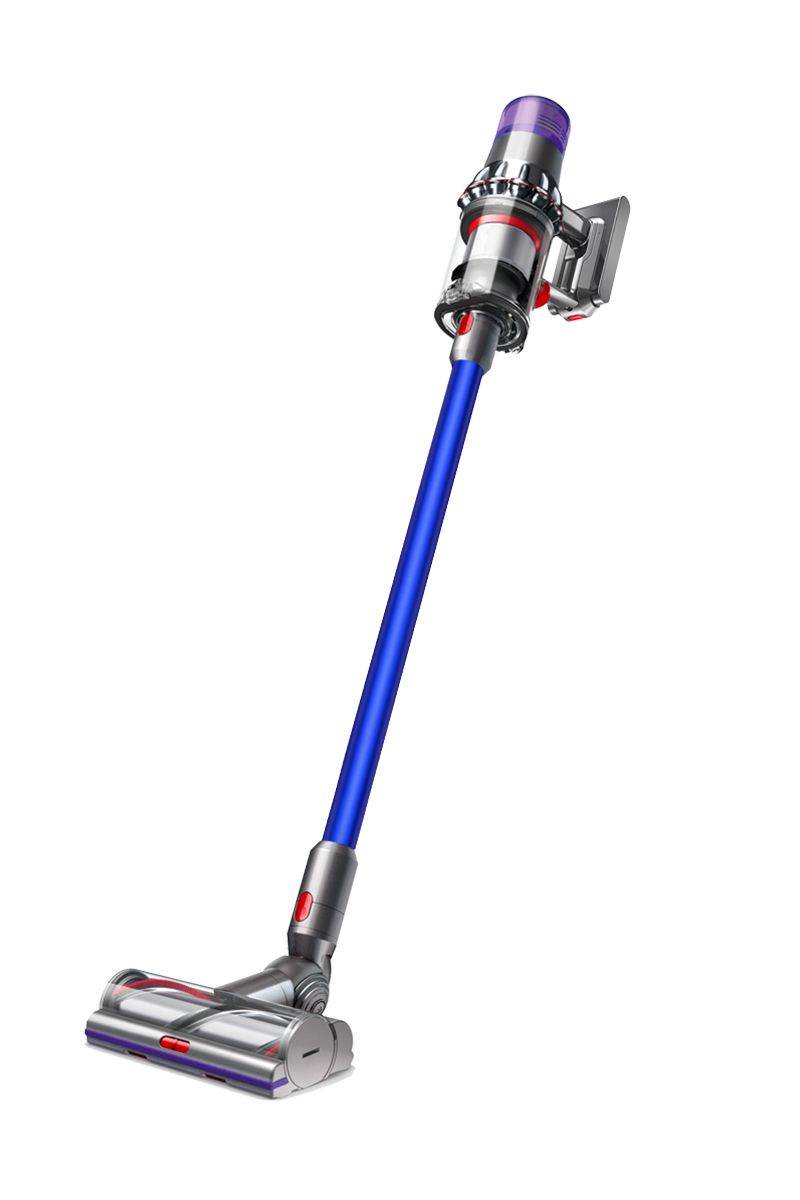
• Cordless stick vacuums often last about 5 to 8 years.
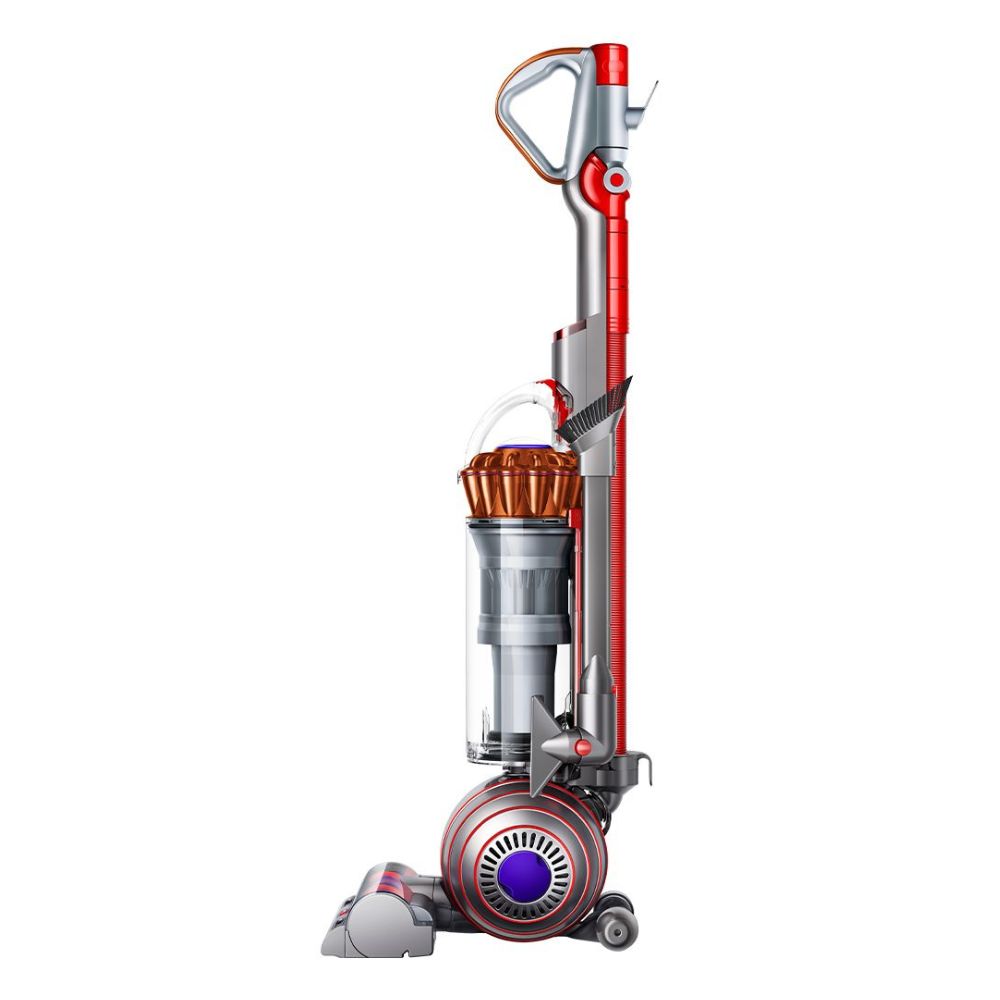
• Corded upright and canister vacuums often last about 8 to 12 years.
• Dyson robot vacuums may last around 5 to 8 years, depending on battery health and navigation parts.
• Dyson batteries commonly need replacement before the rest of the vacuum wears out.
These are practical lifespan ranges, not guarantees. A vacuum used in a small apartment once a week will face much less stress than one used every day in a home with pets, children, and thick carpets.
When asking how long should a Dyson vacuum cleaner last, think of it like a car. The main body may remain strong, but smaller parts, filters, batteries, seals, and brush bars may need service along the way.
What affects a Dyson vacuum’s lifespan?
Several factors decide how long should a Dyson vacuum cleaner last. The most important ones are usage, maintenance, floor type, storage, and the quality of replacement parts.
Frequency of use
Daily cleaning puts more hours on the motor, battery, brush bar, and filter system. This does not mean daily use will ruin a Dyson, but it does increase wear.
A vacuum used for quick kitchen cleanups may last longer than one used for full-house cleaning every day. Long cleaning sessions also create more heat, especially in cordless models.
Floor type
Hard floors are often easier on a vacuum than thick carpet. Dense carpet can make the brush bar work harder and may increase the amount of hair, dust, and fiber pulled into the machine.
Homes with rugs and pet hair can still use a Dyson for many years. However, the brush bar should be cleaned often, and tangled hair should never be allowed to build up.
Pets and long hair
Pet hair is one of the biggest sources of stress for a vacuum. It can wrap around the brush bar, block air paths, and fill the filter with fine dust.
Long human hair causes similar problems. Cutting away tangled hair with scissors once a week can prevent strain on the brush motor.
Maintenance habits
Maintenance is often the difference between a Dyson lasting five years and one lasting ten years. A full bin, blocked filter, or dirty brush bar forces the vacuum to work harder.
A simple care routine can help answer how long should a Dyson vacuum cleaner last in your home:
• Empty the bin before it reaches the maximum line.
• Wash reusable filters as directed by Dyson.
• Let filters dry fully before reinstalling them.
• Check the wand and cleaner head for blockages.
• Remove hair from the brush bar.
• Store the vacuum in a dry place.

Cordless Dyson vacuum lifespan
Cordless Dyson vacuums are convenient, light, and easy to grab for small messes. Their main limit is the rechargeable battery, not always the motor.
Most cordless Dyson batteries provide several years of regular use. Over time, the battery holds less charge. You may notice a shorter run time, sudden power loss, or a vacuum that works only in short bursts.
This is why how long should a Dyson vacuum cleaner last cannot be judged only by battery life. A cordless Dyson may still have a healthy motor, clean filters, and a working cleaner head even when the battery has become weak.
Signs of a worn Dyson battery
Look for these signs:
• The vacuum runs for only a few minutes on a normal setting.
• The battery loses charge much faster than before.
• The machine shuts off under load.
• The battery indicator flashes or shows an error.
• The vacuum takes longer to charge.
A replacement battery can extend the useful life of the vacuum. Use a genuine or high-quality compatible battery that matches the exact model. Cheap batteries may have poor safety controls and can create charging or overheating risks.
How to extend cordless battery life
Use the lowest power setting that cleans the surface well. Boost mode is useful for thick carpet or stubborn dirt, but constant use drains the battery quickly and adds heat.
Do not store the vacuum in extreme heat or cold. Keep the charger and battery contacts clean, and follow the charging instructions for your model.
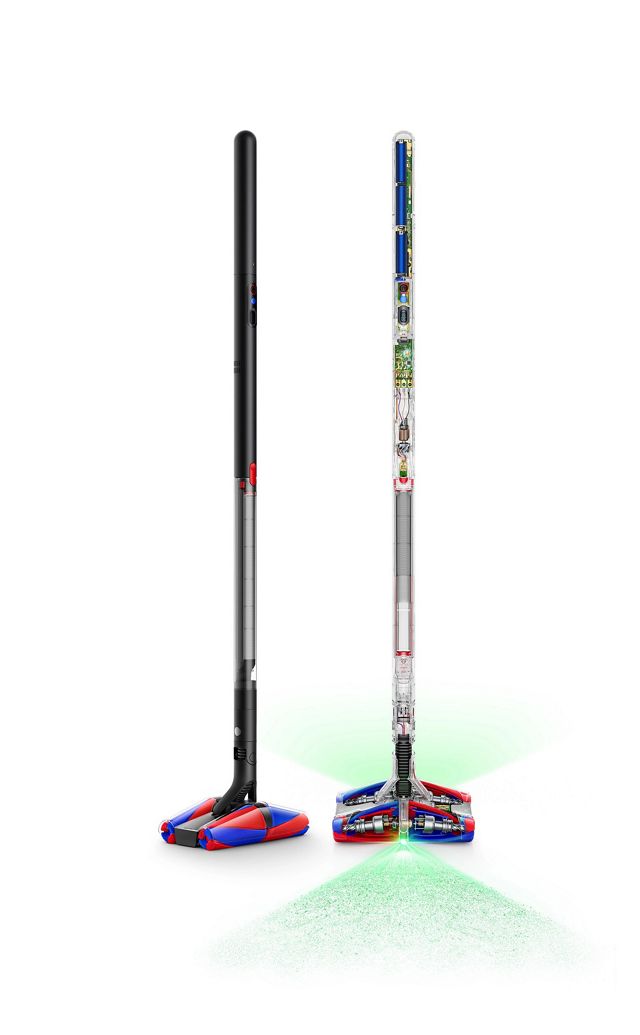
Corded Dyson vacuum lifespan
Corded Dyson vacuums often last longer than cordless models because they do not depend on a rechargeable battery. Their motors receive steady power, and many parts can be cleaned or replaced.
A corded upright Dyson may last 8 to 12 years with regular care. Some continue working longer, especially when used on normal household floors and maintained properly.
The most common corded vacuum problems include:
• A clogged hose or wand
• A worn belt or brush bar
• Dirty filters
• A damaged power cord
• A failing switch
• Motor wear
If the vacuum suddenly loses suction, do not assume the motor has failed. A blockage or dirty filter is much more likely and is often easy to fix.
For many households, the answer to how long should a Dyson vacuum cleaner last is longer when the machine is corded. The trade-off is less convenience and the need to manage a power cord.
:max_bytes(150000):strip_icc()/spr-shark-dyson-mar-25-test-outsize-cordless-vacuum-jkim-0186-af4f14321adc4d60a524ab8339b2a764.jpeg)
How to tell when a Dyson vacuum needs repair
A Dyson may need repair before it reaches the end of its useful life. Watch for changes in sound, suction, smell, and performance.
Loss of suction
Reduced suction often comes from a full bin, dirty filter, blockage, or tangled brush bar. Check these areas before paying for a repair.
If the vacuum still has weak suction after cleaning and clearing every air path, the issue may involve a seal, fan, or motor.
Unusual sounds
A clicking, grinding, or high-pitched sound can signal a damaged brush bar, bearing, or motor. Stop using the vacuum if the sound is severe or if the machine becomes hot.
Continuing to run a vacuum with a damaged part can turn a small repair into a major one.
Burning smell
A burning smell may come from hair wrapped around the brush bar or a slipping belt. Turn the vacuum off, unplug it if applicable, and inspect the cleaner head.
Never ignore smoke, melted plastic, sparks, or a strong electrical smell. These signs require professional inspection or replacement.
Short run time
Short run time usually points to battery wear, but a clogged filter can also make a cordless Dyson shut down early. Clean the machine first, then assess the battery.
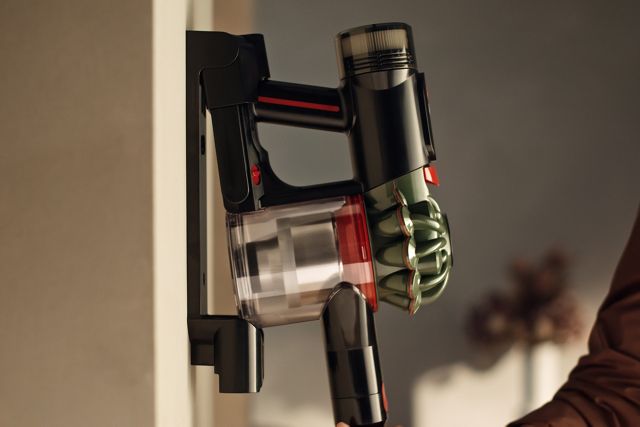
Dyson warranty and repair costs
A warranty can protect you from certain manufacturing defects, but it does not cover every problem. Normal wear, accidental damage, blockages, and some battery issues may have different terms depending on the model and region.
Many Dyson products include a limited warranty that lasts for several years. The exact period can differ between cordless vacuums, corded vacuums, robot models, and accessories. Check your purchase documents and the warranty terms for your specific machine.
Repair costs also vary. A filter or brush bar is usually much cheaper to replace than a motor or main body. Before approving a costly repair, compare the estimate with the price of a newer model.
A useful rule is this:
• Repair the vacuum when the problem is small and the main body remains strong.
• Replace the battery when the cordless vacuum otherwise works well.
• Consider replacement when the motor, battery, cleaner head, and seals all need attention.
This cost check gives a more useful answer to how long should a Dyson vacuum cleaner last than age alone.
:strip_icc()/bhg-detail-dyson-gen-5-defect-cordless-stick-vacuum-dburreson-017-1-441c4900a8174b00b3b1b5af757d78d6.jpeg)
Maintenance routine to make a Dyson last longer
Good care does not need to take much time. A few minutes each week can protect the motor and improve cleaning performance.
After each use
Empty the dust bin if it is near full. Check the cleaner head for visible hair, string, or threads.
If you vacuumed fine dust, such as flour, fireplace ash, or drywall dust, inspect the filters sooner. Very fine particles can restrict airflow quickly.
Every one to four weeks
Clean the brush bar and inspect the wand. Wash reusable filters according to the instructions for your model.
Do not wash a filter unless it is designed to be washed. Also, never reinstall a damp filter. Moisture can damage internal parts and create a musty smell.
Every few months
Inspect seals, attachments, wheels, and charging points. Look for cracks or loose parts.
If your vacuum has a removable battery, check for swelling, damage, or unusual heat. A swollen battery should not be used or thrown into household trash.
Avoid these common mistakes
• Vacuuming liquids with a dry vacuum
• Picking up hot ash or burning material
• Using the vacuum with a blocked filter
• Leaving hair wrapped around the brush bar
• Storing the vacuum in a damp garage
• Using a damaged charger or power cord
These mistakes can reduce how long should a Dyson vacuum cleaner last and may create safety risks.
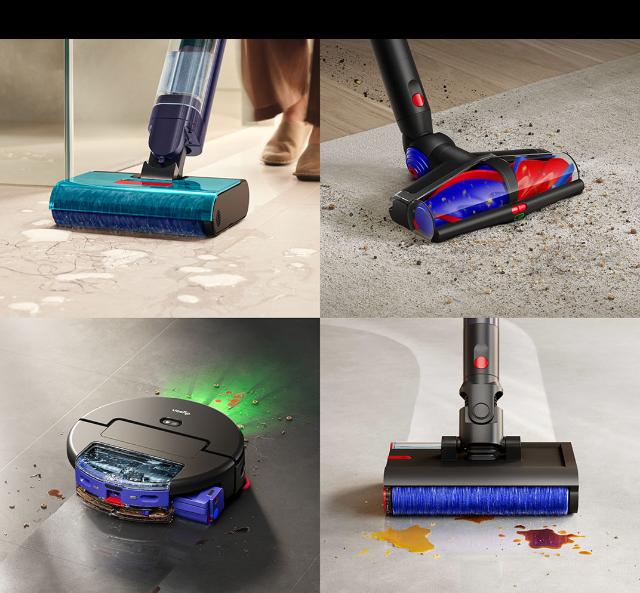
Is a Dyson vacuum worth repairing?
Repairing a Dyson is often worthwhile when the vacuum is less than seven years old and the problem is limited to a battery, filter, hose, cleaner head, or brush bar.
Repair may be less practical when the machine has several major faults. For example, replacing a worn battery and motor on an older cordless vacuum may cost close to the price of a new model.
Before making a choice, consider:
• The vacuum’s age
• The cost of the repair
• The availability of parts
• Your cleaning needs
• The condition of the main body
• The warranty status
A well-kept Dyson with a clean motor and solid body can justify a repair. A neglected machine with repeated faults may be ready for replacement.
In practical terms, how long should a Dyson vacuum cleaner last depends partly on whether repair costs remain reasonable. A ten-year-old vacuum is not automatically finished, and a three-year-old vacuum is not automatically worth fixing.
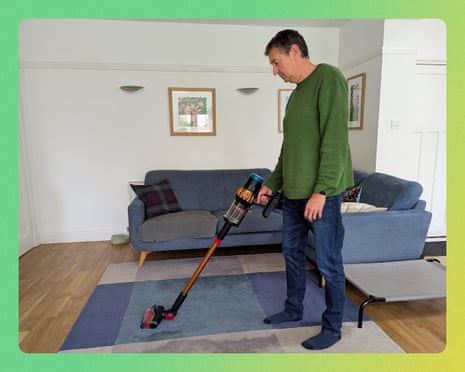
My practical lessons from Dyson ownership and testing
The most common mistake I see with Dyson vacuums is treating reduced suction as proof that the motor has failed. In many cases, the real cause is a clogged filter, packed bin, or brush bar covered in hair.
Another lesson is to avoid using Boost mode for every cleaning job. It feels powerful, but normal mode is usually enough for hard floors and light daily dirt. Saving Boost mode for deep cleaning can reduce battery stress.
I also recommend keeping a small maintenance kit nearby. Scissors, a soft brush, a clean cloth, and a spare filter can solve many everyday problems before they become expensive repairs.
The best way to improve how long should a Dyson vacuum cleaner last is to respond early. Strange sounds, heat, weak suction, and short battery life are warnings, not inconveniences to ignore.
When should you replace a Dyson vacuum cleaner?
Replace your Dyson when repair costs are high, parts are unavailable, or the machine creates a safety concern. A damaged battery, exposed wire, repeated overheating, or burning smell should receive immediate attention.
You may also consider replacement when the vacuum no longer meets your needs. A small cordless model may be excellent for an apartment but frustrating in a large home with thick carpet and several pets.
Before buying a new vacuum, compare:
• Cordless and corded power
• Battery replacement cost
• Filter and accessory availability
• Warranty length
• Floor type performance
• Pet hair features
• Repair support
Choosing a model with replaceable parts can make ownership easier. The cheapest model is not always the least expensive over its full life.
Frequently asked questions about how long should a Dyson vacuum cleaner last
How long should a Dyson cordless vacuum last?
A Dyson cordless vacuum commonly lasts about 5 to 8 years, although the battery may need replacement sooner. Careful maintenance, moderate use, and timely battery replacement can extend its service life.
How long should a Dyson battery last?
A Dyson battery often lasts several years, depending on charging habits, cleaning time, and use of high-power settings. A sharp drop in run time usually means the battery is nearing replacement.
Can a Dyson vacuum last 10 years?
Yes, especially if it is a corded model that receives regular maintenance. Some cordless models can also reach 10 years, but they may need a new battery or cleaner head during that time.
Is it worth replacing a Dyson battery?
Replacing the battery is often worthwhile when the vacuum has strong suction, a healthy motor, and no major damage. Compare the battery price with the age and overall condition of the machine before deciding.
Why is my Dyson losing suction?
A full bin, blocked wand, dirty filter, or tangled brush bar is usually the first place to look. If cleaning these parts does not restore suction, the vacuum may need professional service.
How often should Dyson filters be cleaned?
Many Dyson filters need regular washing, often about once a month under normal use, but the exact schedule depends on the model and household conditions. Homes with pets, dust, or frequent cleaning may require more frequent checks.
Conclusion
A Dyson vacuum cleaner should generally last 7 to 10 years, with corded models often reaching the longer end of that range. Cordless models can also serve for many years, but battery wear is a normal part of ownership.
Empty the bin, clean the filters, clear the brush bar, watch for warning signs, and repair small problems early. These simple steps can make a major difference in how long should a Dyson vacuum cleaner last.
Check your model’s care instructions today, inspect the filter and brush bar, and share your own Dyson lifespan or maintenance experience in the comments.

Liora Pennings is a seasoned chef and kitchen enthusiast with a passion for turning everyday cooking into an effortless experience. With years of hands-on culinary expertise, she specializes in practical techniques, ingredient know-how, and smart kitchen solutions that help home cooks elevate their meals. At KitchFlair.com, Liora shares her best tips, time-saving tricks, and honest product reviews to guide readers toward a more efficient, enjoyable, and inspired cooking routine. Whether you’re a beginner or a seasoned home chef, Liora’s friendly, knowledge-packed insights make every visit to the kitchen a little easier—and a lot more delicious.