Can Ceramic Bowls Go Under The Broiler: Safe Guide
Some ceramic bowls can go under the broiler, but only when the maker clearly labels them broiler-safe.
Knowing whether can ceramic bowls go under the broiler is vital because intense top heat can turn a sound-looking bowl into a safety risk. The answer depends on the clay, glaze, firing method, bowl design, and the maker’s care instructions. This guide explains how to check your bowl, avoid thermal shock, and broil food with confidence.

Can ceramic bowls go under the broiler?
The short answer is: sometimes. Ceramic bowls are not all made to handle broiler heat. Some are fired at high temperatures and designed for ovens, while others may crack, shatter, or release glaze damage when placed close to a broiler flame or heating element.
A broiler often reaches 500°F or more. Unlike normal baking, it sends strong, direct heat onto the top of the dish. This creates a sharp temperature difference between the exposed surface and the cooler parts of the bowl.
When asking can ceramic bowls go under the broiler, check for clear wording such as:
- Broiler-safe
- Oven-safe
- Safe under the broiler
- Suitable for high-temperature cooking
“Oven-safe” does not always mean “broiler-safe.” Some brands approve their bowls for baking but warn against direct heat. The broiler creates a harsher test than most oven settings.
If the bowl has no care label, product guide, or manufacturer information, the safest choice is not to use it under the broiler. Use a metal broiler pan, cast-iron skillet, or a dish specifically marked for broiling instead.

Why ceramic bowls can crack under broiler heat
Ceramic is strong, but it is not immune to sudden temperature changes. The main danger is thermal shock.
Thermal shock happens when one part of the bowl heats or cools much faster than another part. The hot area expands first. The cooler area resists that movement. This creates stress inside the ceramic, much like bending a dry cracker.
A bowl may crack for several reasons:
- The top edge becomes very hot while the base stays cool.
- A cold bowl is placed directly under a hot broiler.
- The bowl has a tiny chip or hairline crack.
- Moisture trapped in the ceramic turns to steam.
- The bowl contains different materials that expand at different rates.
- The dish is placed on a cold, wet surface after broiling.
Glaze can also hide damage. A bowl may look perfect but contain small flaws from past use. Repeated heating can make those flaws grow until the bowl fails.
In practical kitchen tests, the most common mistake is moving a cold ceramic dish straight from the refrigerator to the broiler. Even a high-quality bowl can fail when exposed to that sudden change.

Which ceramic bowls are usually broiler-safe?
Ceramic cookware made for high heat is often built with heat-resistant clay and a compatible glaze. Some stoneware and porcelain products can handle broiling, but the label matters more than the material name alone.
Stoneware is dense and durable, but not every stoneware bowl is broiler-safe. Porcelain is often fired at a high temperature, yet a thin decorative porcelain bowl may still be unsuitable for direct heat.
Look for these product clues:
- A broiler-safe symbol on the base or packaging
- Instructions that allow direct heat
- A temperature limit that covers broiling
- A product description made for gratins, crème brûlée, or baked dips
- A trusted manufacturer’s care guide
Small ramekins designed for crème brûlée may be made for intense top heat. A handmade serving bowl may be beautiful and strong, but it may not have the same tested performance.
When people ask can ceramic bowls go under the broiler, they often focus only on the word “ceramic.” The better question is whether that exact bowl was tested for direct high heat.

Ceramic bowls that should not go under the broiler
Some bowls carry clear warning signs. Others seem safe but still pose a risk.
Do not place a ceramic bowl under the broiler if it has:
- No heat-use instructions
- Gold, silver, or metallic trim
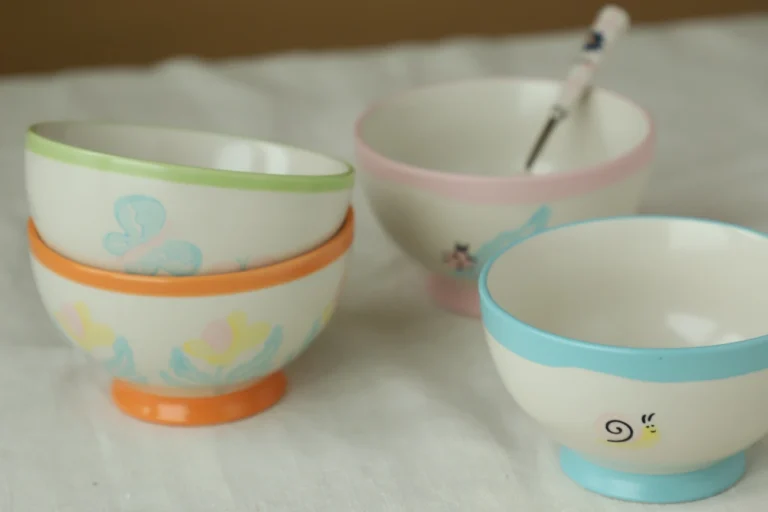
- Decorative paint or decals
- Cracks, chips, or deep scratches
- A very thin wall
- A wooden, plastic, or silicone part
- A cold or frozen interior
- A manufacturer warning against direct heat
- A handmade finish with unknown firing details
Metallic trim can spark or discolor under broiler heat. Decorative finishes may blister, fade, or produce unpleasant odors. A damaged bowl is especially risky because heat can widen a small flaw.
Avoid using a bowl that has just come from the freezer. Frozen food can keep the center cold while the outside heats rapidly. That uneven stress is a common cause of breakage.
If you are unsure can ceramic bowls go under the broiler, do not test the answer with your favorite bowl. A replacement dish costs far less than a burn, broken glasslike shards, or a damaged oven.

How to check if a ceramic bowl is broiler-safe
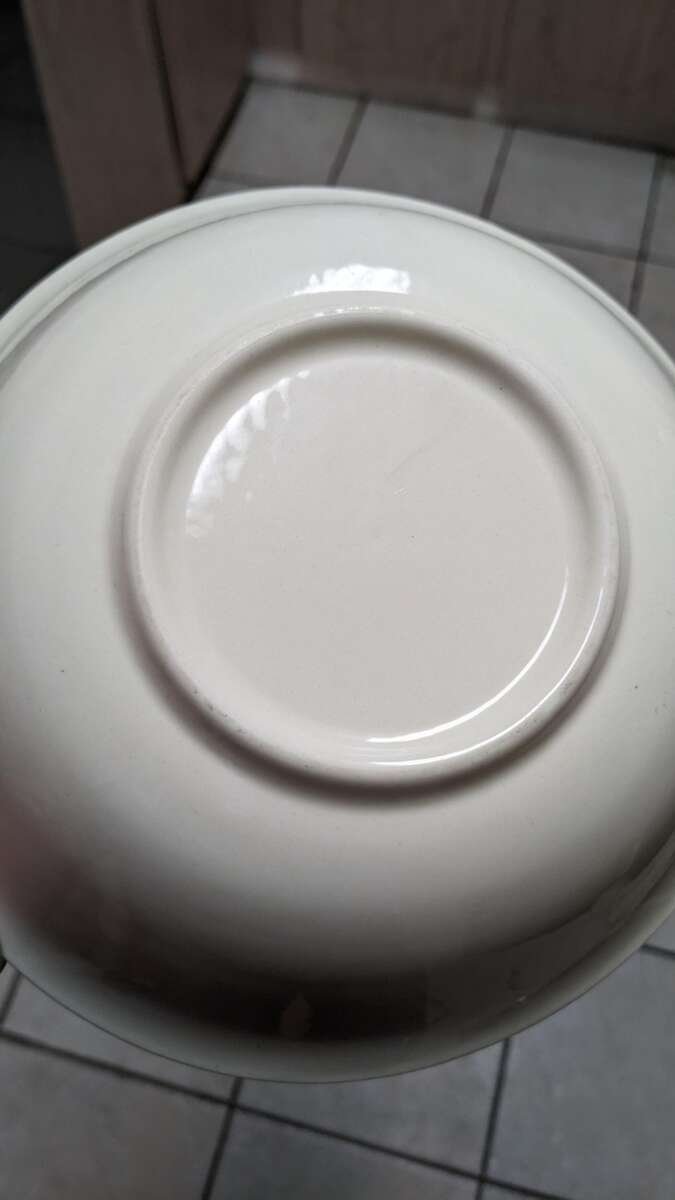
Start with the bowl itself. Turn it over and inspect the base for symbols or printed care information. Some brands place the instructions on a small label, while others include them only in the product guide.
Next, search for the exact product name and model. Similar bowls from the same brand may have different heat limits. Do not assume that one collection is safe simply because another collection is.
Use this simple check:
- Read the base, packaging, and care guide.
- Confirm that the words “broiler-safe” appear.
- Check the maximum temperature if one is listed.
- Inspect the bowl for chips, cracks, and uneven glaze.
- Make sure it has no metallic decoration.
- Confirm that the food and bowl are not frozen or refrigerator-cold.
- Follow the maker’s placement instructions.
Some manufacturers say to place their dish in a cold oven and let it warm gradually. Others allow use only in a preheated oven. Follow the maker’s exact instructions because heat limits vary.
A general temperature rating is helpful, but it is not a complete answer. Broiler safety also depends on distance from the heating element, heating speed, bowl thickness, and whether the dish sits under direct flame.
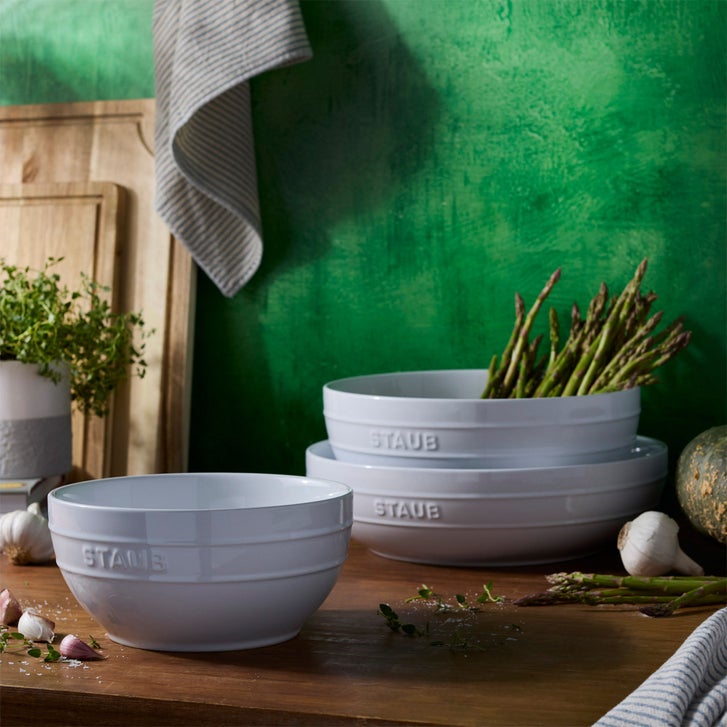
How to use a broiler-safe ceramic bowl safely
Even when a bowl is labeled broiler-safe, use it with care. Broiler-safe does not mean break-proof.
Follow these steps:
- Use a bowl that is clean, dry, and free from damage.
- Fill it with food before placing it under the broiler.
- Leave room at the top so bubbling food does not spill.
- Place the bowl on a sturdy baking sheet if the manufacturer allows it.
- Keep the bowl at the distance stated in the care instructions.
- Watch the food closely because broilers work fast.
- Use dry oven mitts when removing the bowl.
- Set the hot bowl on a dry, heat-resistant surface.
- Let it cool naturally before washing it.
Never pour cold water into a hot ceramic bowl. Do not place a hot bowl on a wet counter, cold stone surface, or metal sink. These sudden changes can cause the ceramic to crack.
A baking sheet adds support and catches spills. It does not make an unsafe bowl safe, but it can make handling easier and reduce the chance of dropping a hot dish.

Foods that work well in broiler-safe ceramic bowls
Broiler-safe ceramic bowls are useful for dishes that need a browned or melted top. The bowl should be suitable for the recipe and the heat level.
Common examples include:
- French onion soup with melted cheese
- Baked spinach and artichoke dip
- Small servings of macaroni and cheese
- Crème brûlée in approved ramekins
- Baked eggs
- Individual fruit crisps
- Shepherd’s pie portions
- Nacho-style dips
- Toasted breadcrumbs over pasta or vegetables
Keep liquid foods below the rim. Broiling can cause bubbling, sputtering, and sudden spills. Thick sauces may also heat unevenly, so stir or rotate the dish only if the manufacturer permits it.
For cheese toppings, use a short broil time and stay nearby. Cheese can change from golden to burnt in less than a minute. The same rule applies to sugar toppings and breadcrumbs.

Broiler-safe ceramic bowls versus other cookware
A metal pan is usually the most predictable choice for broiling. It heats quickly and handles direct heat well. Cast iron also performs strongly, though its handle and surface become extremely hot.
Glass cookware is different. Some tempered glass dishes are oven-safe, but many are not approved for broiling or stovetop use. Always check the glass maker’s instructions.
Stoneware and porcelain may work well, but their safety depends on design and testing. A thick, approved baking ramekin is not the same as a decorative porcelain soup bowl.
Here is a simple comparison:
- Metal: Usually reliable for broiling, but it may react with acidic foods and become very hot.
- Cast iron: Excellent heat strength, but heavy and slow to cool.
- Approved ceramic: Attractive and useful for serving, but it must be checked for broiler approval.
- Glass: Use only when the maker clearly allows broiling.
- Decorative pottery: Best kept for serving unless direct-heat safety is confirmed.
This comparison explains why can ceramic bowls go under the broiler cannot be answered by material alone. The design and manufacturer’s testing matter just as much.
Common mistakes to avoid
Many broiler accidents come from small oversights rather than reckless use. Avoid these common errors:
- Assuming all ceramic is heatproof
- Confusing oven-safe with broiler-safe
- Using a bowl with a hidden crack
- Placing a cold bowl under intense heat
- Setting a hot bowl on a wet surface
- Touching the bowl without proper mitts
- Leaving the broiler unattended
- Using metallic decorations
- Filling the bowl to the rim
- Washing the hot bowl right away
One lesson I learned early is to inspect the bottom and rim every time, even when I have used the dish before. Small chips often appear after repeated washing or contact with other dishes.
Another useful habit is to keep a metal pan beneath approved ceramic dishes. It gives the bowl support and makes it easier to move. Still, I never use that extra pan as a reason to ignore the bowl’s safety label.
What to do if a ceramic bowl cracks under the broiler
Turn off the broiler and let the oven cool before handling the dish. Do not grab the bowl immediately, even if the crack looks small.
If the bowl breaks:
- Keep the oven door closed until the pieces cool.
- Wear thick oven mitts and closed-toe shoes.
- Remove large pieces with suitable tools.
- Do not use bare hands to collect fragments.
- Clean the oven after it is fully cool.
- Throw away food that may contain ceramic pieces.
- Stop using the bowl, even if the damage seems minor.
Do not try to repair a cracked bowl for cooking. Glue and household repairs are not designed for high heat or food contact. A bowl that has cracked once should be treated as unsafe for future cooking.
Frequently Asked Questions About Can Ceramic Bowls Go Under the Broiler
Can all ceramic bowls go under the broiler?
No. Only ceramic bowls clearly labeled or documented as broiler-safe should be used under a broiler. Ceramic type, glaze, thickness, and design all affect heat performance.
Is oven-safe ceramic also broiler-safe?
Not always. Oven-safe may refer to steady, indirect heat, while broiling uses intense direct heat from above. Check the manufacturer’s instructions for specific broiler approval.
Can porcelain bowls go under the broiler?
Some porcelain bowls can, but others cannot. Use porcelain under the broiler only when the maker confirms that the exact product is safe for direct high heat.
Can a cold ceramic bowl go under the broiler?
It is best to avoid placing a refrigerator-cold or frozen ceramic bowl under a hot broiler. The sudden temperature change can cause thermal shock and breakage.
How close can a ceramic bowl be to the broiler?
There is no single safe distance for every bowl. Follow the manufacturer’s directions, and use a greater distance or shorter cooking time if the instructions are unclear.
Can ceramic bowls with gold trim go under the broiler?
No, unless the manufacturer specifically approves it. Metallic trim may spark, discolor, or become damaged under intense broiler heat.
What is the safest alternative to a ceramic bowl under the broiler?
Use a metal broiler pan, cast-iron skillet, or a tested broiler-safe ramekin. These options are usually more predictable under direct high heat.
Conclusion
So, can ceramic bowls go under the broiler? Yes, but only when the exact bowl is labeled for broiler use and is free from damage. Never rely on appearance or the word “ceramic” alone.
Check the care instructions, avoid thermal shock, remove metallic decorations from consideration, and handle hot dishes with dry oven mitts. When there is any doubt, choose metal cookware instead.
Use these steps the next time you prepare melted cheese, baked dip, or crème brûlée. For more kitchen safety tips, explore related cookware guides or share your own broiler experience in the comments.

Liora Pennings is a seasoned chef and kitchen enthusiast with a passion for turning everyday cooking into an effortless experience. With years of hands-on culinary expertise, she specializes in practical techniques, ingredient know-how, and smart kitchen solutions that help home cooks elevate their meals. At KitchFlair.com, Liora shares her best tips, time-saving tricks, and honest product reviews to guide readers toward a more efficient, enjoyable, and inspired cooking routine. Whether you’re a beginner or a seasoned home chef, Liora’s friendly, knowledge-packed insights make every visit to the kitchen a little easier—and a lot more delicious.