
Use fresh water, white vinegar or a manufacturer-approved descaler, mild dish soap, and a soft brush.
Knowing what to use to clean coffee maker parts can protect your machine, improve flavor, and remove mineral scale, coffee oils, and hidden residue. The best method depends on the coffee maker type, water hardness, and the instructions in your owner’s manual. This guide explains safe cleaners, proven steps, common mistakes, and simple routines you can use at home.

What to use to clean a coffee maker
The right cleaner depends on the part you are washing. A coffee maker has several areas, and each one needs a slightly different approach.
- Fresh water works for rinsing the tank, carafe, and removable parts.
- Mild dish soap cleans the carafe, filter basket, lid, and removable tray.
- White vinegar can help dissolve mineral buildup in many basic drip coffee makers.
- A commercial coffee maker descaler is often the safest choice for espresso machines, pod machines, and machines with special coatings.
- Baking soda can help remove odors from a carafe, but it is not a strong descaler.
- A soft bottle brush, microfiber cloth, or old toothbrush helps clean narrow spaces.
- A clean sponge removes coffee oils without scratching plastic or glass.
When deciding what to use to clean coffee maker parts, avoid chlorine bleach, abrasive powders, steel wool, and strong household cleaners. These products can leave harmful residue, damage seals, or scratch surfaces.
Always check the owner’s manual first. Some manufacturers allow vinegar, while others recommend a branded descaling solution only. The manual is especially important for automatic espresso makers and single-serve machines.

Why coffee makers need regular cleaning
Coffee makers collect more than you can see. Coffee oils stick to the filter basket and carafe. Minerals from tap water form scale inside the heating system. Water tanks can also develop a slimy film if they stay damp for long periods.
Scale acts like a thin blanket around the heating parts. It can slow water flow, lower brewing temperature, and make the machine work harder. The result may be weak coffee, longer brew times, odd noises, or a bitter taste.
A dirty coffee maker can also affect the smell of fresh coffee. Even a high-quality roast may taste stale when old oils remain in the basket or spray head.
Cleaning does not need to be difficult. A simple rinse after each use, a weekly wash, and regular descaling can keep most machines in good shape.
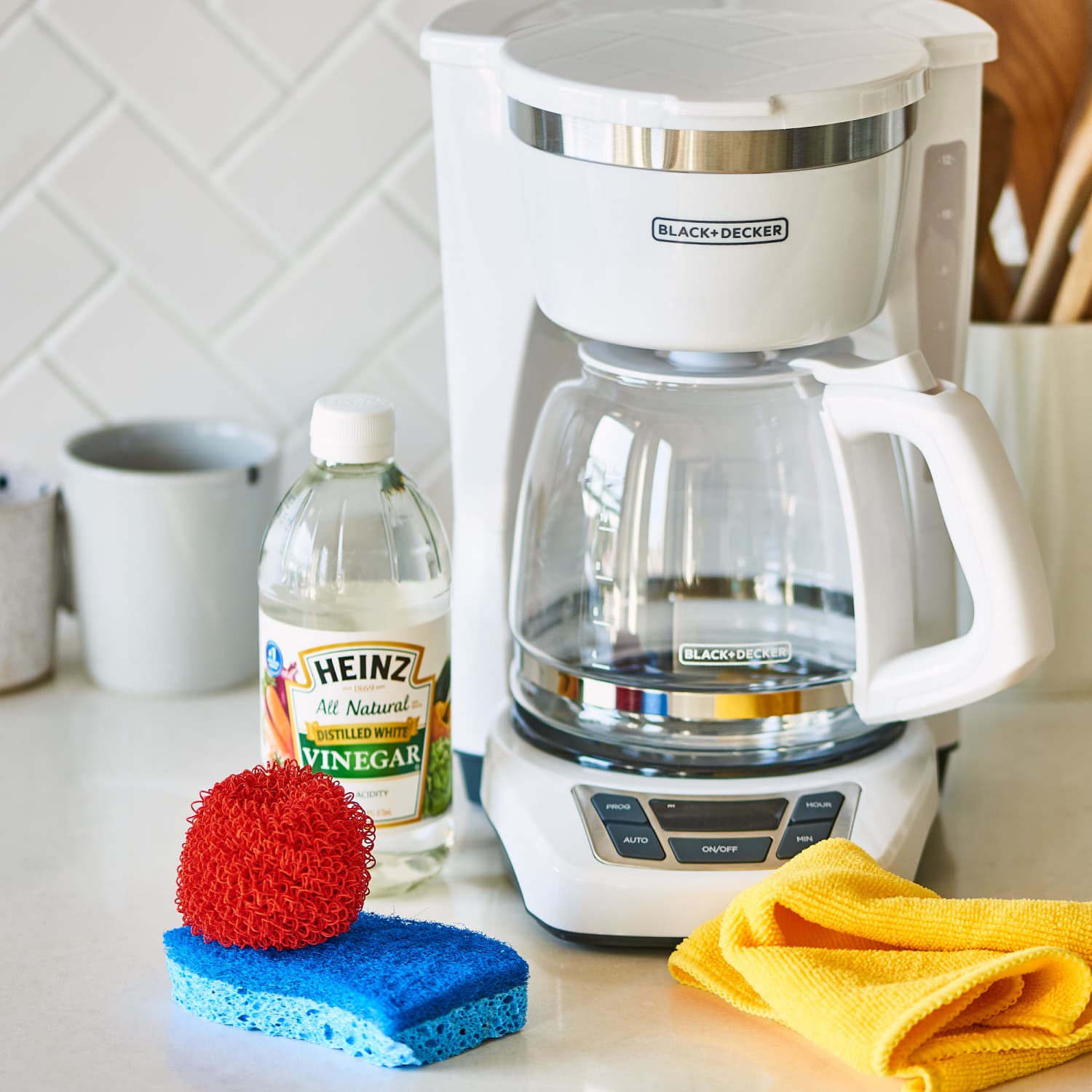
What to use to clean coffee maker parts
Different parts need different cleaning methods. Treat the machine like a small kitchen appliance, not like one single object.
Water reservoir
Use warm water and a small amount of mild dish soap if the reservoir is removable. Rinse it well so no soap remains.
For a fixed reservoir, wipe the inside with a soft, damp cloth. Do not immerse the electrical base or pour water near control panels, cords, or vents.
Carafe
Use warm water, mild dish soap, and a soft sponge. For coffee stains, fill the carafe with warm water and add a small amount of baking soda. Let it sit for 15 to 30 minutes, then scrub gently and rinse.
Do not use abrasive cleaners on a glass carafe. They can create tiny scratches that weaken the glass over time.
Filter basket
Wash the basket after every use or at least several times a week. Coffee oils become sticky as they dry, so a quick rinse is easier than removing old residue later.
A soft toothbrush can clean the small holes in reusable metal or plastic filters. Hold the basket up to the light after washing to make sure the openings are clear.
Spray head and lid
Wipe the spray head with a clean, damp cloth. If coffee grounds or scale block the holes, use a soft toothbrush or a wooden toothpick with care.
Do not force sharp objects deep into the machine. You could damage the spray system or push debris farther inside.
Warming plate
Unplug the coffee maker and let the plate cool. Wipe it with a damp cloth and mild dish soap, then dry it fully.
Never pour cleaner directly onto the warming plate. Liquid can enter the electrical parts below it.

How to clean a drip coffee maker with vinegar
White vinegar is a common answer to what to use to clean coffee maker mineral buildup. It contains acetic acid, which can loosen calcium deposits caused by hard water.
Use this method only if your machine’s manual permits vinegar.
- Remove the used coffee grounds and paper filter.
- Empty and rinse the carafe.
- Mix equal parts white vinegar and water.
- Pour the mixture into the water reservoir.
- Start a brew cycle, then pause it halfway if your machine allows.
- Let the mixture sit for about 30 minutes.
- Finish the cycle.
- Empty the carafe.
- Run two or three full cycles with fresh water.
- Smell and taste the final rinse water before brewing coffee.
Do not use apple cider vinegar, balsamic vinegar, or flavored vinegar. These products can leave color, sugar, or strong odors behind.
If the machine still smells like vinegar, run more fresh-water cycles. A lingering odor usually means the solution was too strong or the machine was not rinsed enough.
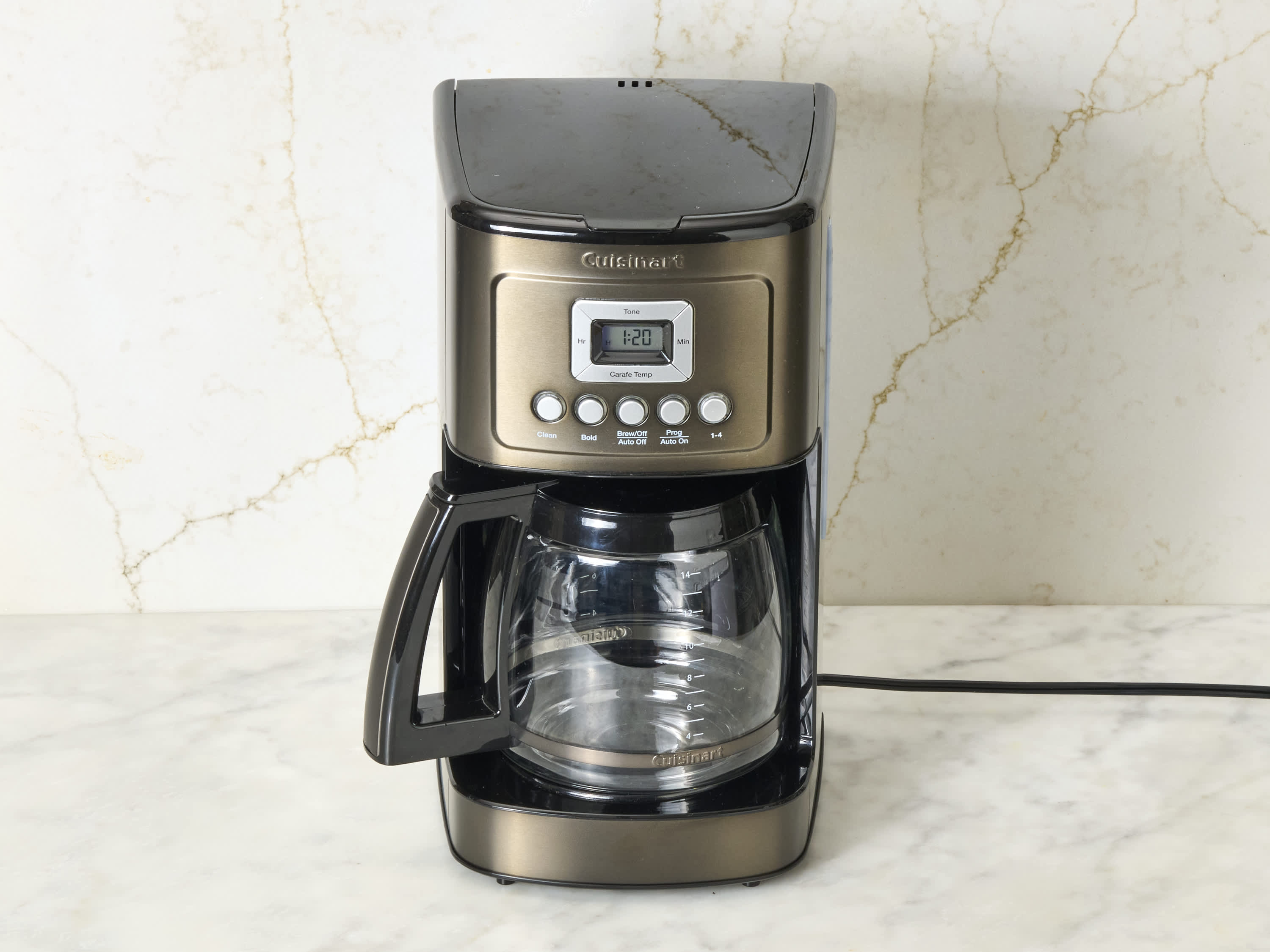
How to use a coffee maker descaler
A commercial descaler is often the best answer to what to use to clean coffee maker systems with electronic controls, pumps, or narrow internal tubes. Descalers are made to break down mineral deposits while reducing the risk of damage when used correctly.
Read the product label before starting. Concentrations vary, so never guess the amount.
- Remove coffee grounds, pods, or capsules.
- Empty the water tank and carafe.
- Add the recommended amount of descaler and water.
- Run the cleaning or brew cycle.
- Pause the cycle if the instructions say to do so.
- Empty the solution from the carafe.
- Rinse the tank.
- Run the required number of fresh-water rinse cycles.
- Wash the carafe and removable parts before making coffee.
Descaling removes mineral scale, but it does not replace daily washing. A machine can be free of scale and still contain old coffee oils.
For pod machines, check whether the manufacturer sells or recommends a special cleaning cycle. Some machines require a cleaning tablet for coffee oils and a separate descaler for mineral buildup.
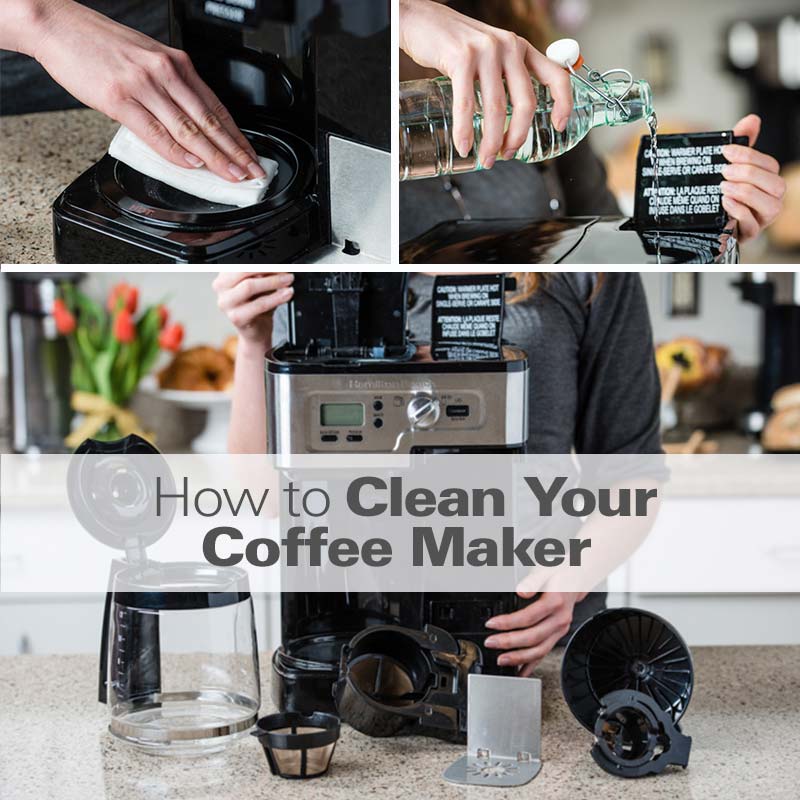
How to clean a single-serve coffee maker
Single-serve machines need extra care because their needle, water path, and pod holder can trap coffee grounds. When choosing what to use to clean coffee maker parts in a pod machine, use mild dish soap for removable parts and the approved descaler for the internal system.
Start by unplugging the machine if you are washing parts by hand. Remove the pod holder, drip tray, water tank, and lid when the manual says they are removable.
- Wash removable parts with warm water and mild dish soap.
- Use a soft brush around the pod holder.
- Check the entrance and exit needles for trapped grounds.
- Wipe the outside with a damp microfiber cloth.
- Run the manufacturer’s cleaning or descaling cycle.
- Follow with fresh-water rinse cycles.
Never place electrical parts in water. Also, do not poke blocked needles while the machine is plugged in.
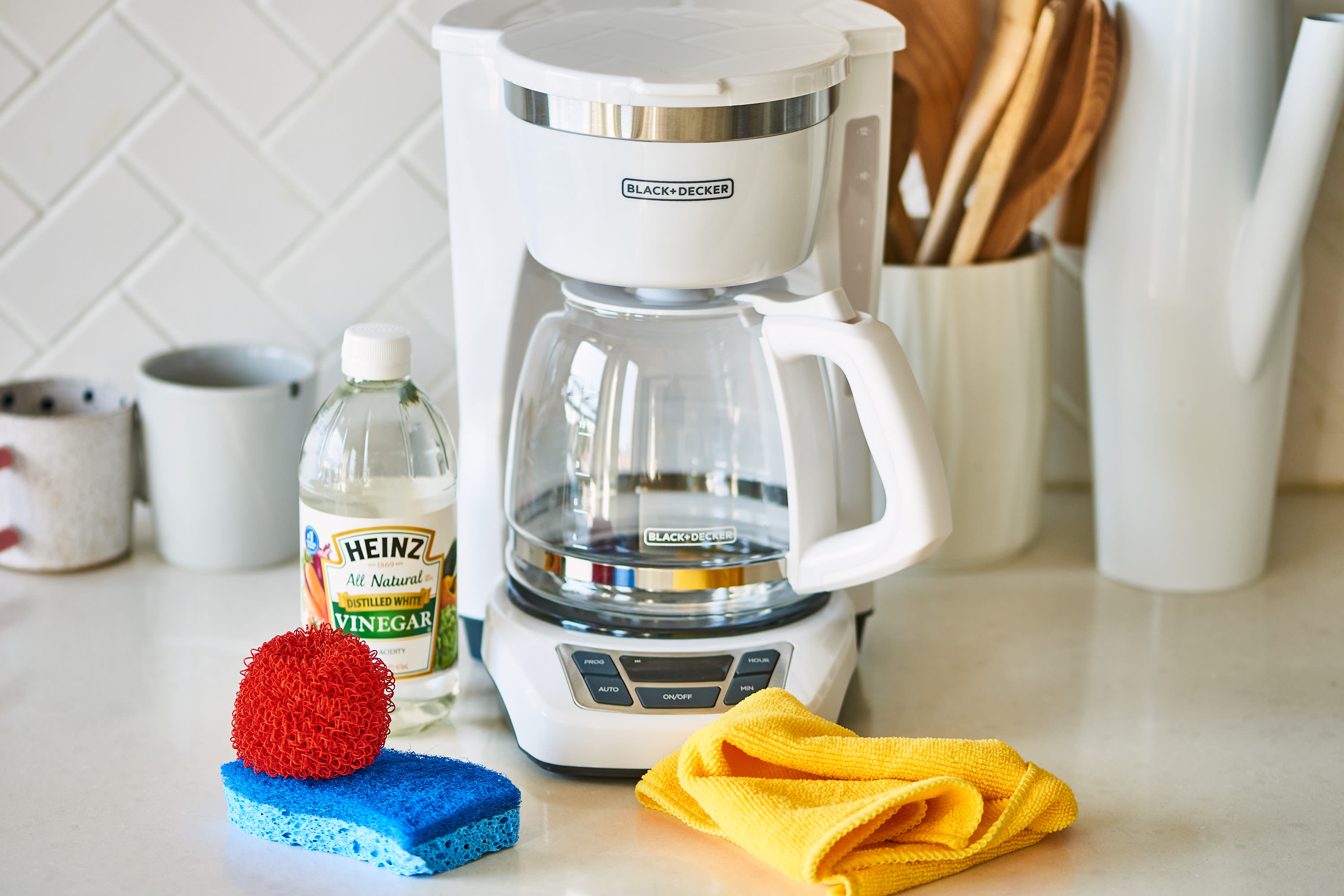
How to clean an espresso machine
Espresso machines need daily, weekly, and monthly care. Coffee oils can build up quickly because espresso passes through a compact filter and group head under pressure.
For daily cleaning:
- Remove and rinse the portafilter and basket.
- Flush the group head with clean water.
- Wipe the steam wand after every use.
- Purge the steam wand for a few seconds after wiping it.
- Empty and rinse the drip tray.
For deeper cleaning, use an espresso machine cleaning tablet or powder approved for your model. These products target coffee oils and are different from mineral descalers.
Do not use vinegar in an espresso machine unless the manufacturer clearly permits it. Vinegar may affect metal parts, seals, or internal components in some machines.
If the steam wand has dried milk, soak only the removable tip if the instructions allow it. Dried milk is a food safety concern, so clean it promptly rather than waiting until the next day.
What not to use to clean coffee maker
Knowing what not to use is just as important as knowing what to use to clean coffee maker surfaces and internal parts.
Avoid these products and methods:
- Bleach, because residue can remain in water pathways and damage some materials.
- Ammonia, because it is too harsh for many appliance parts.
- Glass cleaner, because it is not designed for surfaces that contact drinking water.
- Steel wool, because it scratches metal, plastic, and glass.
- Abrasive powders, because they can wear away finishes.
- Boiling water in plastic tanks, because heat can deform some components.
- Undiluted vinegar, because strong acid may damage seals or finishes.
- Lemon juice with sugar or pulp, because it can leave sticky residue.
- Running soap through the internal brew system, because it is hard to rinse out fully.
I once saw a coffee maker develop a persistent soapy taste after someone ran dish soap through the reservoir. The fix required many rinse cycles, and the machine still needed a new filter basket. Soap belongs on removable parts, not inside the brewing path.
How often should you clean a coffee maker?
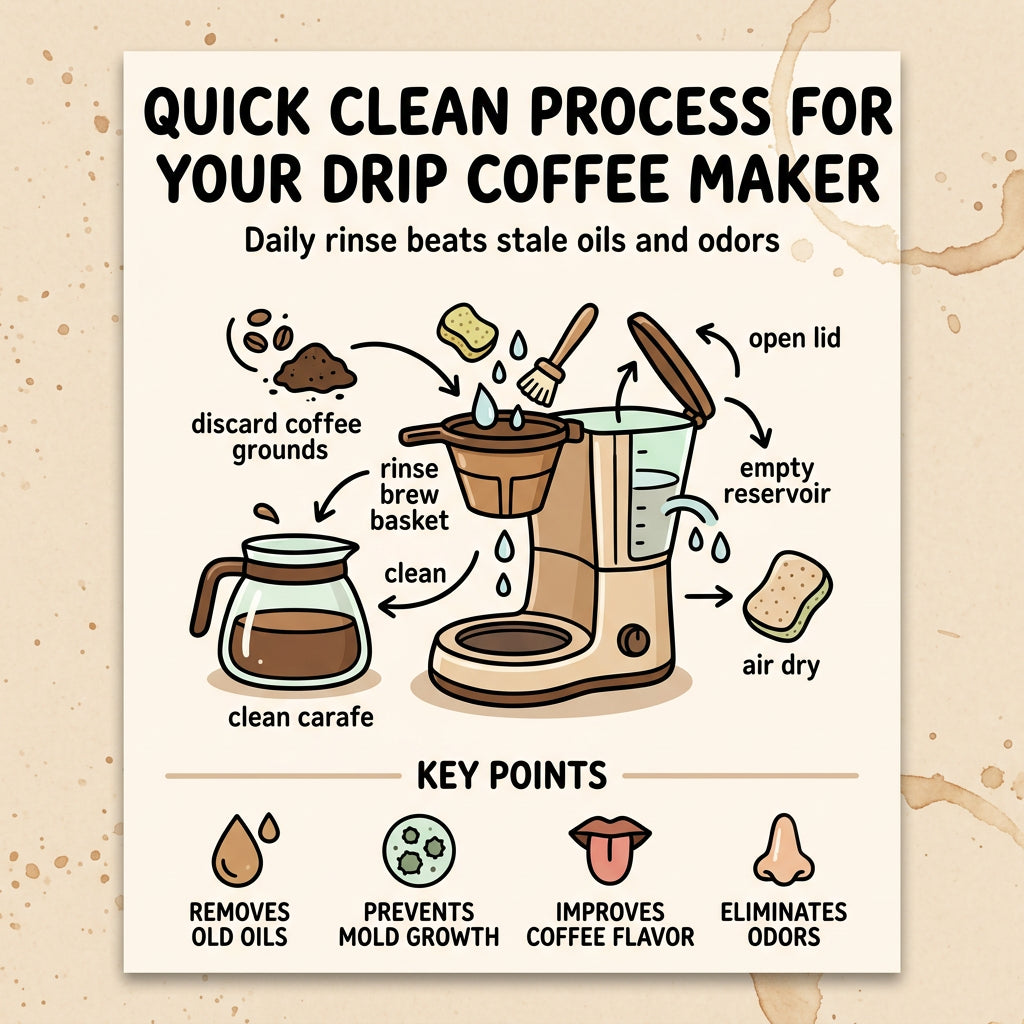
The best schedule depends on use, water quality, and the machine design. A busy household that brews several pots each day needs more frequent cleaning than someone who uses a machine once a week.
A practical schedule looks like this:
- After every use: Empty grounds, rinse the basket, and empty leftover water.
- Daily: Wash the carafe and wipe spills.
- Weekly: Wash removable parts and wipe the reservoir.
- Every one to three months: Descale the machine.
- Every month: Inspect the spray head, filter basket, seals, and water tank.
- After long storage: Wash, rinse, and run a cleaning cycle before brewing.
Hard water may require monthly descaling. Soft or filtered water may allow a longer interval. Slow brewing, white flakes, unusual noise, or a bitter taste are signs that your machine may need attention sooner.
Vinegar versus commercial descaler
Both vinegar and commercial descaler can remove mineral deposits, but they are not identical.
Vinegar is inexpensive and easy to find. It works well for some basic drip coffee makers, especially when the manual allows it. However, its smell can linger, and it may not be suitable for machines with sensitive pumps, seals, or special coatings.
Commercial descaler usually has clearer instructions and is designed for appliance use. It may cost more, but it is often the better choice for espresso makers, pod machines, and expensive coffee equipment.
In my experience, the safest rule is simple: use vinegar only when the manufacturer approves it. Otherwise, choose the recommended descaler and follow the stated dilution exactly.
Tips for cleaner coffee and a longer-lasting machine
Cleaning removes buildup, but daily habits prevent much of it from returning.
- Use fresh, cold water for each brew.
- Empty the filter basket soon after brewing.
- Do not leave wet grounds in the machine overnight.
- Leave the water tank lid open so the inside can dry.
- Use filtered water if your tap water is hard.
- Store the carafe with the lid slightly open after washing.
- Do not overfill the reservoir.
- Keep the machine away from heat and steam.
- Replace charcoal water filters according to the manual.
- Let removable parts dry fully before reassembly.
Filtered water can reduce mineral deposits, but it does not remove the need for descaling. Also, avoid assuming bottled water is always better. Some bottled waters contain enough minerals to contribute to scale.
Common cleaning mistakes to avoid
Many cleaning problems come from good intentions used in the wrong way. More cleaner does not always mean a cleaner machine.
One common mistake is using too much vinegar. A stronger mixture may smell powerful, but it can be harder to rinse and may stress certain materials. Another mistake is running only one water cycle afterward.
People also forget the parts they can see. A clean internal tube does not help much if the filter basket is coated with old coffee oil. The carafe lid, reusable filter, pod holder, and drip tray deserve regular attention.
Finally, do not clean a hot machine. Unplug it, let it cool, and then wash removable parts. This protects both you and the appliance.
Frequently asked questions about what to use to clean coffee maker
Can I use white vinegar to clean my coffee maker?
You can use diluted white vinegar in many basic drip coffee makers, but check the owner’s manual first. Run several fresh-water cycles afterward to remove the taste and smell.
Is baking soda good for cleaning a coffee maker?
Baking soda is useful for removing odors and stains from a carafe or removable parts. It is not the best choice for dissolving mineral scale inside the machine.
Can I use dish soap inside a coffee maker?
Use mild dish soap only on removable parts such as the carafe, basket, lid, and tray. Do not run dish soap through the water reservoir because it can create lasting foam and residue.
What is the best cleaner for a Keurig or other pod machine?
Use mild dish soap for removable parts and the manufacturer-approved descaler for the internal water system. Follow the machine’s cleaning instructions, especially for the pod holder and entrance needle.
How often should I descale my coffee maker?
Many machines need descaling every one to three months. Descale sooner if you have hard water, brew often, or notice slow flow, white flakes, strange sounds, or a change in flavor.
Can I use lemon juice instead of vinegar?
Lemon juice may loosen some mineral deposits, but it is less predictable and can leave pulp or scent behind. A manufacturer-approved descaler is usually a more reliable choice.
How many times should I rinse after cleaning?
Run at least two full cycles with fresh water after vinegar or descaler unless the product instructions require more. Continue rinsing until the water has no cleaner smell.
Conclusion
The best answer to what to use to clean coffee maker parts is simple: mild dish soap for removable pieces, fresh water for rinsing, and vinegar or an approved descaler for mineral buildup when the manual allows it. Use coffee machine cleaning tablets for coffee oils when recommended, and avoid bleach, abrasives, and soap inside the brewing path.
Start with a gentle weekly wash and set a reminder to descale every one to three months. Your coffee will taste fresher, your machine will work more smoothly, and small cleaning habits can help it last longer. Check your manual today, clean the parts you can reach, and share your favorite coffee maker care tip in the comments.

Liora Pennings is a seasoned chef and kitchen enthusiast with a passion for turning everyday cooking into an effortless experience. With years of hands-on culinary expertise, she specializes in practical techniques, ingredient know-how, and smart kitchen solutions that help home cooks elevate their meals. At KitchFlair.com, Liora shares her best tips, time-saving tricks, and honest product reviews to guide readers toward a more efficient, enjoyable, and inspired cooking routine. Whether you’re a beginner or a seasoned home chef, Liora’s friendly, knowledge-packed insights make every visit to the kitchen a little easier—and a lot more delicious.



One Comment