How Does A Popcorn Maker Work: Simple Guide
A popcorn maker heats kernels until trapped moisture turns to steam, builds pressure, and bursts the hull into fluffy popcorn.
Understanding how does a popcorn maker work helps you choose the right machine, use it safely, and get better results from every batch. Whether you use a hot-air popper, a stovetop kettle, or a theater-style machine, the basic science is the same: heat changes water inside the kernel into steam until pressure makes the kernel pop.
How Does a Popcorn Maker Work?
A popcorn maker works by heating popcorn kernels to a point where the water inside them becomes steam. Each kernel contains a small amount of moisture, usually around 13% to 15%. Its hard outer shell holds that moisture in while the temperature rises.
As the kernel heats, the water expands into steam. Pressure builds inside the shell until the hull can no longer contain it. The kernel then ruptures, and the soft starch inside expands into the white, familiar shape we eat.
Most popcorn makers use one of three heating methods:
• Hot air circulates around the kernels without oil.
• A heated plate or kettle cooks kernels with oil.
• A stovetop pot transfers heat through its base and walls.
The key point is that the machine does not create popcorn through a special chemical process. It manages heat, airflow, oil, and timing so the natural popping process happens quickly and evenly.
The Science Inside a Popcorn Kernel
A popcorn kernel has three main parts:
• The pericarp is the tough outer hull that holds in steam.
• The endosperm is the starchy interior that expands during popping.
• The germ is the small part that contains the seed’s oils and nutrients.
When heated, the moisture in the endosperm turns into steam. The starch softens and becomes more flexible. Once the pressure reaches roughly 135 pounds per square inch, the hull breaks open and the starch expands rapidly.
This is why regular corn does not pop like popcorn. Sweet corn and field corn have different moisture levels and shell structures. Only special varieties, such as mushroom and snowflake popcorn, have the right mix of moisture and hard outer coating.
The answer to how does a popcorn maker work becomes clearer when you think of each kernel as a tiny pressure vessel. The machine supplies steady heat, while the kernel supplies the steam and starch needed for the explosion.
Why Some Kernels Do Not Pop
Unpopped kernels are often called “old maids.” They may fail for several reasons:
• The kernel has lost too much moisture during storage.
• The hull is cracked, so steam escapes.
• The heat is too low or uneven.
• The kernels are crowded and do not receive enough heat.
• The popcorn variety is not suited to the machine.
Store popcorn in a sealed container at room temperature. Do not refrigerate or freeze it, because temperature changes can affect moisture balance.
:max_bytes(150000):strip_icc()/why-i-love-my-whirly-pop-popcorn-maker-6e847a3338864f00aa494971e7b13765.jpg)
How a Hot-Air Popcorn Maker Works
A hot-air popcorn maker uses a heating element and a small fan. The heating element warms the air, and the fan pushes that hot air through the popping chamber. The moving air heats the kernels and also lifts the popped corn into a serving bowl.
This design does not need oil to pop the kernels. That makes it popular with people who want a light snack or who prefer to add butter and salt after popping.
The process usually follows these steps:
-
You pour kernels into the popping chamber.
-
The machine heats air with an electric coil.
-
A fan forces hot air around the kernels.
-
The kernels heat until their internal steam pressure breaks the hull.
-
The expanding popcorn moves through the chute and into a bowl.
A hot-air popper works best with a bowl that leaves space above the chute. If the bowl is too small, popcorn may spill onto the counter or block the outlet.
Benefits of Hot-Air Poppers
Hot-air machines offer several advantages:
• They need little or no added oil.
• They are usually quick and simple to use.
• They create less mess than oil-based machines.
• They make it easy to control butter, salt, and seasoning.
• They often cost less than large kettle poppers.
Their main weakness is flavor. Oil helps carry salt and seasoning across the popcorn. Air-popped corn can taste dry unless you add melted butter, cooking spray, cheese powder, or another topping.
In practical use, one common mistake is filling the chamber too much. A small machine may pop only a few tablespoons of kernels at once. Follow the fill line if the maker has one.
:max_bytes(150000):strip_icc()/fw-best-popcorn-makers-tout-badge-2bf9b70d509b44879599572f93e7b9fa.jpg)
How an Oil Popcorn Maker Works
An oil popcorn maker heats kernels in a pot, kettle, or cooking chamber with a small amount of oil. The oil transfers heat more evenly than dry air and helps coat the kernels with flavor.
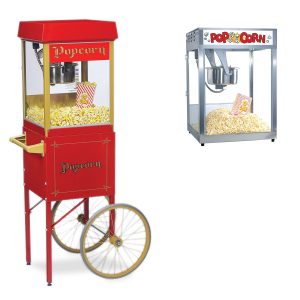
Many countertop machines use a heated kettle with a stirring arm. The arm moves the kernels so they do not sit in one hot spot. When the kernels pop, the machine may tilt the kettle or open a door so the popcorn falls into the lower cabinet.
The basic process is:
-
The kettle heats the oil.
-
Kernels are added and coated with oil.
-
The stirring system keeps the kernels moving.
-
Steam pressure makes the kernels pop.
-
The finished popcorn is released into the serving area.
Oil-based machines often produce a richer taste and a smoother texture. They are common in movie theaters, concession stands, schools, and home theater rooms.
Why the Stirring System Matters
A stirring arm serves two purposes. It spreads heat across the kernels, and it lowers the chance of burning the oil or corn. Without movement, kernels at the bottom may scorch while others remain unpopped.
Some small machines use a motorized stirrer. Others depend on manual shaking, as with a stovetop pot. Either way, movement helps create more even popping.
Use oils with a suitable smoke point, such as coconut, canola, sunflower, or avocado oil. Avoid leaving hot oil unattended. If the oil smokes heavily, turn off the machine and allow it to cool before cleaning.

How a Stovetop Popcorn Maker Works
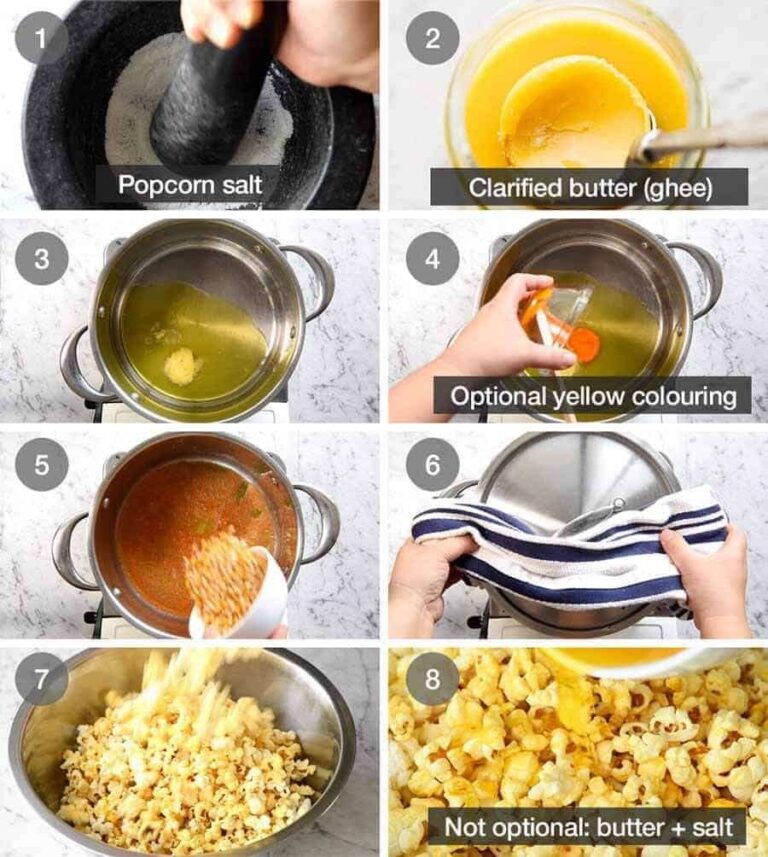
A stovetop popcorn maker uses direct heat from a burner. It may look like a regular pot, but many models include a vented lid and a crank or stirring mechanism.
The pot transfers heat to the oil and kernels. You turn the crank or shake the pot to move the kernels across the hot surface. Once popping slows, you remove the pot from the burner to prevent burning.
For a basic stovetop method:
-
Add oil to the pot.
-
Place two or three test kernels in the oil.
-
Heat until the test kernels pop.
-
Add the remaining kernels and cover the pot.
-
Shake or turn the crank as the kernels pop.
-
Remove the pot when there are about two seconds between pops.
This method gives you strong control over heat and timing. It also creates excellent flavor, but it requires more attention than an automatic electric machine.
A vented lid is important because it lets steam escape. Too much trapped steam can make the popcorn soft instead of crisp. Keep the lid slightly open only if the design allows it safely.

What Happens During the Popping Cycle?
The popping cycle has four simple stages.
Stage One: Heating
The machine raises the kernel’s temperature. The oil or hot air transfers energy to the outer shell and the starchy center.
Stage Two: Steam Formation
The moisture inside the kernel turns into steam. Steam takes up more space than liquid water, so pressure begins to rise.
Stage Three: Hull Failure
The pressure pushes against the hard outer shell. When the shell breaks, the stored energy releases in a fraction of a second.
Stage Four: Expansion
The soft starch expands and cools as it reaches the air. This creates the light, irregular shape called a flake.
This explains how does a popcorn maker work without mystery. The machine controls the conditions, but the kernel provides the natural “pop.”
The best poppers balance heat and time. Too little heat leaves many kernels unpopped. Too much heat burns the outside before the inside can build enough pressure.

Why Popcorn Makers Leave Unpopped Kernels
Even a good popcorn maker may leave a few kernels behind. No machine can correct a kernel with a damaged shell or poor moisture content.
The most common causes include:
• Old or improperly stored kernels.
• An overloaded popping chamber.
• Uneven heat.
• A lid or chute blocked by popcorn.
• Incorrect oil volume.
• Removing the machine from heat too early.
Do not try to repop unpopped kernels in a hot-air machine unless the manual says it is safe. Small pieces of popcorn can block the fan or heating area. Instead, discard them or use a covered pot designed for stovetop cooking.
A useful test is to try a fresh bag of kernels from a different brand. If the new kernels pop well, the machine may be working correctly and the original batch may have had a moisture problem.
:max_bytes(150000):strip_icc()/sea-popcorn-makers-sep-24-test-presto-poplite-air-popper-nsimpson-764-828c47ed33c64a9c9f74e3ef7ac9c2d0.jpeg)
How to Use a Popcorn Maker Safely
Popcorn makers are simple appliances, but they use high heat, electricity, moving parts, and sometimes hot oil. Safe use starts with the instruction manual.
Follow these habits:
• Place the machine on a stable, heat-resistant surface.
• Keep the cord away from water and hot surfaces.
• Never cover the air vents.
• Do not touch the kettle, metal chute, or hot plate during use.
• Keep children away from steam and splattering oil.
• Unplug the machine before cleaning.
• Let the unit cool fully before storing it.
Steam can cause serious burns. Do not place your face over a kettle or open lid. Open the lid away from your face and hands.
Avoid using metal tools inside a nonstick kettle. Scratches can damage the coating and make cleaning harder. If the machine smells like burning plastic, sparks, or makes an unusual sound, switch it off and unplug it.
Cleaning and Maintenance Tips
Cleaning keeps a popcorn maker safe and helps prevent stale odors. Oil residue can become sticky and rancid if it stays on the kettle or plate.
After the unit cools:
• Remove loose kernels and crumbs.
• Wipe the kettle or heating plate with a soft, damp cloth.
• Clean removable parts according to the manual.
• Dry every part before reassembly.
• Empty the collection tray after each use.
Never immerse an electric base, motor, fan housing, or power cord in water. Hot-air poppers often have openings near the fan, so avoid pouring liquid into the popping chamber.
For stubborn oil, use a small amount of mild dish soap on a cloth. Do not scrape coated surfaces with a knife or rough pad.
One practical lesson is to clean the machine before residue hardens. A quick wipe after each use takes less time than removing several days of baked-on oil.
Common Problems and Simple Fixes
The Popcorn Burns
Burning often means the heat is too high, the machine is overloaded, or the kernels are not moving. Use a smaller batch and stop the machine as soon as popping slows.
The Popcorn Is Chewy
Chewy popcorn usually contains too much moisture after popping. Let steam escape through a vented lid, and avoid sealing hot popcorn in a container right away.
The Machine Pops Slowly
Check the power connection and make sure the vents are clear. Old kernels, a low heat setting, or an overloaded chamber can also slow the process.
The Popcorn Does Not Move Out
A blocked chute may cause popped corn to collect inside the machine. Turn it off, unplug it, let it cool, and remove the blockage as the manual directs.
The Oil Smokes
The oil may be too hot or unsuitable for the machine. Switch off the heat, allow the unit to cool, and use an oil with a higher smoke point next time.
Hot-Air Versus Oil Popcorn Makers
Choosing between these machines depends on your priorities.
| Feature | Hot-air maker | Oil popcorn maker |
|---|---|---|
| Added oil | Not required | Usually required |
| Flavor | Light and clean | Rich and savory |
| Cleanup | Usually easy | More involved |
| Texture | Dry and airy | Crisp and coated |
| Best use | Quick home snacks | Theater-style popcorn |
| Main concern | Dry seasoning | Hot oil and residue |
A hot-air machine suits busy households and people who want simple portion control. An oil popper is better for classic movie-night flavor.
Neither design is automatically healthier. The final nutrition depends on the amount of oil, butter, salt, sugar, and toppings you add. Plain popcorn is a whole-grain food, but toppings can quickly raise its calorie and sodium content.
How to Make Better Popcorn at Home
Start with fresh kernels and measure the batch. Too many kernels can reduce airflow or overload a kettle.
For better results:
• Use the amount recommended by the manufacturer.
• Warm oil before adding kernels in a stovetop pot.
• Add seasoning while the popcorn is still warm.
• Toss the popcorn in a wide bowl for even coverage.
• Use fine salt so it sticks more easily.
• Add butter in a thin stream instead of pouring it all in one spot.
For sweet popcorn, let the popped corn cool slightly before adding a coating. Hot sugar syrup can cause severe burns, so use heat-safe tools and keep children away.
A simple flavor mix includes fine salt, smoked paprika, garlic powder, or nutritional yeast. Add small amounts first. You can always add more, but you cannot easily remove excess seasoning.
Energy Use and Noise
Popcorn makers use electricity to power a heating element, fan, motor, or light. Small hot-air machines often use less energy than large commercial-style units, but the exact amount depends on wattage and cooking time.
A machine rated at 1,200 watts uses 1.2 kilowatt-hours if it runs for one full hour. Since most batches take only a few minutes, the energy used per batch is usually modest.
Noise varies by design. Hot-air poppers can sound like small hair dryers because of the fan. Kettle machines may produce motor noise, metal clicks, and popping sounds.
If quiet operation matters, check user reviews for fan and motor noise rather than relying only on the product description.
Buying Guide: What to Look For
When shopping for a popcorn maker, consider more than appearance.
Look for:
• A clear capacity rating.
• Easy-to-clean removable parts.
• Automatic shutoff or overheat protection.
• A stable base.
• A well-designed serving chute.
• Replacement parts for larger machines.
• A warranty from a reliable manufacturer.
For hot-air models, check whether the lid doubles as a measuring cup. For oil models, check whether the kettle is removable and whether the coating is easy to maintain.
If you make popcorn only once in a while, a basic hot-air popper or stovetop pot may be enough. If you host movie nights often, a kettle machine may offer better capacity and presentation.
Frequently Asked Questions About How Does a Popcorn Maker Work
How does a popcorn maker work without oil?
A hot-air popcorn maker uses a heating element and fan to circulate hot air around the kernels. The kernels pop because their internal moisture becomes steam, not because oil is present.
How hot does a popcorn maker get?
Most popcorn makers heat kernels to the temperature needed for their internal water to become pressurized steam, generally around 350°F to 400°F at the kernel surface. Exact temperatures vary by design, airflow, batch size, and thermostat settings.
Why does popcorn pop inside a popcorn maker?
Popcorn pops because moisture inside each kernel turns into steam and creates pressure. When the hard hull breaks, the hot starch expands and forms the fluffy popcorn shape.
Can you use regular corn in a popcorn maker?
No. Regular sweet corn or field corn usually does not have the right hull strength and moisture balance. Use kernels labeled specifically for popping.
Why is my popcorn maker leaving many kernels unpopped?
The kernels may be old, damaged, or too dry. An overloaded chamber, low heat, blocked airflow, or early shutdown can also leave more unpopped kernels.
Is a popcorn maker safe to use every day?
It can be safe when used according to the manufacturer’s instructions. Keep the machine clean, avoid blocked vents, handle hot oil carefully, and unplug it before cleaning.
Can I add butter directly to a hot-air popcorn maker?
Usually, no. Butter can drip into the heating element or fan and cause damage. Melt it separately and pour it over the finished popcorn unless the manual clearly allows direct use.
Conclusion
A popcorn maker works by applying controlled heat to kernels until their internal moisture becomes steam. Pressure breaks the hull, expands the starch, and creates popcorn. Hot-air models use moving heated air, while oil and stovetop machines use a hot surface and often a stirring system.
Fresh kernels, correct batch sizes, safe handling, and regular cleaning make a clear difference. Choose the machine that fits your taste, time, and cleanup needs, then test small batches until you learn its timing. Try these tips during your next movie night, and share your favorite popcorn method or seasoning.

Liora Pennings is a seasoned chef and kitchen enthusiast with a passion for turning everyday cooking into an effortless experience. With years of hands-on culinary expertise, she specializes in practical techniques, ingredient know-how, and smart kitchen solutions that help home cooks elevate their meals. At KitchFlair.com, Liora shares her best tips, time-saving tricks, and honest product reviews to guide readers toward a more efficient, enjoyable, and inspired cooking routine. Whether you’re a beginner or a seasoned home chef, Liora’s friendly, knowledge-packed insights make every visit to the kitchen a little easier—and a lot more delicious.