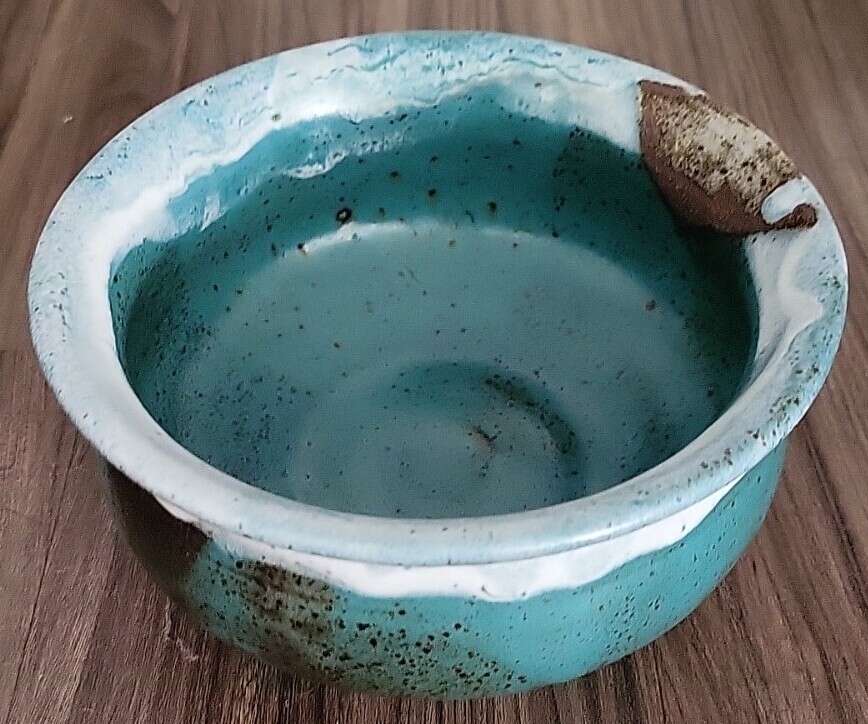
Are Clay Bowls Microwave Safe: What To Know
Some clay bowls are microwave safe, but only when their clay, glaze, and maker’s label allow it.
The answer depends on how the bowl was made, fired, glazed, and tested. In this guide, you’ll learn how to check clay bowls, spot danger signs, heat food safely, and avoid cracks, burns, and broken dishes.
Are Clay Bowls Microwave Safe?
Some clay bowls are microwave safe. Others can crack, break, become very hot, or damage your microwave. The word “clay” alone does not tell you enough.
A bowl made from high-fired stoneware or porcelain clay is often safer than a low-fired terracotta bowl. Still, the glaze, shape, thickness, moisture level, and maker’s instructions all matter.
The safest rule is simple: use a clay bowl in the microwave only when the manufacturer clearly labels it microwave safe. If there is no label or care guide, treat the bowl as unsafe until you confirm its material and construction.
Clay bowls may contain tiny pores. These pores can hold water. When the microwave heats that water, steam forms inside the bowl. Fast steam expansion can stress the clay and cause cracks or breaks.
A bowl may also heat more than the food inside it. This can lead to hand burns, especially with thick handmade pottery.

What Makes a Clay Bowl Microwave Safe?
Several features affect whether clay bowls are microwave safe. No single feature gives a complete guarantee.
High firing temperature
High-fired clay becomes denser and less porous. Stoneware and porcelain are commonly fired at higher temperatures than earthenware or terracotta.
Dense clay absorbs less water. That lowers the chance of steam pressure building inside the bowl. However, high firing does not automatically make every bowl microwave safe.
Microwave-safe glaze
A stable glaze helps seal the clay and gives the bowl a smooth, less absorbent surface. It should also be free from materials that react poorly to microwave energy.
Some older, handmade, or imported pottery may contain decorative materials that are not suitable for food use. Metallic gold, silver, copper, and some luster finishes can spark in a microwave.
A glossy finish is not proof of safety. A bowl can look smooth and still have a porous body, hidden cracks, or an unsafe glaze.
Proper construction
Even a well-fired bowl can fail if it has a large crack, a weak handle, a very thick base, or an uneven wall.
A bowl with trapped moisture may heat unevenly. A sudden change from a cold refrigerator to a hot microwave can also create thermal shock.
Clear manufacturer testing
The strongest sign is a clear microwave-safe label from the maker. Reputable manufacturers usually test their products for normal household use and provide heating and cleaning instructions.
If the product says “not for microwave use,” follow that warning even if the bowl looks sturdy.
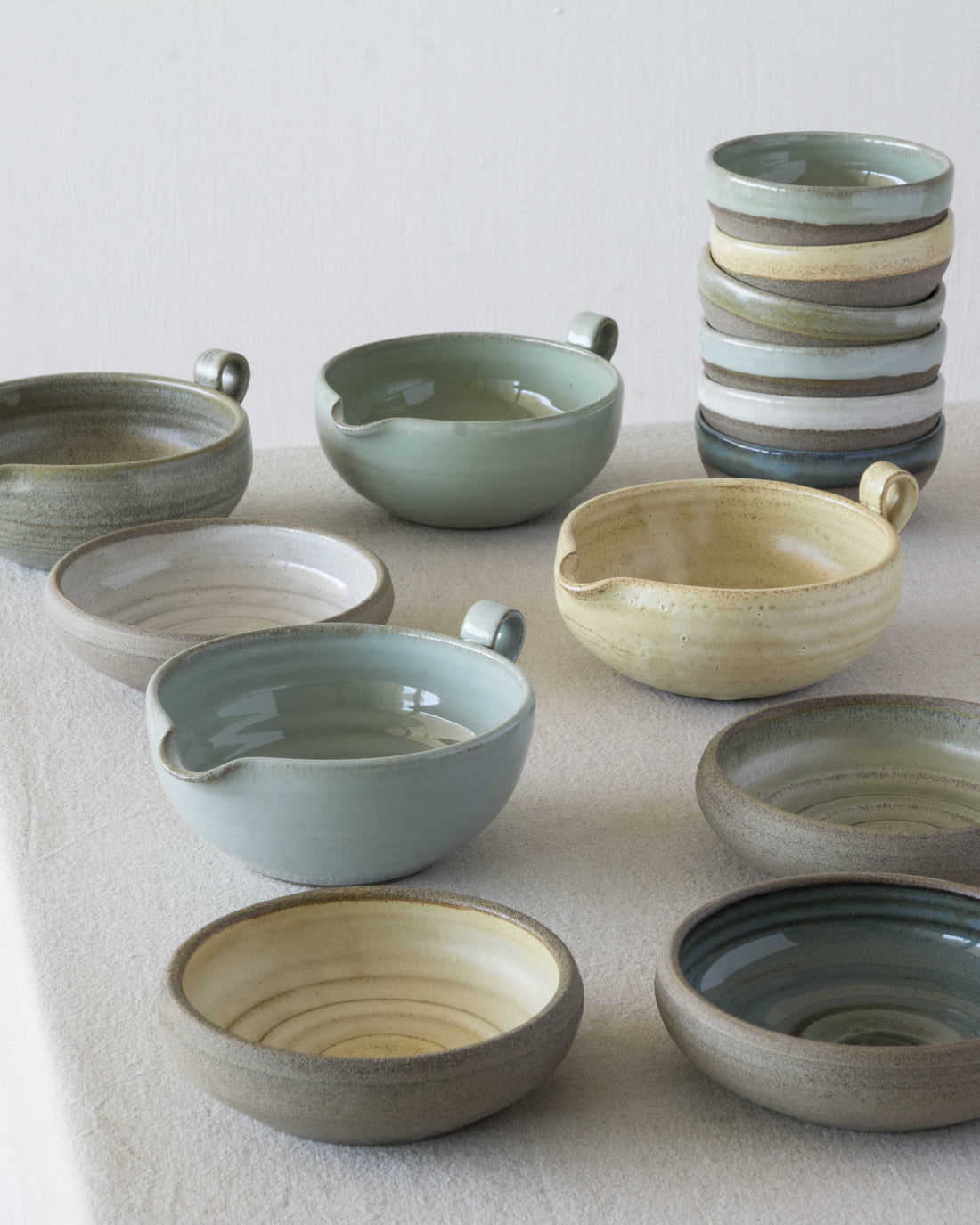
Which Types of Clay Bowls Are Usually Safer?
The type of clay gives you a useful starting point, but it is not a final answer. Always check the product label first.
Stoneware bowls
Stoneware is dense and usually fired at a high temperature. Many stoneware bowls are microwave safe and work well for soups, oatmeal, rice, and leftovers.
Even so, some stoneware pieces have decorative finishes or maker-specific limits. Look for a microwave-safe mark or written care instructions.
Porcelain bowls
Porcelain is fired at a very high temperature and has low water absorption. Many porcelain bowls are suitable for microwave use.
Thin porcelain may still become hot quickly. It can also crack if it suffers a sudden temperature change or if it already has a small flaw.
Earthenware bowls
Earthenware is often fired at a lower temperature. It can be more porous and less resistant to heat changes.
Some earthenware bowls are microwave safe after proper glazing and testing. Many are not. Use extra care with handmade earthenware and read the maker’s instructions.
Terracotta bowls
Traditional terracotta is porous and often unglazed. It can absorb water, oil, and food liquids.
For this reason, unglazed terracotta bowls are usually a poor choice for microwave heating. They may become very hot, crack, or break when moisture inside the clay expands.
Handmade pottery
Handmade pottery can be safe, but it varies widely. Two bowls made by different potters may use different clay bodies, glazes, firing temperatures, and testing methods.
Ask the potter whether the bowl is microwave safe. If the answer is unknown, use glass or tested ceramic instead.

How to Tell If a Clay Bowl Is Microwave Safe
Before heating food, inspect the bowl and look for reliable safety information. This takes less than a minute and can prevent a painful burn or a damaged microwave.
Check the bottom of the bowl
Look for words or symbols such as:
• Microwave safe
• Safe for microwave use
• Microwave and dishwasher safe
• A microwave symbol with clear care instructions
A brand name alone is not enough. Search the product’s official care guide if the bowl has no printed label.
Read the packaging or product page
Some bowls have safety details only on the box or online listing. Check whether the instructions mention:
• Microwave use
• Maximum heating time
• Oven use
• Sudden temperature changes
• Empty heating
• Metal decorations
Do not assume that “oven safe” means “microwave safe.” These are different tests and different types of heat.
Inspect the glaze and decoration
Do not microwave a clay bowl with metallic trim, metallic paint, or foil details. These decorations can create sparks or damage the appliance.
Also look for dull, chalky, chipped, or flaking glaze. Damaged surfaces may absorb more moisture and become harder to clean.
Check for cracks
Run a finger around the inside and outside of the bowl. Look for hairline cracks, chips, raised areas, or a loose piece.
Never microwave a cracked bowl. Heat can turn a small flaw into a complete break.
Consider the bowl’s history
Avoid microwaving a bowl if you do not know:
• What clay it contains
• How it was fired
• Whether it has metallic decoration
• Whether it was made for food use
• Whether it has absorbed water or oil
When in doubt, choose a microwave-safe glass or plain ceramic container.
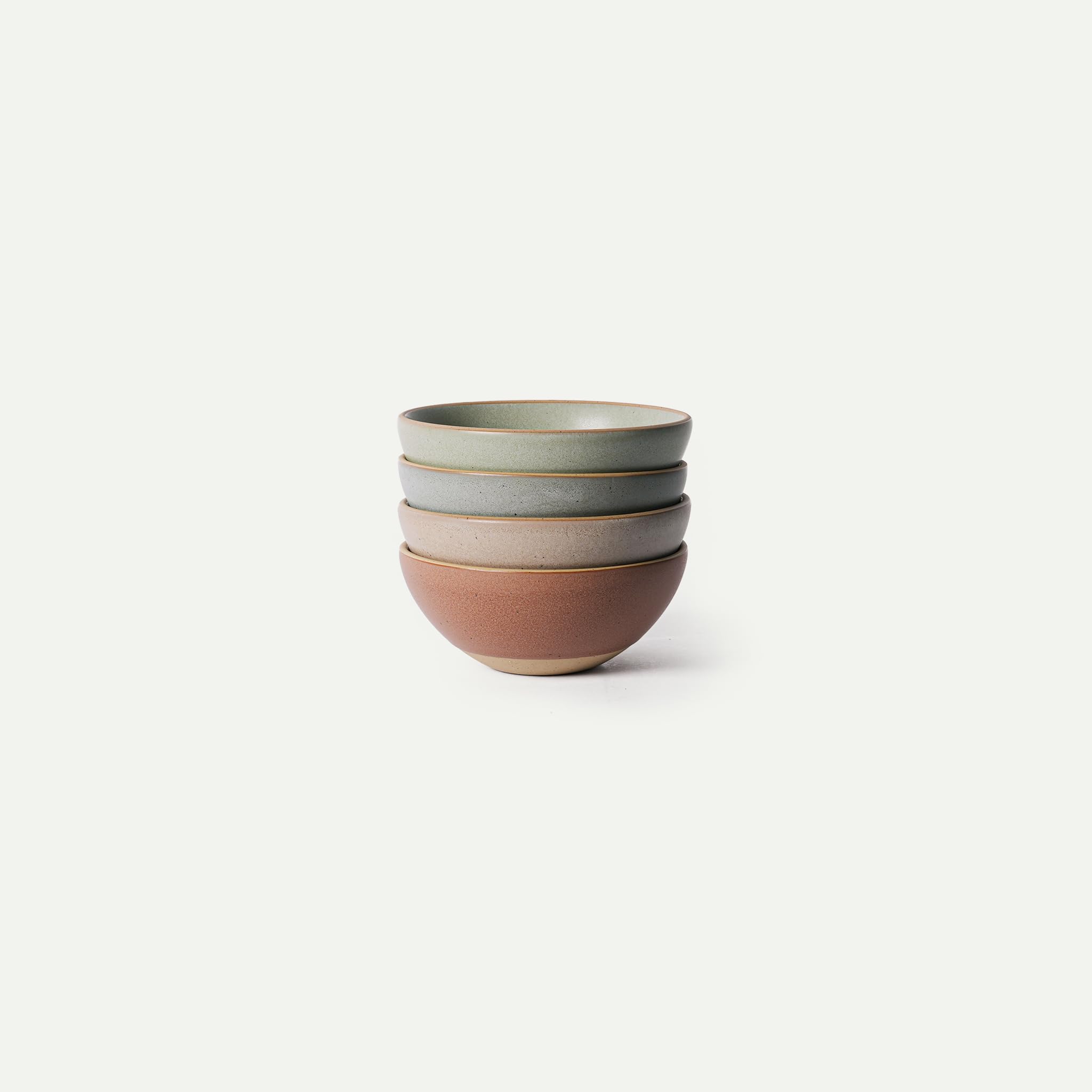
How to Test an Unknown Clay Bowl
A simple home test can provide useful clues, but it cannot replace a manufacturer’s safety rating. Do not test a valuable, antique, cracked, or highly porous bowl.
Use this method only for a clean, intact bowl with no metal decoration:
-
Fill the clay bowl with water.
-
Place it in the microwave beside a microwave-safe cup of water.
-
Heat both for 60 seconds on high.
-
Carefully touch the bowl with a dry oven mitt.
-
Compare the bowl’s temperature with the cup and the water.
If the empty part of the bowl becomes extremely hot while the water is only warm, the clay may be absorbing microwave energy or holding moisture. Stop using it in the microwave.
If the bowl cracks, smells unusual, changes color, sparks, or becomes dangerously hot, turn off the microwave and do not use the bowl again.
This test has limits. A bowl may pass once and still fail later because repeated heating weakens it. Manufacturer testing remains the better standard.
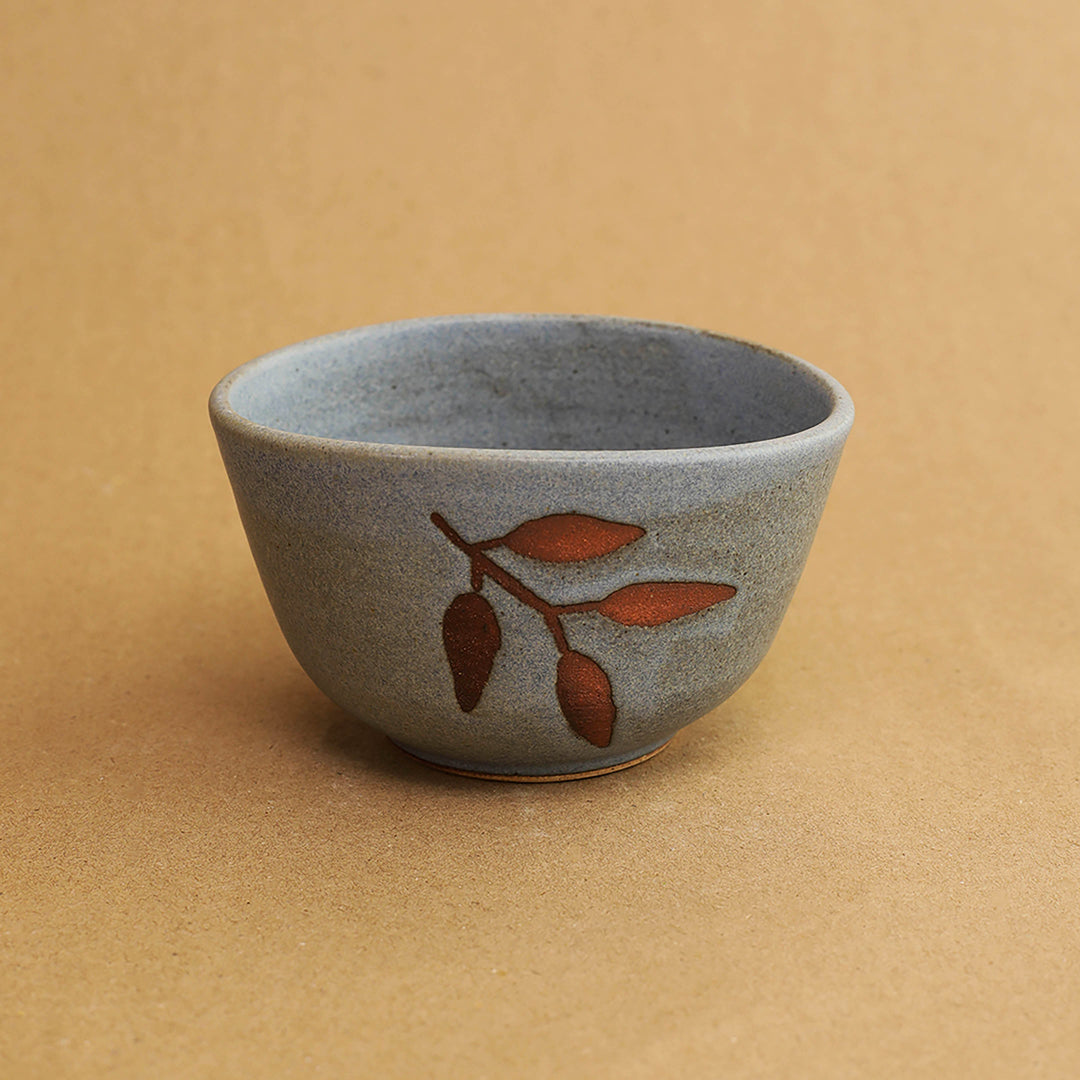
Safe Ways to Microwave Food in Clay Bowls
Even when clay bowls are microwave safe, good habits matter. Use gentle heating and avoid sudden temperature changes.
• Place the bowl in the center of the turntable so the food heats more evenly.
• Add a little water to dry foods such as rice, pasta, or vegetables.
• Cover food with a microwave-safe lid or vented cover, not foil.
• Heat in short periods of 30 to 60 seconds.
• Stir food between heating cycles.
• Use oven mitts when removing the bowl.
• Let the bowl rest for a short time before touching it with bare hands.
• Keep the bowl away from the microwave wall if the manufacturer gives that instruction.
• Never heat an empty clay bowl.
• Never use a clay bowl with metallic trim.
A microwave heats food through moisture. Thick foods can stay cold in the middle while the edges become very hot. Stirring helps spread heat and lowers the chance of uneven stress.

Why Clay Bowls Crack in the Microwave
Cracking usually comes from stress caused by heat, moisture, or an existing weakness.
Thermal shock
Thermal shock happens when one part of the bowl heats or cools much faster than another part. For example, placing a cold clay bowl straight from the refrigerator into a hot microwave can create a sharp temperature change.
The outside and inside may expand at different speeds. Clay is rigid, so it may crack instead of flexing.
Trapped moisture
Porous clay can hold water. Microwave energy heats that water and turns it into steam.
If the steam cannot escape, pressure builds within the bowl. This is one reason unglazed terracotta can be risky.
Hidden damage
Small cracks may be hard to see. Repeated heating can enlarge them until the bowl breaks.
A bowl may also have a weak spot caused during drying, firing, or handling. Handmade pottery often has natural variations, so inspect it before each use.
Uneven heating
Very thick clay can heat slowly in some areas and quickly in others. Food temperature, bowl shape, and microwave power all affect this process.
Using lower power and shorter heating cycles can reduce stress, but it cannot make an unsafe bowl safe.
Can Clay Bowls Release Harmful Materials?
A food-safe clay bowl should be made with food-safe materials and a stable glaze. The main concern is not clay itself. The concern is unsafe glaze, decoration, or contamination.
Lead and cadmium are examples of harmful substances that may be present in some older, damaged, or poorly made glazed pottery. They can migrate into food, especially when the surface is worn or when acidic foods are stored in the bowl.
Do not use antique, flea-market, souvenir, or unknown pottery for food unless it has been professionally tested or clearly certified for food use. Avoid bowls with heavy wear, flaking glaze, or unknown bright decorations.
Microwave heating does not remove lead or other contaminants. It may increase food temperature and contact with the surface, so safe materials remain important.
For everyday use, select pottery from a reputable maker. Look for clear food-use and microwave instructions.
Clay Bowls and Microwave Safety: Common Mistakes to Avoid
Many problems happen because a bowl looks strong. Appearance is not a safety test.
Avoid these common mistakes:
• Assuming all ceramic and clay bowls are the same
• Treating “oven safe” as proof of microwave safety
• Microwaving a bowl with gold or silver trim
• Heating a cold bowl immediately after removing it from the refrigerator
• Using a cracked or chipped bowl
• Heating an empty bowl
• Testing a valuable antique in the microwave
• Touching the bowl without an oven mitt
• Running the microwave when the bowl sparks or smells
• Leaving food in an unknown handmade bowl for long heating periods
A mistake I often see in home kitchens is using a beautiful handmade bowl for soup, then placing it straight into the microwave without checking its care card. The bowl may look perfect but still contain porous clay or a sensitive glaze. A quick label check is a much better habit than relying on appearance.

Better Alternatives for Microwave Heating
If you are unsure whether clay bowls are microwave safe, choose a container made for predictable microwave use.
Good options include:
• Heat-resistant glass labeled microwave safe
• Plain ceramic labeled microwave safe
• Microwave-safe silicone
• Microwave-safe plastic made for reheating
Glass is often the easiest choice because it does not absorb water like porous clay. It can still become hot from the food, so use care when removing it.
Avoid containers with metal, foil, metallic paint, or unknown plastic. Some plastic products can warp or may not be designed for high heat.
For soup, oatmeal, sauces, and leftovers, a tested glass or ceramic bowl gives you a simple, low-risk option.
Care Tips for Microwave-Safe Clay Bowls
Proper care can extend the life of a safe clay bowl.
• Wash the bowl according to the maker’s instructions.
• Avoid sudden temperature changes.
• Do not place a hot bowl on a cold, wet counter.
• Let the bowl cool before washing it.
• Check for new cracks after heating.
• Avoid abrasive cleaners that can damage the glaze.
• Do not stack bowls if the rims chip easily.
• Stop using the bowl if it develops a crack, flake, or strange odor.
Dishwasher use is a separate issue. A bowl may be microwave safe but not dishwasher safe. High heat, strong detergent, and repeated water exposure can weaken some handmade pottery.
If the maker recommends hand washing, follow that advice. Good care helps protect both the bowl and the glaze.
Frequently Asked Questions About Are Clay Bowls Microwave Safe
Are all clay bowls microwave safe?
No. Some clay bowls are safe, while porous, cracked, handmade, or metallic-decorated bowls may not be. Check the manufacturer’s label and avoid using unknown pottery.
Can I microwave an unglazed clay bowl?
Usually, you should avoid microwaving unglazed clay bowls. They can absorb moisture, become very hot, and crack from steam pressure or thermal shock.
Is terracotta safe in the microwave?
Traditional terracotta is often porous and is not a good choice for microwave heating. Only use it if the manufacturer clearly states that it is microwave safe.
Can a microwave-safe clay bowl get hot?
Yes. The food may heat the bowl, and moisture in the clay can also raise its temperature. Always remove it with a dry oven mitt.
Can cracked clay bowls go in the microwave?
No. A crack can expand during heating and cause the bowl to break. Discard or repurpose the bowl instead of microwaving it.
Is handmade pottery microwave safe?
Some handmade pottery is microwave safe, but not all of it is. Ask the potter about the clay, glaze, firing method, and microwave testing before using it.
What should I do if a clay bowl sparks?
Stop the microwave at once and remove the bowl after it cools. Do not use the bowl again unless you can confirm that it has no metal decoration and is approved for microwave use.
Conclusion
Clay bowls can be microwave safe, but safety depends on the clay body, firing temperature, glaze, decoration, condition, and maker’s instructions. Stoneware and porcelain are often suitable when clearly labeled, while unglazed terracotta and unknown pottery deserve extra caution.
Check the bottom and care guide before heating. Avoid cracks, metal trim, empty heating, and sudden temperature changes. When the answer is unclear, use labeled microwave-safe glass or ceramic instead.
Make this quick check part of your kitchen routine, and share your experience or questions in the comments.

Liora Pennings is a seasoned chef and kitchen enthusiast with a passion for turning everyday cooking into an effortless experience. With years of hands-on culinary expertise, she specializes in practical techniques, ingredient know-how, and smart kitchen solutions that help home cooks elevate their meals. At KitchFlair.com, Liora shares her best tips, time-saving tricks, and honest product reviews to guide readers toward a more efficient, enjoyable, and inspired cooking routine. Whether you’re a beginner or a seasoned home chef, Liora’s friendly, knowledge-packed insights make every visit to the kitchen a little easier—and a lot more delicious.