What Are Little Bowls Called: Types And Uses
Little bowls are commonly called ramekins, dipping bowls, pinch bowls, condiment bowls, or prep bowls.
The answer to “what are little bowls called” depends on their size, shape, and purpose. A ramekin may hold baked food, while a pinch bowl can organize spices during cooking. This guide explains the common names, uses, materials, and simple ways to choose the right small bowl.
What Are Little Bowls Called?
The most common general term is small bowls. However, stores and cooks often use more specific names based on how the bowl is used.
Here are the names you will see most often:
• Ramekin: A small, sturdy dish used for sauces, desserts, dips, and baked foods.
• Pinch bowl: A tiny bowl used to hold spices, salt, herbs, or small ingredients.
• Condiment bowl: A small bowl for ketchup, mustard, salsa, relish, or other toppings.
• Dipping bowl: A bowl designed for dipping bread, sushi, dumplings, fruit, or snacks.
• Prep bowl: A small bowl used to measure and organize ingredients before cooking.
• Sauce bowl: A bowl made for gravy, dressings, marinades, or dipping sauces.
• Side bowl: A small serving bowl for fruit, snacks, soup, or side dishes.
• Finger bowl: A shallow bowl of water used to rinse fingers during formal meals.
The phrase “what are little bowls called” has more than one correct answer. The best term depends on the bowl’s design and job.

Ramekins: The Most Common Name
When people ask what are little bowls called, ramekins are often the first answer. A ramekin is a small, usually round dish with straight or slightly sloped sides. It often holds one serving.
Ramekins are common in home kitchens and restaurants. They are often made from ceramic, porcelain, stoneware, or glass. Many are safe for ovens, but you should always check the maker’s instructions before baking.
You can use ramekins for:
• Crème brûlée and custard
• Individual cakes
• Dips and sauces
• Nuts and olives
• Grated cheese
• Butter and jam
• Small baked dishes
The word ramekin comes from French cooking, but the dish is now common in American kitchens. A classic ramekin often holds between 2 and 8 ounces, although larger versions are also available.
A useful safety tip is to avoid placing a cold glass or ceramic ramekin into a hot oven. Sudden temperature changes can cause some materials to crack or break.

Pinch Bowls and Prep Bowls
Pinch bowls are among the smallest types of little bowls. They are often used by cooks to hold a pinch of salt, pepper, chopped herbs, or baking spices.
A pinch bowl may hold only a few teaspoons. It saves time because you can prepare small ingredients before turning on the stove. This practice is often called mise en place, a French term meaning “everything in its place.”
Prep bowls are usually a little larger. They help you organize ingredients such as:
• Chopped onions
• Minced garlic
• Measured flour
• Baking powder
• Sliced vegetables
• Grated cheese
• Nuts and seeds
In my own kitchen planning, the biggest benefit of small prep bowls is fewer mistakes. When every ingredient is measured and visible, it is easier to follow a recipe and avoid adding the wrong item.
You do not need a full set of matching bowls. Small glass cups, clean ramekins, and reusable food containers can work well too.

Dipping Bowls, Sauce Bowls, and Condiment Bowls
Dipping bowls are made for foods that need a small serving of liquid or semi-liquid sauce. They are often wider than pinch bowls, so you can dip food without touching the sides.
Common uses include:
• Soy sauce with sushi
• Ranch dressing with vegetables
• Salsa with chips
• Hummus with pita
• Olive oil with bread
• Sweet chili sauce with dumplings
• Melted butter with seafood
A condiment bowl is similar, but it often holds toppings or table condiments. Ketchup, mustard, mayonnaise, chutney, and relish may all be served in condiment bowls.
The difference between a dipping bowl and a sauce bowl is not always strict. In many homes, the terms mean nearly the same thing. Restaurants may use the name that best matches the menu or serving style.
When choosing a sauce bowl, look for a stable base and a shape that is easy to hold. A bowl that is too deep can make dipping awkward. A bowl that is too wide may allow thin sauces to spread across the table.
Other Names for Little Bowls
The answer to what are little bowls called can change based on culture, cuisine, and table setting. Some small bowls have names linked to a specific food or tradition.
Dessert bowls
Dessert bowls are small serving bowls for ice cream, pudding, fruit, or mousse. They are often wider and deeper than a ramekin.
Berry bowls
Berry bowls are small bowls for strawberries, blueberries, raspberries, or other fruit. Some have a simple design, while others include drainage holes or a colander-style insert.
Rice bowls
Rice bowls are common in many Asian cuisines. They usually hold one serving of rice, but they may also be used for soup, noodles, or other foods.
Snack bowls
Snack bowls hold foods such as popcorn, crackers, candy, nuts, and pretzels. They are often larger than pinch bowls but smaller than regular serving bowls.
Custard cups
Custard cups are small dishes used for baked custard, pudding, flan, and other desserts. Many look like ramekins, and the terms are sometimes used interchangeably.
Mortar bowls
A mortar bowl is designed for crushing and grinding herbs, spices, and other ingredients. It is usually heavier than a normal little bowl and is used with a pestle.
Sake cups
Sake cups are small cups or bowls used for serving sake. Their shape and size can vary by style and region.
These names show why there is no single answer to what are little bowls called. The food, shape, and tradition all influence the name.

How Little Bowls Differ in Shape and Size
Size is one of the easiest ways to tell small bowls apart. A tiny pinch bowl may hold one teaspoon, while a dessert bowl may hold several ounces.
Here is a simple guide:
• Tiny bowls: Best for spices, salt, sauces, and garnishes.
• Small bowls: Best for dips, condiments, nuts, and individual desserts.
• Medium bowls: Best for soup, cereal, fruit, and side dishes.
• Large bowls: Best for salads, pasta, mixing, and shared foods.
Shape also affects function. A wide, shallow bowl works well for dipping and garnishes. A deep bowl is better for liquid sauces, custard, or soup. Straight sides make a ramekin easy to stack, while curved sides may make it easier to scoop food.
There is no universal size rule for terms such as dipping bowl or condiment bowl. Product labels vary by brand. Always check the capacity if the exact size matters.
Materials Used for Little Bowls
Little bowls come in many materials. Each one has strengths and limits.
Ceramic and porcelain
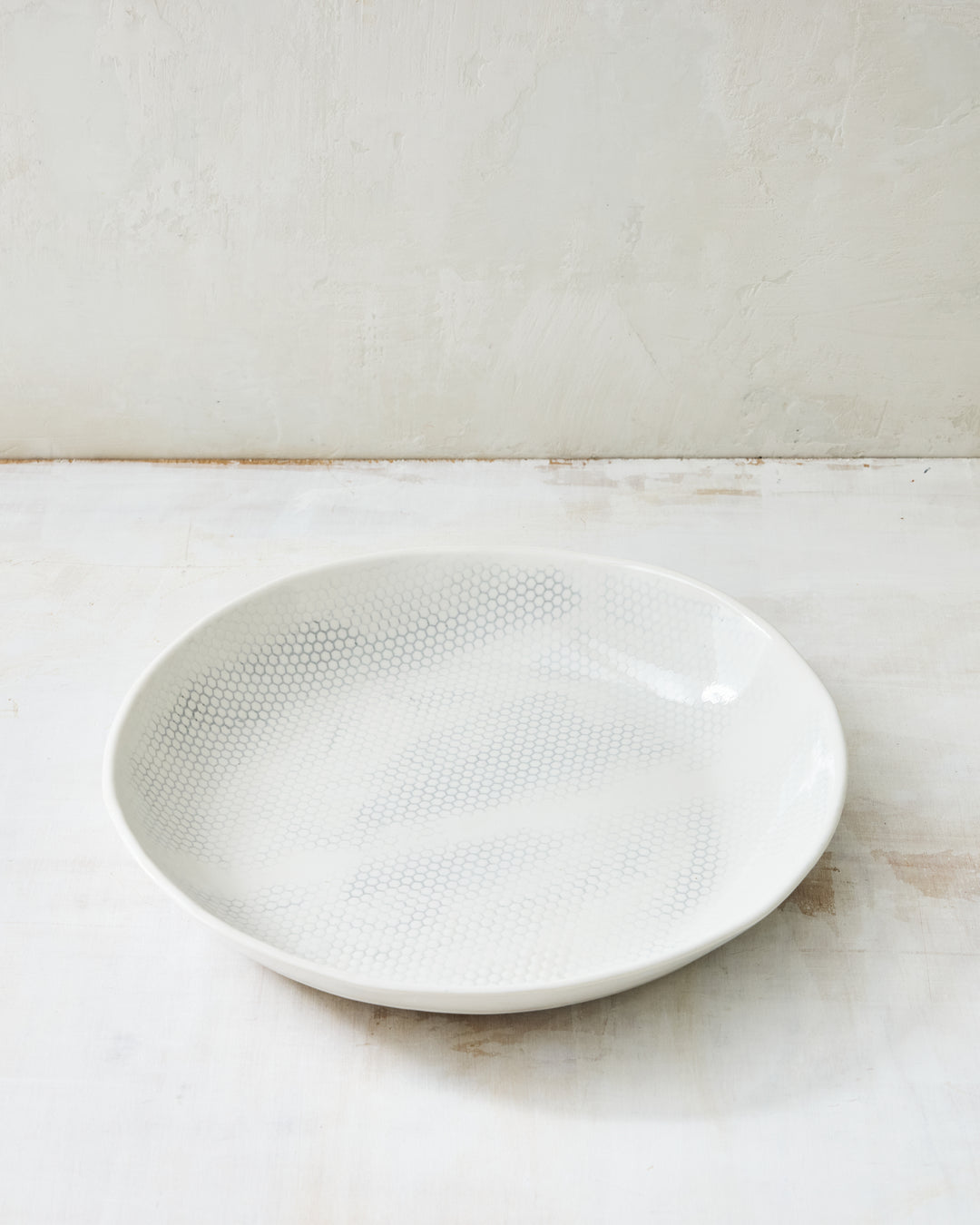
Ceramic bowls are popular because they look attractive and hold heat well. Porcelain is usually thinner and lighter, while stoneware is thicker and heavier.