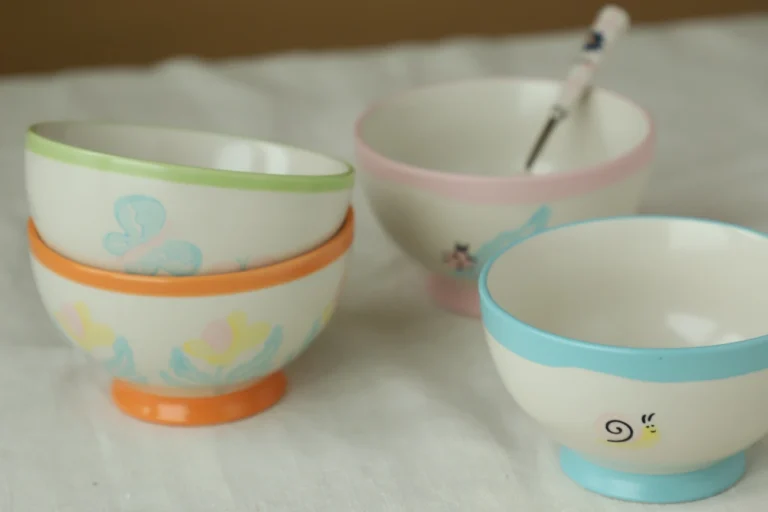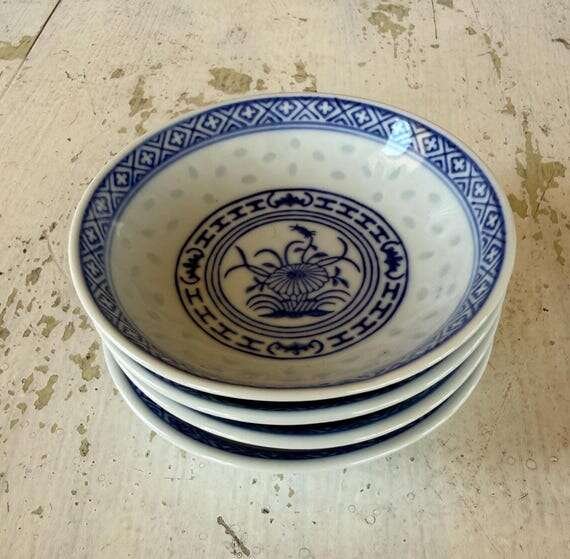
What Are Small Sauce Bowls Called: Names And Uses
Small sauce bowls are commonly called ramekins, dipping bowls, condiment cups, or sauce dishes.
If you have ever searched for the right bowl for ketchup, soy sauce, gravy, or a small dessert, you may have seen several names for the same useful dish. This guide explains what small sauce bowls are called, how each type differs, and which one works best for serving, cooking, or storage.

What are small sauce bowls called?
The most common name for a small sauce bowl is a ramekin. A ramekin is a small, round dish used for sauces, dips, condiments, side dishes, and baked foods. It often has straight or gently curved sides and may be made from ceramic, porcelain, glass, or melamine.
However, small sauce bowls have several names. The best term depends on their shape, size, material, and use.
Common names include:
• Ramekin: A small oven safe dish for sauces, dips, desserts, and baked foods.
• Dipping bowl: A small bowl made for dipping foods such as sushi, egg rolls, fries, and dumplings.
• Condiment cup: A small container for ketchup, mustard, relish, salsa, or other condiments.
• Sauce dish: A broad, simple term for a bowl that holds sauce or gravy.
• Pinch bowl: A tiny bowl used to hold spices, herbs, chopped ingredients, or small portions of sauce.
• Monkey dish: A small, shallow dish often used in restaurants for condiments, butter, garnishes, and side portions.
So, if you ask, “What are small sauce bowls called?” the safest answer is “ramekins” or “dipping bowls.” In online stores, you may find them under any of these terms.
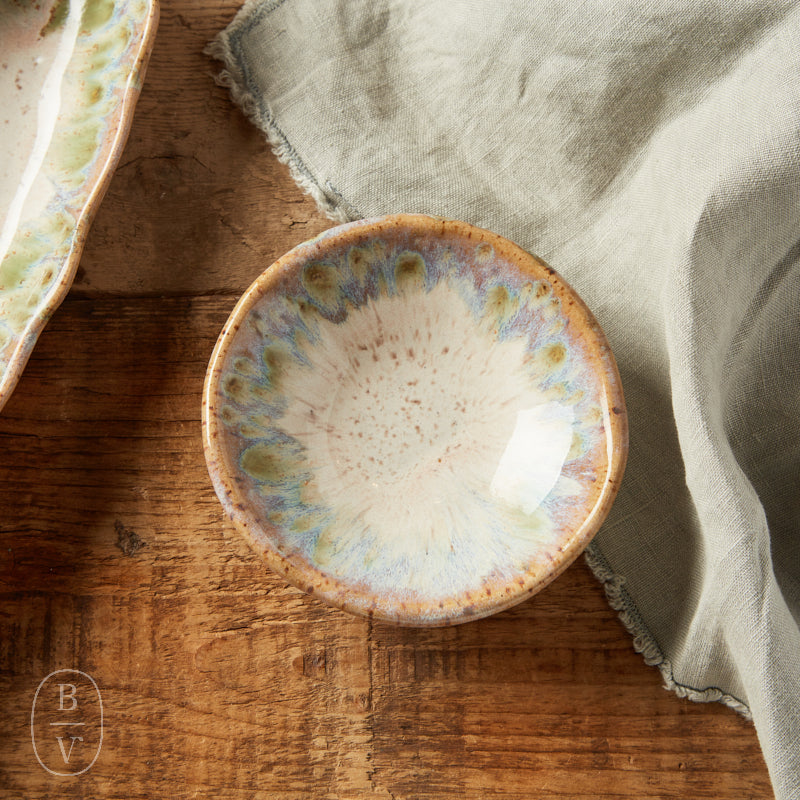
Ramekin: the most common name
A ramekin is usually the first term people mean when they ask what small sauce bowls are called. Traditional ramekins are small, round dishes with straight sides. Many are made from glazed ceramic or porcelain.
Ramekins are popular because they can serve both the table and the kitchen. You can use one for a sauce at dinner, then use the same dish to bake a small custard or melt cheese.
Typical ramekin sizes include:
• 1 to 2 ounces for dipping sauces and spice portions
• 3 to 4 ounces for ketchup, mustard, salsa, and salad dressing
• 5 to 8 ounces for desserts, gravy, soup samples, and side dishes
• 10 ounces or more for individual baked dishes
A standard 4 ounce ramekin is often the most useful choice for home meals. It is large enough for dipping sauce but small enough to keep the table neat.
In my experience, a set of 3 to 4 ounce ramekins is the best starting point. Very tiny bowls can spill easily, while large ramekins take up more room than needed.

Dipping bowls and condiment cups
A dipping bowl is designed mainly for dipping food. It may be round, square, oval, or shaped like a small tray with a deeper center. Dipping bowls are common in Asian cuisine, American appetizers, and restaurant service.
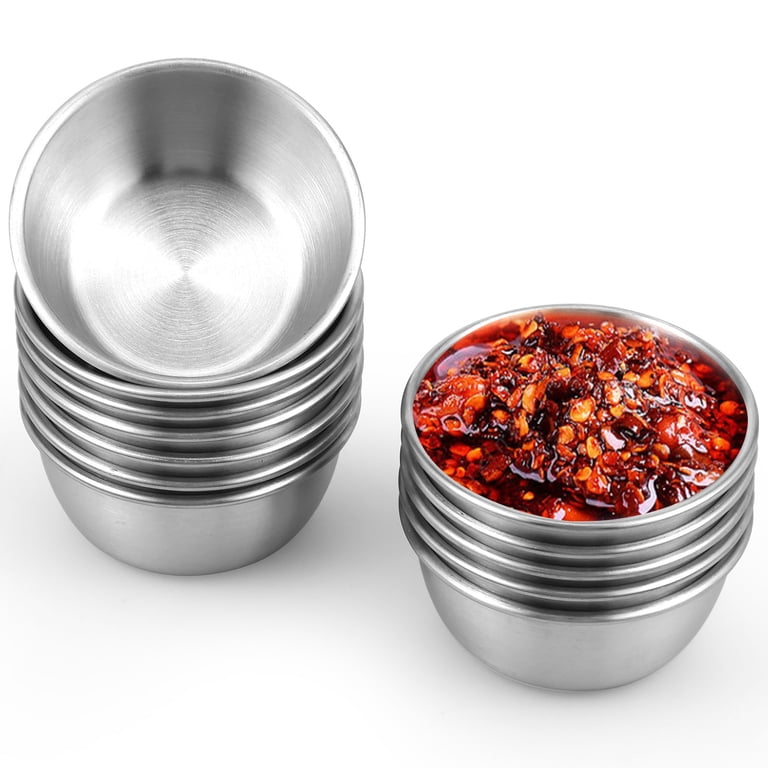
A condiment cup is usually smaller and more practical. It may be made of stainless steel, plastic, glass, or ceramic. Restaurants often use condiment cups for barbecue sauce, ranch dressing, tartar sauce, and hot sauce.
The difference is simple:
• Dipping bowls focus on the eating experience.
• Condiment cups focus on portion control and easy service.
• Ramekins can serve both purposes.
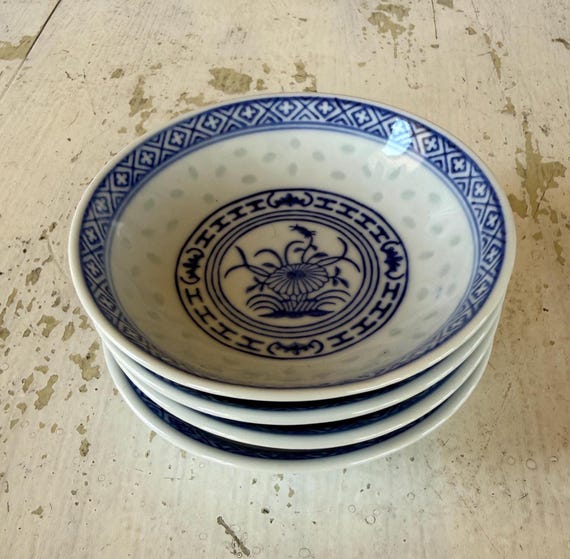
For example, a shallow ceramic dipping bowl works well for soy sauce and sushi. A small stainless steel condiment cup may be better for a food truck or picnic because it is light and hard to break.
When shopping, check the inside width and depth. A wide, shallow bowl is easy to dip into. A deeper cup is better for liquid sauces that might spill.
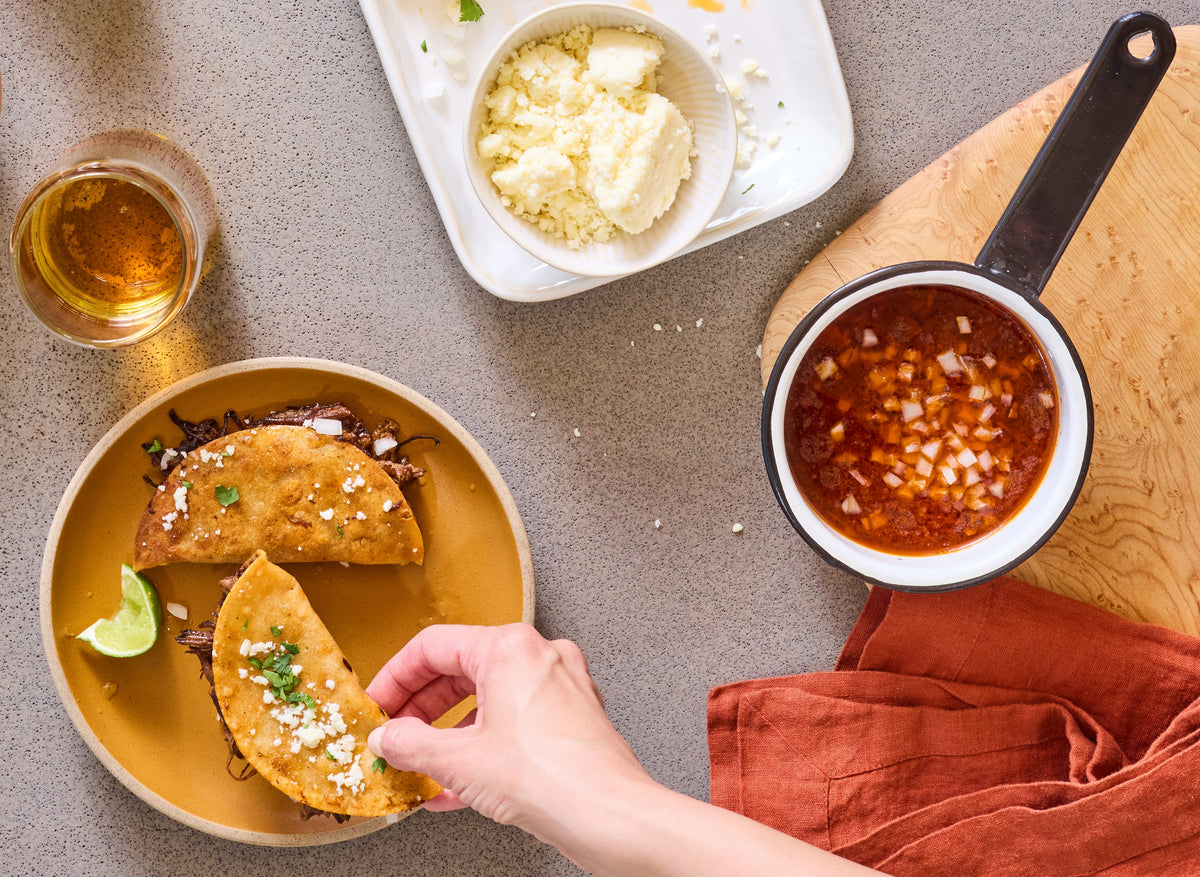
What is a sauce dish?
A sauce dish is a general name for a small dish that holds sauce, gravy, dressing, or another liquid topping. It may look like a tiny bowl, a shallow plate, or a small vessel with a pouring edge.
Some sauce dishes are made for serving sauce beside a meal. Others are made for pouring. A gravy boat, for example, is a larger sauce serving dish with a handle and spout.
A sauce dish may be useful for:
• Soy sauce
• Cocktail sauce
• Hot sauce
• Salad dressing
• Melted butter
• Gravy
• Aioli
• Tzatziki
• Barbecue sauce
The term “sauce dish” is useful when you want a broad search term. It is less specific than “ramekin,” but it is easy for shoppers to understand.

What is a pinch bowl?
A pinch bowl is a very small bowl used to hold ingredients before or during cooking. The name comes from the common practice of taking a “pinch” of salt, pepper, herbs, or spices from the bowl.
Pinch bowls are often smaller than standard ramekins. Many hold only 1 to 2 tablespoons. They are useful for mise en place, which means preparing and arranging ingredients before cooking.
You can use pinch bowls for:
• Salt and pepper
• Minced garlic
• Chopped herbs
• Chili flakes
• Lemon zest
• Small amounts of sauce
• Garnishes
A pinch bowl is not always the best choice for dipping. Its small size can make it hard to fit a chip, dumpling, or piece of sushi. It is better suited to cooking preparation than table service.
What is a monkey dish?
A monkey dish is a small, shallow dish used in restaurants and homes. It may hold butter, olives, sliced lemons, dipping sauce, grated cheese, or small side portions.
The term is common in food service, but it is not used everywhere. Some people may know the same item as a ramekin, side dish, or condiment dish.
Monkey dishes are often made from durable ceramic or melamine. Their low profile makes them easy to stack and store. They are especially useful when you want to serve several small items without using full-size plates.
Because the name can vary by region, searching for “monkey dish” alone may not show every option. Try related terms such as “small restaurant side dish,” “ceramic condiment dish,” or “shallow dipping bowl.”
How small sauce bowls differ
Although many small sauce bowls look alike, small design details affect how they work. Shape, depth, material, and volume all matter.
Shape
Round bowls are the most common and are easy to stack. Square bowls give a modern look but may use more cabinet space. Oval dishes work well for long foods such as spring rolls or vegetable sticks.
Depth
Deep bowls hold more liquid and reduce splashes. Shallow bowls make dipping easier and allow guests to see the sauce clearly.
Rim
A wide rim gives you more room to hold the bowl. A narrow rim creates a clean look but may be less comfortable for frequent use.
Material
Ceramic and porcelain are attractive and sturdy. Glass lets you see the sauce and works well for layered dips. Stainless steel is durable and useful outdoors. Plastic or melamine is lighter and safer around children.
Volume
Small sauce bowls usually hold between 1 and 8 ounces. Choose the size based on the food, not just the appearance.
Choosing the right bowl for each sauce
The best bowl depends on the sauce’s thickness, serving size, and temperature.
Use a 1 to 2 ounce bowl for:
• Soy sauce
• Hot sauce