Are Stainless Steel Mixing Bowls Oven Safe: Safety Guide
Yes, most stainless steel mixing bowls are oven safe, but their handles, lids, coatings, and temperature limits matter.
The answer depends on the bowl’s design, grade of steel, and care instructions. A plain stainless steel bowl can often handle oven heat, but that does not mean every bowl is safe for every oven setting. This guide explains how to check your bowl, avoid damage, and use it safely for baking, roasting, and food preparation.
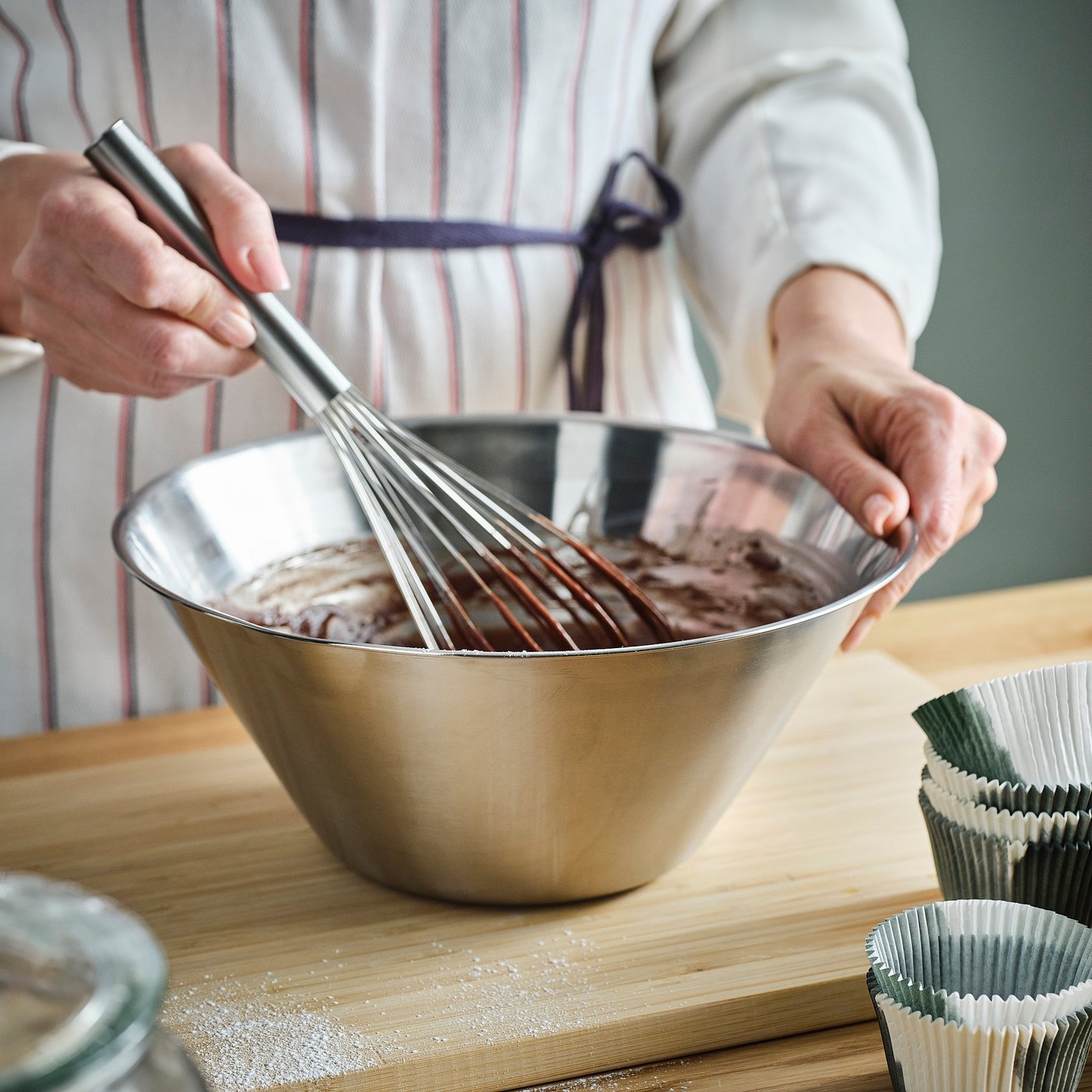
Are stainless steel mixing bowls oven safe?
In most cases, stainless steel mixing bowls are oven safe. Stainless steel has a high melting point and does not burn at normal baking temperatures. Many cooks use stainless steel bowls as makeshift double boilers, proofing containers, or baking molds.
However, “stainless steel” alone does not guarantee safe oven use. The bowl may include parts made from plastic, silicone, rubber, wood, or adhesive materials. These parts can melt, smoke, loosen, or release odors when exposed to high heat.
Before placing a bowl in the oven, check these points:
• Read the care label or product instructions.
• Look for an oven-safe symbol or stated temperature limit.
• Check whether the bowl has plastic or silicone parts.
• Remove any lid unless the lid is clearly marked oven safe.
• Avoid using a bowl with a nonstick coating unless the maker provides clear oven guidance.
• Inspect the bowl for dents, cracks, loose handles, or damaged seams.
If the bowl has no instructions, a plain, uncoated stainless steel bowl is usually safer than one with added parts. Still, use moderate heat and avoid placing it directly under a broiler.

Why stainless steel can handle oven heat
Stainless steel is an iron-based alloy that contains chromium. The chromium helps create a thin protective surface layer. This layer helps the steel resist rust, stains, and corrosion.
The melting point of common stainless steel is far above normal home oven temperatures. Most home ovens operate between 200°F and 500°F, while stainless steel melts at temperatures above 2,500°F. That large gap explains why the metal itself does not melt during ordinary baking.
Yet melting is not the only concern. A bowl can still discolor, warp, or become unsafe to handle. Thin steel may bend when exposed to fast temperature changes. A polished finish may develop rainbow-colored heat marks. These marks are usually harmless, but they can be difficult to remove.
Heat also moves through stainless steel quickly. The bowl may become much hotter than expected, especially around the base and rim. Treat it like a hot baking pan, not like a cool mixing bowl.
When stainless steel bowls are not oven safe
Some stainless steel bowls are designed only for mixing and storage. They may look strong but include features that cannot tolerate oven heat.
Common risks include:
• Plastic handles that soften or melt
• Silicone bases that can burn or produce odors
• Rubber grips that may lose their shape
• Plastic lids that warp or release fumes
• Decorative coatings that blister or peel
• Glued parts that loosen under heat
• Thin metal that may warp at high temperatures
A bowl with a silicone bottom deserves special attention. Some silicone products are heat resistant, but the safe temperature varies. Silicone rated for food contact is not automatically rated for oven use.
Double-wall bowls can also be risky. The trapped air between the walls may expand as the bowl heats. This can cause unusual noises, bulging, or damage. Follow the product instructions carefully.
If you cannot confirm the bowl’s oven rating, use a glass or ceramic baking dish made for oven use instead. It is better to choose the right tool than to guess.

How to check if your bowl is oven safe
A quick inspection can prevent most problems. Do not rely only on appearance. Look for information from the maker and examine every part of the bowl.
Use this simple process:
-
Check the bottom of the bowl for a symbol or printed temperature limit.
-
Search the product name or model number in the care instructions.
-
Identify every material on the bowl, including handles, bases, lids, and coatings.
-
Confirm the maximum temperature for the entire bowl, not just the steel body.
-
Check whether the instructions allow direct oven use or only indirect heat.
-
Remove the bowl from service if it has loose parts, sharp dents, or visible damage.
An oven-safe symbol may look like a small oven or a dish inside an oven. Symbols can vary by brand, so written instructions are more reliable.
If the instructions say “oven proof,” look for a maximum temperature. A bowl that is safe at 350°F may not be safe at 500°F or under a broiler.
Safe temperatures for stainless steel mixing bowls
There is no universal maximum temperature for all stainless steel mixing bowls. The safe limit depends on the bowl’s construction and attached materials.
For a plain, uncoated stainless steel bowl, normal baking temperatures are often reasonable when the manufacturer permits oven use. Many recipes use temperatures from 325°F to 425°F, which are less stressful than broiler heat.
Keep these guidelines in mind:
• Follow the lowest temperature limit listed for any part of the bowl.
• Do not place an unverified bowl under a broiler.
• Avoid direct contact with an open flame.
• Do not use the bowl on a stovetop unless it is designed for that purpose.
• Use extra care at temperatures above 450°F.
• Allow the bowl to cool before washing it.
The steel may remain hot long after the oven is turned off. Use dry oven mitts and place the bowl on a heatproof surface.
Can you bake in a stainless steel mixing bowl?
You can bake in some stainless steel mixing bowls, but the result may differ from baking in a standard cake pan. Stainless steel reflects more heat than dark metal. This can affect browning and cooking time.
A stainless steel bowl can work well for:
• Steamed puddings
• Oven-safe bowl cakes
• Small baked desserts
• Bread dough proofing
• Meringue preparation
• Custards placed inside a water bath
• Foods that need gentle, even heating
Grease the bowl well before adding cake batter or dough. A rounded bowl can make cakes difficult to remove. It can also create a thick center that needs more time to bake.
For a cake, check the center with a toothpick or thin skewer. If the center remains wet while the outside looks done, lower the oven temperature and extend the baking time.
Do not fill the bowl to the top. Leave room for the mixture to expand. A half-full bowl is often safer for rising batters and doughs.
Using stainless steel bowls as double boilers
A stainless steel bowl is often an excellent choice for a double boiler. This method uses gentle steam rather than direct heat.
Choose a bowl that fits securely over a saucepan. The bottom of the bowl should sit above the water rather than touch it. The steam heats the bowl slowly and helps reduce the chance of scorching.
This method works well for:
• Melted chocolate
• Custards
• Hollandaise sauce
• Butter-based sauces
• Egg mixtures
Keep the water at a gentle simmer. Hard boiling can create too much steam and may cause the bowl to shift. Use a bowl with a wide rim that rests securely on the pot.
Although double-boiler use is gentle, the bowl still becomes hot. Lift it with dry mitts or a thick towel.
Risks of putting stainless steel bowls in the oven
The biggest risk is often not the steel. It is the heat, shape, or attached materials.
Thermal shock
Thermal shock happens when a hot bowl meets a cold surface or liquid. For example, placing a hot bowl on a wet countertop or filling it with ice water can cause sudden stress.