How To Wrap Mixing Bowls: Easy Guide For Safe Packing
Wrap mixing bowls with clean paper, cushioning, and secure tape while protecting their rims, handles, and fragile surfaces.
Learning how to wrap mixing bowls well depends on their material, shape, and purpose. A ceramic bowl for a gift needs a neat finish, while stainless steel bowls for a move need strong padding and firm support. This guide shares tested, practical methods for wrapping mixing bowls safely, quickly, and attractively.

What You Need to Wrap Mixing Bowls
Before learning how to wrap mixing bowls, gather the right supplies. Good materials prevent scratches, dents, cracks, and loose packages.
Choose supplies based on whether you are wrapping bowls for a gift, storage, shipping, or a house move.
• Tissue paper for light protection and gift presentation
• Kraft paper or wrapping paper for the outer layer
• Bubble wrap for glass, ceramic, porcelain, or stoneware bowls
• Packing paper for stacking and filling empty space
• Corrugated cardboard for extra support
• Painter’s tape for temporary wrapping
• Clear tape for gift wrap
• Packing tape for moving boxes
• Scissors
• A marker for labeling
• A sturdy box that fits the bowls with room for padding
Avoid using newspaper directly on light-colored ceramic or porcelain. Ink can transfer when the paper becomes damp or rubs against a polished surface. Plain packing paper is a cleaner choice.
For food storage, use materials that are clean and dry. Never wrap a damp bowl for long-term storage. Trapped moisture may create odors, stains, or mold on nearby packing materials.

How to Wrap Mixing Bowls for a Gift
Gift wrapping mixing bowls is simple when you treat the bowl like a round, shallow box. The main goal is to cover the surface without crushing the rim or leaving large gaps.
Step 1: Clean and dry the bowl
Wash the bowl with mild dish soap. Dry it fully with a clean towel, including the base and any handles.
If the bowl is a gift, check it for dust, stickers, price labels, or small chips. A clean bowl looks better and prevents dirt from being sealed under the paper.
Step 2: Add a soft inner layer
Place the bowl in the center of one or two sheets of tissue paper. If the bowl is deep, gently press the tissue into the inside without creasing it too tightly.
For ceramic or glass bowls, add a second sheet. This layer helps prevent small scratches and gives the package a smooth shape.
Step 3: Wrap the outside
Set the bowl upside down on the paper. Pull opposite corners over the base and secure them with a small piece of tape.
Bring the remaining corners toward the center. Fold the paper in small pleats around the curved sides. Small folds look cleaner than trying to force one large, flat fold around the bowl.
Step 4: Protect the rim
The rim is often the most vulnerable part of a mixing bowl. Add a narrow strip of tissue paper around it before applying the final paper layer.
Do not pull the paper too tightly. Tight paper can press against a thin ceramic rim and may tear during handling.
Step 5: Add the final gift wrap
place the covered bowl on wrapping paper with the decorated side facing down. Fold the paper over the bowl in sections, just as you would wrap a round container.
Secure the folds with clear tape. Finish with ribbon, a gift tag, or a small card.
For a modern look, use kraft paper and cotton twine. For a birthday gift, bright paper and a wide ribbon work well. A nested set of bowls can also be tied together with a fabric bow.
How to Wrap Mixing Bowls for Moving
Moving requires more protection than gift wrapping. Bowls can rub together, shift inside a box, or break when heavy items are placed on top.
The safest approach is to wrap each bowl on its own.
-
Place a sheet of packing paper on a flat surface.
-
Put one bowl in the center.
-
Fold the paper over the bowl from each side.
-
Add a second layer of paper around the wrapped bowl.
-
Use bubble wrap around ceramic, glass, or stoneware bowls.
-
Secure the bubble wrap with painter’s tape.
-
Place the bowl in a sturdy box with padding underneath.
When wrapping mixing bowls for a move, always pad the inside of larger bowls. Crumpled paper, clean towels, or soft dishcloths work well.
Do not place one bowl directly inside another. Even stainless steel bowls may scratch when they rub together. If you nest bowls, wrap each one first and add a layer of padding between them.
Place heavier bowls at the bottom of the box. Keep lighter bowls above them. The box should feel full but not tightly compressed.
Fill open spaces with crumpled paper. Empty space allows movement, and movement causes most breakage during transport.

How to Wrap Mixing Bowls for Shipping
Shipping creates more impact than a short car ride. A package may be dropped, turned upside down, or placed under other boxes.
Use the double-box method for fragile bowls. This method creates a protective cushion around the inner box.
Inner box method
Wrap the bowl in several layers of bubble wrap. Pay extra attention to the rim, base, and handles.
Place the wrapped bowl in a small box. Add cushioning on every side. Shake the box gently. If you hear movement, add more padding.
Close and tape the inner box. Then place it inside a larger box with at least 2 inches of cushioning on all sides.
Use packing peanuts, air pillows, foam sheets, or crumpled kraft paper to fill the space. The inner box should not touch the outer box.
Outer box method
Choose a strong corrugated box with no weak corners or water damage. Seal all seams with packing tape.
Write the recipient’s address clearly. You can add a “Fragile” label, but do not rely on the label alone. Proper padding matters more than warning text.
If the bowl is valuable, consider shipping insurance. Take photos of the bowl and the packed box before sending it. These records may help if a carrier makes a damage claim.
How to Wrap Different Types of Mixing Bowls
The best method changes with the bowl material. A flexible plastic bowl needs less cushioning than a thin glass bowl.
Stainless steel bowls
Stainless steel is durable, but it can scratch and dent. Wrap each bowl in packing paper or a soft cloth. Add bubble wrap if the bowls will travel in a crowded box.
Keep stainless steel away from cast iron, sharp tools, and rough cardboard edges. These items can leave visible marks.
Glass bowls
Glass needs generous padding. Wrap it in bubble wrap, then place it in a snug inner box.
Never allow glass bowls to touch each other. Add a flat layer of cardboard between nested bowls for extra support.
Ceramic and porcelain bowls
Ceramic and porcelain can chip at the rim. Wrap the rim first, then cover the entire bowl with packing paper and bubble wrap.
Do not tape directly to the bowl. Tape can leave residue or pull off a finish.
Plastic bowls
Plastic bowls are less likely to break, but they may bend or scratch. Stack them with a paper towel or soft cloth between each bowl.
Avoid placing heavy items on top of thin plastic bowls. Heat and pressure can also warp some plastics, so store them away from hot areas.
Stoneware and earthenware bowls
These bowls are heavy and may have a fragile glaze. Use firm padding and a strong box. Do not overfill the box, because excess weight can crush lower layers.

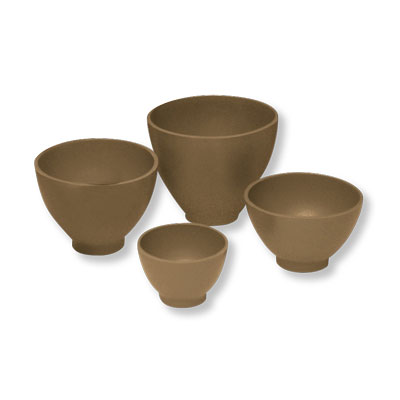
How to Wrap Mixing Bowls in a Nested Set
Nested bowls save space, but poor wrapping can cause scratches and chips. The key is to separate every bowl.
Start with the largest bowl. Place a layer of packing paper inside it. Then wrap the outside with another sheet.
Wrap the next bowl separately. Put a soft layer between the bowls before placing the smaller bowl inside the larger one.
Continue until the set is complete. If the bowls have different materials, place the hardest surface inside a padded layer before nesting it with another bowl.
For a moving box, add paper around the outside of the full nested set. Then wrap the set in bubble wrap and place it in the center of the box.
Do not force a bowl into another bowl. If it sticks, twists, or presses hard against the sides, use a larger separator or keep the bowls separate.

Common Mistakes to Avoid
Knowing what not to do makes learning how to wrap mixing bowls much easier.