Can You Store A Vacuum Cleaner In The Garage: Safe Storage
Yes, you can store a vacuum cleaner in the garage if you protect it from moisture, heat, cold, dust, and pests.
For many homes, the garage is a practical place for a bulky vacuum cleaner. However, garage storage is not always safe by default. Temperature swings, damp floors, insects, rodents, and chemical fumes can shorten the life of the motor, battery, hose, and filters. This guide explains when garage storage works, how to prepare your vacuum, and which mistakes to avoid.
Can You Store a Vacuum Cleaner in the Garage?
Yes, you can store a vacuum cleaner in the garage when the space is dry, reasonably clean, and protected from extreme temperatures. A garage is often better than a cramped closet, but it needs the right setup.
A vacuum cleaner contains electrical parts, filters, belts, batteries, and plastic parts. These components can suffer when exposed to water, high humidity, freezing temperatures, or strong heat for long periods.
Before deciding where to place it, check these conditions:
• The garage stays dry after rain and snow.
• The vacuum will not sit directly on a concrete floor.
• The area is away from car fluids, paint, fertilizer, and pesticides.
• The vacuum is protected from dust and pests.
• The storage spot does not block doors, walkways, or electrical panels.
A dry, finished garage is usually suitable. An open, damp, or poorly sealed garage may damage the vacuum over time.
What Can Damage a Vacuum in the Garage?
The biggest garage storage risks are moisture, temperature changes, dirt, pests, and accidental impact. These risks do not always cause instant damage. Instead, they slowly reduce suction, shorten battery life, or create electrical problems.
Moisture and humidity
Moisture is the most serious concern. It can cause rust on metal parts and may damage electrical contacts. Damp filters can also grow mold or develop a musty smell.
Concrete floors often feel dry but can release moisture, especially during humid weather. Water may also enter through a garage door, roof leak, or wall crack.
Extreme temperatures
Very hot garages can soften plastic parts and reduce the life of batteries. Freezing temperatures can make hoses stiff and brittle. Cordless vacuum batteries are especially sensitive to long periods of heat or cold.
Most manufacturers recommend storing batteries in a cool, dry place within the temperature range listed in the owner’s manual. The exact range differs by battery type and brand.
Dust and sawdust
Garages contain fine dust from cars, wood projects, lawn tools, and stored boxes. Dust can settle inside the motor housing or clog the filter before you use the vacuum again.
A covered vacuum stays cleaner and needs less maintenance. However, the cover should be breathable and dry. Do not wrap a damp vacuum in airtight plastic.
Pests and chemicals
Mice and insects may chew power cords, nest inside hoses, or damage soft seals. Gasoline, paint thinner, fertilizer, and other chemicals can also harm plastic and rubber parts.
Keep the vacuum away from chemical storage. A closed cabinet or sturdy wall rack can add another layer of protection.

When Is Garage Storage Safe?
Garage storage is generally safe when the room has stable conditions. You do not need a climate-controlled garage, but you should avoid places that regularly become wet, icy, or extremely hot.
A good storage location has:
• Low moisture and no standing water
• Some airflow
• Protection from direct sunlight
• A raised surface or wall mount
• Enough room to avoid crushing the hose or cord
• Distance from tools, chemicals, and vehicle exhaust
Attached garages may offer better protection than detached sheds because they often have more stable temperatures. Still, an attached garage can become humid if it lacks ventilation or if wet cars are parked inside.
If your garage smells musty, shows white mineral marks on the concrete, or has frequent condensation, it may not be a good place for a vacuum cleaner. In that case, consider an indoor utility room, basement shelf, laundry room, or enclosed storage cabinet.

How to Prepare a Vacuum Cleaner for Garage Storage
Proper preparation takes only a few minutes. It can prevent odors, mold, battery damage, and poor performance later.
1. Empty the dust container or bag
Never store a vacuum with a full dust container. Old dirt can absorb moisture and create a sour smell. Food crumbs, pet hair, and organic debris may also attract insects.
Empty the container outdoors if possible. If you use a bagged vacuum, replace the bag when it is nearly full.
2. Clean the filters
Follow the owner’s manual before washing any filter. Some filters are washable, while others must stay dry or be replaced.
If you wash a filter, let it dry completely. This may take 24 hours or longer. A damp filter can cause odor, restricted airflow, and motor stress.
3. Check the hose and attachments
Remove hair, string, and debris from the hose and floor head. Look for cracks, loose seals, and blockages.
Store attachments with the vacuum. Small parts are easy to lose in a busy garage, and missing tools can make the vacuum less useful.
4. Inspect the power cord
Look for cuts, crushed areas, exposed wires, or loose plugs. Do not store a vacuum with a damaged cord. Electrical safety agencies consistently advise replacing damaged cords rather than repairing them with basic tape.
Wrap the cord loosely. Tight bends can weaken the wires over time.
5. Dry the vacuum
If you used the vacuum on wet material, allow every part to dry before storage. This includes the dust bin, hose, filter, brush roll, and internal air path.
A wet and dry shop vacuum still needs cleaning and drying. “Wet and dry” does not mean it can remain wet between uses.
6. Remove or protect the battery
For a cordless vacuum, follow the battery instructions from the manufacturer. Some batteries should be removed during long storage. Others can remain attached but should not stay on a charger for months.
Store removable batteries in a dry indoor area if the garage becomes very hot, cold, or damp.

The Best Way to Store a Vacuum Cleaner in the Garage
The best method depends on the vacuum style and the space available. The goal is to keep the machine clean, dry, upright, and easy to reach.
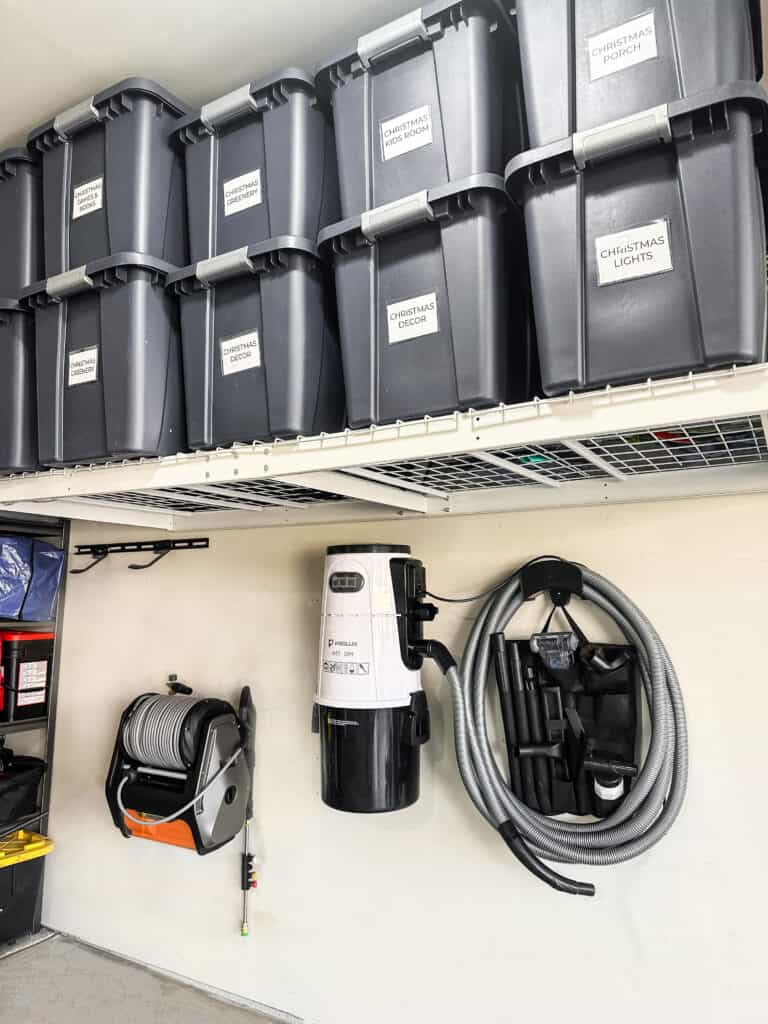
Use a wall mount
A wall mount is useful for stick vacuums and lightweight cordless models. It keeps the vacuum off the floor and reduces the chance of water damage.
Mount it away from the garage door and below any roof leak risk. Use the correct anchors for your wall type. A heavy vacuum mounted to weak drywall may fall and break.
Place it on a shelf
A strong shelf works well for canister and handheld vacuums. Leave room around the motor housing so air can circulate.
Do not place heavy boxes on top of the vacuum. Pressure can crack the hose, bend the handle, or damage the dust container.
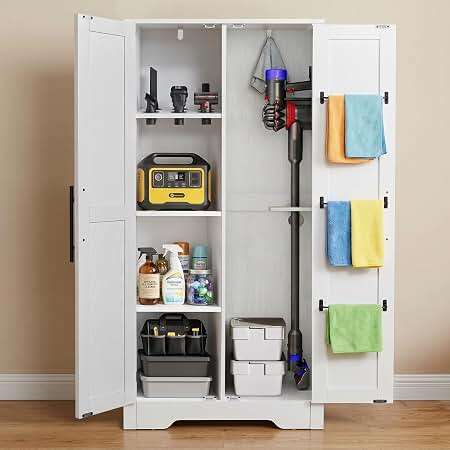
Use a storage cabinet
A cabinet offers excellent protection from dust and pests. Choose one with some ventilation, especially if the vacuum was recently used.
Avoid sealing a warm or damp vacuum inside a closed cabinet. Let it cool and dry first.
Use a breathable cover
A fabric appliance cover or clean cotton sheet can protect the vacuum from dust. The cover should not trap moisture.
Avoid using a sealed plastic bag unless the vacuum is completely dry and the garage has stable humidity. Even a small amount of trapped moisture can create odor or mildew.
:max_bytes(150000):strip_icc()/HangingMopsandBroomswithSkateboards-689555afc3564af3a16ddb5ae18608d4.jpg)
Storage Advice for Different Vacuum Types
Not every vacuum handles garage conditions in the same way. The design, power source, and intended use all matter.
Corded upright vacuums
Corded upright vacuums are often the most tolerant of garage storage. They still need protection from water, freezing temperatures, and pests.
Keep them upright so the handle, brush roll, and internal parts are not under pressure. Do not coil the cord too tightly around the machine.
Cordless stick vacuums
Cordless models need extra care because of their lithium ion batteries. Heat can reduce battery capacity, while very cold conditions may affect charging and performance.
Store the battery indoors when the garage has extreme temperatures. Never charge a damaged, swollen, wet, or unusually hot battery.
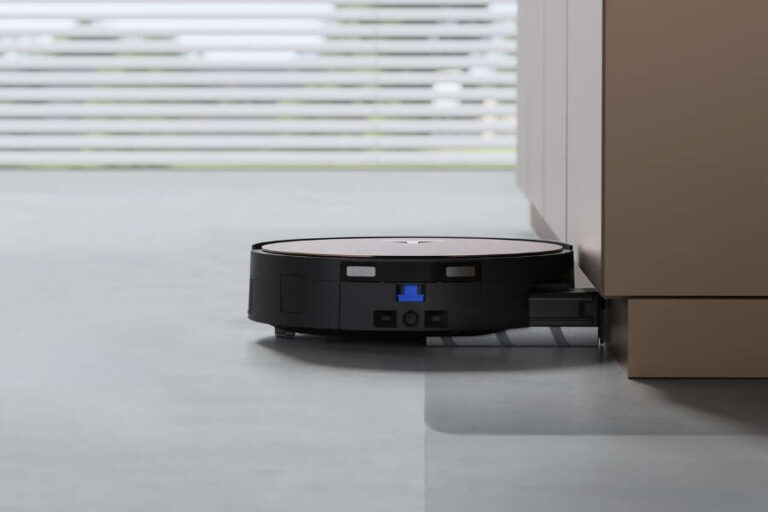
Robotic vacuums
A garage is usually a poor place for a robot vacuum and its charging dock. The dock needs a clean, dry, stable area with reliable power.
Cold temperatures, dust, and insects can affect the sensors and charging contacts. Store a robot vacuum indoors unless the manufacturer specifically approves garage use.
Canister vacuums
Canister vacuums can be stored in a garage if the hose and wheels are protected. Avoid sharp bends in the hose because the plastic may become stiff in cold weather.
Keep the canister on a shelf or raised platform. This prevents contact with damp concrete.
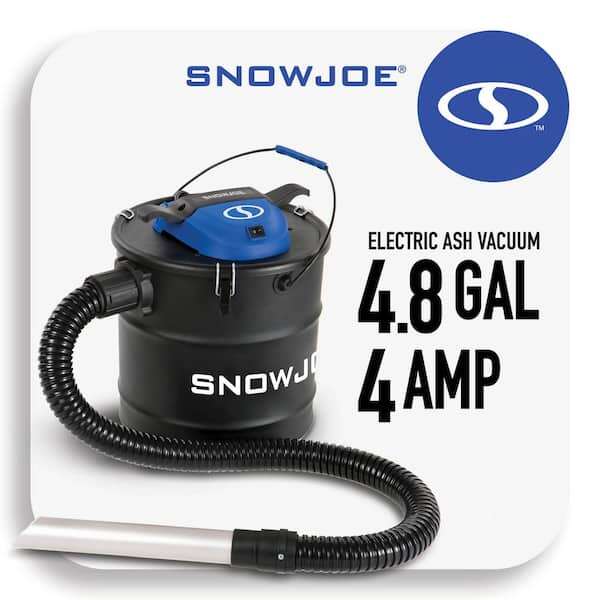
Shop vacuums
Shop vacuums are designed for garages, workshops, and construction areas. They are more rugged, but they still need care.
Empty the tank after wet use. Clean the filter, remove debris, and leave the tank open until it is fully dry. A shop vacuum can handle dirt, but standing water and neglect can still damage it.

Common Mistakes to Avoid
Many vacuum problems begin with simple storage mistakes. Avoid these habits:
• Storing the vacuum on a damp concrete floor
• Leaving dirt, pet hair, or food debris inside
• Charging a cordless vacuum in extreme heat
• Wrapping the cord tightly around the handle
• Covering a wet vacuum with plastic
• Keeping it beside gasoline, paint, or pesticides
• Blocking the hose under heavy storage boxes
• Ignoring cracks, frayed cords, or damaged batteries
• Leaving a robot vacuum in a dusty garage
• Forgetting to check the vacuum after a season of storage
In my experience helping people organize utility spaces, the most common mistake is putting a vacuum away while it is still dirty. The garage then becomes a quiet storage room for old dust and moisture. A five-minute cleanup before storage usually prevents a much larger cleaning job later.

How to Check a Vacuum After Garage Storage
Before using the vacuum after weeks or months in the garage, inspect it carefully. This is especially important if the season included freezing weather, high humidity, or pest activity.
Use this simple checklist:
-
Look for water stains, rust, mold, and insect nests.
-
Inspect the power cord, plug, hose, and wheels.
-
Check the filter for dampness or a stale odor.
-
Empty and clean the dust container.
-
Confirm that the brush roll turns freely.
-
Check cordless batteries for swelling, cracks, or leaks.
-
Test the vacuum for a few seconds in an open area.
-
Stop using it if you smell burning, see sparks, or hear unusual grinding.
Do not operate a vacuum that has visible electrical damage. Unplug it and arrange a professional inspection or replace it. A damaged appliance is not worth the risk of fire or electric shock.

Garage Storage Alternatives
If your garage is damp or very hot, choose another location. The best alternative is a dry indoor space with easy access.
Good options include:
• A laundry room
• A mudroom
• A pantry with enough airflow
• A basement shelf that stays dry
• A utility closet
• A tall indoor storage cabinet
A basement may seem safer, but basements can have high humidity. Use a hygrometer if you are unsure. Relative humidity around 30% to 50% is generally comfortable for many household storage areas, although the vacuum manufacturer’s instructions should take priority.
For small apartments, an over-the-door organizer or vertical wall mount can save space. Keeping the vacuum indoors may also make it more likely that you use it often.

A Simple Long-Term Storage Routine
If you plan to store a vacuum cleaner in the garage for the entire winter or summer, use a basic routine.
Before storage:
• Empty the bin or replace the bag.
• Clean and fully dry the filters.
• Remove hair and debris from the brush roll.
• Wipe the outside with a dry or slightly damp cloth.
• Inspect the cord, hose, and battery.
• Raise the vacuum off the floor.
• Cover it with a breathable material.
During storage:
• Keep chemicals and boxes away from it.
• Check the area for leaks and pests.
• Avoid placing weight on the hose or handle.
Before use:
• Inspect the machine again.
• Replace damaged filters or bags.
• Charge the battery only in a safe, moderate-temperature area.
• Test the vacuum briefly before cleaning a full room.
This routine is simple, but it protects the parts that matter most. Think of it as putting the vacuum to bed clean and dry rather than hiding it away unfinished.
Frequently Asked Questions
Can you store a vacuum cleaner in an unheated garage?
You can store a vacuum cleaner in an unheated garage if the space stays dry and the vacuum is protected from freezing temperatures. Cordless batteries and delicate robotic vacuums are usually better stored indoors.
Is it bad to store a vacuum cleaner on a concrete floor?
It can be a problem because concrete may transfer moisture to the vacuum base. Place the machine on a shelf, platform, rubber mat, or other raised surface.
Can a Dyson or cordless vacuum stay in the garage?
A cordless vacuum can stay in the garage when temperatures and humidity remain moderate. Remove or protect the battery if the garage becomes very hot, cold, or damp, and follow the product manual.
Should you cover a vacuum cleaner in the garage?
Yes, a breathable fabric cover can protect it from dust. Do not cover a damp vacuum or seal it in plastic, because trapped moisture may cause mold and odors.
Can you store a wet dry vacuum in the garage?
Yes, a wet dry vacuum is commonly stored in a garage, but the tank, hose, and filter should be emptied and dried first. Leaving water inside can cause smells, corrosion, and microbial growth.
How do you protect a vacuum cleaner from mice in the garage?
Keep the vacuum clean, raise it off the floor, and store it in a sturdy cabinet when possible. Inspect the cord and hose regularly for chewing or nesting damage.
Is it safe to charge a cordless vacuum in the garage?
It is safe only when the garage has moderate temperatures, dry conditions, and a sound electrical outlet. Do not charge a damaged battery or leave a battery charging near flammable liquids and clutter.
Conclusion
You can store a vacuum cleaner in the garage, but the garage must be dry, clean, and reasonably protected from temperature extremes. Empty the dust container, dry the filters, inspect the cord and battery, and keep the machine raised off the floor. A breathable cover, wall mount, shelf, or cabinet can provide extra protection.
If your garage is damp, freezing, very hot, or exposed to pests, choose an indoor storage area instead. Take a few minutes to prepare the vacuum correctly, and it should stay clean, safe, and ready for its next job. Share your own storage tips or explore more home care guides for practical ways to protect your appliances.

Liora Pennings is a seasoned chef and kitchen enthusiast with a passion for turning everyday cooking into an effortless experience. With years of hands-on culinary expertise, she specializes in practical techniques, ingredient know-how, and smart kitchen solutions that help home cooks elevate their meals. At KitchFlair.com, Liora shares her best tips, time-saving tricks, and honest product reviews to guide readers toward a more efficient, enjoyable, and inspired cooking routine. Whether you’re a beginner or a seasoned home chef, Liora’s friendly, knowledge-packed insights make every visit to the kitchen a little easier—and a lot more delicious.