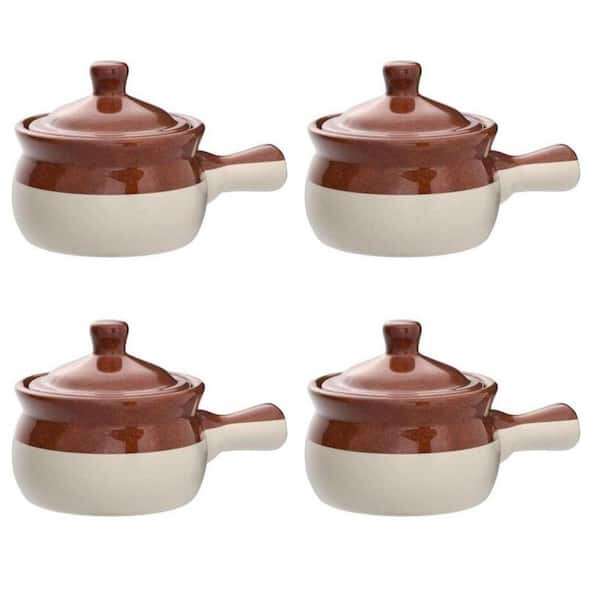
Are Soup Bowls Oven Safe: Kitchen Safety Guide
Some soup bowls are oven safe, but only when their material and maker’s label allow oven use.
Knowing whether soup bowls are oven safe can prevent cracked dishes, burns, and a messy dinner. The answer depends on the bowl’s material, glaze, design, and heat rating. This guide explains how to check your bowls, use them safely, and avoid thermal shock with clear advice based on cookware safety principles and real kitchen practice.
Are soup bowls oven safe?
Some soup bowls are oven safe, while others can break or release unsafe materials when heated. A bowl is safe for oven use only if the manufacturer designed and tested it for high heat.
Look for words or symbols on the bottom of the bowl, its packaging, or the care guide. Common labels include:
• Oven safe
• Safe for conventional oven
• Heat resistant
• Safe up to 350°F, 400°F, or another stated temperature
• A small oven icon
If you cannot find a clear label, do not assume the bowl is oven safe. “Microwave safe” and “dishwasher safe” do not mean the same thing as oven safe.
A microwave warms food in a different way than an oven. A dishwasher uses hot water and steam, but it does not expose the bowl to dry, direct oven heat. The safest rule is simple: if the bowl has no oven-safe marking, use it only for serving or reheating in approved ways.

Which soup bowl materials are oven safe?
The material is one of the best clues, but it is not the only factor. A ceramic bowl may be oven safe, while another ceramic bowl may crack under the same heat.
Ceramic and stoneware bowls
Many stoneware and oven-rated ceramic bowls are safe for baking or warming soup. Their thick walls hold heat well and can move from the oven to the table with care.
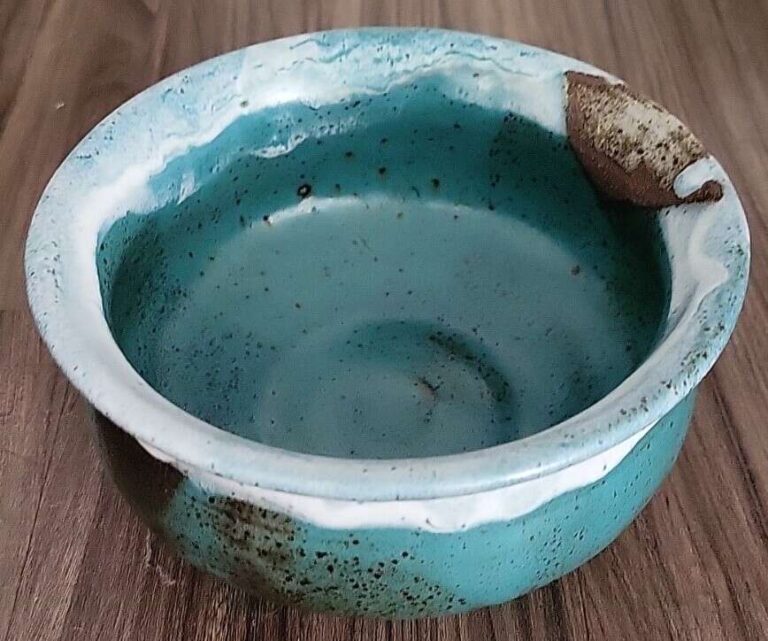
Still, handmade ceramic bowls may have uneven walls, air pockets, or decorative glazes. These features can make them more likely to crack. Always follow the maker’s instructions.
Porcelain bowls
Porcelain is often fired at a high temperature and may handle oven heat well. Many porcelain soup bowls are oven safe, especially those made for baked soups, French onion soup, or individual casseroles.
Do not rely on the word “porcelain” alone. The shape, glaze, rim, and manufacturer’s testing also matter.
Tempered glass bowls
Some tempered glass bowls can go in the oven. Others are made only for cold food, microwave use, or storage.
Check the exact product instructions. Even oven-rated glass can break if moved from a hot oven to a cold counter, wet surface, or chilled food.
Metal bowls
Stainless steel bowls are usually heat resistant, but they are not always practical as soup bowls. Metal becomes extremely hot and may have handles, coatings, or decorative parts that are not oven safe.
Never place a bowl with plastic grips, rubber feet, painted details, or unknown coatings in the oven unless the label approves it.
Plastic, melamine, and resin bowls
Plastic soup bowls are not usually oven safe. Melamine and resin bowls can warp, melt, stain, or release unwanted chemicals when exposed to oven heat.
Even if a plastic bowl looks strong, keep it out of a conventional oven unless the manufacturer clearly states otherwise.

How to tell if a soup bowl is oven safe
A careful check takes less than a minute and can save a bowl. Before heating any soup bowl, inspect it and confirm its use instructions.
Follow these steps:
- Turn the bowl over and check for an oven icon or printed temperature limit.
- Read the packaging or care guide if you still have it.
- Search the exact brand and product name if the marking is unclear.
- Inspect the bowl for chips, cracks, crazing, or deep scratches.
- Remove lids, silicone parts, plastic handles, and decorative pieces unless each part is oven rated.
- If no reliable information exists, choose a known oven-safe dish instead.
A bowl that says “heat resistant” may not be safe for a very hot oven. Heat resistance can refer to hot food or warm water, not baking temperatures. The temperature limit matters.
Also check whether the bowl is safe under a broiler. Broiler heat comes from intense, direct heat above the food. A bowl that is oven safe at 350°F may not be broiler safe.

Why oven-safe soup bowls can still break
The biggest danger is thermal shock. This happens when one part of the bowl heats or cools much faster than another part.
Think of the bowl like a frozen window. If one area warms quickly while another stays cold, stress builds inside the material. The bowl may crack, split, or shatter without much warning.
Common causes include:
• Putting a cold bowl into a hot oven
• Pouring cold liquid into a hot bowl
• Setting a hot bowl on a cold stone counter
• Placing a hot bowl on a wet towel
• Heating an empty bowl
• Moving a hot bowl into a freezer
• Using a damaged or chipped bowl
• Exposing glass or ceramic to sudden temperature changes
In my own kitchen testing, the most common mistake is not the oven temperature. It is the temperature change before or after heating. A bowl may handle 400°F steadily, yet fail when a cook places it on a cool, damp surface.
Use a dry towel, wooden board, or heat-safe trivet under a hot bowl. Let the bowl cool naturally before washing or chilling it.

How to safely use soup bowls in the oven
If your bowl is labeled oven safe, you should still heat it with care. Safe use means controlling both temperature and movement.
Use this method:
- Check the bowl for damage before each use.
- Confirm the maximum temperature.
- Avoid moving a cold bowl directly into a fully heated oven.
- Place the bowl on a baking sheet for better support.
- Leave space around the bowl so hot air can move freely.
- Keep the bowl away from direct heating elements.
- Use oven mitts when removing it.
- Set it on a dry, heat-safe surface.
- Let it cool before adding cold liquid or washing it.
A baking sheet adds stability. It also helps catch spills and makes it easier to remove small bowls from the oven. Do not place a bowl directly on the oven floor unless the manufacturer specifically allows it.
If you are warming soup, a covered oven-safe casserole may work better than a shallow soup bowl. Soup can bubble over, and its high water content may heat unevenly. Stirring the soup during heating helps spread heat and reduce hot spots.
Can you put soup bowls in a preheated oven?
Sometimes, but the safest approach depends on the bowl and the manufacturer’s directions. Some oven-safe ceramic and stoneware bowls can enter a preheated oven. Others require a gradual temperature increase.
If the instructions are missing, place the bowl in a cool oven and let both the bowl and oven heat together. This reduces the sudden temperature change. However, do not use this method if the bowl’s instructions forbid it.
Never place a cold glass bowl into a hot oven unless the product specifically says it can handle that use. Glass may fail from thermal shock even when it has no visible damage.
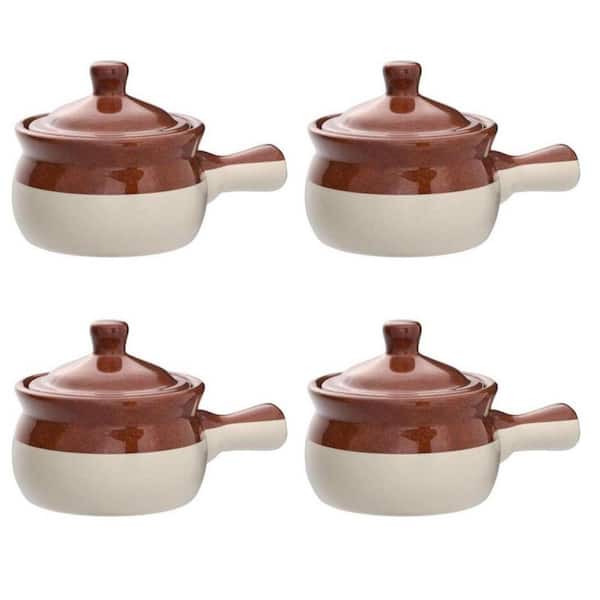
For baked soup, such as French onion soup, use bowls made for high-heat cooking. These usually have an oven-safe label, thick walls, and handles designed for safe removal.

Are oven-safe soup bowls safe for broilers?
Oven safe does not always mean broiler safe. A broiler exposes the bowl to strong radiant heat that can be much harsher than normal baking.
Only use a bowl under the broiler if the manufacturer clearly approves broiler use. Keep it at the recommended distance from the heating element, and avoid placing it directly under intense flame or an exposed coil.
Broiler-safe bowls are often made from specific ceramic, cast iron, or heat-rated glass. Plastic, melamine, decorated ceramics, and ordinary serving bowls should stay far from the broiler.
If you are unsure, brown the cheese or topping in a separate broiler-safe dish. Then transfer the soup to a serving bowl after cooking.
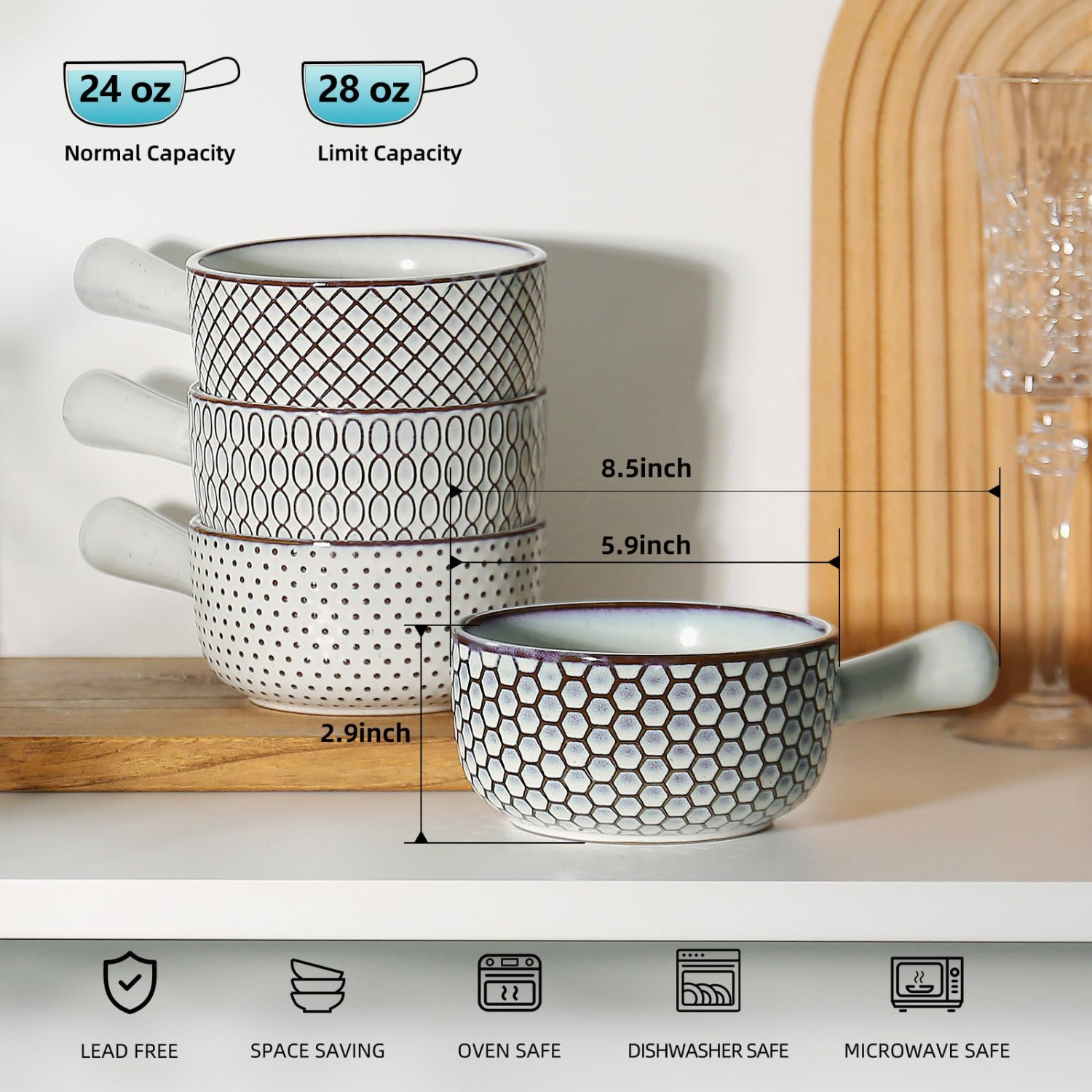
What does “oven safe up to 350°F” mean?
This label means the bowl has been designed and tested for oven use up to 350°F under stated conditions. It does not mean the bowl can safely handle any oven setting.
Stay below the listed limit. Account for preheating, broiling, direct heat, and sudden temperature changes. A bowl rated to 350°F may not be safe at 450°F or under a broiler.
Temperature labels also may not cover lids, handles, decorations, or accessories. Check each part separately. A ceramic bowl may be oven safe while its plastic lid is not.
If a label says “oven safe to 400°F,” treat that as a maximum, not a target. Lower heat is usually gentler and gives you more safety margin.

Common mistakes to avoid
Many broken bowls result from small mistakes rather than bad products. Avoid these habits when using soup bowls in an oven:
• Assuming every ceramic bowl is oven safe
• Treating microwave-safe as oven-safe
• Using a cracked, chipped, or crazed bowl
• Heating an empty bowl
• Placing a hot bowl on a wet counter
• Adding cold broth to a hot bowl
• Using a bowl with an unapproved plastic lid
• Putting a bowl under the broiler without checking
• Exceeding the printed temperature limit
• Washing a hot bowl with cold water
Crazing means a network of fine cracks in a glaze. It may look like a faint web across the surface. Crazed bowls can absorb moisture and become weaker, so they are poor choices for oven use.
If a bowl ever makes a sharp popping sound, develops a crack, or shows a new chip, stop using it for heating. Allow it to cool, then replace it.
Best alternatives for oven-heated soup
If you are uncertain whether soup bowls are oven safe, choose a purpose-made baking dish. These options are easier to identify and often come with clear temperature instructions.
Good choices include:
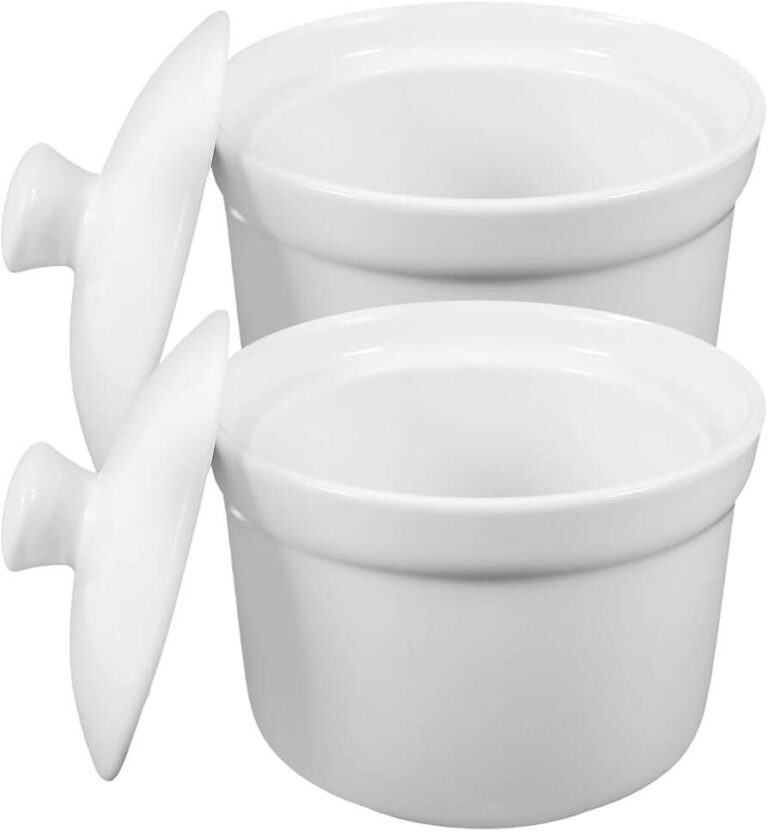
• Oven-rated stoneware crocks
• Ceramic French onion soup bowls
• Heat-safe borosilicate glass dishes
• Cast-iron soup pots
• Stainless steel oven dishes
• Small ceramic ramekins marked for baking
For large batches, heat soup in a stockpot or Dutch oven. Ladle it into serving bowls after cooking. This method is safer and helps prevent spills.
For individual portions, use a labeled oven-safe crock on a baking sheet. Leave space at the top because soup expands and may bubble during heating.
Frequently Asked Questions
Are all ceramic soup bowls oven safe?
No. Some ceramic bowls are made for serving only and may crack in an oven. Check the bottom, packaging, or manufacturer’s care instructions before heating one.
Can I put a microwave-safe soup bowl in the oven?
Not necessarily. Microwave-safe means the bowl can handle microwave heating, while oven-safe means it can withstand conventional dry heat. Use the bowl in an oven only when it has a clear oven-safe rating.
Can soup bowls go from the refrigerator to the oven?
Only if the manufacturer specifically says the bowl can handle that temperature change. Most ceramic and glass bowls should warm gradually because cold-to-hot changes can cause thermal shock.
Are porcelain soup bowls oven safe?
Many porcelain soup bowls are oven safe, but not all are. Confirm the product rating and check for damage before placing the bowl in an oven.
Can I use soup bowls under the broiler?
Use them under a broiler only when the manufacturer clearly lists broiler safety. Normal oven safety does not automatically include broiler safety.
Can I bake French onion soup in a soup bowl?
Yes, if the bowl is made for oven use and can handle the stated temperature. Use oven mitts, place the bowl on a baking sheet, and let it cool on a dry, heat-safe surface.
What should I do if my soup bowl has no label?
Do not use it in the oven if you cannot confirm its rating. Transfer the soup to a labeled oven-safe dish or heat it in a pot.
Conclusion
So, are soup bowls oven safe? Some are, but the answer depends on the bowl’s material, construction, condition, and exact temperature rating. Ceramic, porcelain, stoneware, and some glass bowls may be suitable, while plastic, melamine, and unlabeled dishes should stay out of the oven.
Check the label, avoid thermal shock, use a baking sheet, and keep hot bowls away from cold or wet surfaces. When in doubt, choose a purpose-made oven-safe crock or casserole dish. Share this guide with another home cook, and check your bowl markings before your next baked soup meal.

Liora Pennings is a seasoned chef and kitchen enthusiast with a passion for turning everyday cooking into an effortless experience. With years of hands-on culinary expertise, she specializes in practical techniques, ingredient know-how, and smart kitchen solutions that help home cooks elevate their meals. At KitchFlair.com, Liora shares her best tips, time-saving tricks, and honest product reviews to guide readers toward a more efficient, enjoyable, and inspired cooking routine. Whether you’re a beginner or a seasoned home chef, Liora’s friendly, knowledge-packed insights make every visit to the kitchen a little easier—and a lot more delicious.