Are Silicone Bowls Microwave Safe: Safety Guide
Yes, most food-grade silicone bowls are microwave safe when labeled and used according to the maker’s instructions.
Are silicone bowls microwave safe? Usually, yes—but the answer depends on the bowl’s material, design, condition, and care instructions. Food-grade silicone can handle microwave heat well, yet safe use still requires care around steam, hot food, plastic lids, and sudden temperature changes. This guide explains how to check a silicone bowl, use it safely, and avoid common mistakes.

Are silicone bowls microwave safe?
Most high-quality, food-grade silicone bowls are microwave safe. Silicone does not melt like many ordinary plastics. It can stay flexible at high temperatures, which makes it useful for food storage, baking, reheating, and meal prep.
However, “silicone” alone does not guarantee safe microwave use. A bowl may contain fillers, coatings, dyes, or attached parts that do not handle microwave heat well. Always check the base, packaging, or care guide for words such as “microwave safe.”
Are silicone bowls microwave safe if there is no label? They may be, but you should not assume it. If the maker gives no clear guidance, use a glass or ceramic bowl for reheating instead.
Food-contact silicone made for kitchen use is generally designed to resist heat and remain stable. Reputable products are also tested for food-contact use under applicable safety rules. Still, testing does not remove the need to follow the product instructions.
Why silicone works well in a microwave
A microwave heats food mainly by making water molecules move. The bowl itself does not absorb microwave energy in the same way that food does. As a result, silicone often stays cooler than the food inside it.
This does not mean the bowl will always be cool. Hot food, steam, oil, and the bowl’s contact with the food can all raise its temperature. A bowl filled with soup may feel very hot after heating, even when the silicone itself is not the main source of heat.
Silicone has several useful traits for microwave cooking:
• It is flexible and lightweight.
• It resists cracking from normal microwave heat.
• It does not rust or absorb water.
• It can handle many hot and cold food temperatures.
• It is easy to clean when the surface is smooth and intact.
Think of silicone as a heat-resistant rubber. It bends and handles heat well, but it still has limits. A microwave-safe silicone bowl is not a license to expose it to direct flames, a broiler, or extreme heat for long periods.

How to tell if a silicone bowl is microwave safe
A careful check takes less than a minute. Look at the bowl and its packaging before placing it in the microwave.
Use these steps:
-
Check for a microwave-safe symbol. This may look like a microwave oven with wavy lines.
-
Read the base or product label. Look for “microwave safe,” “microwaveable,” or clear heating instructions.
-
Confirm that it is made for food use. Craft silicone, industrial silicone, and unknown flexible materials are not suitable substitutes.
-
Inspect the bowl for added parts. Metal trim, foil decorations, electronic tags, and some rigid plastic pieces should not go in the microwave.
-
Check the lid separately. A silicone bowl may be microwave safe while its lid is not.
-
Review the maximum temperature. Follow the lower limit if the bowl and lid have different ratings.
A food-grade label is helpful, but it is not the same as a microwave-safe label. Food-grade means the material is intended to contact food. Microwave safe means the product has been designed and tested for microwave use under stated conditions.
If the label is missing, contact the manufacturer. This is especially important for imported products, handmade bowls, and older items with no care guide.
How to use silicone bowls safely in the microwave
Even when are silicone bowls microwave safe, the way you use them matters. Safe reheating is simple, but a few habits prevent burns, spills, and damage.
Leave room for steam
Do not fill the bowl to the rim. Leave space for food to expand and for steam to move. This is important with oatmeal, soup, rice, pasta, and sauces.
If the bowl has a lid, use the vent or leave one corner slightly open if the instructions allow it. A sealed container can build pressure. When opened, it may release a burst of hot steam.
Heat in short intervals
Use short heating periods instead of one long cycle. Heat for 30 to 60 seconds, stir the food, and continue until it reaches the desired temperature.
This approach helps prevent hot spots. It also gives you a chance to check the bowl, lid, and food before they become dangerously hot.
Use oven mitts
Silicone may remain easy to hold in some cases, but hot food can heat the bowl. Steam can also burn your hands and face. Lift the lid away from yourself, just as you would with a hot pot.
Avoid empty heating
Never microwave an empty silicone bowl for an extended time. The microwave energy has no food or liquid to absorb it. This can create unnecessary heat and may damage the bowl or the microwave.
Stir before eating
Microwaves can heat food unevenly. Stir food from the center outward, then let it stand for a short time. This is especially important for baby food, thick sauces, leftovers, and meat dishes.
What should not go in a silicone bowl microwave
Silicone bowls are useful, but they are not suited to every microwave task. Avoid these situations unless the product instructions clearly approve them:
• Foods with a large amount of oil or sugar for long heating periods.
• Empty bowls.
• Bowls with metal rims, foil labels, or metal decorations.
• Sealed bowls with no steam vent.
• Damaged, torn, sticky, or strongly discolored bowls.
• Bowls placed directly on a microwave browning element unless approved.
• Products labeled only for cold storage.
Oil and sugar can become much hotter than water-based foods. A small amount of butter, caramel, syrup, or cooking oil may create intense heat that can stain, weaken, or damage silicone.
Do not use a silicone bowl under a broiler or on a stovetop unless the product specifically says it is designed for that use. A microwave-safe label does not automatically mean stovetop safe, oven safe, or flame safe.
Are silicone bowl lids microwave safe?
Sometimes, but not always. The bowl and lid may be made from different materials and have different heat limits.
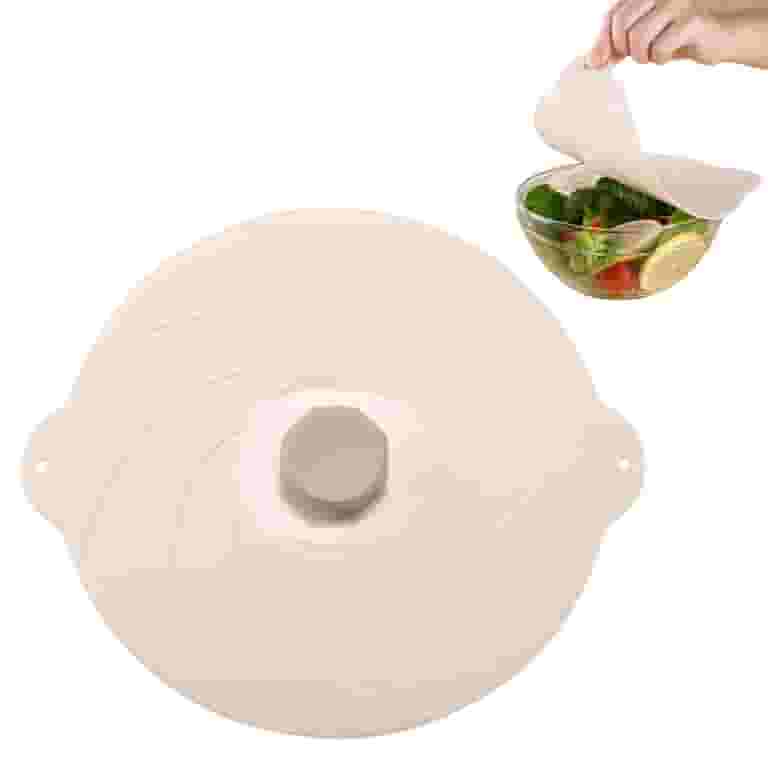
Some silicone lids are safe for covering food during microwave heating. Others are designed only for refrigerator or freezer storage. Rigid plastic lids may warp, soften, or trap pressure even when the silicone bowl is safe.
Before heating, check the lid for:
• A microwave-safe label.
• A steam vent or loose corner design.
• Metal parts or decorative pieces.
• Instructions about maximum heat and heating time.
If you cannot confirm that the lid is microwave safe, remove it or cover the bowl with a microwave-safe plate. Do not snap a lid tightly shut during heating unless the manufacturer specifically designed it for pressure release.
Advantages of reheating food in silicone bowls
Silicone bowls offer several practical benefits for everyday cooking. They are especially helpful for busy kitchens, packed lunches, and small portions.
Flexible and easy to store
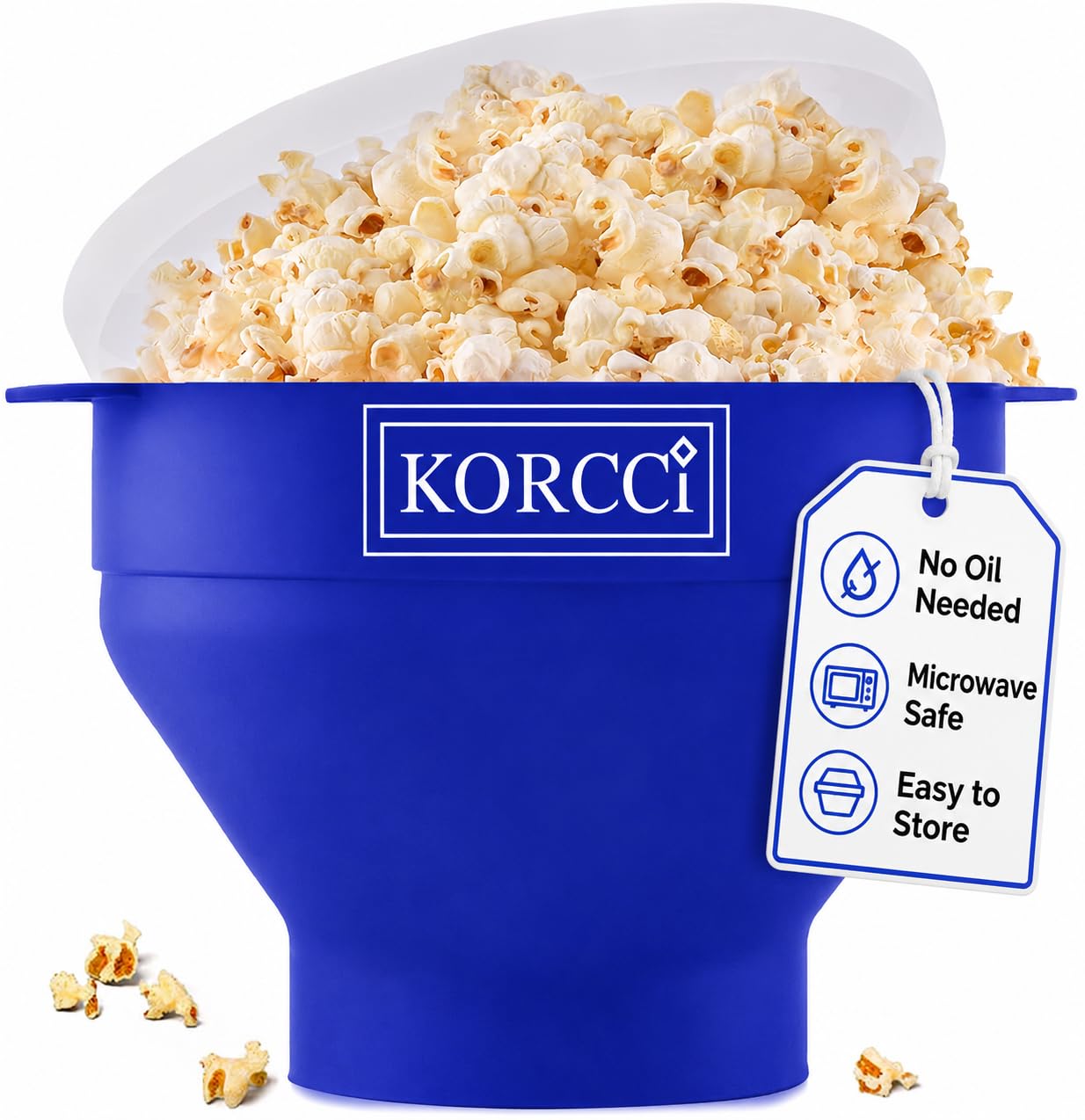
A silicone bowl can often be folded or nested. This saves cabinet space and makes it useful in small kitchens, dorm rooms, and RVs.
Lightweight for travel
Silicone weighs less than glass or ceramic. A collapsible bowl can be convenient for work lunches and outdoor meals.
Resistant to breakage
Unlike glass, silicone is not likely to shatter if dropped. This can make it a safer choice around children, though hot food and steam still need adult care.
Simple cleanup
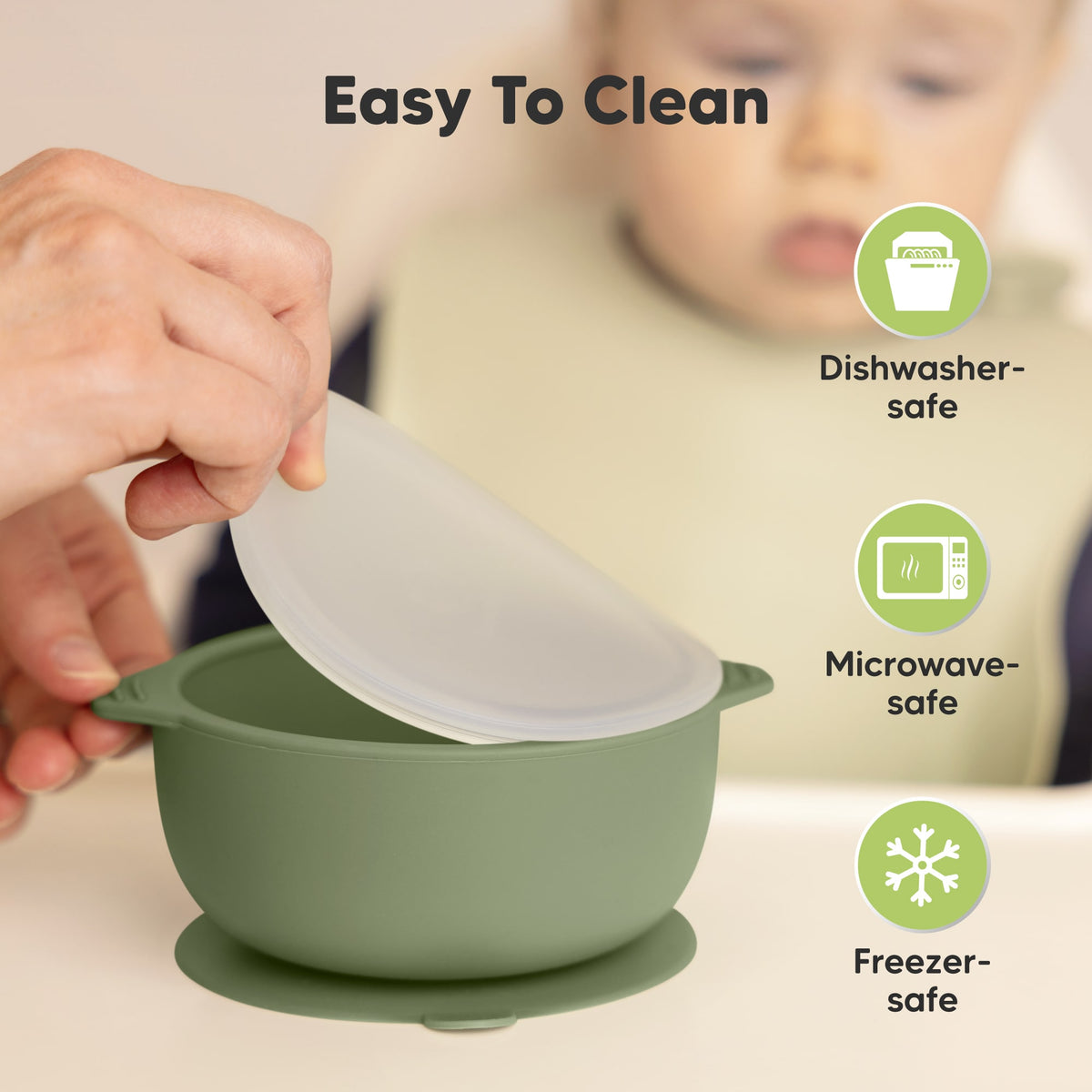
Many silicone bowls are dishwasher safe. Their smooth surface also makes hand washing easy. Wash away greasy foods soon after use, since silicone can hold odors if oil stays on the surface.
Useful across temperature ranges
A well-made silicone bowl may work in the freezer, microwave, and oven within its stated limits. Always check the product rating instead of assuming all silicone products have the same performance.
Possible drawbacks and safety limits
Silicone is not perfect. Some bowls feel flimsy when filled with hot food. A flexible bowl can bend suddenly, causing soup or pasta to spill.
Silicone may also absorb odors from foods such as garlic, curry, tomato sauce, or fish. This does not always mean the bowl is unsafe, but it can make the bowl unpleasant to use.
Watch for these warning signs:
• A strong chemical smell that does not fade after washing.
• A sticky or oily surface.
• Cracks, cuts, tears, or thinning areas.
• A change in texture.
• Peeling coatings or loose parts.
• Permanent stains combined with surface damage.
A stain alone does not prove that a bowl is unsafe. But if the surface has changed, replace the bowl. Damaged silicone is harder to clean and may no longer protect food from contact with underlying materials.
Low-quality products may also contain fillers. One simple home check is the “pinch test”: when you pinch or twist some silicone products, a white line may appear if fillers are present. This test is not a certified safety test, so treat it only as a warning sign. A clear label, known manufacturer, and reliable care instructions matter more.
Cleaning and caring for microwave-safe silicone bowls
Good care helps a silicone bowl last longer. It also reduces odors and food buildup.
Follow these care tips:
• Wash the bowl before its first use.
• Use warm water and mild dish soap.
• Remove oily residue promptly.
• Use a soft sponge instead of a sharp scrubber.
• Dry the bowl fully before storing it.
• Avoid knives and forks inside the bowl.
• Inspect the bowl from time to time.
For stubborn smells, soak the bowl in warm water with baking soda. You can also wash it in the dishwasher if the product instructions permit it. Avoid strong solvents, abrasive powders, and harsh tools that can scratch or weaken the surface.
A bowl that smells slightly after a spicy meal may still be usable. A bowl with a lasting chemical odor, sticky texture, or visible damage deserves more caution. Replacing a low-cost bowl is better than taking an avoidable risk.
Common mistakes to avoid
Many microwave problems come from use, not from the silicone itself. These mistakes are easy to prevent.
• Assuming every silicone product is microwave safe.
• Heating food in a sealed container.
• Filling the bowl too high.
• Heating oily food for too long.
• Removing the lid toward your face.
• Carrying hot soup in a flexible bowl without support.
• Using a damaged bowl.
• Leaving a microwave running with an empty bowl.
• Putting a silicone bowl near a grill or open flame.
One practical lesson is to support flexible bowls from underneath. A full silicone bowl can bend when lifted from one side. Place it on a plate or tray if it contains soup, stew, or another liquid.
Another useful habit is to reheat in stages. Short cycles reduce splashing, protect the bowl, and help food heat more evenly. This small change often makes microwave cooking safer and less messy.
A simple safety test for an unfamiliar bowl
If you cannot find the instructions, the safest choice is not to microwave the bowl. Use glass or ceramic instead, or contact the maker.
Some people use a water test with an empty bowl and a cup of water beside it. This is not a certified safety test, and it cannot prove that the silicone is food safe or free from unwanted fillers. It may show whether the bowl becomes unusually hot, but it should not replace proper labeling.
If you perform any cautious check, stop immediately if you notice smoke, a strong odor, warping, unusual heat, or surface changes. Never test an unknown product with food inside it.
The most reliable method is product verification. Confirm the material, manufacturer, microwave rating, and care instructions. When those details are missing, choose a known microwave-safe container.

Are silicone bowls microwave safe for baby food?
Many are, but check the exact product label first. Baby food should be heated in short intervals, stirred well, and tested before serving because microwaves can create hot spots.
Do not heat baby food in a sealed container. Remove or loosen the cover, stir the food thoroughly, and make sure the temperature is safe throughout.
Are silicone bowls microwave safe for boiling water?
A microwave-safe silicone bowl may hold hot water, but boiling water can cause burns and sudden steam. Use a bowl with enough space, heat in short intervals, and handle it with care.
Do not fill it to the top. Keep your face and hands away from the opening when removing a cover.
Can silicone bowls melt in the microwave?
High-quality food-grade silicone usually does not melt under normal microwave heating. It can still scorch, weaken, warp, or become damaged when exposed to extreme heat, long heating times, direct heating elements, or very hot oil.
Follow the maker’s temperature and time limits. Replace the bowl if its surface becomes sticky, cracked, or distorted.
Can you microwave silicone bowls with food inside?
Yes, if the bowl is labeled microwave safe and the food is suitable for microwave heating. Leave space for expansion, vent the cover, and use short heating periods.
Stir the food during heating to reduce hot spots. Be careful with thick, oily, or sugary foods because they can become extremely hot.
Are silicone bowls safer than plastic bowls in the microwave?
Silicone can be a good alternative to some plastic containers, especially when it is clearly labeled for food contact and microwave use. However, safety depends on the quality and design of the product, not just the material name.
A certified microwave-safe glass bowl is also a reliable option. Choose the container with clear labeling and follow its instructions.
How long can a silicone bowl stay in the microwave?
There is no single time limit for every silicone bowl. The safe time depends on the food, power level, bowl design, and instructions from the manufacturer.
Use short intervals and avoid empty heating. If the bowl becomes unusually hot, smells odd, or changes shape, stop using it.
Conclusion
Are silicone bowls microwave safe? In most cases, yes, when the bowl is made for food use, clearly labeled for microwave heating, and used within its limits. Keep lids vented, leave room for steam, heat food in short cycles, and inspect the bowl for damage.
Do not assume that every silicone product is safe simply because it feels flexible. Check the label, use basic microwave safety, and choose glass or ceramic when the product information is unclear. Put these tips into practice, and share your own silicone bowl experience or safety question in the comments.

Liora Pennings is a seasoned chef and kitchen enthusiast with a passion for turning everyday cooking into an effortless experience. With years of hands-on culinary expertise, she specializes in practical techniques, ingredient know-how, and smart kitchen solutions that help home cooks elevate their meals. At KitchFlair.com, Liora shares her best tips, time-saving tricks, and honest product reviews to guide readers toward a more efficient, enjoyable, and inspired cooking routine. Whether you’re a beginner or a seasoned home chef, Liora’s friendly, knowledge-packed insights make every visit to the kitchen a little easier—and a lot more delicious.