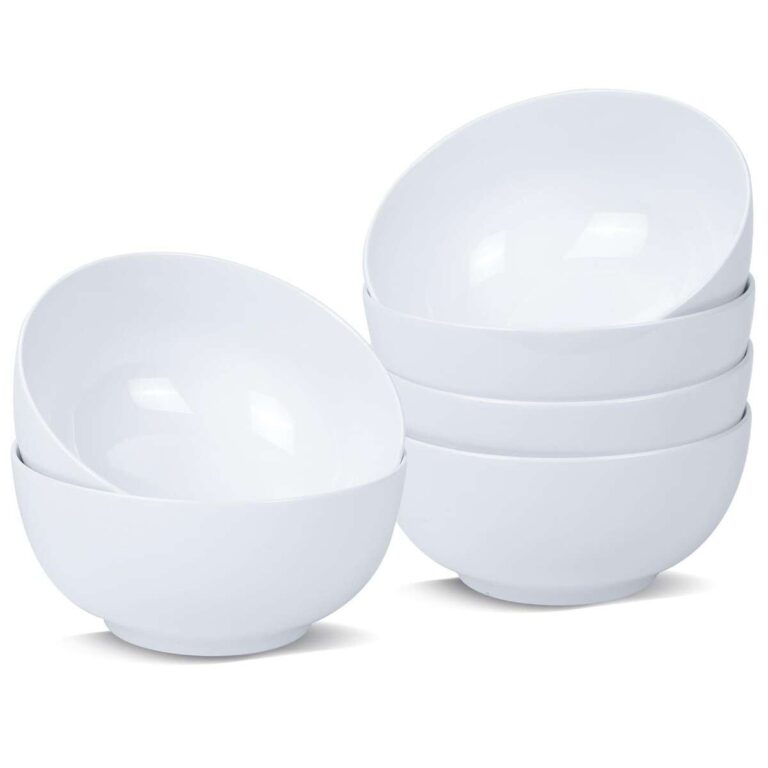
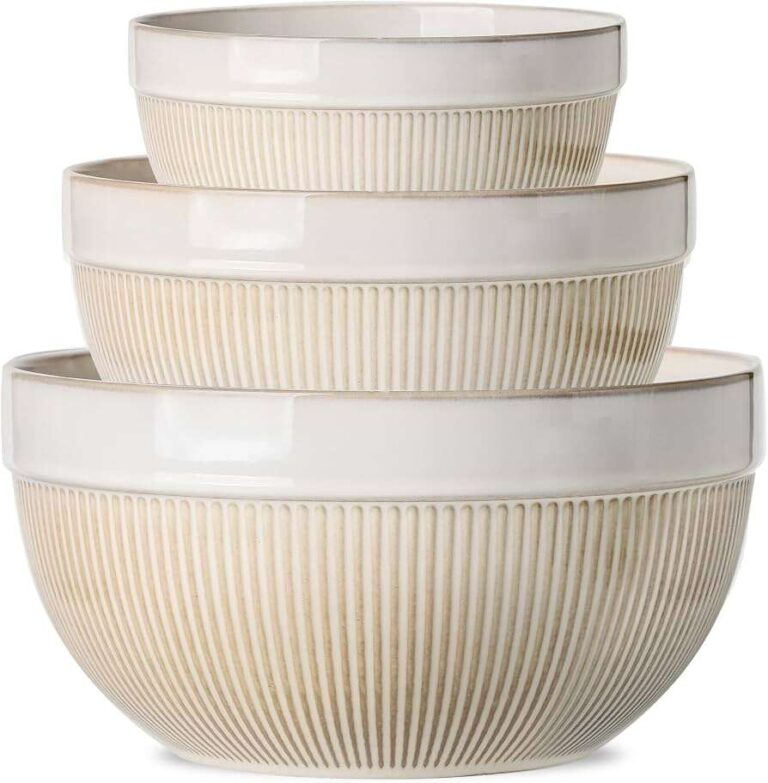
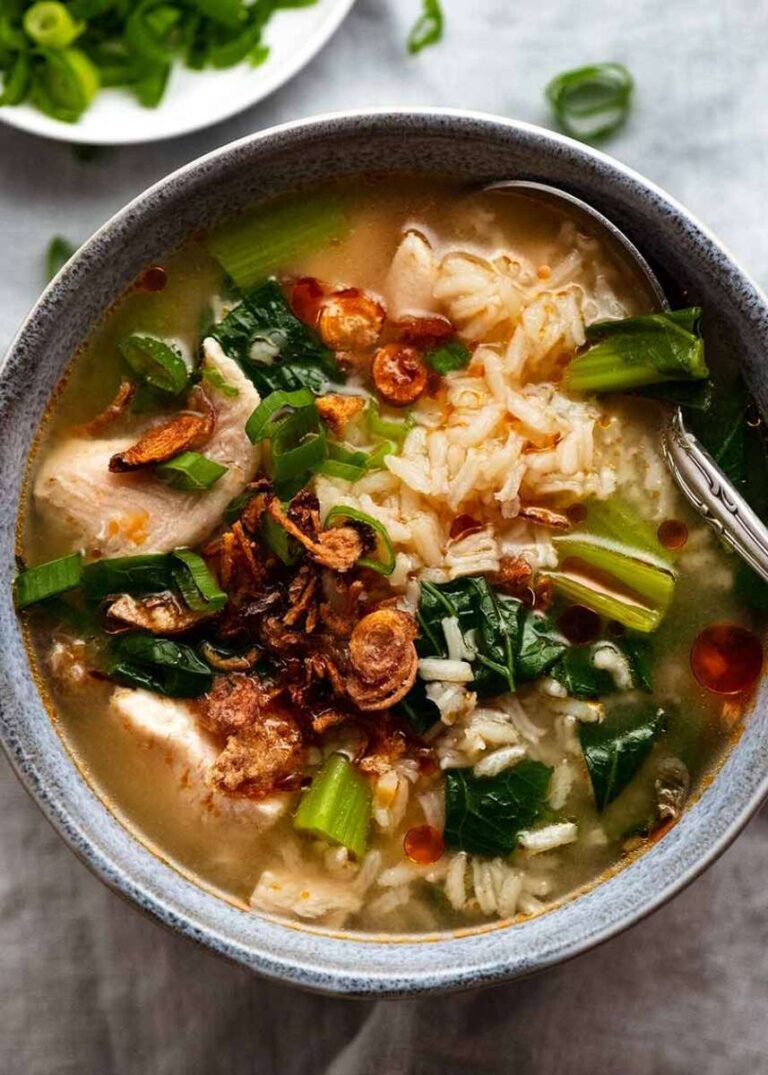
Can Soup Bowls Go In The Oven: Safe Use Guide
Can soup bowls go in the oven? Yes, but only when the bowl is clearly labeled oven-safe.
The answer depends on the bowl’s material, glaze, design, and temperature rating. Ceramic and stoneware soup bowls often handle oven heat well, while plastic, melamine, paper, and ordinary glass may crack, melt, or release harmful chemicals. This guide explains how to check your bowls, avoid thermal shock, and heat soup safely.
:max_bytes(150000):strip_icc()/sea-soup-bowls-group-shot-irvin-lin-02-894e18cc3f0e4dfb9a72c3107c113899.jpeg)
Can Soup Bowls Go in the Oven?
Can soup bowls go in the oven? Some can, but not every soup bowl is made for direct oven heat. The safest choice is a bowl marked “oven-safe” by the manufacturer.
Oven-safe bowls are designed to handle high temperatures without breaking, melting, or changing shape. They are often made from ceramic, stoneware, porcelain, tempered glass, or metal.
A bowl may look strong and still be unsafe. Decorative finishes, tiny cracks, trapped air pockets, and sudden temperature changes can cause failure. When in doubt, use a baking dish or a bowl with clear oven-safe instructions.
What “oven-safe” means
An oven-safe label means the bowl has been tested for use in an oven within a stated temperature range. Some bowls may be safe at 350°F but not under a broiler or on a stovetop.
Look for these markings:
• Oven-safe
• Safe for conventional ovens
• Safe up to a stated temperature
• A manufacturer’s oven-use symbol
• Instructions printed on the package or product page
Do not treat a dishwasher-safe or microwave-safe label as proof that a bowl can go in the oven. These labels describe different types of heat and use.
Which Soup Bowls Are Usually Oven-Safe?
Can soup bowls go in the oven when they are made from ceramic, stoneware, or porcelain? Often, yes. Still, the material alone does not guarantee safety.
The bowl’s shape, glaze, age, and construction also matter. Always check the maker’s instructions before using it in a hot oven.
Ceramic and stoneware bowls
Ceramic and stoneware bowls are common choices for French onion soup, baked pasta, chili, and other hot dishes. Their thick walls hold heat well and can keep soup warm at the table.
However, ceramic is not one single material. Some handmade or decorative bowls may not be fired or glazed for oven use. A bowl with a crack or chip should never go into a hot oven.
Stoneware can also break from thermal shock. Do not move it directly from the refrigerator into a fully heated oven unless the manufacturer says that use is safe.
Porcelain bowls
Porcelain is dense and strong when it is made for cooking. Many porcelain ramekins and soup crocks are oven-safe.
Thin porcelain tableware may have a lower heat limit. It may also contain a decorative metallic rim that is unsafe in some appliances, especially microwaves. Check the care label before heating it.
Tempered glass bowls
Some tempered glass bowls are oven-safe. Others are designed only for serving, refrigeration, or microwave use.
Glass can break when exposed to a fast temperature change. Never place a cold glass bowl into a hot oven unless its instructions specifically allow it. Avoid using glass cookware with cracks, deep scratches, or damaged edges.
Metal bowls
Stainless steel bowls can usually tolerate oven heat, but they are not always practical for soup. Metal heats quickly, may become extremely hot, and can affect cooking time.
Never use a bowl with plastic handles, glued parts, rubber seals, or decorative coatings unless the product instructions confirm oven safety.
Bowls that should not go in the oven
Can soup bowls go in the oven if they are made from plastic or melamine? No, not unless the manufacturer clearly gives an oven-safe rating, which is uncommon.
Keep these items out of the oven:
• Plastic bowls
• Melamine bowls
• Bamboo fiber bowls
• Wooden bowls
• Paper or foam bowls
• Disposable takeout containers
• Bowls with unknown coatings
• Decorative bowls with glued or painted parts
• Regular glass not labeled for oven use
These materials may melt, warp, smoke, crack, or release unwanted substances when heated.
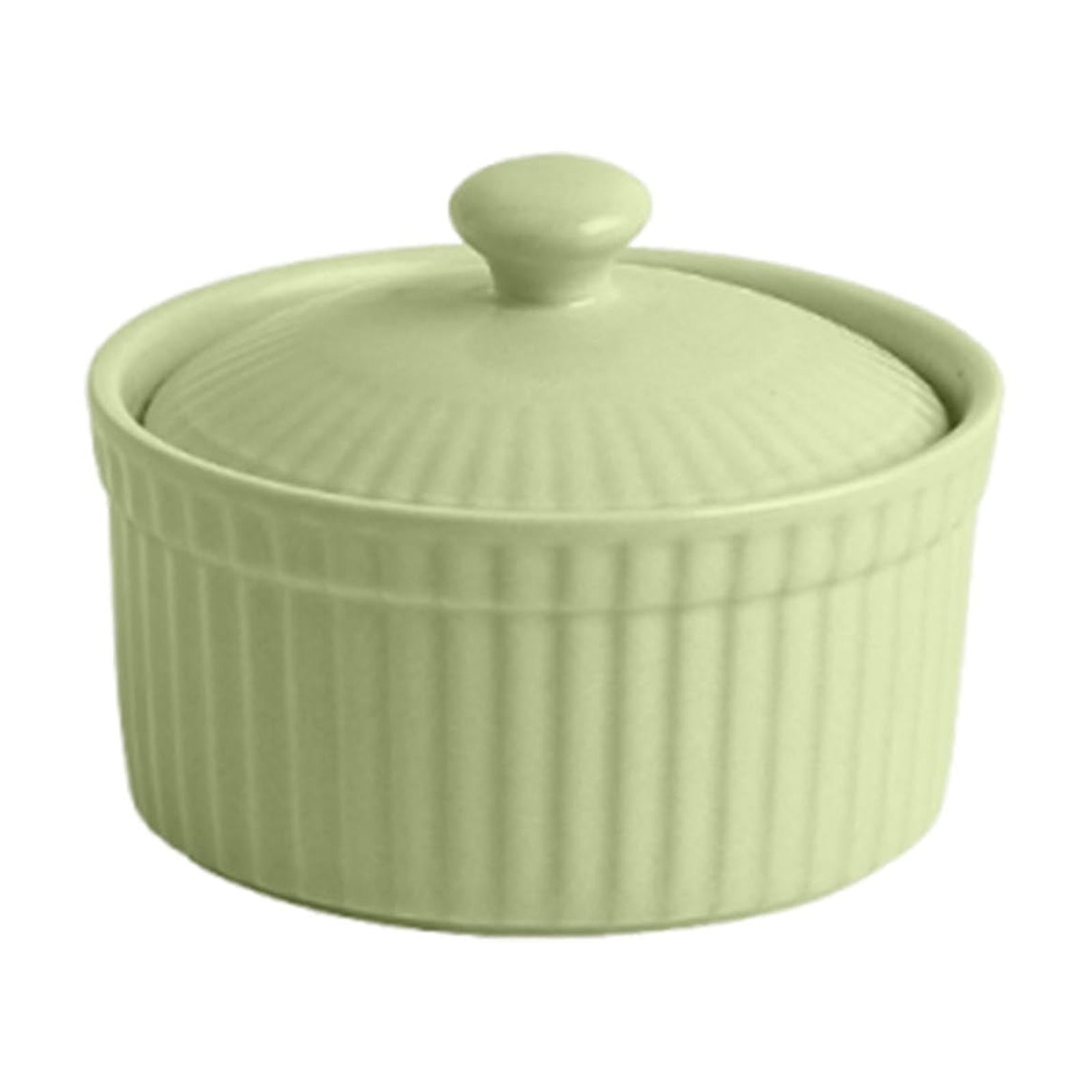
Why Oven Heat Can Break a Soup Bowl
The main danger is thermal shock. This happens when one part of a bowl heats or cools much faster than another part.
Imagine the bowl as a small bridge. If one side expands while the other side stays cold, stress builds in the material. That stress can cause a sudden crack or shatter.
Thermal shock can happen when you:
• Put a cold bowl into a hot oven
• Set a hot bowl on a cold, wet, or stone surface
• Pour cold soup into a hot bowl
• Add frozen food to a hot dish
• Move a hot bowl into cold water
• Heat an empty bowl for too long
Small flaws make the risk higher. A hairline crack may not be visible until the bowl is heated.
Does a hot oven make any bowl unsafe?
No. A hot oven does not automatically make an oven-safe bowl unsafe. The problem is using a bowl beyond its temperature rating or exposing it to sudden temperature changes.
A bowl marked oven-safe to 450°F should not be used under a broiler unless the instructions allow broiling. Broiler heat is intense and comes from a close heating element.
Why empty bowls can be risky
Many bowls are tested with food inside them. Food helps absorb and spread heat.
An empty bowl may heat unevenly, especially when placed close to an oven wall or heating element. If the instructions do not allow empty preheating, do not do it.
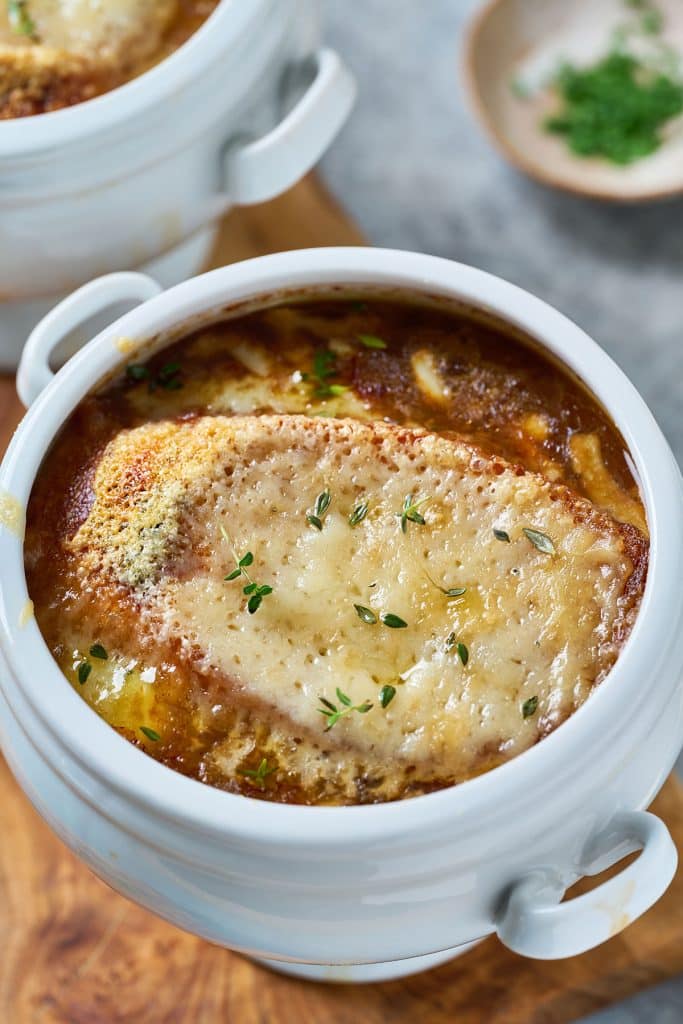
How to Check If a Soup Bowl Is Oven-Safe
Can soup bowls go in the oven if there is no label? It is safer to assume no. A missing label does not prove that the bowl is unsafe, but it gives you no reliable temperature limit.
Use this simple check before heating a bowl:
- Inspect the bottom of the bowl for an oven-safe symbol or printed instructions.
- Check the original packaging or the manufacturer’s care guide.
- Look for the maximum safe temperature.
- Inspect the bowl for cracks, chips, crazing, or loose decorations.
- Confirm that the bowl has no plastic, rubber, wood, or glued parts.
- Check whether broiling, convection cooking, or stovetop use is allowed.
- If the information is unclear, choose a known oven-safe baking dish instead.
Do not rely on appearance. A heavy bowl is not always oven-safe, and a thin bowl is not always unsafe. The product instructions are the best guide.
What the symbols mean
An oven symbol usually looks like a small oven outline. Some brands print a temperature beside it.
A microwave symbol only confirms microwave use. A dishwasher symbol only confirms dishwasher use. These symbols do not replace an oven-safe rating.
If the bottom says “not for oven use,” follow that warning even if the bowl seems sturdy.
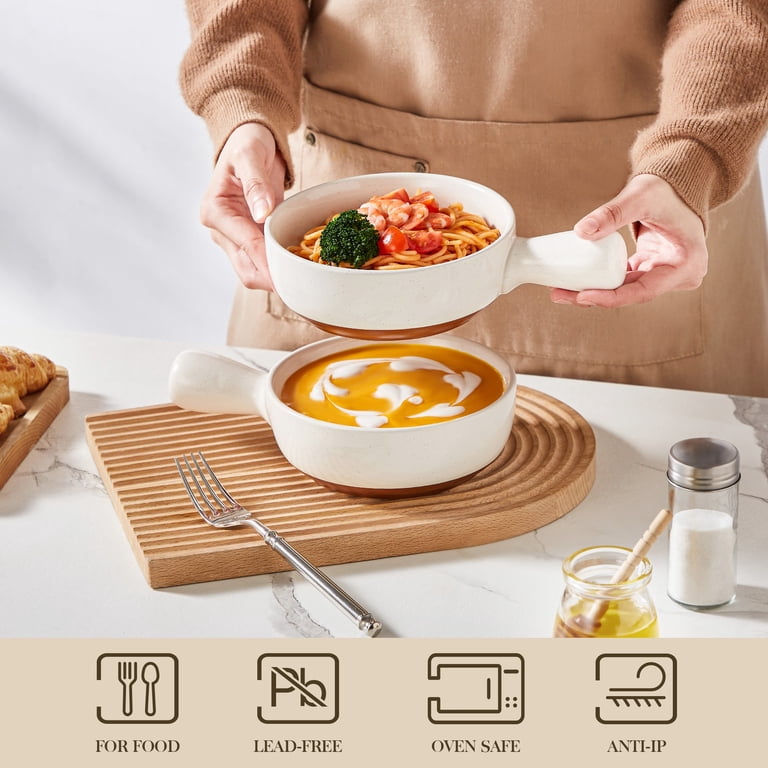
How to Safely Heat Soup in an Oven-Safe Bowl
Can soup bowls go in the oven for reheating? Yes, if the bowl is rated for oven use and you follow a slow, careful method.
Use these steps:
- Read the bowl’s temperature instructions.
- Place the bowl on a room-temperature baking sheet.
- Add the soup before placing the bowl in the oven.
- Put the bowl into a cold or gently preheating oven when allowed by the manufacturer.
- Heat the soup at a moderate temperature, often around 300°F to 350°F.
- Stir the soup once or twice so the heat spreads evenly.
- Use dry oven mitts when removing the bowl.
- Place the hot bowl on a wooden board, dry towel, or heat-safe trivet.
- Let the bowl cool before washing it.
A baking sheet gives the bowl extra support. It also catches spills and makes it easier to lift the hot dish.
How long should soup stay in the oven?
The time depends on the soup’s amount, starting temperature, and thickness. A small serving may need 15 to 25 minutes at moderate heat, while a larger portion may take longer.
Stir the soup to prevent hot and cold spots. For food safety, leftovers should be heated until steaming hot throughout. Thick soups and stews need extra care because the center can stay cold while the surface gets hot.
Should you cover the bowl?
A loose oven-safe lid or piece of oven-safe foil can reduce splatter and moisture loss. Do not seal the bowl tightly, because steam needs a safe way to escape.
Never use plastic wrap in a conventional oven unless the product is specifically rated for that purpose.
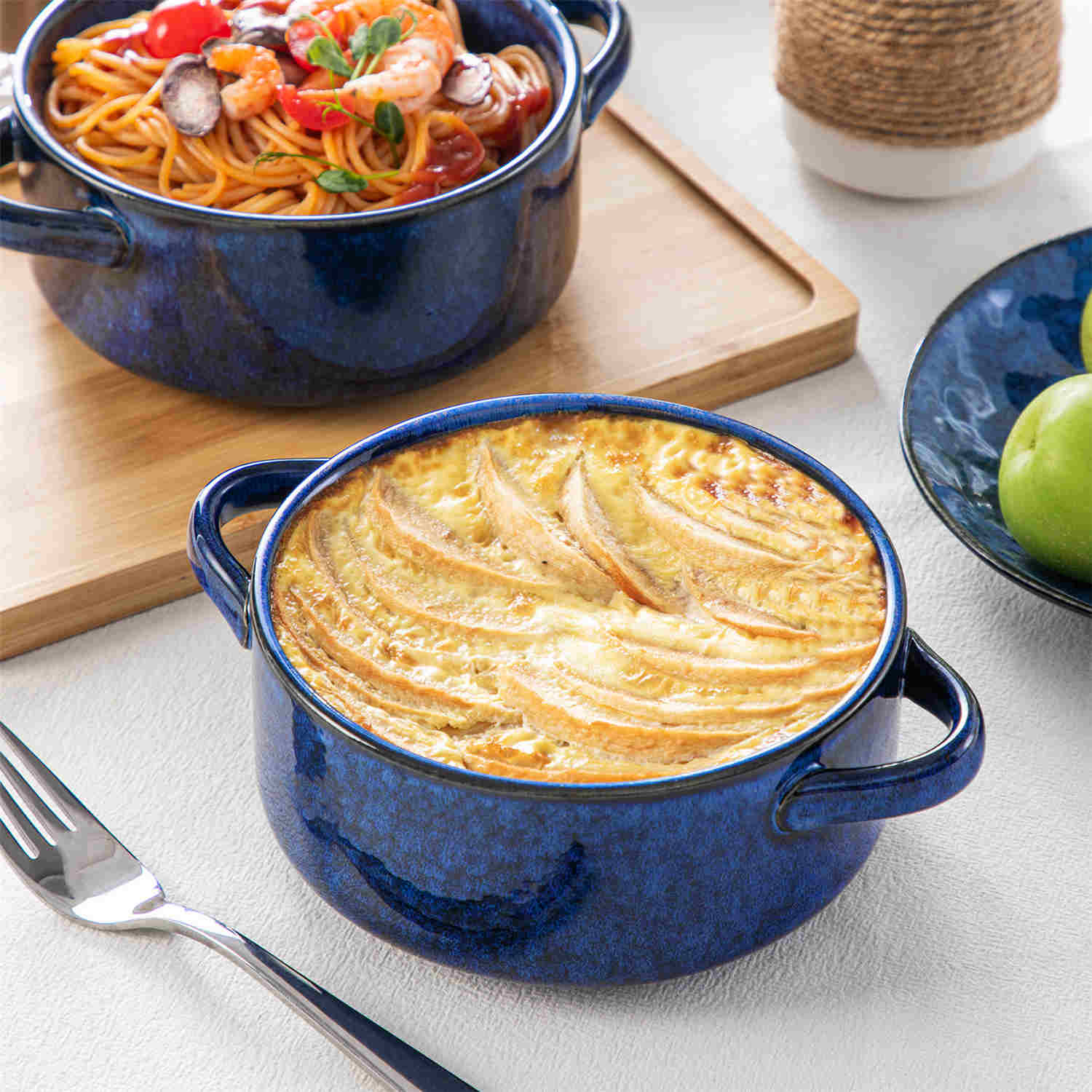
Can You Put a Soup Bowl From the Refrigerator Into the Oven?
Can soup bowls go in the oven straight from the refrigerator? Usually, you should not do this unless the manufacturer specifically permits it.
The sudden change from cold to hot can create thermal shock. This is one of the most common ways glass and ceramic dishes break.
Let the bowl and soup warm closer to room temperature first when possible. If the bowl is designed for refrigerator-to-oven use, follow its temperature limits and avoid moving it directly into a very hot oven.
The same rule works in reverse. Do not place a hot bowl on a cold countertop, marble surface, or wet sink. Use a dry, heat-safe pad.

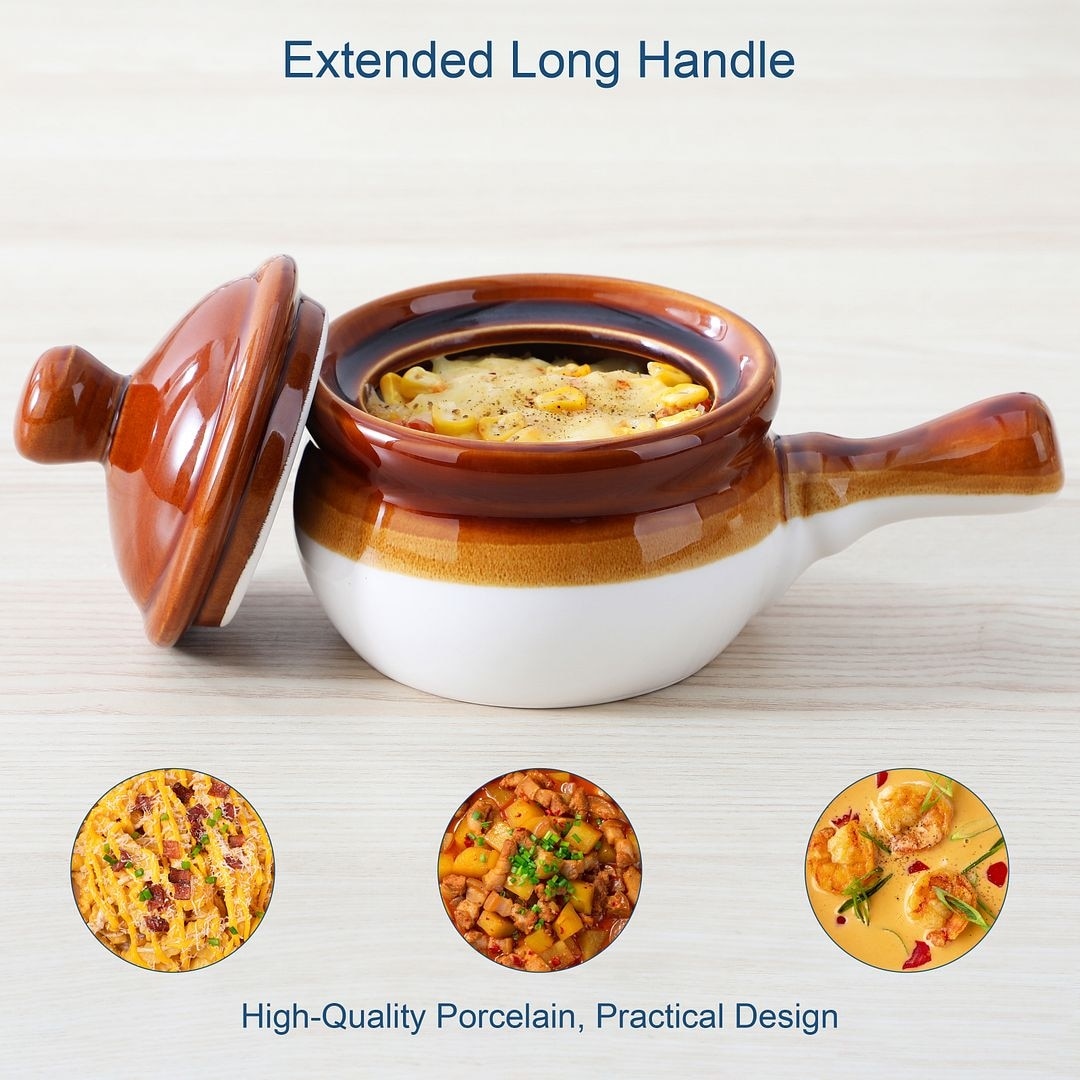
Can You Bake French Onion Soup in a Soup Bowl?
Can soup bowls go in the oven for French onion soup? Yes, many soup crocks are designed for this purpose.
French onion soup bowls are often made from thick stoneware or porcelain. They may include handles and a wide rim for holding bread and melted cheese.
Before using one, confirm that:
• The bowl is labeled oven-safe.
• The handle is made from oven-safe material.
• The cheese or bread does not block safe handling.
• The bowl is not cracked or chipped.
• The temperature stays below the stated limit.
• The bowl is placed on a baking sheet.
Use oven mitts when removing the bowl. Soup crocks hold heat for a long time, so the handles may remain hot even after the top looks cool.
What about the broiler?
Some French onion soup bowls are broiler-safe, but many are not. A broiler can expose the rim and surface to very high, direct heat.
Only use the broiler if the manufacturer clearly approves it. Keep the bowl at the recommended distance from the heating element and watch it closely.
:max_bytes(150000):strip_icc()/SEA-french-onion-soup-recipe-hero-01-cbeea4db88344d00bc2254d4d2df602e.jpg)
Common Mistakes to Avoid
Can soup bowls go in the oven safely if you avoid a few common errors? Yes, careful handling makes a major difference.
Avoid these mistakes:
• Assuming microwave-safe means oven-safe
• Using a bowl with a hairline crack
• Heating a bowl empty
• Starting with a frozen or very cold bowl
• Placing a hot bowl on a cold stone surface
• Using a bowl under the broiler without approval
• Exceeding the listed temperature
• Holding a hot bowl with a damp towel
• Pouring cold liquid into a hot bowl
• Washing a hot bowl with cold water
One mistake I often warn people about is trusting a familiar brand without checking the exact product. A brand may sell both oven-safe stoneware and decorative tableware. The bowls can look almost identical but have different heat limits.
Another lesson is to inspect the base after years of use. Repeated heating, dishwashing, and small impacts can create damage that was not present when the bowl was new.
Oven-Safe Bowl Alternatives
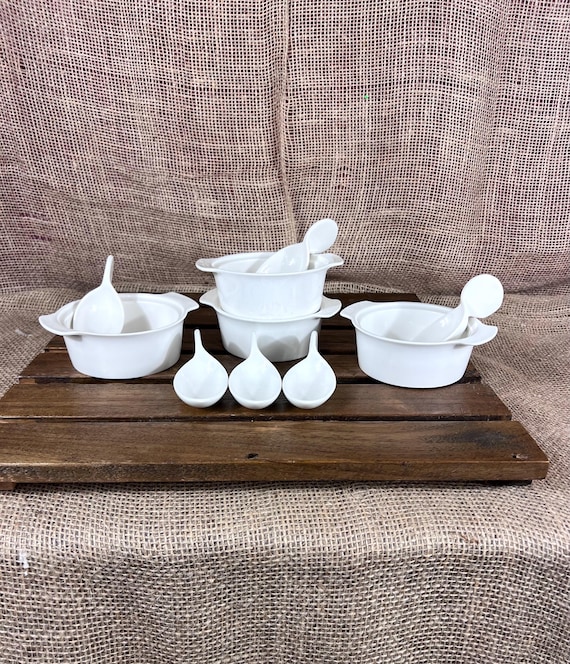
If you are unsure whether can soup bowls go in the oven, use cookware made for baking instead. A small casserole dish, ramekin, Dutch oven, or oven-safe mug may be a better choice.
Good alternatives include:
• Ceramic ramekins labeled oven-safe
• Stoneware soup crocks
• Borosilicate or tempered glass bakeware approved for ovens
• Stainless steel baking cups
• Cast-iron mini pots
• Small ceramic casserole dishes
Transfer the heated soup into a serving bowl after cooking. This method reduces the risk of breaking a tableware bowl and makes cleanup easier.
For fast reheating, a microwave-safe container may be more practical. For stovetop heating, use a saucepan instead of a bowl. Different appliances require different materials.
Safety and Food Quality Tips
Knowing can soup bowls go in the oven is only part of safe soup preparation. The soup itself must also be stored and reheated correctly.
Keep these food safety habits in mind:
• Refrigerate leftovers within two hours.
• Store soup in a covered container.
• Use leftovers within the recommended storage period.
• Reheat only the amount you plan to eat.
• Stir soup so it heats evenly.
• Check that the center is hot, not just the surface.
• Do not repeatedly cool and reheat the same batch.
Dense soups, cream soups, and stews can heat unevenly. Stirring helps distribute heat and prevents a hot surface from hiding a cold center.
If a bowl breaks in the oven, turn off the heat and keep the oven door closed until it cools. Do not touch broken glass or ceramic with bare hands. Throw away food that may contain fragments.
Frequently Asked Questions About Can Soup Bowls Go in the Oven
Can all ceramic soup bowls go in the oven?
No. Some ceramic bowls are made only for serving and may crack under oven heat. Use ceramic bowls only when the manufacturer labels them oven-safe.
Can a microwave-safe soup bowl go in the oven?
Not necessarily. Microwave-safe and oven-safe describe different tests, so check for a separate oven-safe label.
Can I put a cold soup bowl in a hot oven?
Usually, no. A sudden temperature change can cause thermal shock and break the bowl. Let the bowl warm gradually unless the manufacturer approves refrigerator-to-oven use.
Can porcelain soup bowls go in the oven?
Some porcelain bowls can go in the oven, but not all. Check the bowl’s temperature rating and avoid using pieces with metallic trim, cracks, or unknown decorations.
Can soup bowls go under the broiler?
Only if the manufacturer specifically says the bowl is broiler-safe. Broiling creates direct, intense heat that may damage an oven-safe bowl.
Can I reheat soup in a plastic bowl in the oven?
No, unless the plastic bowl has a clear oven-safe rating. Most plastic bowls can melt, warp, or become damaged in a conventional oven.
What should I do if my soup bowl has no label?
Treat it as unsuitable for oven use. Transfer the soup to a verified oven-safe dish instead.
Conclusion
Can soup bowls go in the oven? Yes, but only when the material, design, and manufacturer’s instructions support oven use. Ceramic, stoneware, porcelain, tempered glass, and metal bowls may be suitable, while plastic, melamine, paper, wood, and unknown materials should stay out of the oven.
Check the label, avoid thermal shock, use moderate heat, and place hot bowls on a heat-safe surface. When there is any doubt, choose a verified baking dish rather than risking a broken bowl or spoiled meal.
Take a moment to inspect your soup bowls before the next reheating session, and share this guide with anyone who enjoys hot soup, baked cheese toppings, or homemade casseroles.

Liora Pennings is a seasoned chef and kitchen enthusiast with a passion for turning everyday cooking into an effortless experience. With years of hands-on culinary expertise, she specializes in practical techniques, ingredient know-how, and smart kitchen solutions that help home cooks elevate their meals. At KitchFlair.com, Liora shares her best tips, time-saving tricks, and honest product reviews to guide readers toward a more efficient, enjoyable, and inspired cooking routine. Whether you’re a beginner or a seasoned home chef, Liora’s friendly, knowledge-packed insights make every visit to the kitchen a little easier—and a lot more delicious.