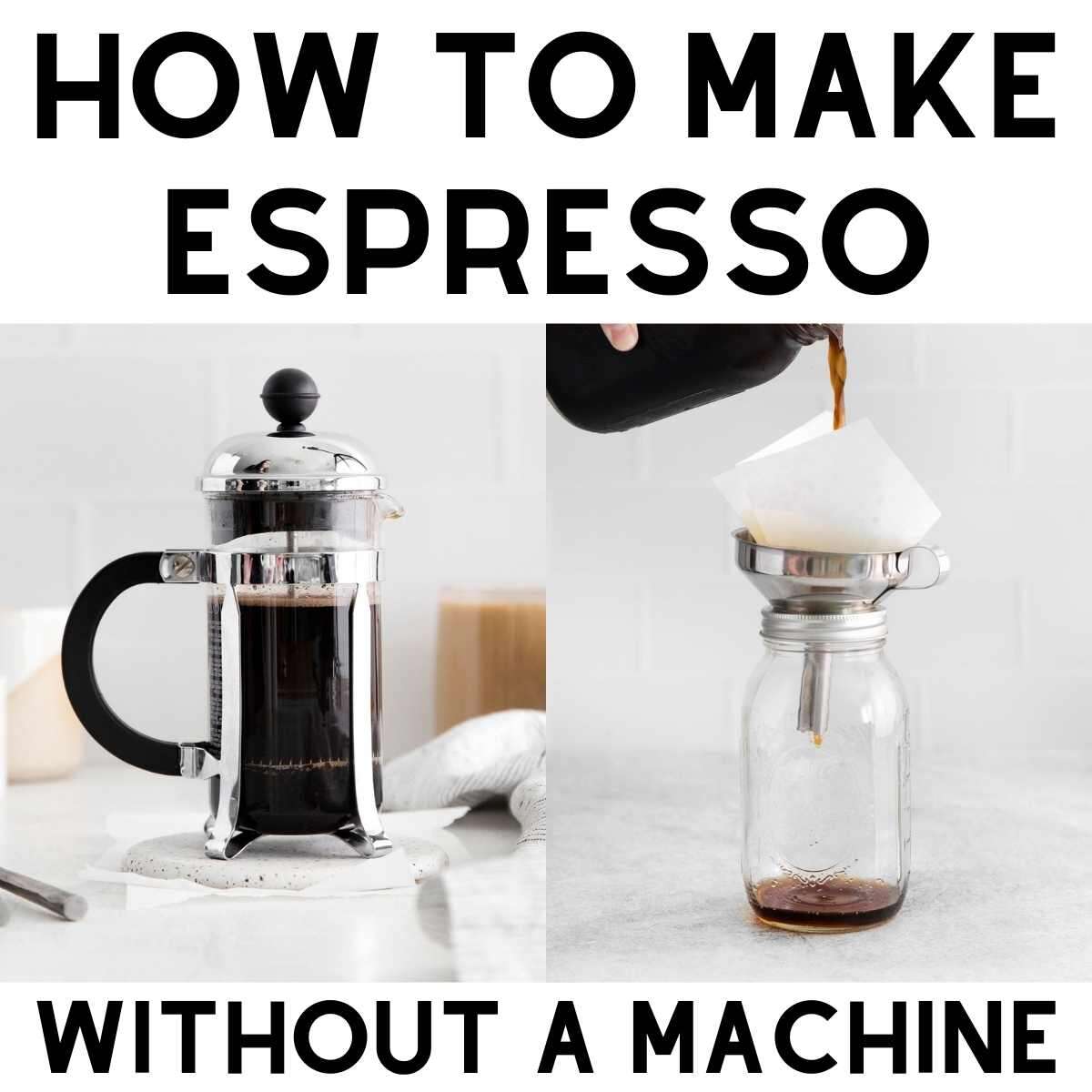
How To Make Espresso Without Coffee Machine: Easy Guide
You can make strong, espresso-style coffee without a machine by using heat, pressure, and finely ground beans.
Learning how to make espresso without coffee machine is useful when your espresso maker breaks, your kitchen lacks space, or you want café-style coffee while traveling. The result may not match true espresso made at 9 bars of pressure, but the right method can produce a rich, bold, concentrated cup for lattes, cappuccinos, iced coffee, and desserts.
Can You Make Espresso Without a Coffee Machine?
Yes, but there is an important detail. True espresso requires finely ground coffee, hot water, and high pressure. Commercial espresso machines usually force water through coffee at about 9 bars of pressure.
Most home methods cannot create that much pressure. They make concentrated coffee that tastes similar to espresso. It can still have a deep flavor, thick body, and enough strength for milk drinks.
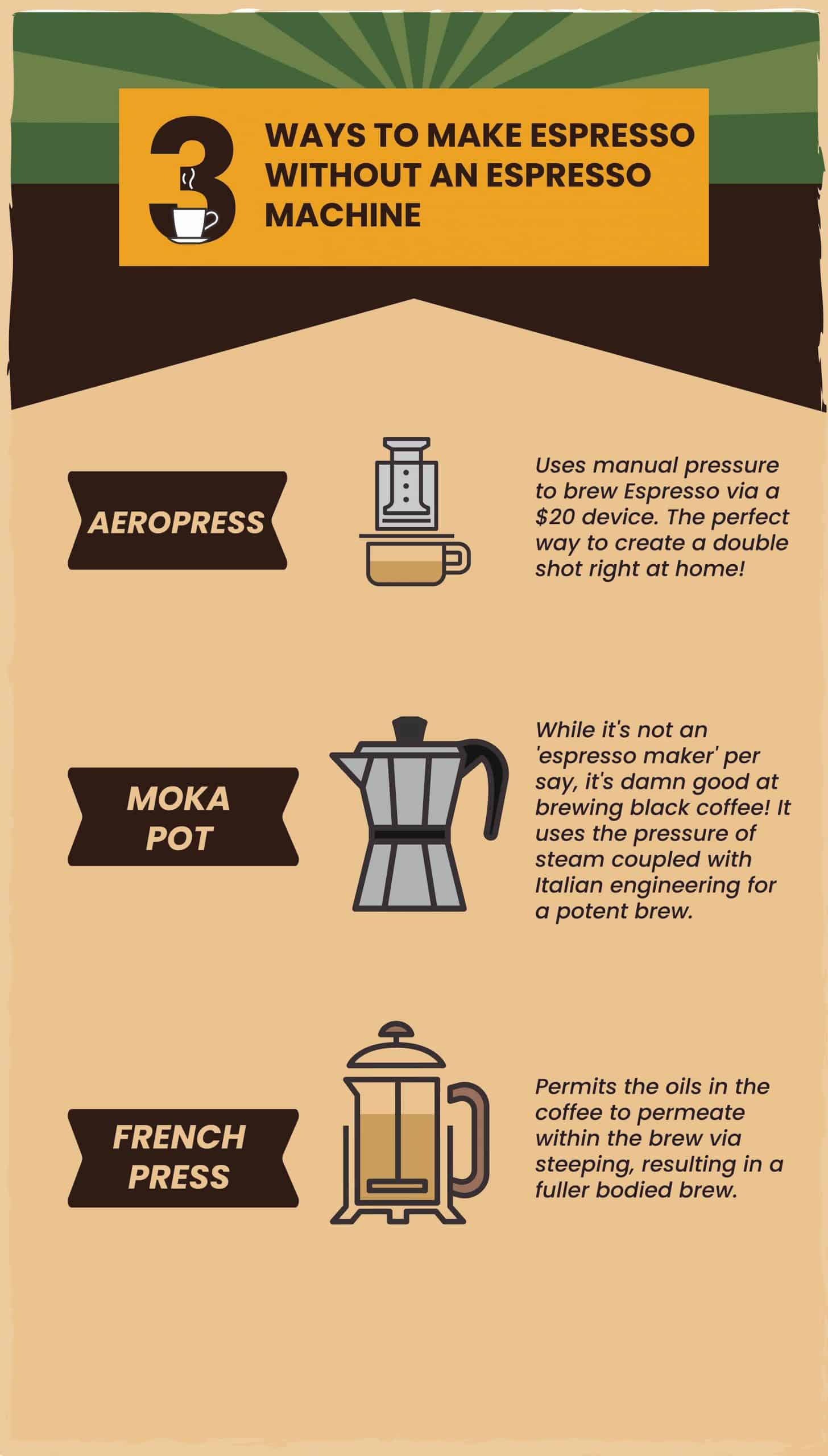
The best method depends on what you have at home:
• Moka pot: The closest common stovetop option
• AeroPress: Fast, clean, and easy to control
• French press: Simple, but less concentrated
• Manual espresso maker: The closest match without an electric machine
• Fine-mesh strainer method: Useful when supplies are limited
When people search for how to make espresso without coffee machine, they often want a strong coffee base, not a technical espresso certification. These methods meet that practical need.

What You Need to Make Espresso-Style Coffee
Good ingredients matter more than expensive equipment. Fresh coffee and clean water can improve your cup more than a costly gadget.
Gather these basic supplies:
• Fresh coffee beans or freshly ground coffee
• A burr grinder, if possible
• Filtered water
• A kettle or saucepan
• A scale or measuring spoon
• A timer
• Your chosen brewing tool
• A small cup or shot glass
Use coffee labeled espresso roast if you enjoy a dark, bold flavor. However, espresso roast is not required. Medium and light roasts can taste brighter and sweeter.
For a balanced result, use coffee within a few weeks of its roast date. Whole beans keep their flavor longer than pre-ground coffee. A burr grinder also creates more even grounds than a basic blade grinder.
Water temperature matters too. Aim for about 195°F to 205°F. If you do not have a thermometer, bring the water to a boil and let it sit for about 30 seconds.
Method 1: Make Espresso Without a Machine Using a Moka Pot
A moka pot is one of the best ways to make espresso-style coffee without an espresso machine. It uses steam pressure to push hot water through coffee grounds.
The coffee is strong, dark, and concentrated. It also works well in lattes and cappuccinos.
Step-by-step moka pot method
-
Fill the bottom chamber with water up to the safety valve. Use hot water if you want faster brewing.
-
Fill the filter basket with medium-fine coffee grounds. Do not press or tamp the coffee. Level it gently with your finger.
-
Place the filter basket into the bottom chamber.
-
Screw the top section on tightly. Use a towel if the base is hot.
-
Set the moka pot on low or medium heat with the lid open.
-
Watch the coffee as it flows into the upper chamber.
-
Remove the pot from the heat when the stream turns pale or begins to sputter.
-
Cool the base under a little cold water to stop extraction.
-
Stir the coffee in the upper chamber before serving.
A common ratio is about 1 to 1.5 ounces of coffee for a 3-cup moka pot. The exact amount depends on the pot size. Always fill the basket, but never pack the grounds down.
Moka pot mistakes to avoid
• Using very fine espresso grounds can slow the flow and create bitter coffee.
• High heat can scorch the coffee.
• Tamping the basket can create too much pressure.
• Letting the pot sputter for too long adds harsh flavors.
• Leaving brewed coffee in the hot pot can make it taste burnt.
In my own kitchen tests, low heat produced a smoother cup than high heat. The brew took a little longer, but it had less bitterness and a fuller aroma.
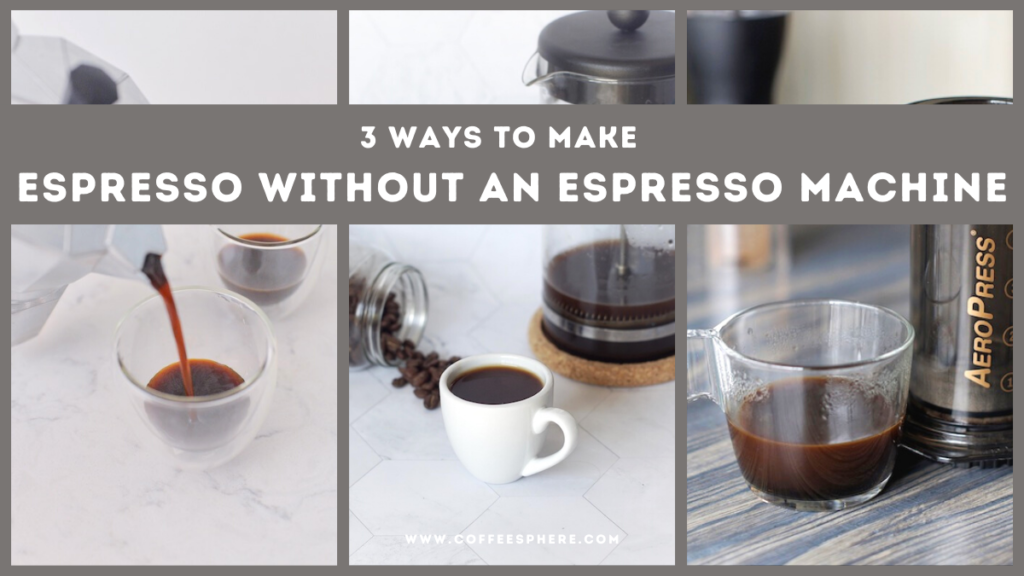
Method 2: Use an AeroPress for Concentrated Coffee
An AeroPress can make a small, strong coffee that works well as a substitute for espresso. It uses hand pressure, so it does not reach the pressure of a commercial espresso machine. Still, it gives you excellent control.
This method is ideal for small kitchens, offices, and travel. It also creates less bitterness than many high-heat methods.
AeroPress recipe for espresso-style coffee
Use:
• 17 grams of finely ground coffee
• 60 to 70 grams of water
• Water at about 200°F
• A paper filter or metal filter
Follow these steps:
-
Place the filter in the cap and rinse it with hot water.
-
Assemble the AeroPress in the inverted position if you prefer more control.
-
Add the finely ground coffee.
-
Pour in the hot water and stir for about 10 seconds.
-
Let the coffee steep for 45 to 60 seconds.
-
Attach the cap and carefully flip the AeroPress onto a sturdy cup.
-
Press slowly for about 20 to 30 seconds.
-
Add a small amount of hot water if the coffee tastes too intense.
For a stronger cup, use less water rather than pressing harder. Excessive force can create a muddy cup and may damage the seal.
This is one of the easiest answers to how to make espresso without coffee machine because the equipment is affordable, portable, and simple to clean.
Method 3: Make Strong Coffee With a French Press
A French press does not produce espresso. Its filter is too open, and it does not create enough pressure. However, it can make a rich coffee concentrate when you adjust the coffee-to-water ratio.
This method is useful if a French press is the only tool available.
French press espresso-style recipe
Use:
• 30 grams of medium-fine coffee
• 240 grams of hot water
• A four-minute brewing time
Place the coffee in the French press. Add the water, stir gently, and put the lid on without pressing the plunger.
After four minutes, press the plunger slowly. Pour the coffee through a second fine filter if you want a cleaner drink.
The result will be less intense than moka pot coffee. It may also contain more sediment. For a latte, use less water during brewing or mix the finished coffee with warm milk.
Do not grind the coffee too fine. Fine grounds can pass through the filter and make the coffee gritty. They can also make the plunger hard to press.
Method 4: Try a Manual Espresso Maker
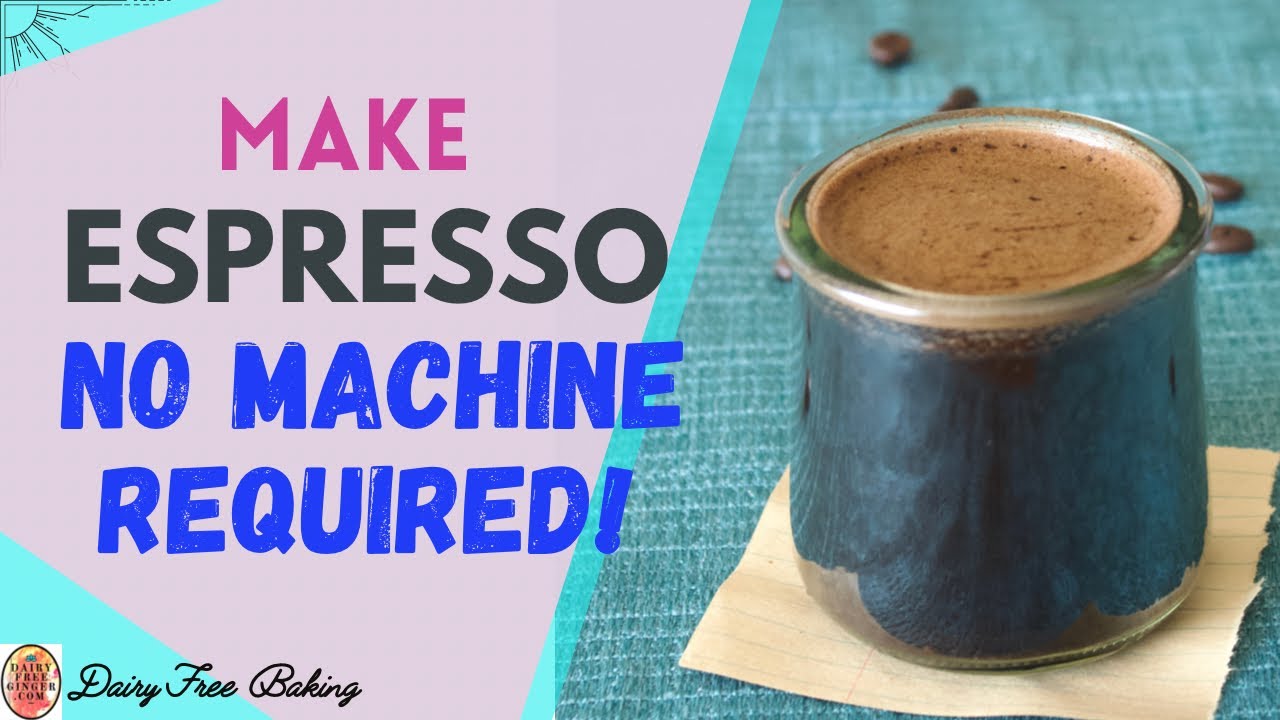
A manual espresso maker is the closest option to a traditional espresso machine. Some models use a hand lever, while others use a pump or a small pressure chamber.
These tools can create much higher pressure than a French press or moka pot. Many can produce a layer of crema when the coffee is fresh and the grind is correct.
How to use a manual espresso maker
-
Heat water to about 200°F.
-
Grind fresh coffee finely.
-
Add the recommended amount to the filter basket.
-
Tamp the grounds evenly if the device requires tamping.
-
Add hot water to the chamber.
-
Pull the lever or operate the pump slowly.
-
Stop when you reach a small espresso-sized serving.
-
Clean the filter and rinse the device after use.
Follow the instructions for your specific model. Manual espresso makers vary widely. Some use capsules, while others require a standard portafilter basket.
This option costs more than a French press, but it offers the most authentic answer to how to make espresso without coffee machine.

Method 5: Make Espresso-Style Coffee With a Saucepan
You can make a strong coffee concentrate with a saucepan when you have no special brewing tool. This method is not true espresso, but it can rescue your morning coffee.
Saucepan brewing steps
-
Add 2 tablespoons of finely ground coffee to 4 ounces of water.
-
Heat the mixture over low heat.
-
Stir gently as the water warms.
-
Remove the pan just before the coffee boils.
-
Let it sit for about four minutes.
-
Pour the coffee through a fine-mesh strainer or paper filter.
Avoid boiling the coffee for a long time. Boiling can create a flat, bitter taste and may extract too many harsh compounds.
This method works best for iced coffee or milk drinks. The flavor may be heavier and less clean than coffee made with a moka pot or AeroPress.

How to Choose the Right Coffee Grind
Grind size affects taste, flow, and strength. It is one of the most important parts of learning how to make espresso without coffee machine.
Use these general guidelines:
• Manual espresso maker: Fine grind
• AeroPress: Fine to medium-fine grind
• Moka pot: Medium-fine grind
• French press: Medium to coarse grind
• Saucepan method: Fine to medium-fine grind
A fine grind exposes more coffee surface to the water. This can create a stronger brew, but it may also cause bitterness if the coffee extracts for too long.
If the coffee tastes sour, the water may be too cool, the brew may be too fast, or the grounds may be too coarse. If it tastes bitter, use a coarser grind, lower heat, or a shorter brew time.
Make one change at a time. Changing the grind, water, dose, and brew time together makes it hard to know what helped.
The Best Coffee-to-Water Ratios
Traditional espresso often uses a ratio close to 1 part dry coffee to 2 parts brewed coffee. For example, 18 grams of coffee may produce about 36 grams of espresso.
Without an espresso machine, your ratio will depend on the tool. These starting points can help:
• Moka pot: Fill the basket and use the pot’s full water capacity
• AeroPress: 17 grams of coffee to 60 to 70 grams of water
• French press: 30 grams of coffee to 240 grams of water
• Saucepan method: 2 tablespoons of coffee to 4 ounces of water
A kitchen scale gives more consistent results than spoons. Coffee grounds vary in size, so one tablespoon may not always weigh the same.
If the drink is too strong, dilute it with hot water or milk. If it is too weak, use more coffee or less water next time.
How to Use Espresso-Style Coffee in Milk Drinks
Strong coffee made without a machine works well in many popular drinks. You can use it for a homemade latte, cappuccino, mocha, or macchiato.
For a simple latte:
-
Brew 2 ounces of concentrated coffee.
-
Warm 6 to 8 ounces of milk.
-
Froth the milk with a whisk, jar, handheld frother, or French press.
-
Pour the milk into the coffee.
-
Add sweetener or flavored syrup if desired.
For a mocha, add 1 tablespoon of cocoa powder and a little sugar to the hot coffee before adding milk.
Milk softens bitterness and adds sweetness. That is why moka pot coffee often tastes excellent in milk-based drinks, even though it is not technically espresso.
Never seal hot milk in a jar and shake it without leaving space for steam. Use a heat-safe container and open it carefully.
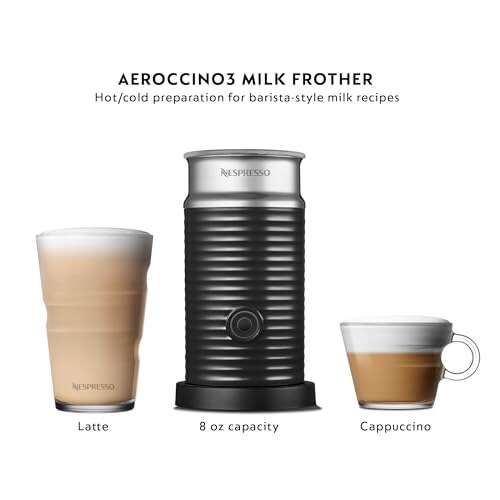
How to Froth Milk Without an Espresso Machine
You do not need a steam wand to make smooth milk foam. Each method creates a slightly different texture.
Use a handheld frother
Heat the milk first, then place the frother just below the surface. Move it gently for 20 to 30 seconds.
Use a whisk
Warm the milk in a saucepan. Whisk quickly until a light foam forms. This takes more effort but works well.
Use a French press
Add warm milk to the press. Pump the plunger up and down several times until the milk becomes airy.
Use a jar
Add warm milk to a heat-safe jar, leaving plenty of empty space. Close the lid and shake for about 20 seconds. Remove the lid before heating the milk further.
For the best texture, do not boil the milk. Warm it until it is hot but still comfortable to taste. Very high heat can make milk taste dull or cooked.
Common Problems and Simple Fixes
Making espresso without a machine takes some practice. Small changes often solve most problems.
The coffee tastes bitter
Use a coarser grind, lower heat, or shorter brewing time. Dark roasts may also need gentler treatment.
The coffee tastes sour
Use hotter water, a finer grind, or a longer brewing time. Sour coffee is often under-extracted.
The coffee is weak
Use more coffee or less water. Check that your grounds are fresh and that your brewing tool is working correctly.
The coffee tastes burnt
Remove the coffee from heat sooner. Do not let a moka pot sputter for a long time, and do not boil coffee in a saucepan.
The coffee contains too much sediment
Use a paper filter or pour the coffee through a fine-mesh strainer. A French press naturally leaves more sediment than other methods.
There is no crema
This is normal with most non-machine methods. Crema depends on pressure, fresh coffee, and carbon dioxide released from recently roasted beans.
Safety Tips for Stovetop and Manual Brewing
Hot water and pressurized devices require care. Keep the handle of a moka pot away from the edge of the stove, and never open it while it is under pressure.
Use only the amount of water recommended for your brewing tool. Do not block a moka pot’s safety valve, and never tamp coffee inside a moka pot basket.
Manual espresso makers also need regular inspection. Check seals, valves, and pressure parts for damage. Stop using any device that leaks, cracks, or behaves unusually.
Clean coffee oils from your equipment. Old oils can make fresh coffee taste stale and rancid. Rinse the tool after each use and wash removable parts with mild soap as directed by the manufacturer.
How I Would Choose Each Method
If I wanted the closest café-style result, I would choose a manual espresso maker. It offers the most control over pressure and extraction.
For a reliable daily drink, I would choose a moka pot. It is sturdy, affordable, and especially good for lattes. My main lesson with moka pots is to use low heat and stop brewing before the loud sputtering stage.
For travel, I would choose an AeroPress. It packs easily, cleans quickly, and can make a strong coffee base in a few minutes.
If I had only a French press, I would not try to force it to behave like an espresso machine. I would make a strong concentrate and use it in an iced latte or mocha instead.
Frequently Asked Questions About How to Make Espresso Without Coffee Machine
Can I make real espresso without an espresso machine?
You can make espresso-style coffee without an espresso machine, but most home methods do not create the required pressure. A manual espresso maker comes closest to producing true espresso.
What is the best way to make espresso without coffee machine?
A moka pot is usually the best choice for strong, concentrated coffee at home. An AeroPress is another excellent option when you want more control and easier cleanup.
Can I use regular ground coffee instead of espresso coffee?
Yes, you can use regular coffee beans or grounds. Choose fresh coffee and adjust the grind based on your brewing method.
Can I make espresso with a French press?
A French press cannot make true espresso because it does not create enough pressure. It can make a strong coffee concentrate that works well in milk drinks.
How much coffee should I use for espresso-style coffee?
Start with about 17 to 18 grams of coffee for a small concentrated brew. The ideal amount depends on your tool, cup size, grind, and preferred strength.
Why does my homemade espresso taste bitter?
Bitter coffee usually comes from too much heat, too fine a grind, too long a brew time, or very dark roasted beans. Lower the heat and shorten the brewing time first.
Can I make crema without an espresso machine?
Most non-machine methods produce little or no crema. Crema forms mainly from high pressure and carbon dioxide in fresh coffee, so a manual espresso maker offers the best chance.
Conclusion
You can make espresso without a coffee machine by using a moka pot, AeroPress, manual espresso maker, French press, or saucepan. These methods do not all create true espresso, but they can deliver rich, concentrated coffee for lattes, cappuccinos, iced drinks, and desserts.
Start with fresh beans, clean water, the right grind, and gentle heat. Change one brewing detail at a time until you find the flavor you enjoy.
Try the method that matches your equipment today, then share your favorite homemade espresso-style recipe or explore more coffee-brewing guides.

Liora Pennings is a seasoned chef and kitchen enthusiast with a passion for turning everyday cooking into an effortless experience. With years of hands-on culinary expertise, she specializes in practical techniques, ingredient know-how, and smart kitchen solutions that help home cooks elevate their meals. At KitchFlair.com, Liora shares her best tips, time-saving tricks, and honest product reviews to guide readers toward a more efficient, enjoyable, and inspired cooking routine. Whether you’re a beginner or a seasoned home chef, Liora’s friendly, knowledge-packed insights make every visit to the kitchen a little easier—and a lot more delicious.