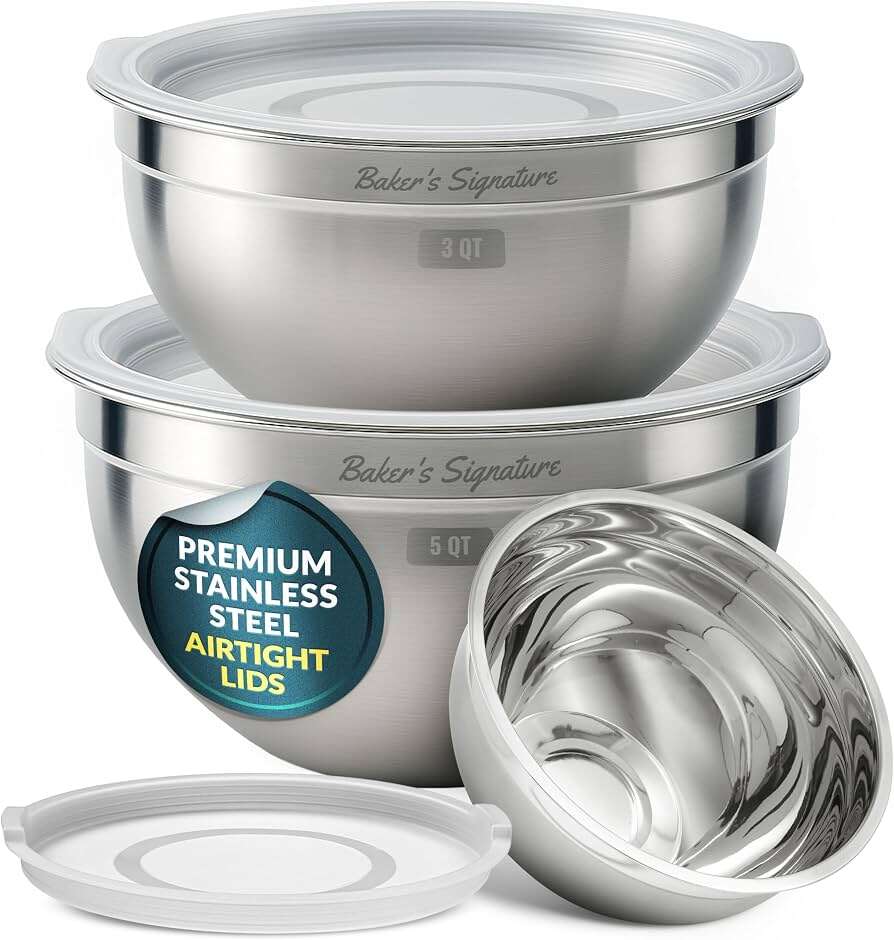
Why Use Stainless Steel Mixing Bowls: Benefits Explained
Stainless steel mixing bowls are durable, safe, versatile, easy to clean, and built for years of reliable kitchen use.
If you are wondering why use stainless steel mixing bowls, the answer goes beyond their bright, polished look. These bowls handle daily cooking, baking, meal prep, and food storage with less fuss than many other materials. Their strength, light weight, stain resistance, and wide range of sizes make them a practical choice for both new cooks and experienced home chefs.
This guide explains why use stainless steel mixing bowls, where they perform best, what their limits are, and how to choose and care for them. It also covers food safety, common mistakes, and simple tips that help your bowls last for many years.
What Are Stainless Steel Mixing Bowls?
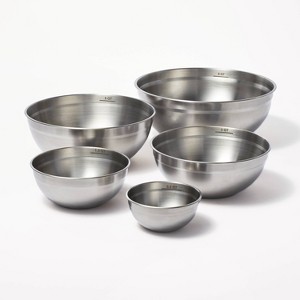
Stainless steel mixing bowls are kitchen containers made from corrosion-resistant steel. Most quality bowls use food-grade stainless steel, often marked as 18/8 or 18/10. These numbers describe the approximate amounts of chromium and nickel used to improve rust resistance, strength, and durability.
The chromium in stainless steel helps create a thin protective layer on the surface. This layer helps the bowl resist rust and damage from air and moisture. Nickel can add shine and improve resistance to corrosion and acidic foods.
Stainless steel bowls come in many forms, including:
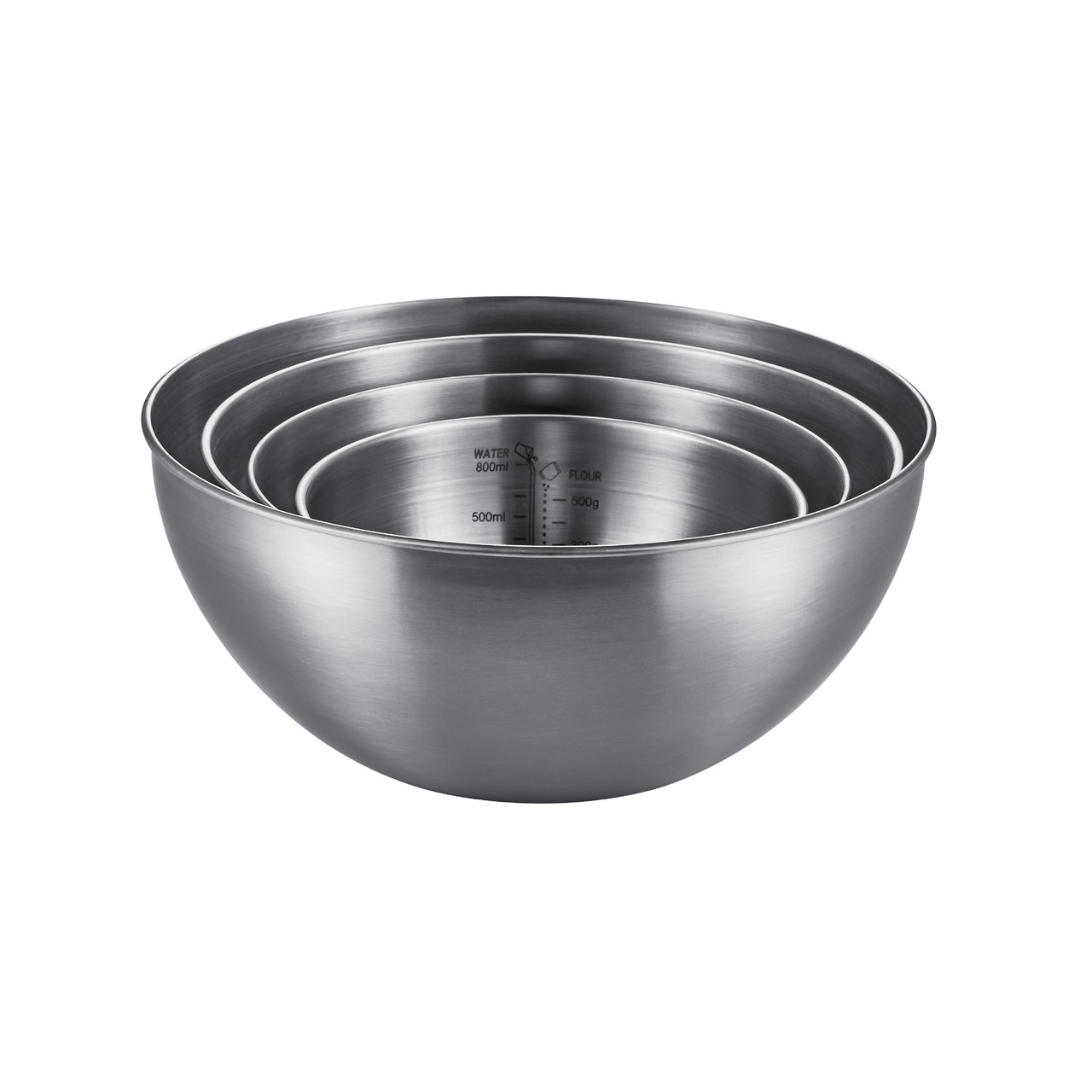
• Nesting sets for compact storage
• Deep bowls for mixing batters and dough
• Wide bowls for whisking and tossing
• Bowls with silicone bases for extra grip
• Bowls with lids for short-term storage
• Lightweight bowls for daily meal preparation
Understanding these basic features helps explain why use stainless steel mixing bowls in busy kitchens. They are simple tools, but they solve many common cooking problems.

Why Use Stainless Steel Mixing Bowls?
The main reason to choose stainless steel is balance. These bowls offer a strong mix of durability, safety, ease of cleaning, and flexibility. They are not perfect for every task, but they perform well across a wide range of kitchen jobs.
Here are the most important benefits.
1. Stainless Steel Bowls Are Highly Durable
Stainless steel can handle regular use better than many plastic bowls. It does not easily crack, chip, or break when dropped on a counter. It can also withstand the pressure of mixing thick cookie dough, mashed potatoes, or bread ingredients.
This durability makes stainless steel mixing bowls useful for families, meal preppers, and commercial kitchens. A good set can remain useful for many years with basic care.
In my experience testing kitchen tools, weak bowls often fail at the rim first. They bend, split, or lose their shape. A well-made stainless steel bowl avoids many of these problems because the material is tough and flexible without being fragile.
2. They Resist Stains and Food Odors
Plastic can absorb color and smell from foods such as tomato sauce, curry, garlic, onions, and berries. Stainless steel usually resists these odors and stains because it has a nonporous surface.
This matters when you use one bowl for many recipes. You can mix garlic dressing in the morning and prepare whipped cream later without carrying strong smells from one dish to the next.
The surface may show water spots or fingerprints, but these are cosmetic issues. They do not mean the bowl is dirty or unsafe.
3. They Are Easy to Clean
Stainless steel mixing bowls have a smooth surface with very few places for food particles to hide. Most can be washed with warm water, dish soap, and a soft sponge. Many are also dishwasher safe, but you should check the manufacturer’s instructions.
For stuck-on food, soak the bowl for a few minutes before washing. Baking soda can help loosen dried batter or grease without the need for harsh scrubbing.
Avoid steel wool and abrasive cleaners when possible. They can leave tiny scratches that dull the finish and make the bowl look worn.
4. They Are Nonporous
A nonporous surface does not easily absorb liquids, fats, odors, or bacteria. This makes stainless steel a practical material for handling raw ingredients and ready-to-eat foods when the bowl is cleaned properly.
Food safety still depends on good habits. Wash the bowl after contact with raw meat, poultry, eggs, or seafood. Do not use the same unwashed bowl for cooked food.
Food safety guidance from the USDA emphasizes cleaning surfaces and preventing cross-contamination. Stainless steel helps because it is easy to wash, but no bowl can replace safe handling practices.
5. They Are Lightweight but Strong
Glass and ceramic bowls can feel heavy, especially in large sizes. They may also break if they slip from wet hands. Stainless steel provides a lighter option without giving up much strength.
A lightweight bowl is easier to lift while pouring batter, folding dough, or transferring ingredients. This is especially helpful for people with limited hand strength or anyone cooking large meals.
The low weight also makes stainless steel bowls easier to store. A full nesting set can fit into a cabinet without taking over the entire shelf.
6. They Handle Heat Well
Stainless steel bowls can tolerate a wide range of kitchen temperatures. You can place one over a pot of simmering water to create a double boiler for melting chocolate or making a gentle custard.
The bowl may become hot, so use oven mitts or a dry towel when needed. Stainless steel also cools fairly fast compared with some thick ceramic bowls.
Do not assume every stainless steel bowl is safe for direct oven use. Handles, lids, silicone parts, and manufacturer instructions can affect heat safety.
7. They Are Useful for Chilling Food
Stainless steel transfers temperature quickly. This helps when you need to chill whipped cream, cookie dough, fruit, or a salad mixture.
For faster cooling, place the bowl over ice or in the refrigerator. Keep space around the bowl so cold air can move around it.
This quick temperature response is one more reason why use stainless steel mixing bowls for baking and meal preparation. The same bowl can help with both heating and chilling tasks.
8. They Do Not Hold on to Color
Bright foods can leave marks on some kitchen materials. Turmeric, beet juice, tomato paste, and food coloring may stain plastic. Stainless steel usually keeps its original appearance after normal washing.
This makes it a good choice for colorful recipes. You can prepare red pasta sauce, green pesto, or yellow curry without worrying about permanent color changes.
A stainless steel bowl can still develop a dull film if it is washed with hard water or left wet. Drying it after washing helps preserve its shine.
9. They Are Recyclable and Long Lasting
Steel is widely recycled, and stainless steel products can remain in service for a long time. Buying one durable set may reduce the need to replace cracked or stained plastic bowls.
The environmental benefit depends on how the product is made, used, and discarded. Stainless steel is not automatically the most sustainable option in every case. However, long service life and recyclability are meaningful advantages.
10. They Work for Many Cooking Tasks
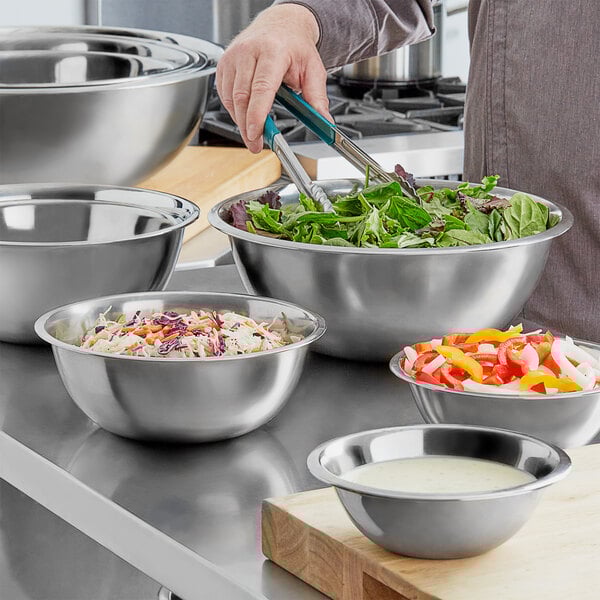
A single set of stainless steel mixing bowls can support many recipes. You can use them to:
• Mix pancake batter
• Whisk eggs
• Toss salads
• Marinate vegetables or meat
• Knead small amounts of dough
• Prepare frosting
• Hold chopped ingredients
• Melt chocolate over gentle heat
• Chill desserts
• Store food briefly with a suitable lid
This broad usefulness is at the heart of why use stainless steel mixing bowls. They are not limited to one kind of cooking.
Why Use Stainless Steel Mixing Bowls for Baking?
Baking requires accurate mixing, clean tools, and good temperature control. Stainless steel bowls support all three.
A deep bowl helps keep flour and sugar from spilling over the sides. The smooth surface also makes it easier to scrape batter from the bowl with a silicone spatula.
Stainless steel mixing bowls are especially helpful for:
• Whipping egg whites
• Beating cream
• Mixing cake batter
• Combining dry ingredients
• Preparing cookie dough
• Chilling pie dough
• Kneading small batches of dough
When whipping egg whites, make sure the bowl is clean and free from grease. Even a small amount of fat can make it harder for egg whites to form stable peaks. Stainless steel is a strong choice because it does not hold grease as easily as some porous materials.
However, stainless steel can react with certain ingredients in limited situations. Avoid leaving highly acidic mixtures, such as tomato sauce or vinegar-based marinades, in the bowl for very long periods. Short preparation times are generally not a concern with quality food-grade stainless steel.

Why Use Stainless Steel Mixing Bowls for Food Safety?
Food safety depends on the full process, not only the bowl material. Still, stainless steel has several features that support safer preparation.
Its smooth, nonporous surface is easy to wash and sanitize. It does not usually absorb raw meat juices, food colors, or strong odors. It also does not chip into food like damaged ceramic or glass can.
Follow these basic safety steps:
-
Wash the bowl before and after use.
-
Use separate bowls for raw meat and ready-to-eat foods when possible.
-
Clean the bowl with hot, soapy water after handling raw ingredients.
-
Dry the bowl fully before storing it.
-
Inspect the rim and surface for dents, deep scratches, or rust spots.
-
Do not leave perishable food at room temperature for long periods.
The FDA Food Code recognizes stainless steel as a common material for food-contact equipment when it is smooth, durable, corrosion resistant, and easy to clean. This does not mean every stainless steel product has the same quality. Construction and maintenance still matter.
Stainless Steel vs. Glass Mixing Bowls
Glass bowls are attractive and allow you to see the contents clearly. They are also useful in the microwave when labeled microwave safe. However, glass is heavier and can break if dropped or exposed to sudden temperature changes.
Stainless steel mixing bowls are usually lighter and more resistant to impact. They also cool and heat quickly. On the other hand, you cannot see through them, and they are not suitable for microwave use.
Choose stainless steel when you value:
• Low weight
• Strong impact resistance
• Fast temperature changes
• Easy storage
• Long-term durability
Choose glass when you need:
• Microwave use
• Clear visibility
• A serving bowl with a decorative look
Many kitchens benefit from having both materials. Stainless steel is often the better daily workhorse, while glass can fill special roles.

Stainless Steel vs. Plastic Mixing Bowls
Plastic bowls are light, affordable, and often available in bright colors. They may also include useful lids for storage. Yet plastic can scratch, stain, absorb odors, and lose strength over time.
Stainless steel generally offers better resistance to stains and odors. It also lasts longer when handled properly. The trade-off is a higher purchase price and the possibility of dents if the bowl is hit hard.
Plastic can be convenient for children, outdoor meals, or lightweight storage. Stainless steel mixing bowls are usually the better choice for intense mixing, hot ingredients, and long-term use.
A practical kitchen may use plastic for low-risk storage and stainless steel for mixing, whisking, and food preparation.

Stainless Steel vs. Ceramic Mixing Bowls
Ceramic bowls bring color and style to the kitchen. They can move from food preparation to the dining table with ease. Their weight can also keep them stable during mixing.
The main drawbacks are weight, chips, cracks, and breakage. A chipped glaze may create a rough area that is harder to clean. Ceramic bowls can also take longer to heat or cool.
Stainless steel mixing bowls are more practical for repeated daily work. Ceramic is a good choice when appearance and serving matter as much as function.
Possible Disadvantages of Stainless Steel Mixing Bowls
A balanced answer to why use stainless steel mixing bowls should include their limitations. No kitchen material is right for every job.
They Are Not Microwave Safe
Metal should not be placed in a microwave. Sparks may occur, and the appliance can be damaged. Transfer food to a microwave-safe glass or ceramic container before heating.
They Can Make Mixing Noisy
A whisk or electric mixer can sound louder against stainless steel than against plastic or silicone. A silicone-bottom bowl can reduce movement and some noise.
They May Dent
Thin stainless steel can dent when dropped or struck. A dent may not make the bowl unsafe, but it can affect stability and appearance.
They Can Show Fingerprints
Polished steel often shows fingerprints, water spots, and smudges. This is easy to manage with a soft cloth and a quick rinse.
They Can React With Some Foods Over Long Periods
Quality stainless steel is suitable for most cooking tasks. Still, it is wise to avoid long-term storage of very acidic or salty foods unless the manufacturer says it is suitable. Use glass or food-safe storage containers for extended storage.
They Conduct Heat
The bowl can become hot when used over a water bath. It can also become cold when chilled. Handle it carefully and use proper protection.

How to Choose the Best Stainless Steel Mixing Bowls
The best set depends on your cooking habits, storage space, and budget. A few design details make a major difference.
Check the Steel Grade
Look for food-grade stainless steel. Labels such as 18/8 and 18/10 are common indicators of corrosion resistance. A reputable manufacturer should clearly describe the material.
Choose Useful Sizes
A practical set may include:
• A small bowl for sauces, spices, and whisked eggs
• A medium bowl for dressings and small batters
• A large bowl for salads, dough, and family-size recipes
A very large bowl is useful for holiday cooking but may take up more storage space.
Look for a Stable Base
A flat base helps the bowl stay steady while mixing. Silicone bases can add grip and reduce sliding. They may also protect countertops from scratches.
Consider the Rim
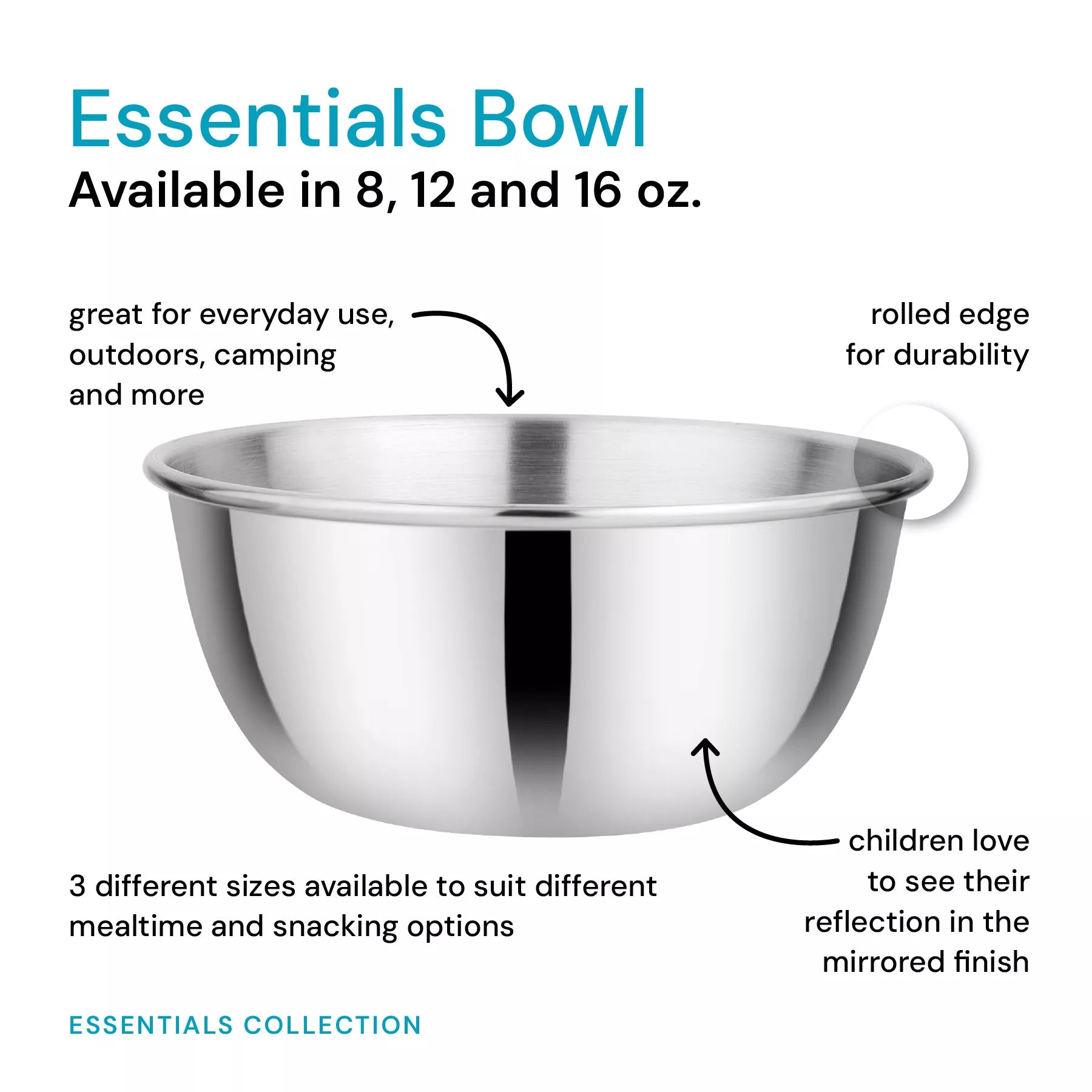
A rolled rim is easier to hold and pour from. It can also improve comfort during long preparation tasks. Avoid sharp or poorly finished rims.
Inspect the Thickness
Very thin bowls are light but may dent more easily. Medium-weight bowls often provide the best balance of strength and easy handling.
Decide Whether You Need Lids
Lids make short-term storage more convenient. Make sure the lid is food safe and fits tightly. Do not assume a plastic lid is safe for hot food or dishwashers.
Check Dishwasher Instructions
Many stainless steel bowls are dishwasher safe. However, some finishes, silicone bases, and lids require hand washing. Following the care label can extend the life of the set.
How to Use Stainless Steel Mixing Bowls Correctly
Knowing why use stainless steel mixing bowls is helpful, but good technique protects both the bowl and your food.
Use a stable counter when whisking or mixing. If the bowl slides, place a damp kitchen towel beneath it. For heavy dough, choose a bowl with a wide base.
Do not use metal utensils aggressively against a thin bowl. A wooden spoon, silicone spatula, or coated whisk can reduce scratches and noise.
When using a stainless steel bowl over simmering water:
-
Select a bowl that fits securely over the pot.
-
Keep the water below the bottom of the bowl.
-
Use low or medium heat.
-
Stir often.
-
Protect your hands when lifting the bowl.
-
Never let the bowl touch an open flame.
These simple steps help prevent burns, scorching, and unstable cookware.
How to Clean and Maintain Stainless Steel Bowls
Proper care is simple and does not require expensive products.
Daily Cleaning
Wash the bowl with warm water and dish soap. Use a soft sponge or cloth. Rinse away all soap and dry the bowl to prevent water spots.
Removing Dried Food
Fill the bowl with warm water and let it soak. For stubborn residue, add a small amount of baking soda and gently scrub with a nonabrasive pad.
Removing Water Spots
A small amount of diluted white vinegar can help remove mineral spots. Rinse the bowl well afterward and dry it with a soft towel.
Avoiding Damage
Do not use:
• Steel wool
• Harsh scouring powders
• Chlorine bleach for routine cleaning
• Sharp tools to scrape stuck food
• Sudden temperature changes when the bowl is very hot
A mistake I often see is putting a hot bowl directly into cold water. This may not damage sturdy stainless steel at once, but repeated thermal shock can affect attached parts, coatings, or silicone bases. Let the bowl cool for a short time first.
Common Mistakes to Avoid
Even durable bowls can perform poorly when used the wrong way.
Storing Food for Too Long
Stainless steel is excellent for mixing but is not always the best container for long-term food storage. Use containers designed for refrigeration and storage when food will sit for several days.
Using the Microwave
Never place a stainless steel bowl in a microwave. Transfer the contents first.
Ignoring Rust or Damage
High-quality stainless steel resists rust, but damage, contamination, or harsh chemicals can cause spots. If rust appears, clean it promptly. Replace the bowl if it has deep corrosion, sharp edges, or serious damage.
Buying the Cheapest Set Without Checking Quality
A very low-cost set may use thin metal, unstable bases, or poorly finished rims. Read product details and inspect reviews for comments about dents, sharp edges, and warping.
Mixing Acidic Food and Leaving It Overnight
Short contact is usually fine for food-grade stainless steel. Long contact with salty, acidic food may affect the surface over time. Store leftovers in a suitable container.
Are Stainless Steel Mixing Bowls Worth the Money?
For most kitchens, yes. Stainless steel mixing bowls often cost more than basic plastic bowls, but they can last much longer and handle more tasks.
The value becomes clearer when you consider replacement costs. A plastic bowl may stain, crack, or hold odors after repeated use. A good stainless steel bowl may continue working for years with only basic care.
They are especially worth buying if you:
• Bake often
• Cook for a family
• Prepare large meals
• Want easy cleanup
• Need durable kitchen tools
• Have limited storage space
• Prefer products that resist stains and odors
A smaller set may be enough for occasional cooks. Frequent bakers may prefer a nesting set with several sizes and a stable base.
Frequently Asked Questions About Why Use Stainless Steel Mixing Bowls
Why use stainless steel mixing bowls instead of plastic?
Stainless steel mixing bowls resist stains, odors, scratches, and cracks better than many plastic bowls. They are also more suitable for hot ingredients and repeated heavy use.
Are stainless steel mixing bowls safe for food?
Yes, food-grade stainless steel bowls are generally safe for food preparation when they are clean and undamaged. Look for reputable products made from corrosion-resistant stainless steel.
Can stainless steel mixing bowls go in the dishwasher?
Many stainless steel bowls are dishwasher safe, but you should check the care instructions. Lids, silicone bases, and decorative finishes may require hand washing.
Can you put stainless steel mixing bowls in the microwave?
No. Stainless steel is metal and should not be used in a microwave. Move the food to a microwave-safe glass or ceramic container before heating.
Can stainless steel bowls be used with acidic foods?
They can usually hold acidic foods during normal preparation. However, avoid storing highly acidic or salty foods in them for long periods unless the manufacturer confirms that use.
Are stainless steel bowls good for whipping egg whites?
Yes. A clean stainless steel bowl is a strong choice for whipping egg whites because it is smooth and does not easily retain grease. Make sure the bowl and whisk are completely clean.
How do you stop a stainless steel bowl from sliding?
Place a damp kitchen towel or nonslip mat under the bowl. You can also choose a bowl with a silicone base for better stability.
Do stainless steel mixing bowls rust?
Quality stainless steel resists rust, but rust can appear after exposure to harsh chemicals, salt, damage, or prolonged moisture. Drying the bowl and avoiding abrasive cleaners can help prevent problems.
Conclusion
The best answer to why use stainless steel mixing bowls is their reliable mix of strength, safety, flexibility, and easy care. They work for baking, meal prep, whisking, chilling, tossing, and many other kitchen tasks. They also resist stains and odors while taking up little storage space.
Choose food-grade stainless steel, useful sizes, a stable base, and a smooth rim. Clean the bowls gently, avoid microwave use, and do not treat them as long-term storage containers for acidic foods.
If you need one dependable upgrade for your kitchen, stainless steel mixing bowls are a smart place to start. Explore quality nesting sets, compare features, and share your favorite bowl-care tips in the comments.

Liora Pennings is a seasoned chef and kitchen enthusiast with a passion for turning everyday cooking into an effortless experience. With years of hands-on culinary expertise, she specializes in practical techniques, ingredient know-how, and smart kitchen solutions that help home cooks elevate their meals. At KitchFlair.com, Liora shares her best tips, time-saving tricks, and honest product reviews to guide readers toward a more efficient, enjoyable, and inspired cooking routine. Whether you’re a beginner or a seasoned home chef, Liora’s friendly, knowledge-packed insights make every visit to the kitchen a little easier—and a lot more delicious.