Can You Use A Vegetable Peeler To Make Zucchini Noodles: Yes!
Yes, a standard vegetable peeler can make wide zucchini noodles, often called zucchini ribbons.
If you want a fast pasta swap without buying a spiralizer, a vegetable peeler is a smart choice. It makes tender, ribbon-like noodles that work well in salads, stir-fries, soups, and light pasta dishes. After testing several methods, I have found that the best results come from using a sharp peeler, removing excess moisture, and cooking the zucchini for only a short time.
Can you use a vegetable peeler to make zucchini noodles?
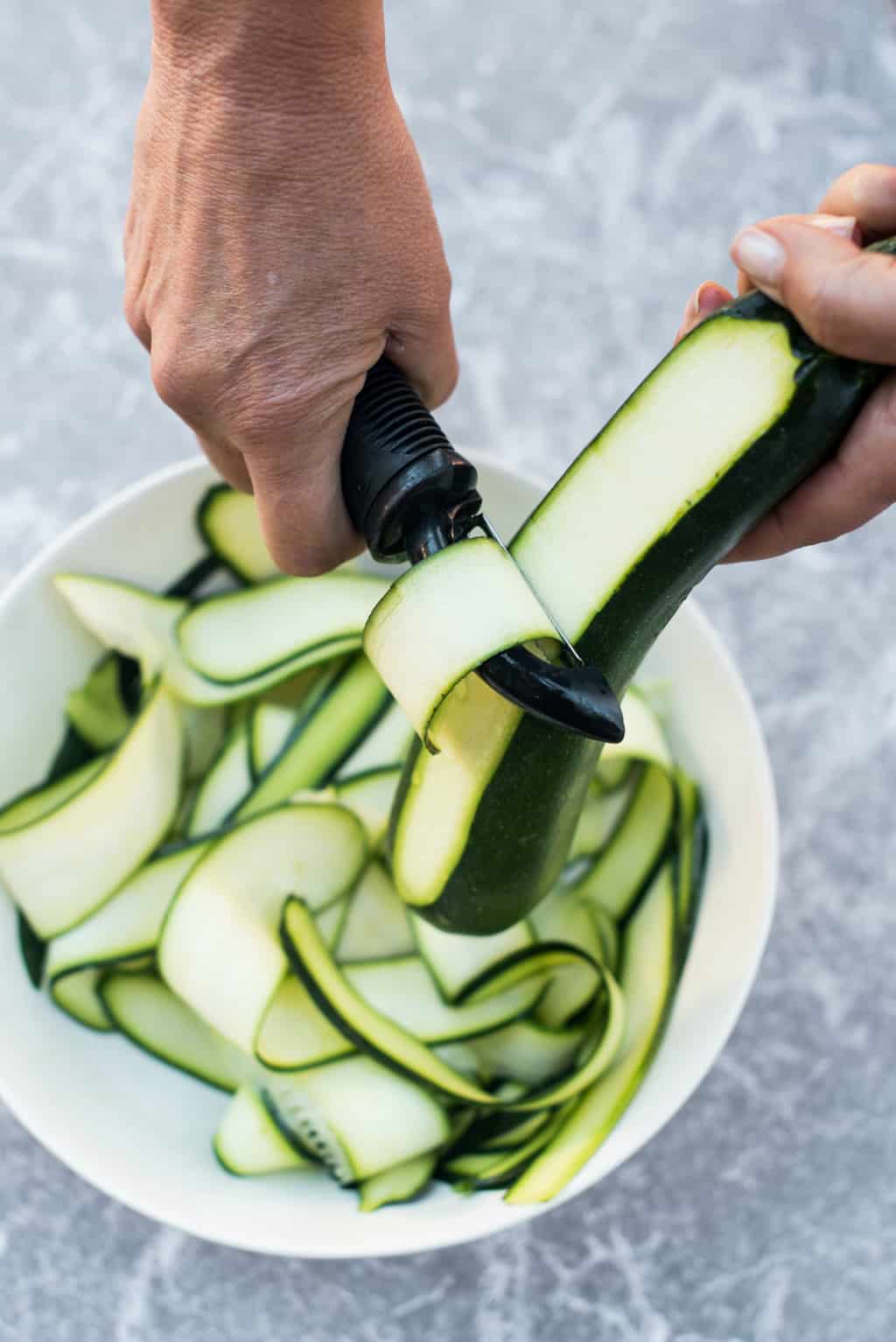
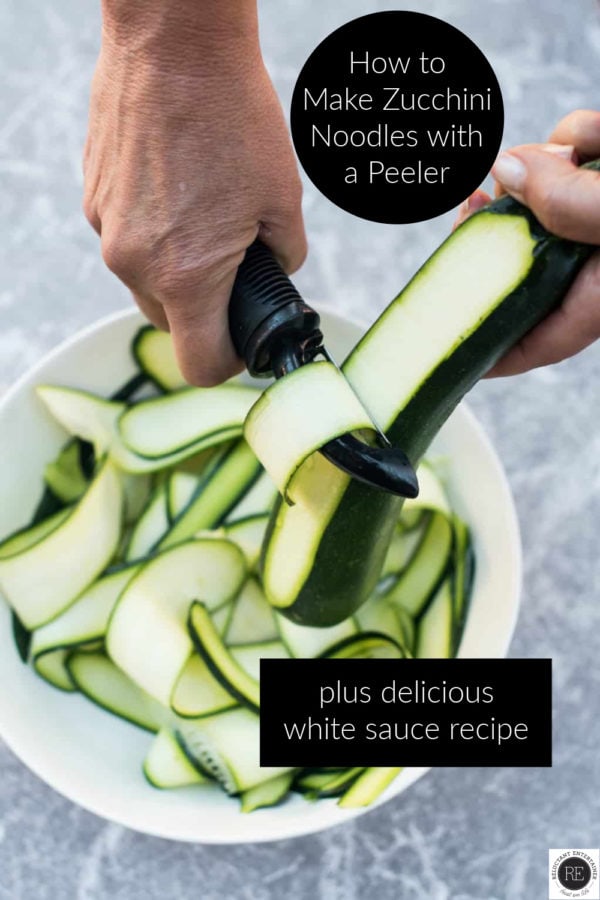
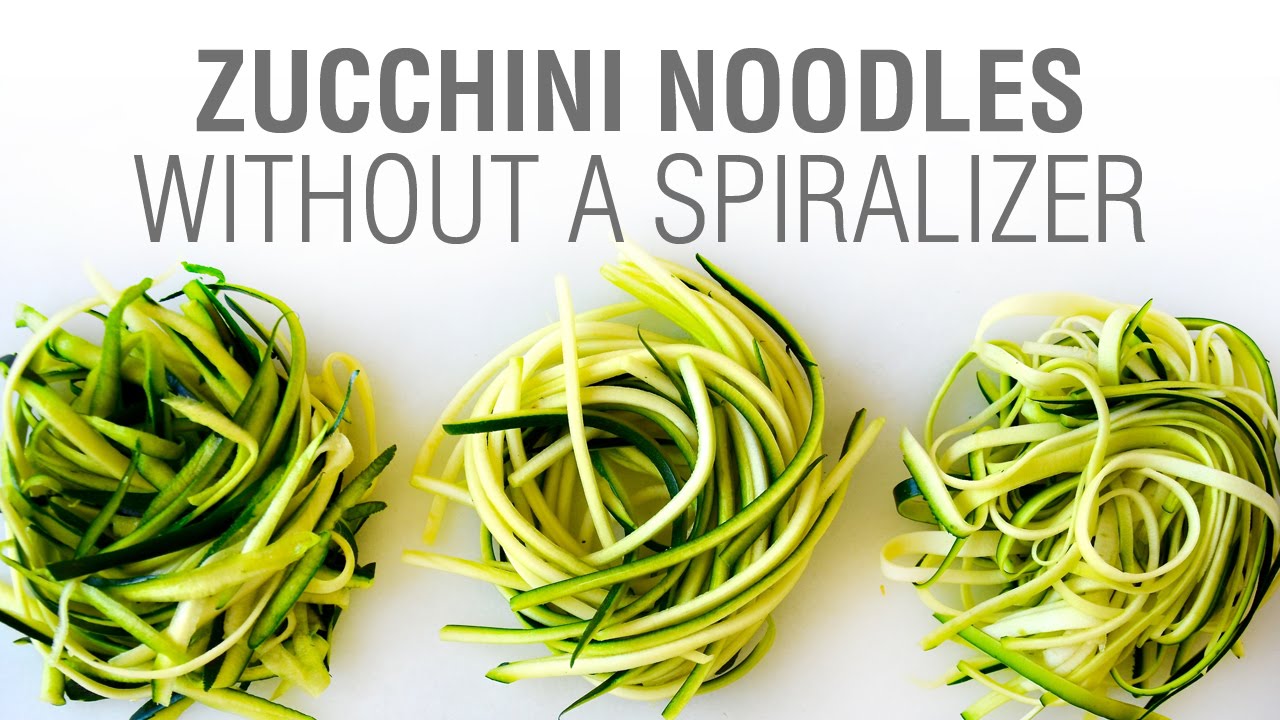
Yes, you can use a vegetable peeler to make zucchini noodles. However, the result will look more like broad, flat ribbons than round spaghetti strands. These ribbons are sometimes called zucchini pappardelle or zucchini noodles because they replace pasta in many recipes.
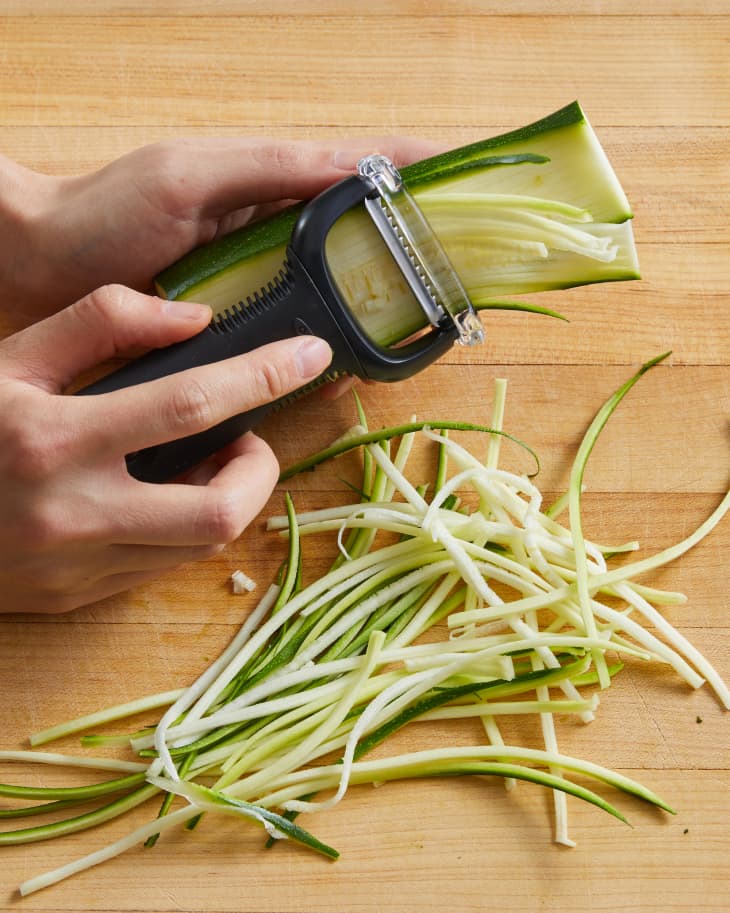
A basic Y peeler or straight vegetable peeler works well. Each pass removes a thin strip from the zucchini. You can serve the strips as they are, or stack several ribbons and cut them lengthwise into thinner noodles.
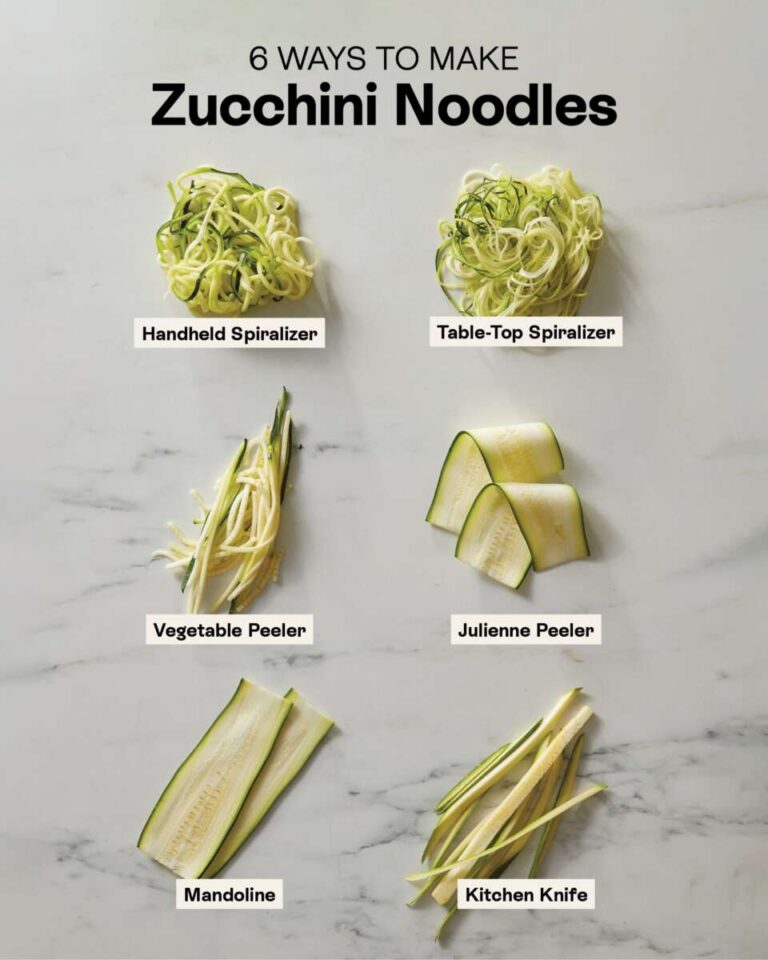
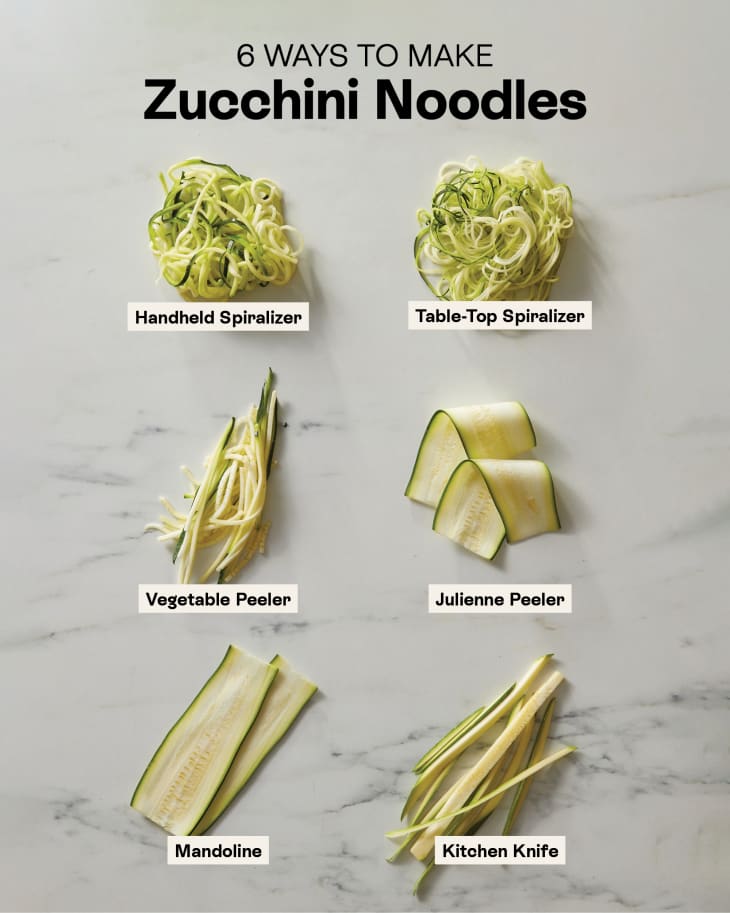
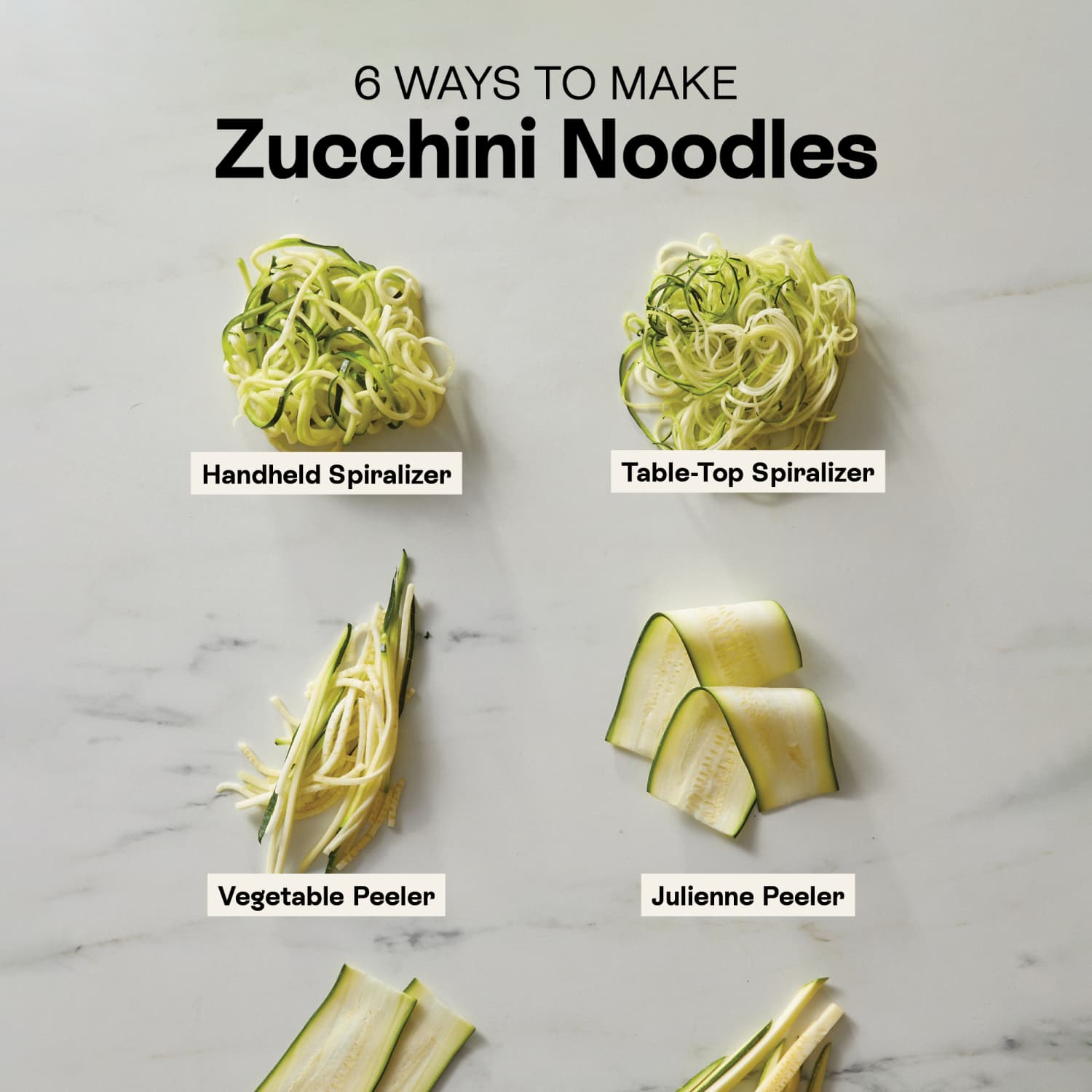
A vegetable peeler is not the only tool you can use. Here are the main options:
• A standard vegetable peeler makes wide zucchini ribbons.
• A julienne peeler makes thin, matchstick-style zucchini noodles.
• A spiralizer makes long, curly zucchini noodles.
• A sharp chef’s knife can create wide strips, though it takes more time.
For most home cooks, a vegetable peeler is the easiest tool to find and use. It is also useful when you want a small serving or do not want to clean a large spiralizer.
What zucchini noodles made with a peeler look like
Vegetable peeler zucchini noodles are flat, smooth, and delicate. They are wider than traditional pasta but still hold sauces well. Their soft shape makes them especially good with pesto, garlic oil, lemon butter, and creamy sauces.
The center of the zucchini contains many seeds and a lot of moisture. If you peel through the entire vegetable, the last strips may become watery and fragile. Stop when you reach the seedy core for firmer noodles.
You can use green zucchini, yellow summer squash, or a mix of both. Choose small or medium zucchini when possible. They tend to have firmer flesh, smaller seeds, and better texture than very large zucchini.
The finished texture depends on how you cut and cook the strips:
• Raw ribbons are crisp and fresh.
• Lightly warmed ribbons are soft but still pleasant to bite.
• Fully cooked ribbons become tender and can turn mushy.
Think of zucchini noodles as delicate vegetables, not wheat pasta. They need a gentle touch from the cutting board to the plate.
How to make zucchini noodles with a vegetable peeler
Making zucchini noodles with a vegetable peeler takes only a few minutes. Follow these steps for even ribbons and better texture.
1. Wash and dry the zucchini
Rinse the zucchini under cool running water. Rub the skin gently to remove dirt, then dry it well with a clean towel.
Dry zucchini is easier to hold. It also prevents extra water from collecting in the bowl.
2. Trim the ends
Cut off the stem and blossom ends. You do not need to peel the skin because the skin adds color, fiber, and structure.
3. Hold the zucchini firmly
Place the zucchini on a cutting board. Hold one end with your noncutting hand, keeping your fingers away from the peeler blade.
You can also lay the zucchini flat and pull the peeler toward you. Use steady pressure rather than pressing hard.
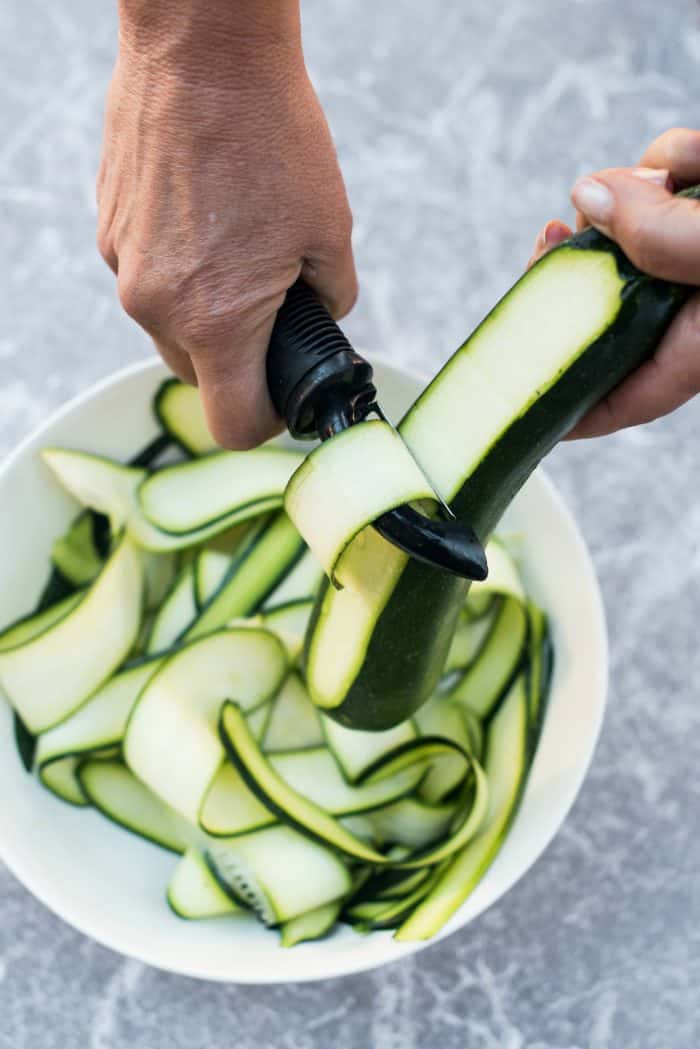
4. Peel from end to end
Run the peeler along the length of the zucchini in one smooth motion. Turn the zucchini after each pass so the strips stay fairly even.
Keep peeling until you reach the seedy center. Rotate the zucchini again if the outer flesh becomes too narrow.
5. Cut the ribbons into noodles if desired
Wide ribbons are ready to use. For thinner zucchini noodles, stack three or four ribbons and slice them lengthwise into strips.
Do not make the stacks too tall. A small stack gives you cleaner cuts and reduces the chance of crushing the zucchini.
6. Drain or salt the noodles
Place the zucchini noodles in a colander. Let them drain for 10 to 15 minutes, or sprinkle them lightly with salt and wait about 10 minutes.
Pat them dry with paper towels or a clean kitchen towel. This step removes some surface moisture and helps prevent watery sauce.
Salt draws out water through osmosis. For that reason, do not salt the noodles too early if you plan to store them for several hours.
The best way to cook zucchini noodles made with a peeler
The best method is usually a quick sauté. Heat a little olive oil in a wide skillet, add the zucchini noodles, and cook them for about one to three minutes.
Toss the noodles gently with tongs. Stop cooking as soon as they become slightly soft but still hold their shape.
You can also use these methods:
• Steam the noodles for one to two minutes.
• Microwave them in short bursts of 20 to 30 seconds.
• Add raw ribbons directly to hot soup.
• Toss raw zucchini noodles with warm sauce and serve at once.
• Roast them briefly at a high temperature, though they may release more water.
Avoid boiling zucchini noodles like dried pasta. Boiling exposes them to too much water and heat, which can leave you with limp strands.
When I first tested zucchini noodles, I cooked them for the same time as wheat spaghetti. That was the main mistake. Zucchini needs only a quick warm-up, while pasta needs time to soften. Now I add the noodles at the very end of cooking.
How to prevent watery zucchini noodles
Water is the main challenge when you use a vegetable peeler to make zucchini noodles. Zucchini has a high water content, so the vegetable naturally releases liquid as it sits or heats.
Use these practical tips:
• Choose small or medium zucchini with firm skin.
• Stop peeling before you reach the soft, seedy center.
• Drain the ribbons before cooking.
• Pat the noodles dry before adding them to a pan.
• Cook in a wide skillet so steam can escape.
• Do not crowd the pan.
• Use thick sauces instead of very thin sauces.
• Add salt near the end of cooking.
• Serve the dish right away.
A hot pan works better than a cold pan because it warms the noodles quickly. A crowded pan traps steam and causes the zucchini to simmer in its own liquid.
You can also reduce the sauce before adding the noodles. For example, cook tomato sauce until it thickens, then fold in the zucchini ribbons for the final minute. This keeps the meal flavorful without creating a watery plate.
Raw or cooked: which zucchini noodles are better?
Raw zucchini noodles are crisp, cool, and refreshing. They work well in lunch salads, summer meals, and dishes with bright ingredients such as lemon, basil, mint, and cherry tomatoes.
Cooked zucchini noodles are softer and more comforting. They pair well with warm marinara, sautéed shrimp, grilled chicken, mushrooms, and garlic.
The right choice depends on the recipe:
• Use raw ribbons for pesto salad.
• Use lightly cooked noodles with tomato sauce.
• Add raw noodles to soup just before serving.
• Use steamed ribbons as a side dish.
• Mix raw and cooked noodles for a balance of crunch and softness.
Zucchini noodles do not need to copy pasta perfectly. Their strength is that they add color, freshness, and a light texture. Treating them as a vegetable rather than a direct pasta clone usually leads to better results.

Best sauces and toppings for zucchini noodles
Because zucchini has a mild flavor, it works with many sauces. Thick sauces cling to the ribbons and make the dish feel more complete.
Try these combinations:
• Pesto with Parmesan, pine nuts, and cherry tomatoes
• Marinara with mozzarella and fresh basil
• Garlic, olive oil, red pepper flakes, and lemon
• Peanut sauce with carrots, scallions, and sesame seeds
• Alfredo sauce with grilled chicken and black pepper
• Tahini dressing with chickpeas and roasted vegetables
• Brown butter with sage and toasted walnuts
Add toppings after cooking whenever possible. Fresh herbs, cheese, nuts, seeds, and cooked protein provide contrast without weighing down the noodles.
If you want a more filling meal, mix zucchini noodles with a smaller amount of regular pasta. This creates a half-pasta, half-vegetable dish with familiar texture and extra produce.
Common mistakes to avoid
Even simple kitchen tools can produce poor results when used with the wrong technique. These mistakes are easy to fix.
Using a dull peeler
A dull blade tears the zucchini instead of making clean strips. It may also require more pressure, which makes the vegetable harder to control.
Replace the peeler or sharpen it if possible. A sharp tool is safer because it moves smoothly with less force.
Peeling too deeply
The inner core is soft and watery. Stop before reaching the center for firmer zucchini noodles.
You can save the core for soup, scrambled eggs, fritters, or vegetable stock.
Overcooking the noodles
Long cooking turns the ribbons soft and watery. Add them near the end of the recipe and heat them briefly.
Adding too much salt too soon
Salt improves flavor, but it also draws out moisture. Season near the end when possible.
Using too much sauce
Zucchini noodles are light and delicate. A large amount of sauce can hide their texture and make the meal feel watery.
Start with a small amount. You can always add more at the table.
Cutting without protecting your fingers
The zucchini becomes smaller as you peel it. When the remaining piece gets difficult to hold, place it flat on the board or use a cut-resistant glove.
How to store zucchini noodles
Raw zucchini noodles are best when used the same day. If you need to store them, place them in an airtight container lined with a paper towel.
The towel absorbs extra moisture. Replace it if it becomes wet.
Stored zucchini noodles usually keep their best texture for about one to two days in the refrigerator. Do not freeze raw zucchini ribbons if you want a crisp texture. Freezing damages the vegetable cells and makes the noodles soft after thawing.
Cooked zucchini noodles can also be refrigerated, but they may release more liquid as they cool. Store the sauce separately when possible, then reheat the noodles gently.
For meal prep, wash and dry the zucchini, make the ribbons, and store them raw. Cook them just before eating.
Are zucchini noodles healthy?
Zucchini noodles are a simple way to add more vegetables to a meal. Zucchini provides fiber, vitamin C, potassium, and other nutrients while being naturally low in calories.
The final nutrition depends on the sauce and toppings. A bowl with olive oil, cheese, cream, or nuts can be much more energy-dense than plain zucchini.
Zucchini noodles are also naturally gluten-free. However, anyone with celiac disease or a gluten sensitivity should check sauces, seasonings, and packaged toppings for cross-contact or hidden gluten.
They are not a perfect replacement for every pasta dish. Wheat pasta generally provides more carbohydrates and may feel more satisfying for athletes or people who need a higher-energy meal. A balanced approach is to choose the option that fits your taste and nutritional needs.
Can you use a vegetable peeler to make zucchini noodles for meal prep?
Yes, a vegetable peeler is useful for making zucchini noodles ahead of time. Prepare the ribbons, drain excess moisture, pat them dry, and store them in a paper towel-lined container.
For the best texture, cook them within one to two days. Keep sauces and wet toppings separate until serving.
Can you use a potato peeler to make zucchini noodles?
Yes, a potato peeler can make zucchini noodles if it has a sharp, smooth blade. It will usually produce wide ribbons rather than thin, round noodles.
Test the peeler on a small section first. If it tears the zucchini, use a sharper tool or a julienne peeler.
Are zucchini ribbons the same as zucchini noodles?
Zucchini ribbons are a type of zucchini noodle. The name usually describes wide, flat strips made with a vegetable peeler.
Thin strips made with a julienne peeler or spiralizer are also called zucchini noodles. The shape is different, but both can replace or complement pasta.
Should you peel zucchini before making noodles?
No, you usually do not need to peel zucchini before making noodles. The skin adds color, nutrients, and firmness to the ribbons.
Wash and dry the zucchini well before cutting. Remove only the ends and any damaged areas.
How do you keep zucchini noodles from getting soggy?
Drain the noodles, pat them dry, use a wide pan, and cook them for only one to three minutes. Add salt and sauce near the end to limit moisture release.
Stopping before the seedy center also helps. The outer flesh is firmer and holds its shape better.
Can you eat zucchini noodles raw?
Yes, raw zucchini noodles are safe to eat when the zucchini is fresh and washed well. They have a crisp texture and work nicely in salads and cold bowls.
Toss them with dressing shortly before serving. Early dressing can soften the ribbons and release more water.
Can you make thin zucchini noodles without a spiralizer?
Yes, you can make thinner noodles by using a julienne peeler. You can also stack wide ribbons made with a vegetable peeler and slice them into narrow strips.
A knife gives you more control, while a julienne peeler is faster. Both methods work well for small portions.
Conclusion
A vegetable peeler is a simple and affordable way to make zucchini noodles at home. It creates wide ribbons that can be eaten raw, warmed briefly, or paired with thick sauces and fresh toppings.
For the best results, choose firm zucchini, peel around the seedy center, drain excess moisture, and avoid overcooking. Try a pesto ribbon bowl or a quick garlic and tomato skillet tonight, then share your favorite zucchini noodle combination in the comments.

Liora Pennings is a seasoned chef and kitchen enthusiast with a passion for turning everyday cooking into an effortless experience. With years of hands-on culinary expertise, she specializes in practical techniques, ingredient know-how, and smart kitchen solutions that help home cooks elevate their meals. At KitchFlair.com, Liora shares her best tips, time-saving tricks, and honest product reviews to guide readers toward a more efficient, enjoyable, and inspired cooking routine. Whether you’re a beginner or a seasoned home chef, Liora’s friendly, knowledge-packed insights make every visit to the kitchen a little easier—and a lot more delicious.