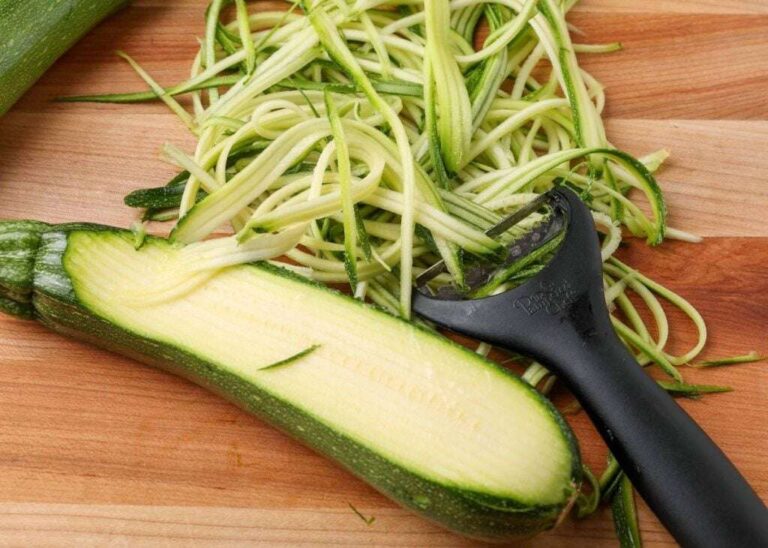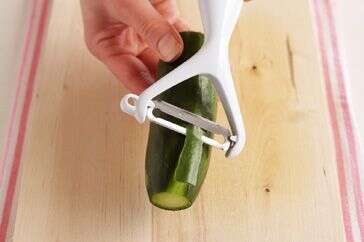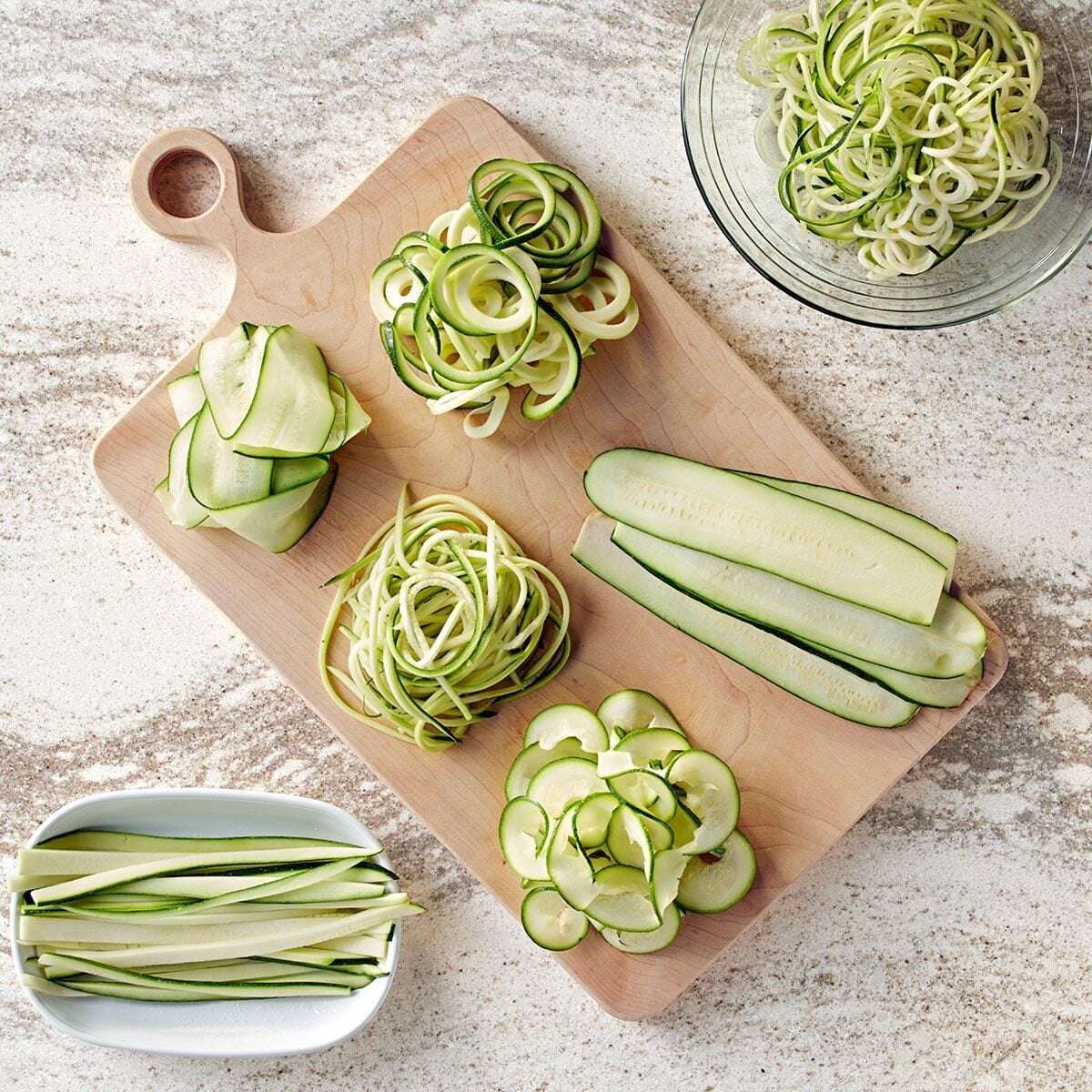
How To Peel Zucchini Without A Peeler: Easy Kitchen Method
You can peel zucchini without a peeler using a knife, spoon, fork, or vegetable grater.
Learning how to peel zucchini without a peeler is simple once you choose the right tool for the zucchini’s size and firmness. A sharp kitchen knife gives the cleanest result, while a spoon works well for soft skin and a grater creates fine strips for cooking.
Why Peel Zucchini at All?
Zucchini skin is thin, tender, and safe to eat. In fact, leaving the skin on can help the zucchini hold its shape during cooking. The skin also adds color, texture, and some fiber.
Still, peeling may be useful in a few cases:
• The skin feels tough or waxy.
• The zucchini is large and mature.
• You want a smooth texture for soup, purée, or baby food.
• You are making a pale dish where green skin may look out of place.
• The zucchini has bruised, scarred, or damaged areas.
Small, fresh zucchini usually do not need peeling. Their skin is often soft enough to disappear into stir-fries, pasta dishes, breads, and casseroles.

How to Peel Zucchini Without a Peeler
There is more than one good way to peel zucchini without a peeler. The best method depends on the tool you have and how much skin you want to remove.
Before you begin, wash the zucchini under cool running water. Rub the surface with clean hands to remove soil and residue. Pat it dry so the vegetable does not slip.
Method 1: Use a Sharp Kitchen Knife
A paring knife or small chef’s knife gives you the most control. This is the best choice when you want long, even strips of zucchini skin.
-
Place the zucchini on a stable cutting board.
-
Trim off the stem and blossom ends.
-
Hold the zucchini firmly with your non-dominant hand.
-
Set the knife just under the skin near the top.
-
Slice downward in a thin strip.
-
Turn the zucchini slightly and repeat.
-
Rotate it until all the skin is removed.
Keep the knife blade angled away from your fingers. Take thin cuts rather than trying to remove a thick layer. Thick cuts waste the tender flesh beneath the skin.
For a long zucchini, cut it in half first. Shorter pieces are easier to hold and less likely to roll across the cutting board.
Method 2: Use a Spoon
A sturdy metal spoon can scrape away soft zucchini skin. This method is gentle and useful when you want to avoid cutting too deeply into the flesh.
Hold the zucchini on the cutting board, then press the edge of the spoon lightly against the skin. Pull the spoon along the vegetable in short strokes. Turn the zucchini as you work.
A spoon may leave an uneven surface, but that usually does not matter in soup, sauce, or mashed zucchini. It is also a good option for children who are learning basic kitchen skills, although an adult should supervise the task.
Method 3: Use a Fork
A fork can remove very thin strips of zucchini skin. It does not create a fully peeled surface, but it can make a striped or lightly scraped finish.
Drag the tips of the fork down the length of the zucchini. Use gentle pressure. Turn the zucchini and repeat until you reach the texture you want.
This technique works well when you want some green color to remain. It is especially useful for roasted zucchini, salads, and decorative vegetable ribbons.
Method 4: Use a Box Grater
A box grater can remove the outer skin while also creating small zucchini pieces. Choose the large-hole side if you want shredded zucchini for fritters, muffins, or quick bread.
Hold the zucchini at one end and move it over the grater with steady pressure. Stop when you reach the pale center. Avoid grating your fingers by leaving a thick end piece or using a cut-resistant glove.
This method does not produce traditional peeled zucchini. Instead, it removes much of the skin and changes the zucchini into shreds. It is ideal when the final recipe calls for grated zucchini.
Method 5: Use a Vegetable Knife or Serrated Knife
If you do not have a paring knife, a small serrated knife may work. The teeth can grip the slippery skin better than a smooth blade.
Use short, shallow strokes. Do not saw deeply into the zucchini. A serrated knife can remove more flesh than expected if you press too hard.
This option is useful for large zucchini with firmer skin. For small zucchini, a smooth paring knife usually gives a neater finish.
Method 6: Blanch the Zucchini First
Blanching can loosen the skin slightly, though it is not always needed. Place the zucchini in boiling water for about 30 to 60 seconds, then move it into ice water.
Once it cools, rub the surface gently with a clean towel or scrape it with a spoon. The skin may come away more easily.
This method works best when you plan to cook the zucchini afterward. Blanching softens the flesh, so it may not be the best choice for crisp salads or raw dishes.
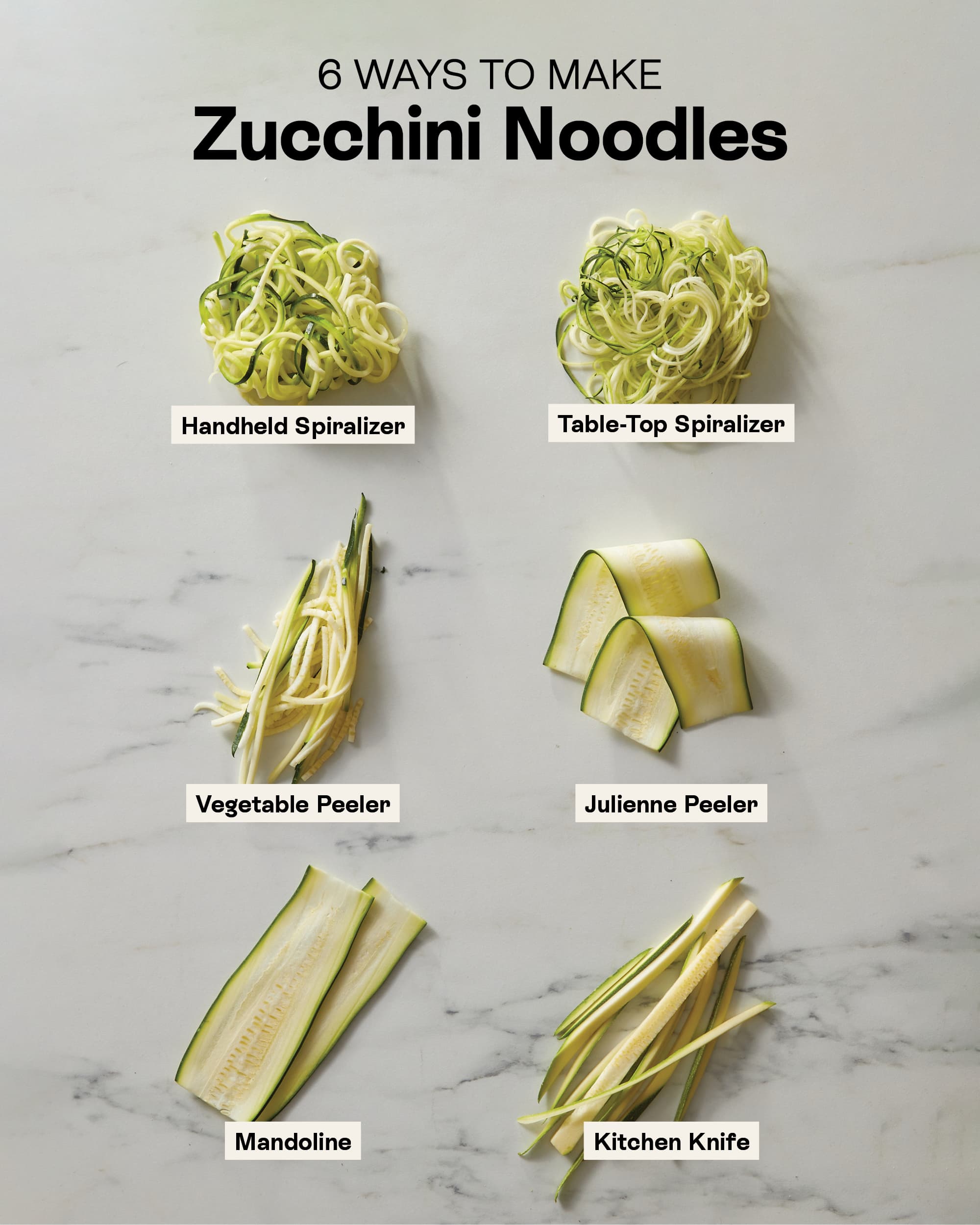
The Best Method for Each Recipe
The right peeling method depends on how you will use the zucchini. A smooth peel is not always necessary.
• For soup, use a spoon or knife. Small marks will disappear during blending.
• For zucchini bread, use a box grater if you want shredded zucchini without large strips of skin.
• For stir-fry, use a knife and remove only tough sections.
• For salads, use a fork to create a striped look, or leave the skin on.
• For baby food, use a knife or spoon, then cook and blend the zucchini until smooth.
• For stuffed zucchini, leave the skin on so the vegetable keeps its shape.
• For roasted zucchini, keep the skin on unless it feels hard or bitter.
During recipe testing, one mistake comes up often: removing too much flesh along with the skin. Zucchini has a high water content, so the center can become soft and fragile after peeling. Thin cuts help preserve its shape and reduce waste.
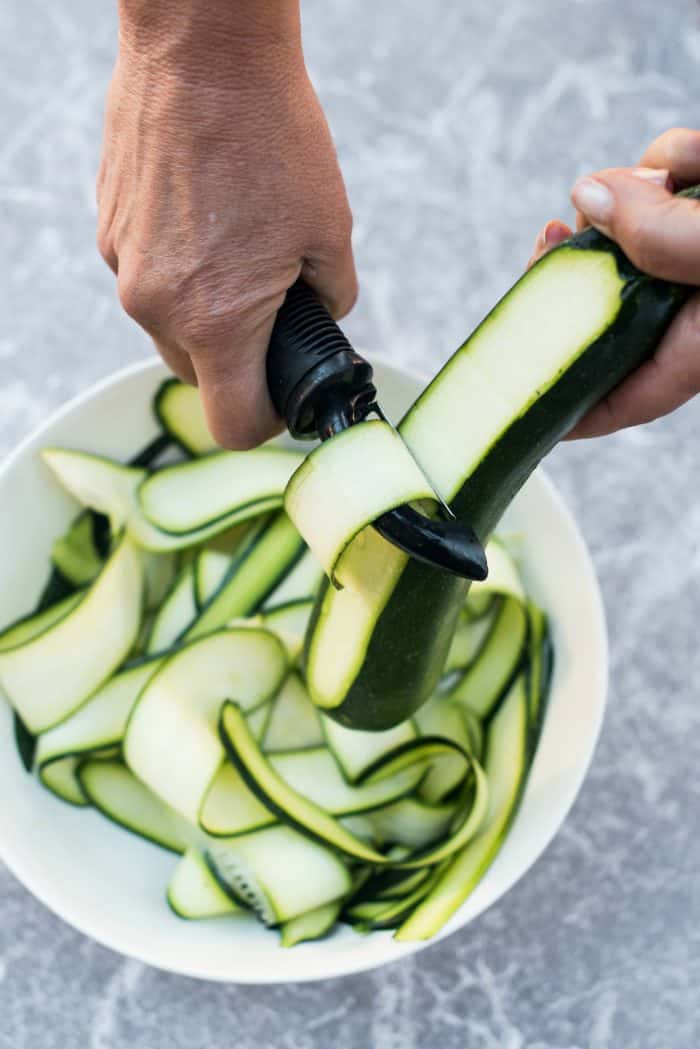
How to Choose a Zucchini for Easy Peeling
Fresh zucchini is easier to handle than old, dry zucchini. Look for one with smooth, firm skin and no deep cuts or soft spots.
Small and medium zucchini usually have thin skin. Large zucchini may have tougher skin, larger seeds, and a spongier center. These older zucchini benefit most from peeling.
Use these simple checks:
• Choose zucchini that feels firm from end to end.
• Avoid deep wrinkles or mushy spots.
• Look for bright, even skin.
• Pick zucchini with a fresh stem when possible.
• Refrigerate unwashed zucchini in a breathable bag and wash it before use.
If only one area is damaged, you do not need to peel the whole vegetable. Cut away the damaged section and keep the rest.
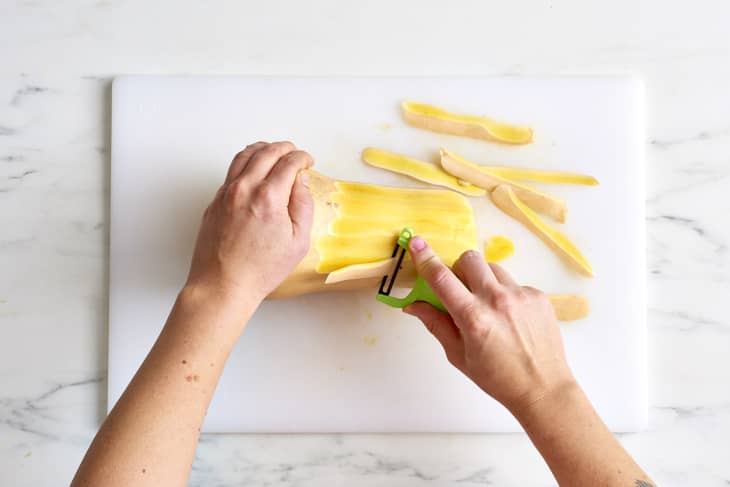
How to Peel Zucchini Safely
Knife safety matters more than speed. Zucchini can become slippery, especially after washing, so dry it well before cutting.
Follow these safety steps:
-
Use a stable cutting board.
-
Place a damp towel under the board if it slides.
-
Keep your fingers curled away from the knife blade.
-
Cut away from your body.
-
Use a sharp knife instead of forcing a dull one.
-
Peel in thin strips.
-
Keep the zucchini flat when possible.
A dull knife often creates more risk because it needs extra force. If the zucchini rolls, cut a thin slice from one side to create a flat base.
Wash the zucchini before peeling, even if you plan to remove the skin. Otherwise, dirt and surface bacteria can transfer from the skin to the inner flesh as your knife moves through it. After peeling, wash your hands, cutting board, and knife with warm, soapy water.
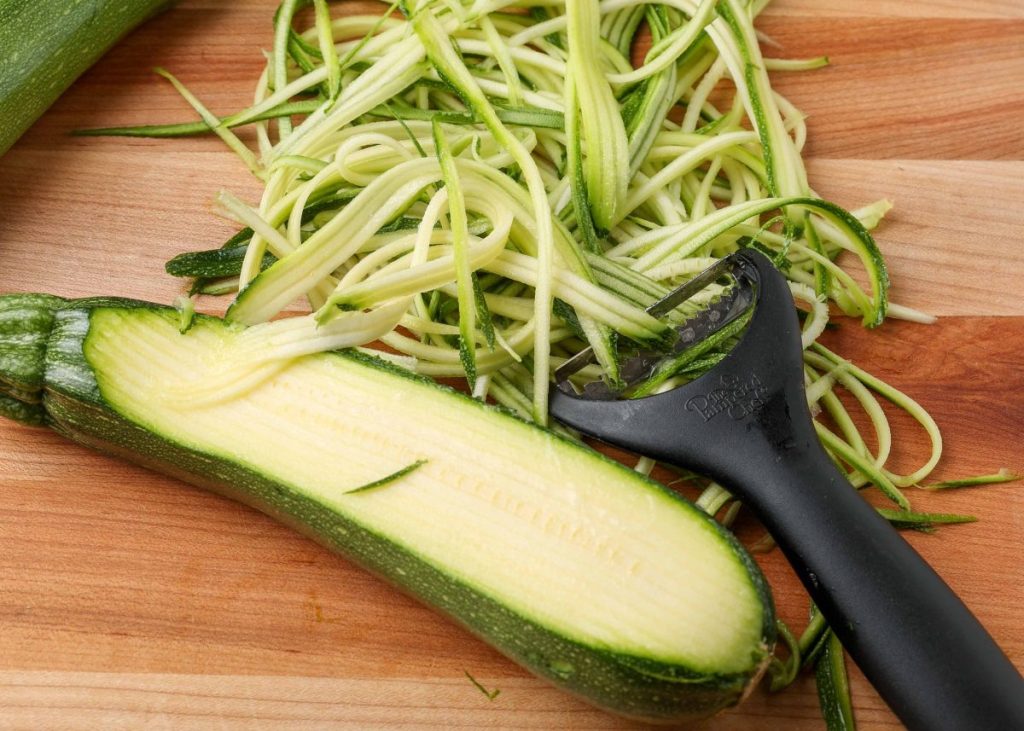
Should You Peel Zucchini Before Cooking?
Usually, no. Zucchini skin is edible and cooks quickly. Leaving it on also helps the pieces stay together.
Peeling makes more sense when the zucchini is large, the skin is tough, or the recipe needs a smooth finish. It can also help picky eaters who dislike the green outer layer.
A useful rule is simple: taste a small raw piece after washing it. If the skin is tender and mild, leave it on. If it feels chewy, bitter, or tough, remove it.
The skin may taste slightly bitter in some mature zucchini. However, strong bitterness throughout the vegetable can signal a problem with the plant’s natural compounds. Do not eat zucchini that tastes intensely bitter. Discard it instead.
Common Mistakes to Avoid
Knowing how to peel zucchini without a peeler is easy, but a few mistakes can lead to waste or poor texture.
Removing Too Much Flesh
A thick knife cut takes away the best part of the zucchini. Keep the blade close to the surface and use light pressure.
Peeling Wet Zucchini
Wet zucchini is harder to grip. Dry it with a clean towel before cutting.
Using a Large Knife for Small Zucchini
A large blade may feel awkward and can slip. A small paring knife gives better control.
Ignoring the Ends
The stem and blossom ends can be firm or dry. Trim both before peeling or cooking.
Peeling Zucchini That Does Not Need Peeling
Small zucchini often have tender skin. Peeling them may waste time and edible flesh.
Leaving Damaged Skin Behind
Bruised or moldy areas should be cut away. If mold extends deep into a soft zucchini, discard the vegetable.
How to Store Peeled Zucchini
Peeled zucchini dries out faster than whole zucchini. Use it soon after peeling for the best flavor and texture.
Place peeled zucchini in an airtight container and refrigerate it. A clean paper towel can absorb extra moisture. Replace the towel if it becomes wet.
Try to use peeled zucchini within one to two days. Cut zucchini may release water, so drain it before sautéing or adding it to batter.
For longer storage, cook the zucchini first or freeze it as part of a prepared dish. Raw frozen zucchini often becomes soft after thawing, which makes it better for soups, sauces, and baked recipes than fresh salads.
Frequently Asked Questions About How to Peel Zucchini Without a Peeler
Can I peel zucchini with a regular kitchen knife?
Yes. A sharp paring knife or small chef’s knife works well. Remove thin strips while keeping your fingers curled safely away from the blade.
Is zucchini skin safe to eat?
Yes, zucchini skin is generally safe to eat after you wash the vegetable well. It is thin and tender, especially on small and medium zucchini.
What is the easiest way to peel zucchini without a peeler?
A sharp paring knife is usually the easiest option. If the zucchini is very soft, a sturdy spoon can scrape away the skin with less cutting.
Do I need to peel zucchini before making zucchini bread?
No. You can leave the skin on and grate the zucchini. The green flecks add color, and the skin usually becomes tender during baking.
How do I peel a large zucchini?
Cut the zucchini into shorter sections, then remove the skin with a sharp knife. Large zucchini may also need their seeds and soft center removed before cooking.
Can I use a fork to peel zucchini?
A fork can scrape away thin strips of skin, but it will not create a perfectly smooth peel. It works best when you want a striped appearance or a lightly scraped surface.
Why does my zucchini taste bitter after peeling?
Peeling does not always remove bitterness because the bitter taste may come from the flesh. Do not eat zucchini with an intense bitter taste; discard it.
Conclusion
You can peel zucchini without a peeler by using a sharp knife, spoon, fork, box grater, or serrated knife. Choose the knife for smooth strips, the spoon for soft skin, and the grater when you want shredded zucchini for baking or fritters.
Always wash and dry the zucchini first, use thin cuts, and remove only as much skin as the recipe requires. Try one of these methods with your next zucchini, then share your favorite technique or recipe in the comments.

Liora Pennings is a seasoned chef and kitchen enthusiast with a passion for turning everyday cooking into an effortless experience. With years of hands-on culinary expertise, she specializes in practical techniques, ingredient know-how, and smart kitchen solutions that help home cooks elevate their meals. At KitchFlair.com, Liora shares her best tips, time-saving tricks, and honest product reviews to guide readers toward a more efficient, enjoyable, and inspired cooking routine. Whether you’re a beginner or a seasoned home chef, Liora’s friendly, knowledge-packed insights make every visit to the kitchen a little easier—and a lot more delicious.