What Do You Call A Small Bowl: Names And Uses
A small bowl is usually called a pinch bowl, ramekin, dipping bowl, or side bowl.
The best name depends on its shape, size, and purpose. In American English, “small bowl” is the general term, while names such as ramekin, condiment bowl, prep bowl, and finger bowl describe more specific uses. This guide explains what do you call a small bowl, how each term differs, and which word fits your situation.

What do you call a small bowl?
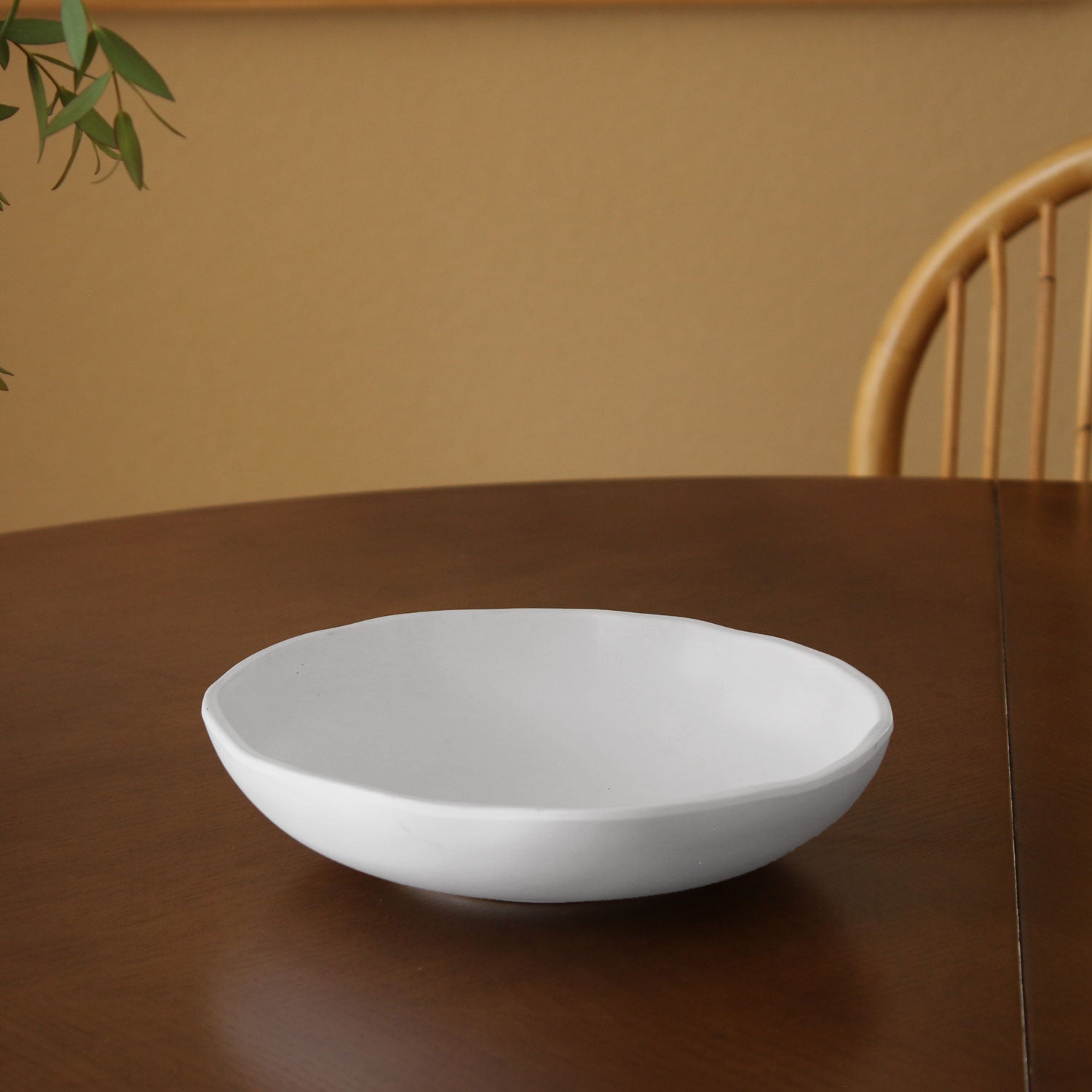
The simplest answer is “a small bowl.” This phrase works in daily conversation, shopping, recipes, and home kitchens. If someone says, “Please pass me a small bowl,” most people will understand the request without needing more detail.
However, English has several more exact names. What do you call a small bowl in a kitchen may depend on what the bowl holds, how it looks, and where it is used.
Common names include:
• Pinch bowl: A tiny bowl used to hold spices, salt, herbs, or small ingredients.
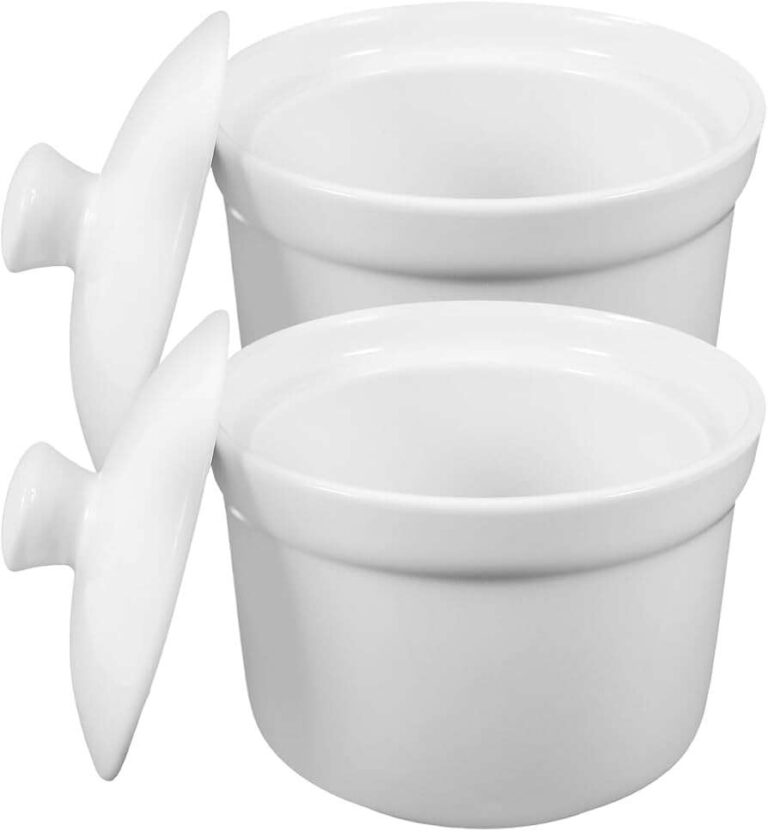
• Ramekin: A small, often round ceramic dish used for sauces, desserts, baked foods, or condiments.
• Prep bowl: A small bowl used to measure and organize ingredients before cooking.
• Condiment bowl: A bowl for ketchup, mustard, salsa, soy sauce, or other toppings.
• Side bowl: A small bowl used for fruit, snacks, soup, or a small serving.
• Finger bowl: A bowl of warm water used to rinse the fingers during a formal meal.
• Rice bowl: A small or medium bowl designed for serving rice or similar foods.
The terms can overlap. For example, a ramekin may also serve as a condiment bowl, and a pinch bowl may also work as a prep bowl.

The most common names for a small bowl
Pinch bowl
A pinch bowl is one of the smallest types of bowls. It usually holds a small amount of an ingredient, such as pepper, cinnamon, chopped garlic, or baking powder.
The name comes from the idea of holding a “pinch” of something. In real kitchens, pinch bowls make cooking easier because ingredients are ready before the pan gets hot.
A pinch bowl is often made of glass, ceramic, stainless steel, or wood. It may hold only a teaspoon or a few tablespoons.
Ramekin
A ramekin is a small, straight-sided dish made from ceramic, porcelain, glass, or another heat-safe material. It is often used for crème brûlée, soufflés, baked dips, custards, and individual desserts.
In American English, “ramekin” is a common answer to what do you call a small bowl when the dish is round, sturdy, and oven-safe. Still, not every small bowl is a ramekin. A ramekin has a more specific shape and cooking purpose.
Prep bowl
A prep bowl holds ingredients during meal preparation. It may contain chopped onions, beaten eggs, grated cheese, spices, or measured flour.
Cooking shows often use the French phrase mise en place, which means putting ingredients in place before cooking. Prep bowls support this method by keeping each ingredient separate and easy to reach.
Condiment bowl
A condiment bowl is made for small portions of sauces and toppings. It may hold relish, olives, hot sauce, chutney, guacamole, or dipping sauce.
These bowls are often wider than pinch bowls. Their shape makes it easy to dip food or use a spoon.
Side bowl
A side bowl is a broad, informal term. It may hold a small serving of cereal, berries, nuts, soup, or dessert.
If you are describing a bowl without focusing on a special design or use, “side bowl” or “small serving bowl” may be the clearest choice.
What do you call a small bowl in different settings?
The right word can change with the setting. English speakers choose terms based on context rather than size alone.
In everyday conversation
Use “small bowl” when speaking generally.
Examples:
• “Put the berries in a small bowl.”
• “Can you bring me a small bowl for the soup?”
• “I need a small bowl for the dog’s food.”
This wording is natural and clear. It does not sound overly formal.
In cooking recipes
Recipes may use “small bowl,” “mixing bowl,” or “prep bowl.” The exact term depends on the step.
For example:
• “Whisk the egg in a small bowl.”
• “Combine the spices in a prep bowl.”
• “Serve the sauce in a ramekin.”
When a recipe says “small bowl,” it usually does not require a special product. Any clean bowl that fits the amount will work.
In restaurants
Restaurants may use terms such as ramekin, dipping cup, sauce cup, or condiment dish. A server might bring a ramekin of ranch dressing or a small dish of soy sauce.
“Dipping bowl” is also easy to understand, though “dipping dish” may sound more natural for a shallow container.
At a formal dinner
A finger bowl is a special term. It is usually placed above the dinner plate and contains warm water. Diners use it to clean their fingertips after eating foods such as shellfish or fruit by hand.
A finger bowl is not meant for drinking. Clear placement and etiquette help guests understand its purpose.
In pottery and design
Potters may use terms such as pinch pot, sauce bowl, tasting bowl, tea bowl, or condiment dish. These names describe both the form and the intended use.
A handmade bowl may fit several categories. Its final name often depends on how the maker or seller presents it.

What is the difference between a ramekin and a small bowl?
A ramekin is a type of small bowl, but the two terms are not identical. “Small bowl” describes size in a general way, while “ramekin” describes a more specialized dish.
Ramekins often have these features:
• Straight or slightly curved sides
• A round shape
• A small capacity
• Heat-safe ceramic or porcelain
• Use in baking, serving, or portion control
A small bowl may have a wide range of shapes and materials. It could be deep, shallow, decorative, wooden, plastic, or metal.
For example, a cereal bowl can be small, but it is not usually called a ramekin. A glass dish for soy sauce may be a condiment bowl, even if it has a shape similar to a ramekin.
The safest rule is simple: use “small bowl” for a general description and “ramekin” when the dish has the usual ramekin shape or function.

What is the difference between a pinch bowl and a prep bowl?
A pinch bowl is usually smaller than a prep bowl. It holds tiny amounts, while a prep bowl may hold a full measured ingredient.
A pinch bowl might contain:
• A pinch of salt
• Two teaspoons of paprika
• Chopped herbs
• A small amount of grated ginger
A prep bowl might contain:
• One cup of chopped vegetables
• Several beaten eggs
• Measured flour
• A sauce mixture
The names are not strict scientific categories. Manufacturers may label the same product as a pinch bowl, prep cup, prep dish, or ingredient bowl.
When asking what do you call a small bowl for cooking, both “pinch bowl” and “prep bowl” can be correct. The amount and task provide the clue.

Small bowl sizes and capacity
There is no single official size for a small bowl. The word “small” is relative to the bowl’s purpose.
Typical capacity ranges may look like this:
• Pinch bowl: About 1 to 4 tablespoons