How To Use Silicone Popcorn Maker: Easy Guide
To use a silicone popcorn maker, add kernels, cover the bowl, microwave it, and season the popped corn.
Learning how to use a silicone popcorn maker is simple, but small details affect taste, safety, and popping results. With the right amount of kernels, proper microwave power, and careful handling, you can make fresh popcorn in minutes with less mess than a stovetop pot.
What Is a Silicone Popcorn Maker?
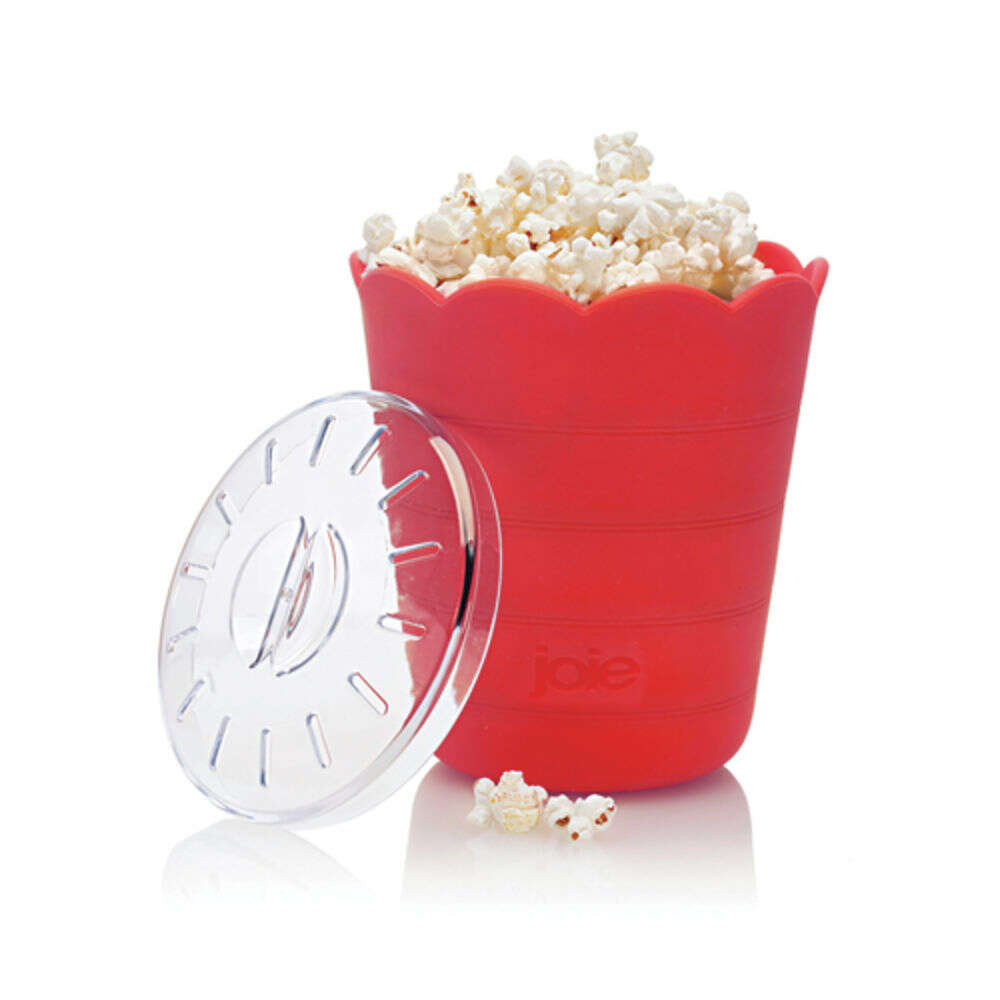
A silicone popcorn maker is a microwave-safe bowl or container made from heat-resistant silicone. Most models include a loose-fitting lid that lets steam escape while keeping popped kernels inside.
Silicone is flexible, light, and easy to store. It also does not absorb flavors as easily as some plastic containers. Many silicone popcorn bowls collapse flat, which makes them useful in small kitchens, dorm rooms, offices, and RVs.
The basic design has three parts:
• A silicone bowl that holds the kernels
• A vented or loose lid that covers the bowl
• Measurement marks that help control the serving size
A silicone popcorn maker does not need a stove, pan, or special oil. However, not every model works in exactly the same way. Always check the care label before using it in a microwave, dishwasher, or oven.

How to Use a Silicone Popcorn Maker Step by Step
The best way to learn how to use a silicone popcorn maker is to follow a simple process. Start with a small batch. You can increase the amount later once you know how your model performs.
1. Read the manufacturer’s instructions
Check the label for microwave use, maximum fill level, and cleaning instructions. Some silicone bowls are designed only for microwave popcorn. Others may also be safe for a conventional oven, but you should never assume this.
Look for these details:
• Maximum kernel capacity
• Recommended cooking time
• Microwave wattage guidance
• Dishwasher safety
• Temperature limits
If the instructions conflict with general advice, follow the manufacturer’s instructions. The design, silicone thickness, and lid style can vary by brand.
2. Measure the popcorn kernels
Add the recommended amount of kernels to the bowl. A common serving uses about ¼ cup of kernels, but many silicone popcorn makers work best with less.
Do not fill the bowl to the top. Popcorn expands several times as it heats. Overfilling can cause uneven popping, a jammed lid, or kernels spilling into the microwave.
For a first test, use:
• ¼ cup of kernels for a medium bowl
• ⅓ cup for a larger bowl
• Less than the stated maximum if your microwave is powerful
3. Add oil only if you want it
Most silicone popcorn makers can pop kernels without oil. This gives you a lighter snack and reduces the chance of greasy cleanup.
If you prefer richer flavor, add about 1 teaspoon of neutral oil, such as avocado, canola, or vegetable oil. Stir the kernels gently so the oil coats them. Avoid adding butter before cooking unless the product instructions specifically allow it. Butter contains water and can splatter or burn.
4. Put the lid on correctly
Set the lid over the bowl without sealing it tightly. Popcorn needs room for steam to escape. A fully sealed container can build pressure, which is unsafe.
Some lids have vents. Others sit loosely on the rim. Do not press a flexible lid down if it is meant to rest lightly on top.
5. Place the bowl in the microwave
Put the silicone popcorn maker near the center of the microwave turntable. Make sure the bowl is stable and not touching the microwave walls.
Set the microwave to high power unless the instructions say otherwise. Start with 2 to 3 minutes. Cooking time depends on the microwave, kernel type, bowl size, and batch size.
6. Listen for the popping
The most reliable sign that popcorn is ready is the sound. Stop the microwave when the pops slow to about 2 seconds apart.
Do not wait until every kernel pops. A few unpopped kernels are normal. Waiting for complete popping can burn the popcorn that has already opened.
7. Remove the bowl carefully
The bowl may become hot, especially near the base. Use oven mitts or a dry towel. Lift the lid away from your face because hot steam may escape.
Let the popcorn cool for about 30 seconds. Then add salt, melted butter, nutritional yeast, cinnamon sugar, or another topping.
When I test a new silicone popcorn maker, I begin with a short cook time and stay near the microwave. This prevents the common mistake of treating every microwave as if it has the same power.

How Long Does Popcorn Take in a Silicone Popcorn Maker?
Most batches take about 2 to 4 minutes in a standard microwave. The exact time depends on the microwave’s wattage and the amount of kernels in the bowl.
A 1,000-watt microwave may need less time than a 700-watt model. High-power microwaves can burn popcorn quickly, so watch and listen closely during the final minute.
Use the popping rate rather than a fixed timer. When several seconds pass between pops, stop the microwave. This method gives better results than always cooking for 3 minutes.
Your results may also change because of:
• Freshness of the kernels
• Amount of moisture in the kernels
• Bowl size and shape
• Microwave power level
• Amount of oil used
• Whether the bowl is at room temperature
Never leave the microwave unattended while popcorn cooks. Smoke from burned popcorn can damage the microwave and may trigger a fire alarm.

How Much Popcorn Should You Put in the Bowl?
Use the smallest amount that gives you the serving size you need. Popcorn expands quickly, so a small scoop of kernels can fill a large bowl.
A useful starting guide is:
• 2 tablespoons of kernels for one small serving
• ¼ cup of kernels for two small servings
• ⅓ cup of kernels for a larger snack
Follow the fill line if your silicone popcorn maker has one. If there is no fill line, keep the raw kernels in a shallow layer across the bottom.
Too many kernels can create three problems. Some kernels may not heat well, the popped corn may push against the lid, and the bowl may be harder to handle.
In my experience, slightly smaller batches often taste better. They leave enough room for the kernels to move and pop evenly. This also makes it easier to add seasoning without crushing the popcorn.

Should You Add Oil to a Silicone Popcorn Maker?
No, oil is not required for most silicone popcorn makers. Microwave heat can pop kernels on its own because each kernel contains a small amount of water. As the water turns to steam, pressure builds until the kernel opens.
Oil can improve flavor and help seasoning stick. It can also make the popcorn feel smoother. However, too much oil may create a greasy bowl and increase the risk of smoke.
Good oil choices include:
• Canola oil
• Avocado oil
• Sunflower oil
• Light olive oil
Use only a small amount. One teaspoon is often enough for ¼ cup of kernels.
Add melted butter after popping for better control. Pour it slowly while shaking the bowl or stirring with a large spoon. This spreads the butter more evenly and helps prevent soggy spots.

How to Avoid Burned or Unpopped Popcorn
Burned popcorn usually means the batch cooked too long or the microwave power was too high. Unpopped kernels may result from old kernels, uneven heating, or an overloaded bowl.
Try these simple fixes:
• Reduce the cooking time by 15 to 30 seconds
• Stop cooking when pops slow down
• Use fresh popcorn kernels
• Make a smaller batch
• Test a lower microwave power setting