What Material Is Best For Mixing Bowls: Find Your Ideal Bowl
For most kitchens, stainless steel is best, while glass and plastic suit different needs.
Choosing what material is best for mixing bowls depends on your recipes, cooking habits, storage space, and cleaning routine. After comparing common bowl materials for baking, meal prep, whipping, and serving, stainless steel stands out as the most useful all-around choice. Still, glass, plastic, ceramic, and copper each have a clear place in the kitchen. This guide explains their strengths, limits, safety, and best uses so you can buy with confidence.
What material is best for mixing bowls?
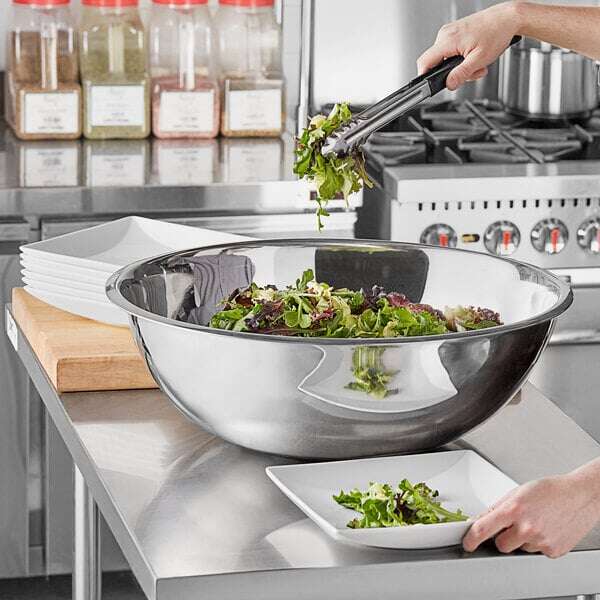
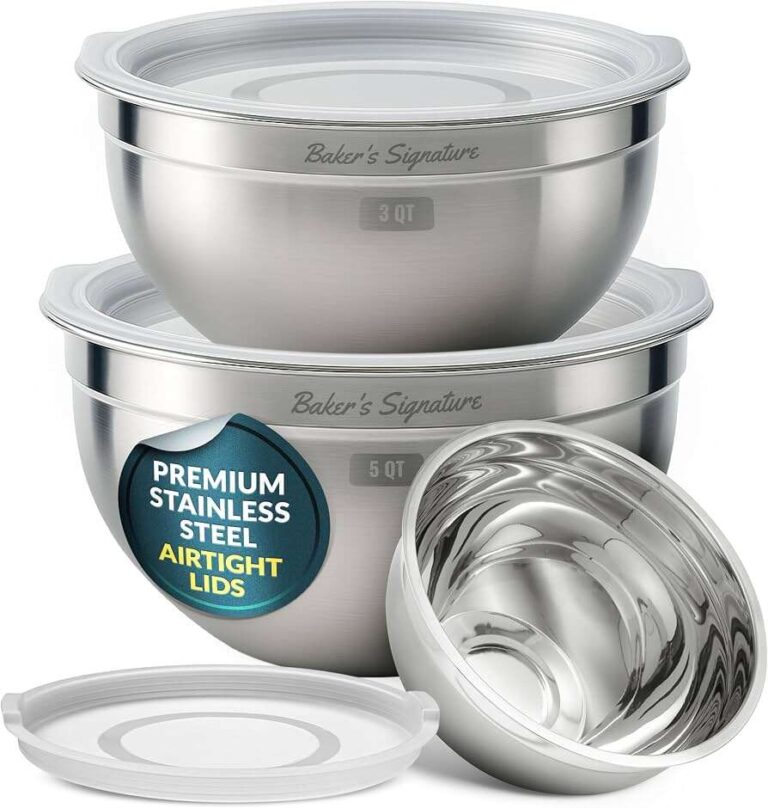
For most home cooks, stainless steel is the best material for mixing bowls. It is light, strong, rust-resistant, easy to clean, and safe for most kitchen tasks. A good stainless steel bowl can handle thick dough, boiling water nearby, electric mixers, and years of daily use.
However, there is no single answer for every cook. The best material depends on what you make most often.
| Material | Best for | Main benefit | Main drawback |
|---|---|---|---|
| Stainless steel | Daily cooking and baking | Durable and light | Can react with some acidic foods if poorly made |
| Glass | Baking and microwave use | Nonreactive and heat-safe | Heavy and breakable |
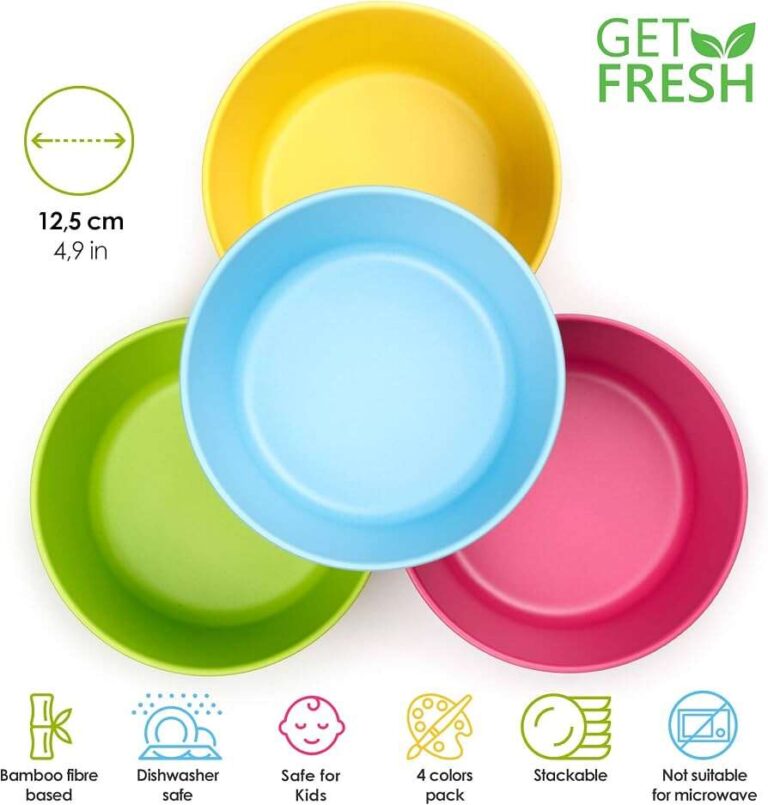
| Plastic | Quick prep and storage | Light and affordable | Can stain, scratch, and hold odors |
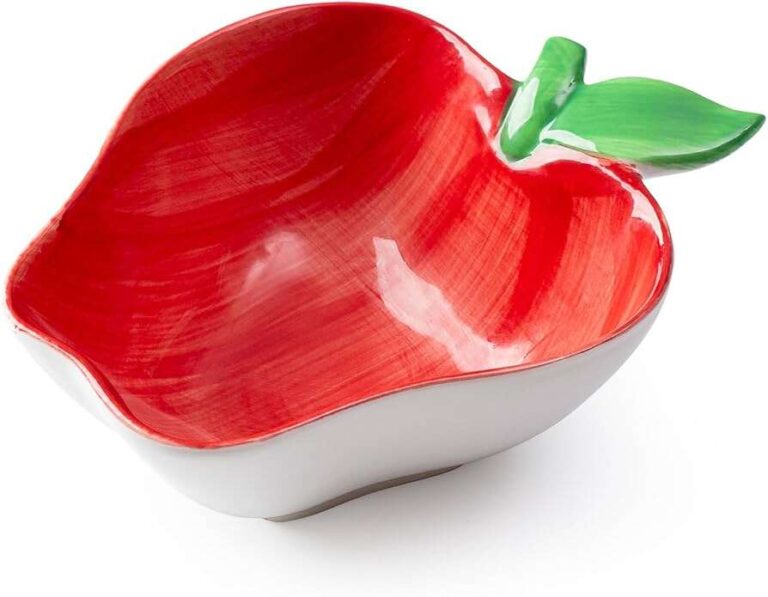
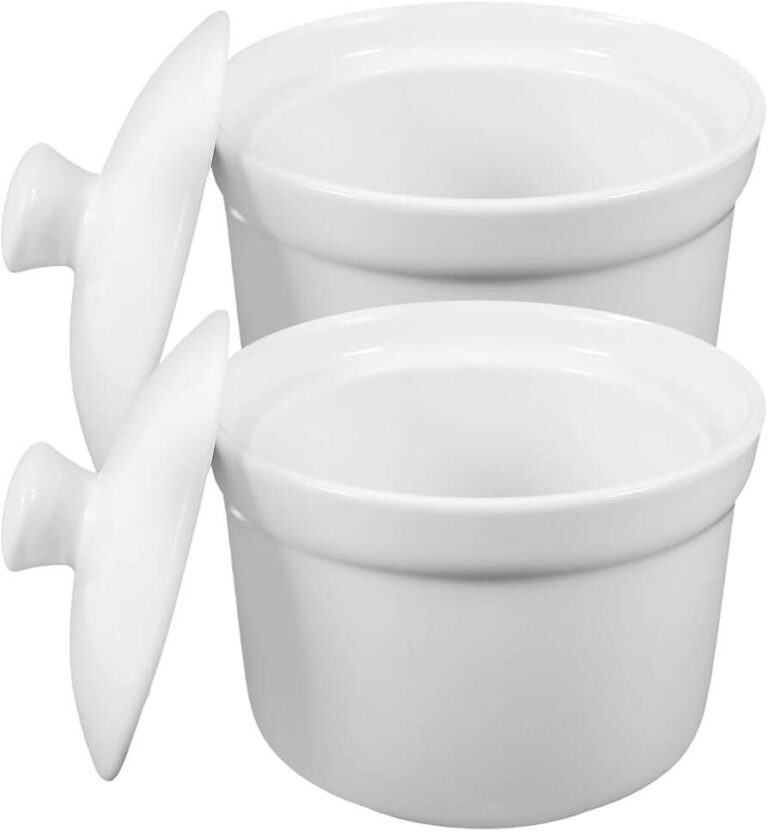
| Ceramic | Serving and gentle mixing | Attractive and stable | Heavy and prone to chips |
| Copper | Whipping egg whites | Excellent for meringue | Expensive and needs care |
| Silicone | Folding and flexible prep | Soft and easy to store | Less stable for heavy mixing |
If you want one bowl set that handles nearly everything, choose stainless steel. If you bake often, adding a heat-safe glass bowl can give you more flexibility.

Stainless steel mixing bowls: The best all-purpose choice
Stainless steel is the leading answer to what material is best for mixing bowls because it balances performance, price, and durability. Most quality bowls use food-grade stainless steel, often labeled 18/8 or 18/10. These numbers describe the amounts of chromium and nickel in the steel.
Chromium helps the bowl resist rust. Nickel helps improve shine, strength, and corrosion resistance. The bowl does not need to be expensive, but it should feel sturdy and have smooth seams.
Benefits of stainless steel bowls
• Lightweight: You can lift a large bowl with one hand.
• Durable: Stainless steel does not shatter when dropped.
• Easy to clean: Most bowls wash quickly by hand or in a dishwasher.
• Nonporous: The surface does not absorb most food smells or colors.
• Temperature-friendly: It works well with chilled ingredients and warm mixtures.
• Nestable: Most sets fit inside one another to save cabinet space.
A stainless steel bowl also works well with a hand mixer. Its rounded sides help keep flour, eggs, and batter moving toward the beaters. A wide base gives the bowl better balance during vigorous mixing.
Limits of stainless steel
Stainless steel is not perfect. It can become scratched when used with sharp metal tools. Scratches are usually cosmetic, but deep damage may make cleaning harder.
It can also react with highly acidic foods in rare cases, especially if the steel is low quality or damaged. Tomatoes, citrus, vinegar, and marinades are usually fine in good food-grade stainless steel for normal mixing. For long storage of acidic food, glass is a safer choice.
Stainless steel also conducts temperature quickly. That is useful when chilling ingredients, but it can make a bowl feel cold or hot to the touch. A silicone base or kitchen towel can help keep it steady.
In my experience, the most useful bowl set is a stainless steel set with a flat base, a pouring rim, and a comfortable depth. Very thin bowls save money, but they bend easily and may slide across the counter.
:max_bytes(150000):strip_icc()/sea-pyrex-essentials-glass-mixing-bowls-set-ashlee-redger-01-77487425e1ff42baa876ead359aa59d4.jpeg)
Glass mixing bowls: Best for baking and microwave use
Glass is another strong choice when deciding what material is best for mixing bowls. It is nonreactive, clear, and suitable for many baking tasks. You can see the layers of a salad, the texture of a batter, or the rise of yeast dough without lifting the mixture.
Heat-safe glass bowls can also go into the microwave. This makes them useful for melting butter, chocolate, or small amounts of cheese. Always check the maker’s instructions before using a bowl with heat.
Benefits of glass bowls
• Nonreactive surface: Glass does not add flavor to acidic foods.
• Clear design: You can see ingredients from every side.
• Microwave-friendly options: Some glass bowls are made for gentle heating.
• Stain resistance: Glass does not easily absorb tomato or berry colors.
• Food-safe storage: Many glass bowls come with fitted lids.
Glass is especially useful for recipes that need visual control. When making whipped cream, for example, you can watch the mixture change from liquid to soft peaks. When mixing yeast dough, the clear sides help you track its rise.
Drawbacks of glass bowls
The biggest problem is weight. A large glass bowl can feel tiring when filled with flour, fruit, or dough. Glass may also crack or break if dropped.
Thermal shock is another concern. Do not move a very cold glass bowl directly into a hot oven unless the product is specifically designed for that use. Do not pour boiling liquid into a cold bowl. A sudden temperature change can cause the glass to break.
For families with young children or busy kitchens, glass may not be the safest main material. It works best as part of a mixed collection rather than the only bowl type.
Plastic mixing bowls: Light, practical, and budget-friendly
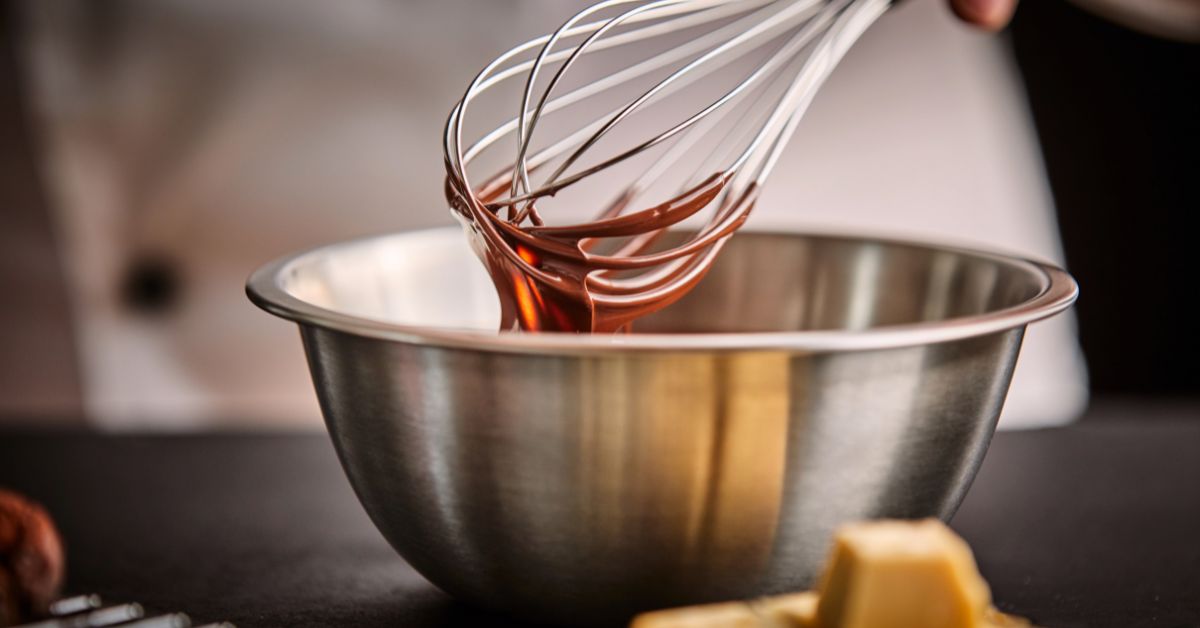
Plastic bowls are popular because they are light, affordable, and easy to carry. They are useful for rinsing produce, mixing pancake batter, preparing salads, and storing leftovers.
When asking what material is best for mixing bowls on a budget, plastic can be a sensible answer. Look for bowls marked as food-safe and made without BPA. Choose thick plastic with a stable base rather than thin containers that bend under pressure.
Advantages of plastic bowls
• Very light: Large bowls remain easy to lift.
• Affordable: You can buy several sizes at a low cost.
• Tough against drops: Plastic is less likely to shatter.
• Often stackable: Many sets save valuable cabinet space.
• Good for children: Plastic is safer for young helpers than glass.
Plastic is also quieter than metal. This matters when you use a hand mixer or scrape the sides with a spoon early in the morning.
Problems to consider
Plastic can scratch more easily than stainless steel or glass. Scratches may trap food residue and odors. Replace a plastic bowl if it becomes deeply scratched, cracked, cloudy, or difficult to clean.
Some plastics absorb color from turmeric, tomato sauce, berries, and curry. Oils can also leave a smell behind. A plastic bowl used for garlic dressing may still smell like garlic the next day.
Avoid using plastic bowls with very hot ingredients unless the manufacturer says they are heat-safe. Heat can soften some plastics or increase wear. Do not assume that every plastic bowl is microwave-safe.
A practical lesson is to keep separate plastic bowls for strong-smelling foods and general baking. This simple habit can prevent a berry smoothie from tasting like last night’s onions.
:max_bytes(150000):strip_icc()/sea-pyrex-sculpted-tinted-glass-mixing-bowls-with-lids-ashlee-redger-05-00dd2f98676044fcb40f553125739341.jpeg)
Ceramic mixing bowls: Attractive and stable
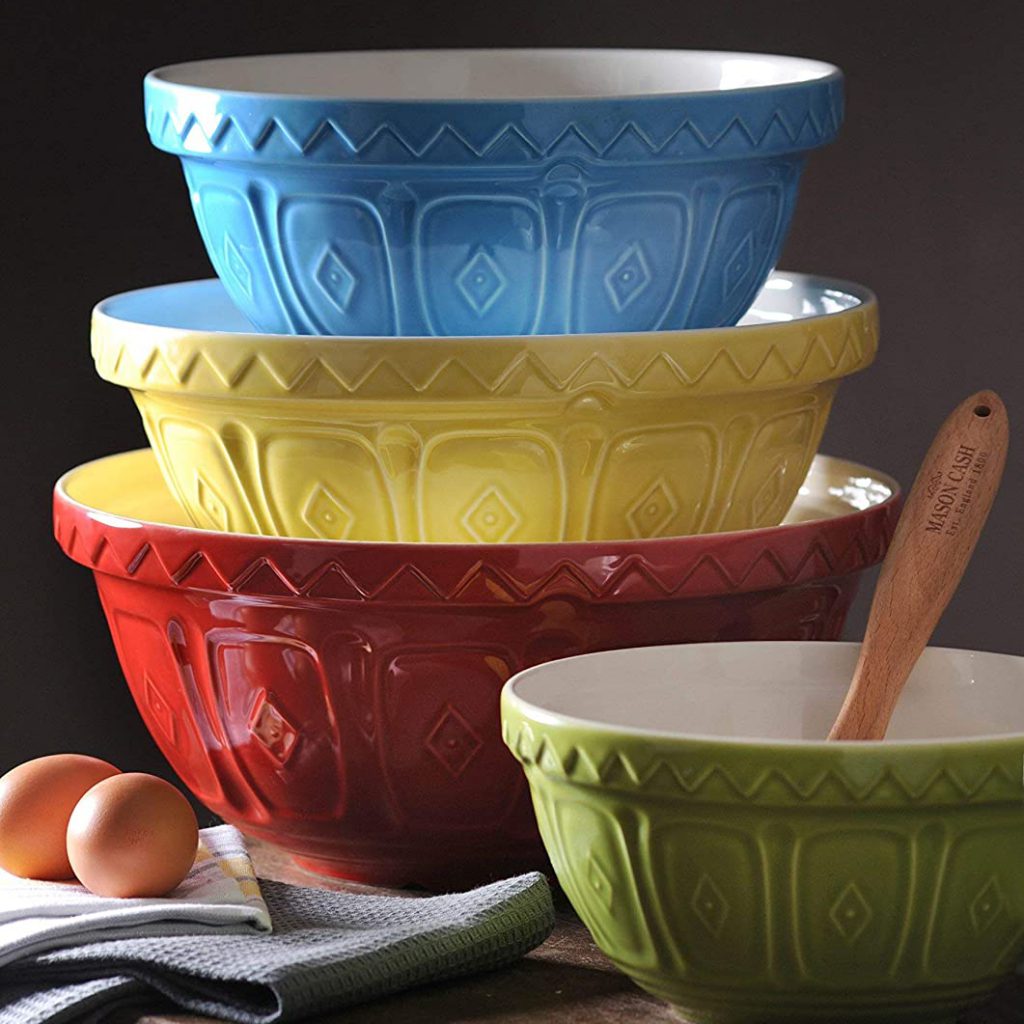
Ceramic bowls bring style to the kitchen. They often look good enough to move from the counter to the dinner table. Their weight also helps them stay in place while you mix.
Ceramic can be a good answer to what material is best for mixing bowls when appearance and serving matter as much as function. It is useful for pancake batter, cookie dough, salads, and table service.
Strengths of ceramic bowls
• Stable on the counter: Weight helps prevent sliding.
• Attractive: Many designs work for serving.
• Nonporous when properly glazed: The surface resists food flavors.
• Good heat retention: Ingredients may stay warm or cool longer.
• Available in many shapes: You can match bowls to your kitchen style.
Ceramic bowls can feel comfortable during slow mixing. They are less likely to move when you fold flour into butter or stir a thick dip.
Ceramic limitations
Ceramic is heavy. A large bowl filled with dough can be difficult to lift. It can also chip if knocked against a sink or countertop.
Check the glaze before buying. Cracks, chips, and rough areas can make cleaning harder. Do not use a ceramic bowl with damaged glaze for long-term food storage.
Some ceramic bowls are oven-safe, but not all are. Follow the care label. A decorative serving bowl should not automatically go into an oven or microwave.
Ceramic is best as a useful secondary bowl. It gives you stability and style, but stainless steel remains easier for large, demanding tasks.
Copper mixing bowls: Excellent for egg whites
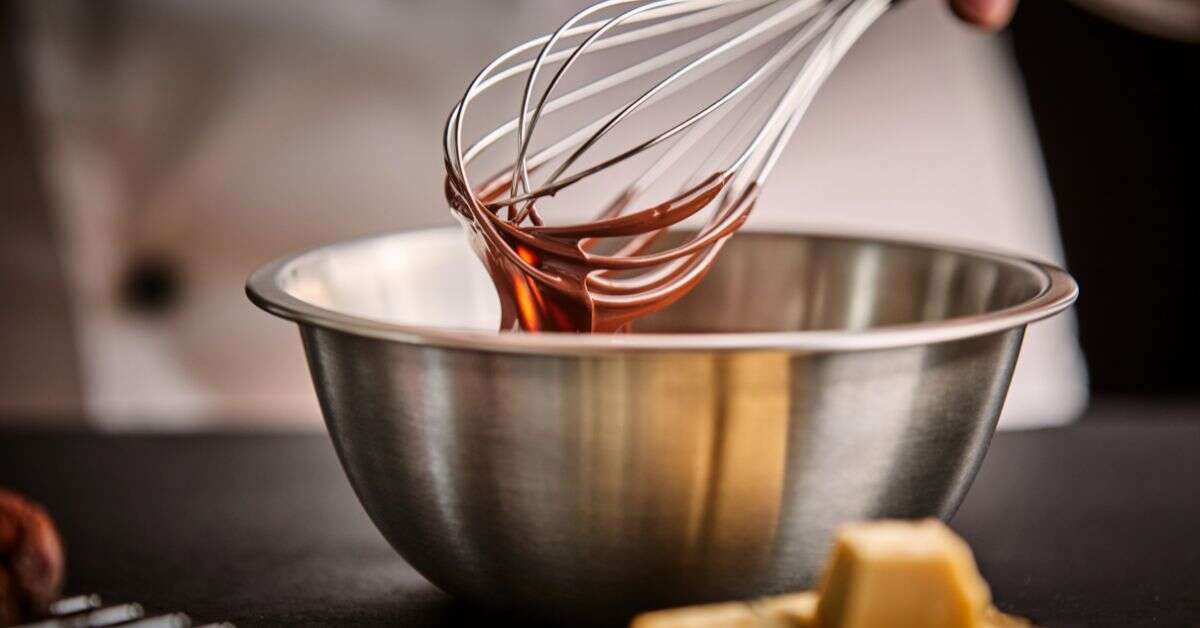
Copper bowls have a special role in baking. They are prized for whipping egg whites because copper ions can help stabilize the proteins in the foam. This can support lighter meringues and more stable whipped egg mixtures.
For this specific task, copper may be what material is best for mixing bowls. It is not the best material for every recipe, but it is a valuable tool for cooks who make meringue, soufflé, or angel food cake.
Why copper helps egg whites
Egg white foam depends on proteins forming a stable network around air bubbles. Copper can bind with parts of those proteins and help slow foam breakdown. This is why some pastry cooks prefer copper for delicate foam-based recipes.
A copper bowl does not replace good technique. The bowl must be clean and free of grease. Even a small amount of egg yolk can weaken the foam.
Copper care and safety
Copper requires more care than stainless steel. It can tarnish, and it should not be cleaned with harsh abrasives. Many copper bowls have a stainless steel lining, which makes them easier to use with a wider range of foods.
Unlined copper should not be used for long contact with acidic foods. Acidic ingredients may react with the metal. Avoid using a copper bowl for tomato sauce, vinegar dressing, or citrus marinades unless the bowl has a suitable lining.
Copper is a specialist tool. If you make meringue once a year, a stainless steel or glass bowl is usually enough. If you bake classic desserts often, a quality copper bowl can be worth the investment.
:max_bytes(150000):strip_icc()/sea-bamboozle-mixing-bowls-ashlee-redger-01-3476a3750206461fb06b84ad04c466bd.jpeg)
Silicone mixing bowls: Flexible but less stable
Silicone bowls are soft, flexible, and easy to store. They can be squeezed to pour batter into a pan or folded nearly flat in a crowded cabinet. Food-grade silicone is also resistant to many stains and odors.
Silicone may be what material is best for mixing bowls when storage space is limited. It is also handy for pouring pancake batter, melting ingredients in a microwave-safe bowl, or working in a small kitchen.
Benefits of silicone
• Flexible shape: Easy to pour batter and sauces.
• Lightweight: Simple to carry and store.
• Quiet: Makes little noise with whisks and spoons.
• Space-saving: Many models collapse or fold.
• Heat-resistant options: Some are made for microwave or oven use.
The best silicone bowls have a firm rim and a reinforced base. These features make them easier to hold and reduce spills.
Silicone drawbacks
A very soft bowl may collapse when you mix thick dough. It may also wobble when used with a hand mixer. Silicone can hold a greasy feel if it is not washed well.
Use a gentle dish soap and rinse the bowl fully. Avoid cutting inside it with a knife. Although silicone is flexible, sharp tools can damage its surface.
For most cooks, silicone works best as a supporting bowl. It is excellent for pouring and storage, but it may not replace a sturdy stainless steel or glass bowl.
How to choose the right mixing bowl material
The best material depends on the work you do most often. Think about your recipes before you think about color or design.
Ask yourself these questions:
• Do you bake often?
• Do you use a hand mixer?
• Do you need microwave-safe cookware?
• Do you store food in the same bowl?
• Do you have limited cabinet space?
• Are children helping in the kitchen?
• Do you make meringue or soufflé?
Use this simple guide:
-
Choose stainless steel for general cooking, baking, and daily use.
-
Choose glass for microwave work, acidic foods, and visible mixing.
-
Choose plastic for light prep, outdoor meals, and low-cost storage.
-
Choose ceramic for stable mixing and attractive serving.
-
Choose copper for frequent egg-white desserts.
-
Choose silicone for flexible pouring and compact storage.
A three-material collection often works better than one large set. For example, you might use stainless steel for dough, glass for microwave tasks, and plastic for produce or casual prep.
Size matters too. A useful set often includes:
• A small bowl for whisking one egg or mixing spices.
• A medium bowl for sauces, pancake batter, or chopped vegetables.
• A large bowl for salads, cookie dough, or bread dough.
Look for a wide base, smooth inside walls, and a shape that fits your hand mixer. A pouring lip is helpful for batter. A non-slip base is useful when mixing thick food.

Safety, hygiene, and care tips
Material affects how easy a bowl is to keep clean. The goal is to prevent cracks, residue, and trapped food particles.
Follow these basic care rules:
• Wash bowls soon after use, especially after eggs, dairy, meat, or oily foods.
• Inspect bowls for cracks, chips, deep scratches, or damaged coating.
• Use the dishwasher only when the manufacturer approves it.
• Avoid harsh scouring pads on plastic, silicone, and delicate finishes.
• Dry bowls fully before stacking them.
• Do not use damaged bowls for long-term food storage.
Food safety guidance favors clean, smooth, and easy-to-sanitize surfaces. Nonporous materials such as stainless steel and glass are usually simple to clean. Plastic can also be safe, but deep scratches make it harder to remove residue.
Never move a cold glass or ceramic bowl directly into intense heat without checking its rating. Avoid placing a hot bowl on a cold, wet surface. These small temperature changes can cause cracks.
For stainless steel, warm water and mild dish soap remove most food residue. For stuck dough, soak the bowl instead of scraping hard. For silicone, rinse away grease with hot water and dish soap, then let it air-dry completely.
One mistake many cooks make is using the same bowl for every job without considering odor. A separate plastic bowl for onions, garlic, or spices can keep baking equipment fresh.
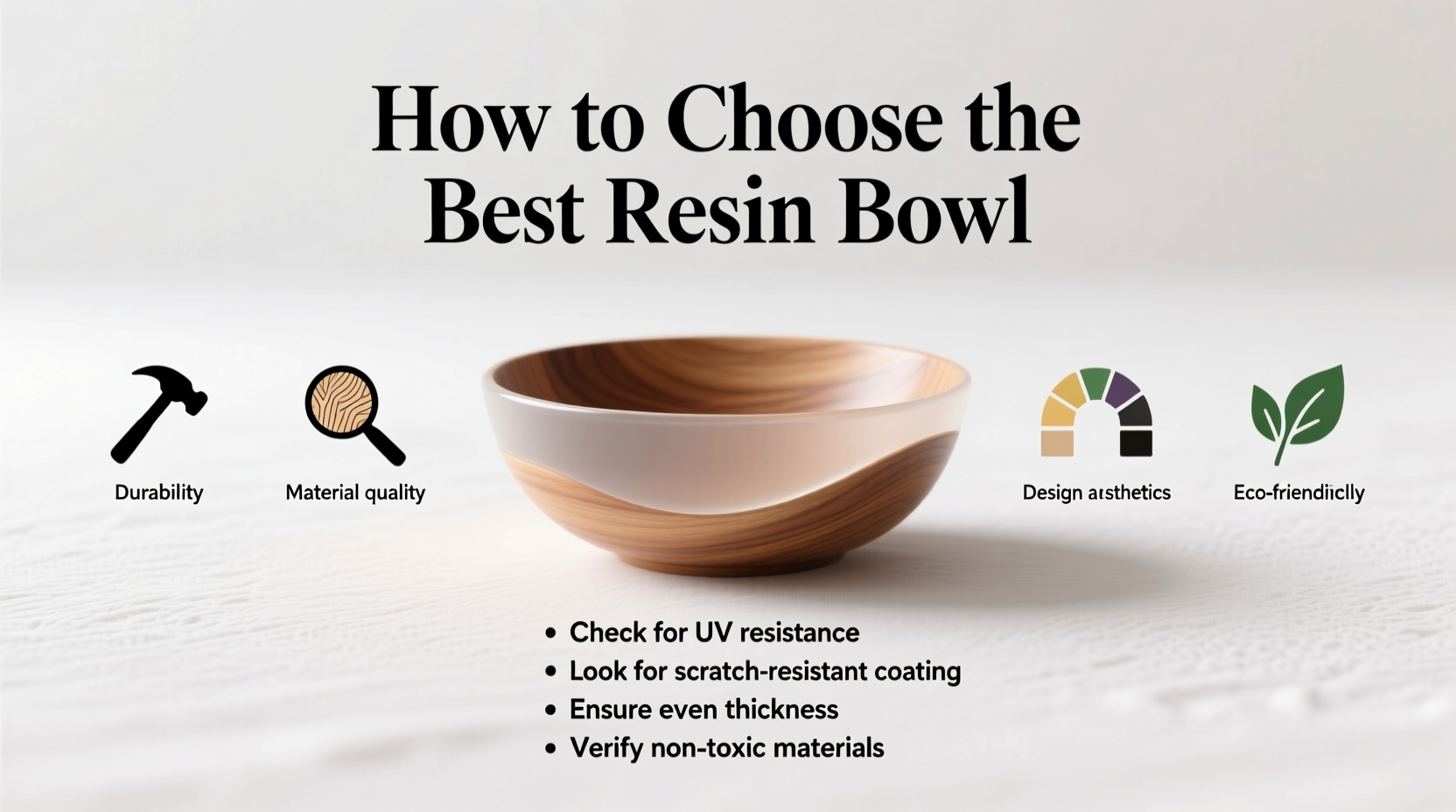
Common buying mistakes to avoid
Knowing what material is best for mixing bowls helps, but design details matter too. A poor shape can make a good material frustrating to use.
Avoid these common mistakes:
• Buying only one very large bowl: A large bowl is useful, but small bowls help with measured ingredients and prep.
• Choosing thin metal: Very thin stainless steel may bend or tip.
• Ignoring the base: A slippery bowl can cause spills.
• Buying bowls without checking care instructions: Some bowls are not dishwasher, microwave, or oven-safe.
• Picking style over function: A beautiful bowl may be too heavy for daily use.
• Storing acidic foods in unsuitable metal: Use glass or food-safe plastic for long contact.
• Using scratched plastic forever: Replace plastic that is deeply worn or cracked.
• Forgetting mixer clearance: A bowl that is too narrow may cause splatter.
When I compare bowls, I first check balance. I place one hand on the rim and stir with the other. If the bowl slides, tips, or feels awkward when half full, it will probably become a shelf decoration.
Also check the bowl’s weight when empty. A bowl that feels manageable empty may become difficult after adding several cups of flour, sugar, and butter.
The best mixing bowl set for different kitchens
A small apartment kitchen does not need the same set as a serious home bakery. Buy for your routine, not for an imaginary version of your life.
Best set for everyday cooking
Choose three stainless steel bowls in small, medium, and large sizes. Add non-slip bases if available. This set handles whisking, mixing, marinating, and baking.
Best set for frequent bakers
Choose stainless steel bowls with one heat-safe glass bowl. The metal bowls work well for dough and whipping, while the glass bowl helps with melting and viewing batter.
Best set for families
Choose lightweight plastic or stainless steel bowls with wide bases. Avoid fragile materials if children often help with cooking.
Best set for small spaces
Choose nesting stainless steel bowls and one collapsible silicone bowl. This combination offers strength without taking over the cabinet.
Best set for advanced bakers
Choose stainless steel for general tasks, glass for heat-sensitive recipes, and copper for egg whites. This setup gives you specialized performance without relying on one material for everything.
The answer to what material is best for mixing bowls can change as your cooking changes. A beginner may need one dependable stainless steel bowl. A serious baker may benefit from several materials.
Frequently Asked Questions About What Material Is Best for Mixing Bowls
Is stainless steel or glass better for mixing bowls?
Stainless steel is better for daily use because it is lighter, tougher, and less likely to break. Glass is better for microwave use, acidic foods, and recipes where you want to see the ingredients.
Are stainless steel mixing bowls safe for acidic foods?
Quality food-grade stainless steel is generally safe for normal contact with acidic foods such as tomatoes, citrus, and vinegar. For long storage or heavily acidic mixtures, glass is a cautious alternative.
What is the healthiest material for mixing bowls?
Stainless steel and glass are both strong choices because they are nonporous and easy to clean. The safest bowl is one that is food-safe, undamaged, and cleaned well after use.
Can plastic mixing bowls go in the microwave?
Some plastic bowls are microwave-safe, but many are not. Check the label or manufacturer’s instructions, and never heat plastic that is cracked, warped, or not clearly approved for microwave use.
Why do chefs use copper bowls for egg whites?
Copper can help stabilize egg-white foam by interacting with proteins in the mixture. Copper bowls are especially useful for meringue and similar desserts, but they need more care than stainless steel or glass.
Are ceramic bowls good for mixing dough?
Ceramic bowls can mix dough well because their weight keeps them stable. However, they are heavy, and chips or cracks can make them harder to clean.
How many mixing bowls should a home cook own?
Most home cooks can work well with three bowls: one small, one medium, and one large. A mix of stainless steel and glass gives the widest range of uses.
Conclusion
For most kitchens, stainless steel is what material is best for mixing bowls because it offers the strongest mix of durability, low weight, easy cleaning, and everyday versatility. Glass is excellent for microwave tasks and acidic foods. Plastic is light and affordable, ceramic is stable and attractive, copper helps with egg whites, and silicone saves space.
Start with a well-made stainless steel set, then add glass or another specialty material based on your cooking habits. Choose bowls with stable bases, smooth surfaces, useful sizes, and clear care instructions. Explore more kitchen guides, compare trusted bowl sets, and share your favorite mixing bowl material in the comments.

Liora Pennings is a seasoned chef and kitchen enthusiast with a passion for turning everyday cooking into an effortless experience. With years of hands-on culinary expertise, she specializes in practical techniques, ingredient know-how, and smart kitchen solutions that help home cooks elevate their meals. At KitchFlair.com, Liora shares her best tips, time-saving tricks, and honest product reviews to guide readers toward a more efficient, enjoyable, and inspired cooking routine. Whether you’re a beginner or a seasoned home chef, Liora’s friendly, knowledge-packed insights make every visit to the kitchen a little easier—and a lot more delicious.