How To Clean A Dyson Ball Vacuum Cleaner: Easy Guide
A Dyson Ball vacuum cleaner works best when its filters, brush bar, bin, hose, and air paths stay clear. To clean one, unplug the vacuum, empty the bin, wash only the filters marked washable, remove hair from the brush bar, clear blockages, and let every washed part dry fully before use.
This guide applies to many Dyson Ball upright models sold in the United States, including Ball Animal, Ball Animal 2, Ball Multi Floor, and similar versions. Parts and filter locations can vary, so check the owner’s manual for your exact model before removing a component.

What you need before cleaning a Dyson Ball vacuum
Gather a few simple tools before you start:
- A trash can
- A dry microfiber cloth
- Cold or lukewarm water
- A soft brush
- Scissors or a seam ripper for hair
- A coin or flat tool, if your model uses a fastener on the brush bar
- A flashlight
- Your Dyson owner’s manual
Do not use bleach, detergent, disinfectant, oil, or compressed air unless Dyson specifically approves it for your model. Cleaning products can damage filter material or leave residue inside the vacuum.
Safety checks
Follow these safety steps first:
- Turn the vacuum off.
- Unplug it from the wall outlet.
- Leave the motor and brush bar still before handling the cleaner head.
- Keep water away from the motor, cyclone assembly, electrical connections, power cord, and switches.
- Do not put a damp filter back into the vacuum.
A Dyson Ball vacuum is not waterproof. You can wash approved filters, but you should never rinse the main vacuum body or immerse the cyclone and motor housing.

How to clean a Dyson Ball vacuum cleaner step by step
Clean the vacuum from the outside in: empty the bin, wash the filters, clear the brush bar, inspect the hose and cleaner head, then check the airways.
1. Empty the dust bin
Empty the bin before cleaning other parts.
- Hold the vacuum over a trash can.
- Press the red bin-release button or lever, depending on the model.
- Open the bin base and allow the dirt to fall out.
- Tap the bin gently to remove loose dust.
- Close the base until it clicks.
Do not fill the bin above the maximum line. A full bin can reduce airflow and may make the vacuum sound louder.
If fine dust sticks to the clear bin, wipe the outside with a dry or slightly damp cloth. Do not rinse the clear bin unless the manual for your model says it is removable and washable.
2. Remove and wash the filters
Many Dyson Ball upright models have two washable filters:
- A filter near the top of the cyclone or beneath the filter cover
- A post-motor filter near the lower part of the machine
Some models use a different design. Confirm the filter locations in the manual for your exact Dyson Ball vacuum.
To wash a removable washable filter:
- Remove the filter.
- Shake off loose dust over a trash can.
- Rinse it under cold running water.
- Gently squeeze the filter until the water runs clear.
- Keep rinsing until no visible dirt remains.
- Squeeze out excess water.
- Place the filter in a warm, well-ventilated area.
- Let it dry for at least 24 hours, or longer if it still feels damp.
Do not wring, twist, heat, tumble-dry, or dry the filter with a hair dryer. High heat can deform the filter and affect its fit.
A filter may look dry on the outside while remaining wet inside. If you reinstall it too soon, moisture can reach the motor. When in doubt, wait another day.
3. Clean the brush bar
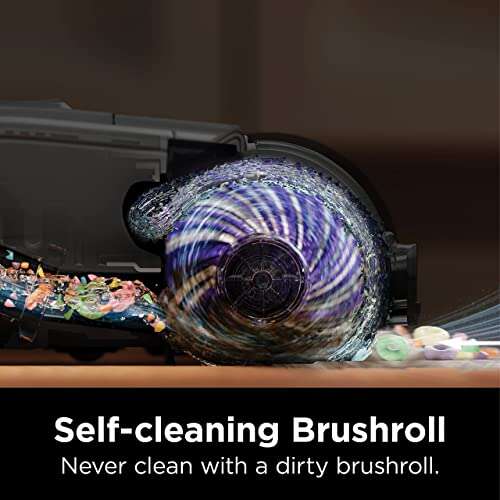
Hair, string, carpet fibers, and pet fur can wrap around the rotating brush bar. This can cause poor pickup, a burning smell, or a brush bar that stops turning.
To clean it:
- Lay the vacuum down carefully.
- Find the brush-bar cover or fastener.
- Release the cover with the correct tool for your model.
- Pull out visible hair and threads.
- Cut tightly wrapped hair with scissors or a seam ripper.
- Pull the debris away from the brush bar.
- Check both ends of the brush bar.
- Remove packed dirt from the cleaner head.
- Replace the cover and fastener securely.
Keep scissors pointed away from your fingers and the brush bristles. Do not cut the bristles, belt, or electrical wires.
Some Dyson Ball models have a brush bar that can be removed. Others do not. Do not force the brush bar out if it does not release as described in the manual.
4. Inspect the cleaner head
Turn the cleaner head over and look for:
- Packed dust
- Hair near the brush-bar ends
- A damaged brush bar
- Cracks in the housing
- Objects blocking the intake
- A loose or broken belt, if your model uses one
Use a dry cloth or soft brush to remove surface dirt. Never pour water into the cleaner head.
A blocked cleaner head can make the vacuum seem weak even when the filters are clean. The opening where dirt enters the vacuum must remain clear.
5. Check and clear the hose
The hose can hold socks, paper, pet toys, and dense clumps of debris.
- Disconnect the hose only where your manual permits.
- Shine a flashlight through it.
- Look for a blockage at both ends.
- Gently remove debris with a blunt, flexible object.
- Do not use a sharp rod that could puncture the hose.
- Reconnect the hose firmly.
Do not wash the hose unless Dyson specifically states that it is washable. Trapped water can remain inside and reach the motor or create odor.
6. Wipe the vacuum body
Use a dry microfiber cloth on the outer body, handle, wand, bin area, and ball housing.
For sticky dirt, lightly dampen the cloth, not the vacuum. Wipe the surface, then dry it at once.
Keep the power cord, plug, switches, and electrical openings dry. Do not spray cleaner directly onto the vacuum.
7. Reassemble and test the vacuum
Before testing, confirm that:
- The filters are completely dry.
- The bin is closed.
- The cleaner head cover is secure.
- The hose and wand are connected.
- No loose cloth, tool, or debris is near the brush bar.
Plug in the vacuum and test it for a few seconds. A clean Dyson Ball vacuum should have steady airflow, normal suction, and no burning odor.

Which Dyson Ball parts can you wash?
The safest rule is simple: wash only parts that the owner’s manual identifies as washable.
| Part | Usually washable? | Safe cleaning method |
|---|---|---|
| Pre-motor filter | Often | Cold water; air-dry fully |
| Post-motor filter | Often on some models | Follow the model manual |
| Clear bin | Varies | Wipe unless the manual permits rinsing |
| Cyclone assembly | Usually no | Tap or brush dry; do not immerse |
| Hose | Varies | Inspect and clear; wash only if approved |
| Cleaner head | No | Wipe and remove dry debris |
| Brush bar | Usually no | Remove hair and fibers while dry |
| Main vacuum body | No | Dry or barely damp cloth only |
“Washable” does not mean dishwasher-safe. Dyson’s care instructions differ by model, and a part that looks similar may not have the same construction.
Use Dyson’s US support site or the manual supplied with your vacuum to confirm the correct filter count, filter location, removal method, and cleaning interval.

How often should you clean a Dyson Ball vacuum?
Clean the bin whenever it reaches the maximum fill line. Check the brush bar and cleaner head every few uses if you have pets, long hair, or thick carpet.
A practical routine looks like this:
- After each use: Check for visible hair and empty the bin when needed.
- Every few weeks: Inspect the brush bar, hose, wand, and cleaner head.
- About once a month: Check and wash the filters if they look dusty or airflow has dropped.
- After vacuuming fine dust: Inspect the filters sooner.
- After vacuuming a spill or unusual material: Stop and check the air path before using the vacuum again.
Dyson may give a specific filter-care schedule for a particular Ball model. Follow that schedule when it differs from this general routine.
Homes with pets, shedding rugs, fireplaces, remodeling dust, or heavy foot traffic may need more frequent cleaning. The bin reaching its fill line, rather than the calendar, is often the clearest signal for emptying.

What to do if the Dyson Ball vacuum still has weak suction
If suction remains low after cleaning, check the most likely causes in this order:
- Confirm the filters are dry. A damp filter can restrict airflow and may damage the motor.
- Check the bin. Make sure it is empty and fully latched.
- Inspect the cleaner head. Look for hair or a solid object at the intake.
- Check the wand and hose. A blockage in either part can reduce suction.
- Look for an air leak. Inspect the hose, seals, bin, and connections for cracks or gaps.
- Check the brush bar. A brush bar that does not spin may reduce pickup on carpets.
- Allow the machine to cool. If it shut off, thermal protection may have activated.
If the vacuum cuts out repeatedly, smells like burning, sparks, damages the cord, or makes a grinding sound, unplug it and stop using it. Do not bypass a thermal cutoff or attempt electrical repairs unless you are qualified to do so.
Common symptoms and likely causes
| Symptom | Likely causes | First check |
|---|---|---|
| Low suction | Full bin, dirty filter, blockage, air leak | Bin and filters |
| Brush bar does not spin | Hair buildup, jam, brush-bar setting, belt or motor issue | Cleaner head |
| Vacuum shuts off | Blockage, overheated motor, electrical fault | Unplug and inspect |
| Burning smell | Wrapped hair, slipping belt, motor problem | Brush bar and stop using if smell remains |
| Dust escaping | Poorly fitted bin, damaged seal, missing filter | Bin and filter fit |
| Loud whistling | Air leak or blockage | Hose, wand, and seals |
| Cloudy or dirty bin | Fine dust buildup | Wipe the bin; do not assume it indicates a fault |
A reset button, brush-bar control, or blockage procedure may differ among Dyson Ball models. Use the instructions for your exact machine rather than forcing a part or repeatedly switching the vacuum on.
Common mistakes to avoid
Avoid these cleaning errors:
- Using the vacuum before the filter is dry. This is the most serious routine mistake.
- Washing the cyclone. Water can enter areas that are not designed to get wet.
- Spraying cleaner into the bin or cleaner head. Residue may affect seals and airflow.
- Pulling hair without checking the brush-bar ends. Hair often collects behind the end caps.
- Using a sharp object to clear the hose. It can puncture the hose and create an air leak.
- Ignoring the maximum fill line. Fine dust can reduce airflow before the bin looks completely full.
- Forcing model-specific parts. Dyson Ball designs are similar, but they are not identical.
- Running the vacuum with a missing filter. Dust can reach the motor and internal air path.
- Testing after only a few hours of drying. A filter can still be wet inside.
If a component will not release with the method shown in the manual, stop and check the instructions again. Excess force can break a latch or seal.

Key takeaways
- Unplug the Dyson Ball vacuum before cleaning it.
- Empty the bin before it reaches the maximum line.
- Wash only filters that Dyson identifies as washable.
- Rinse washable filters with cold water and air-dry them for at least 24 hours.
- Remove hair from the brush bar, cleaner head, wand, and hose.
- Keep water away from the motor, cyclone, electrical parts, and main body.
- Stop using the vacuum if it smells burnt, sparks, overheats, or has a damaged cord.
- Check the manual for the exact Dyson Ball model because parts and cleaning steps vary.
Frequently asked questions
Can I wash the Dyson Ball vacuum bin?
It depends on the model. Many Dyson Ball clear bins should be wiped rather than rinsed. Check the owner’s manual before putting water near the bin, and never wash the cyclone or motor housing unless Dyson specifically says it is safe.
How long should a Dyson filter dry?
Allow a washable filter to air-dry for at least 24 hours. Wait longer if it feels cool, heavy, or damp. Do not use heat to speed up drying.
Why does my Dyson Ball smell after cleaning?
A smell can come from hair wrapped around the brush bar, damp filters, trapped debris, or a blockage. Check the brush bar and air path first. If the smell is electrical or burnt, unplug the vacuum and stop using it.
Can I use soap to clean a Dyson filter?
Use plain cold water unless Dyson’s instructions for your model say otherwise. Soap can leave residue and may damage the filter material.
Why is the brush bar not spinning after I cleaned it?
The brush bar may still have hair at its ends, the cleaner head may be blocked, the brush-bar control may be off, or the belt or brush-bar motor may have a fault. Check the model manual and do not keep running the vacuum if it makes a burning or grinding sound.
Conclusion
The best way to clean a Dyson Ball vacuum cleaner is to work through its air path: empty the bin, clean the filters, clear the brush bar, inspect the hose and cleaner head, and wipe the outer body. Dry every washable filter completely before reassembly.
Start with the owner’s manual for your exact Dyson Ball model. Then use the symptoms above to find the next likely blockage or maintenance issue without exposing electrical parts to water.

Liora Pennings is a seasoned chef and kitchen enthusiast with a passion for turning everyday cooking into an effortless experience. With years of hands-on culinary expertise, she specializes in practical techniques, ingredient know-how, and smart kitchen solutions that help home cooks elevate their meals. At KitchFlair.com, Liora shares her best tips, time-saving tricks, and honest product reviews to guide readers toward a more efficient, enjoyable, and inspired cooking routine. Whether you’re a beginner or a seasoned home chef, Liora’s friendly, knowledge-packed insights make every visit to the kitchen a little easier—and a lot more delicious.