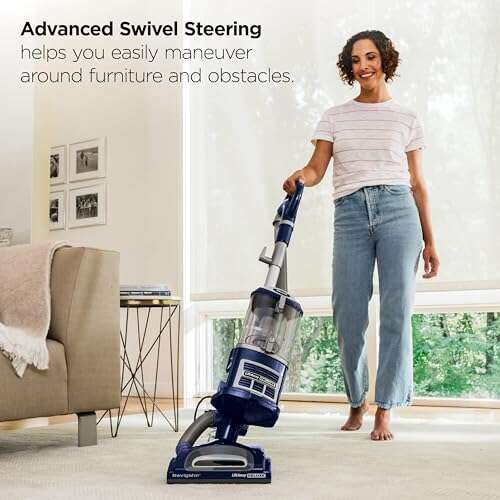
How To Clean A Dyson Upright Vacuum Cleaner: Quick Guide
To clean a Dyson upright vacuum cleaner in a U.S. home, unplug it, empty the bin, wash the approved filters with cold water, remove hair from the brush bar, clear blockages, and let every washed part dry fully before reassembly. Most Dyson models need at least 24 hours to air-dry.
Your Dyson model may be a Ball, Animal, Multi Floor, or another upright design. Parts and filter locations can differ. Check the model name and the owner’s manual before removing any part that does not have a clear release button.
Regular cleaning helps maintain airflow and suction. It also limits dust, odor, and brush-bar problems.

What You Need Before You Start
Gather these items before cleaning your Dyson upright vacuum:
- A trash bag or bin
- A soft, dry cloth
- Cold running water
- A soft brush or old toothbrush
- Scissors
- A flashlight
- The Dyson owner’s manual for your model
Do not use soap, bleach, disinfectant, oil, or abrasive cleaners unless Dyson specifically permits them for your model. Cleaning products can leave residue or damage seals.
Always unplug the vacuum before cleaning it. If the vacuum was running, let the motor and brush bar cool first.
Before you open the vacuum
Check these points:
- Make sure the power cord is unplugged.
- Move the vacuum to a hard floor or a washable surface.
- Keep loose parts away from pets and children.
- Do not pull hard on a filter, hose, or plastic latch.
- Take a photo before removing parts if you are unsure how they fit.
Never clean a plugged-in vacuum with water. Moisture near electrical parts can create a shock or fire risk.
How to Clean a Dyson Upright Vacuum: Step-by-Step
Clean the vacuum from the outside in. Start with the bin, then clean the filters, brush bar, hose, and air path.
1. Empty the clear bin
Press the bin-release button and remove the clear bin, if your model allows it. Hold the bin over a trash can. Press the release button to open the bottom flap and remove the dust.
Tap the bin gently to loosen fine dust. Do not strike it against a hard surface. Cracks in the clear plastic can cause leaks and poor fit.
Dyson generally advises wiping the clear bin with a damp, lint-free cloth. Do not soak the bin or place it in a dishwasher unless the manual for your exact model says this is safe.
Let the bin dry completely if any moisture enters it. A wet bin can send damp dust into the cyclone and filter system.
2. Clean the cyclone area
Fine dust can collect around the cyclone shroud. Hold the bin over the trash and use a dry, soft brush to loosen loose dust.
Do not push a sharp tool into the small cyclone openings. Do not rinse the cyclone assembly unless Dyson documents that procedure for your model. Water trapped in the cyclone can be difficult to remove.
Wipe the outside of the cyclone and bin with a dry or slightly damp cloth. Keep water away from the motor and electrical contacts.
3. Wash the washable filters
Most Dyson upright vacuums have one or more washable filters. Common locations include:
- Near the top of the motor
- Behind the bin
- At the lower rear of the machine
Remove only the filters shown in your manual. Some models have a pre-motor filter and a post-motor filter. Other models use a different layout.
Wash each approved filter under cold running water. Squeeze it gently to remove dust and water. Do not twist, wring, scrub hard, or use detergent.
Continue rinsing until the water runs clear. Then shake off excess water and place the filter in a warm, well-ventilated area.
Dyson commonly recommends air-drying filters for at least 24 hours. Wait longer if the filter still feels cool or damp. Never put a wet filter back into the vacuum.
4. Clean the brush bar
Hair, thread, carpet fiber, and pet fur can wrap around the brush bar. This can slow the brush, cause a burning smell, or trigger a brush-bar warning.
Lay the vacuum down as shown in the manual. If your model has a brush-bar release or end cap, use the correct coin or tool. Do not force the cover.
Cut wrapped hair with scissors. Keep the scissor tips away from the bristles and belt. Pull the debris out by hand.
Check both ends of the brush bar. Hair often gathers near the end caps, where it may be hard to see. Wipe the bar with a dry cloth. Do not reinstall it while wet.
If the brush bar does not spin freely after cleaning, stop using the vacuum. A damaged bearing, belt, motor, or housing may need service.
5. Inspect the cleaner head
Look into the cleaner head with a flashlight. Remove coins, toys, paper, and compacted hair that block the opening.
Check the soleplate and wheels. Dirt on the wheels can make the vacuum harder to push. Use a dry brush or cloth to clean these areas.
Do not insert a long, rigid object into the cleaner head. It may damage the brush motor, wiring, or internal seals.
6. Check the hose and wand
Disconnect the wand and hose only where your model permits. Look through the parts toward a light source.
A clog may be caused by:
- A sock
- A tissue
- A clump of pet hair
- A small toy
- Wet debris
- Compressed carpet lint
Remove a visible blockage carefully. Do not use a sharp metal rod. A flexible plastic tool may be safer, but the owner’s manual should guide this step.
If a hose has been rinsed, dry it fully before connecting it again. A damp hose can carry water into the motor path.
7. Wipe the vacuum body
Use a dry or slightly damp cloth on the handle, wheels, outer housing, and cord. Keep the cloth away from switches, vents, and electrical connections.
Do not spray cleaner directly onto the machine. Spray can enter openings and reach electrical parts.
Wipe the power cord as you inspect it. Stop using the vacuum if the cord has cuts, exposed wires, melted areas, or damage near the plug.
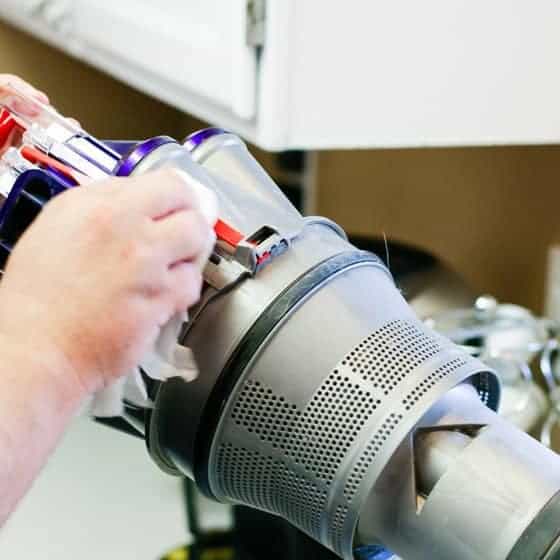
How to Clean Dyson Filters Safely
Dyson filters need careful washing because a filter that looks dry on the outside may still hold water inside.
Rinse an approved washable filter with cold water. Press it gently between your hands to help release dirt. Do not use hot water, laundry soap, dish soap, bleach, or a washing machine.
Stand the filter upright or place it on a clean towel. Allow air to move around it. Do not dry it on a radiator, stove, clothes dryer, hair dryer, or in direct high heat.
A filter is ready when it has no cool, damp spots and no musty smell. If you are unsure, give it more drying time.
How often should you wash Dyson filters?
The correct schedule depends on use and household conditions. A practical starting point is:
| Home condition | Filter check | Likely cleaning need |
|---|---|---|
| Small home, little dust, no pets | Monthly | Every few months |
| Average U.S. home | Monthly | About every 1–3 months |
| Pets, long hair, or heavy use | Every 1–2 weeks | More often |
| Remodeling dust or fine powder exposure | After each event | Inspect at once |
These are maintenance guides, not fixed Dyson requirements. Follow the schedule in your model’s manual if it differs.
Clean the filter sooner if the vacuum loses suction, smells dusty, overheats, or shows a filter warning.
How to Clear a Dyson Upright Vacuum Blockage
If your Dyson is noisy, weak, or shuts off, check for a blockage before assuming the motor has failed.
Unplug the machine. Inspect the cleaner head, wand, hose, bin inlet, and visible air channels. Empty the bin and confirm that the bin is seated correctly.
A blockage can create a high-pitched sound because air is trying to pass through a narrow opening. It can also make the motor heat up. Some Dyson vacuums stop temporarily when they detect overheating.
Let the vacuum cool before testing it again. Do not keep switching it on while the airflow is blocked.
Signs of a blockage
Look for these symptoms:
- Reduced suction
- A change in motor sound
- A pulsing or stuttering motor
- A brush bar that stops
- A hot or burning odor
- Dust left behind after cleaning
- Automatic shutoff
A burning smell is not normal. Unplug the vacuum and inspect the brush bar, belt area, and air path. If the smell remains after cleaning, seek Dyson service or a qualified appliance repair professional.

How to Reassemble and Test the Vacuum
Reassemble the vacuum only after all washed parts are fully dry.
Follow this order:
- Install the dry filters in their original positions.
- Refit the clear bin until it clicks into place.
- Reinstall the brush bar and secure its cover.
- Attach the hose and wand.
- Check that every latch is closed.
- Plug in the vacuum.
- Test it briefly on a clear floor.
The vacuum should start without an unusual noise. Air should move normally, and the brush bar should turn when its control is on.
If the vacuum still has low suction, switch it off and unplug it. Recheck the filters, bin seal, hose, cleaner head, and brush bar. A filter that is only partly dry is a common cause of trouble after cleaning.
Common Cleaning Mistakes to Avoid
Avoid these mistakes when cleaning a Dyson upright vacuum:
Putting wet filters back
This can damage the motor and create a musty odor. Air-dry filters for at least 24 hours, or longer when needed.
Washing parts that are not washable
A clear bin, cyclone, hose, or cleaner head may not be safe to rinse. Check your model’s manual first.
Using detergent on filters
Soap can stay in the filter material and restrict airflow. Cold water is the safer default for approved washable filters.
Cutting the brush-bar belt
Cut only hair and thread. Keep scissors away from belts, wires, bristles, and plastic parts.
Ignoring a damaged cord
Do not use electrical tape as a permanent repair for a damaged power cord. Replace the cord through an approved repair route or have the vacuum serviced.
Cleaning up wet spills
Most household upright vacuums are designed for dry debris. Do not use a Dyson upright vacuum to collect water, drinks, wet food, or other liquids unless the exact product is designed for wet pickup.
Vacuuming fine construction dust
Drywall dust, ash, plaster, and very fine powder can clog filters quickly and may damage a household vacuum. Follow the vacuum manual and local cleanup guidance for these materials.
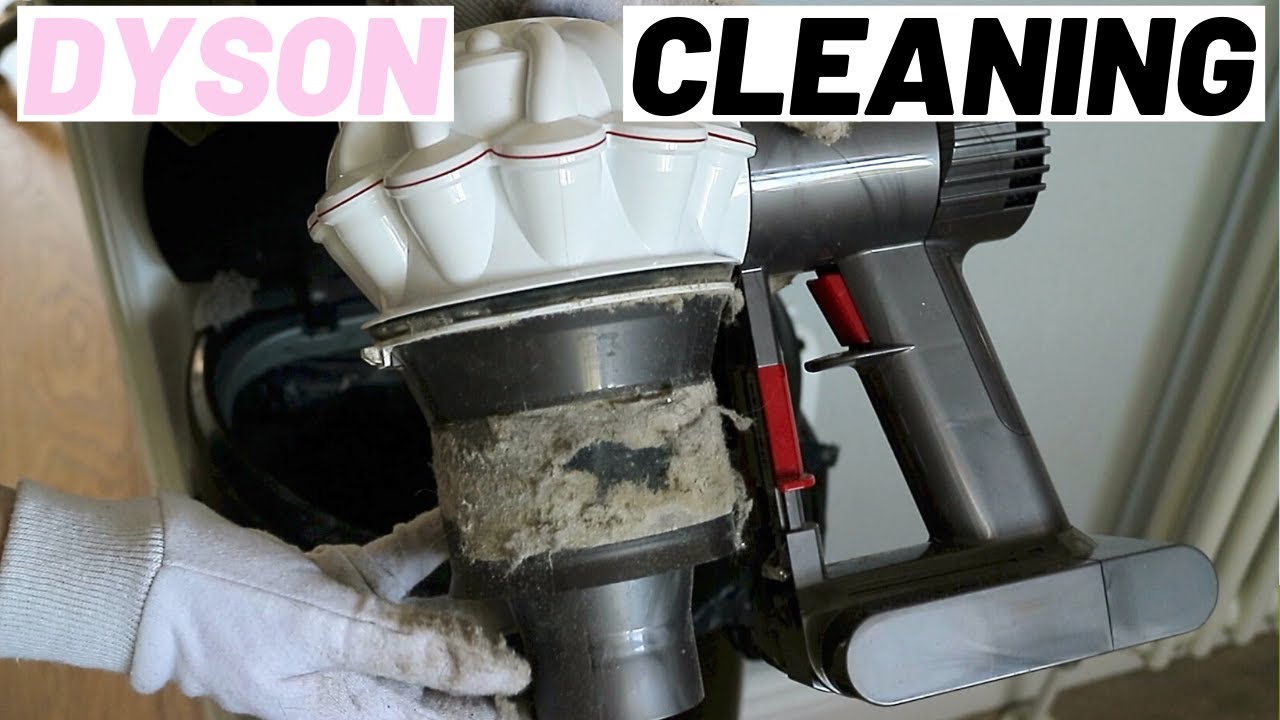
When to Replace a Filter or Get Service
A washable filter may need replacement if it is torn, crushed, permanently stained with oily dirt, or unable to hold its shape.
Contact Dyson support or a qualified repair service if:
- The vacuum smells like burning plastic or wiring.
- The motor cuts out after a short period.
- The cord or plug is damaged.
- The brush bar will not turn after removing hair.
- The machine makes grinding or scraping sounds.
- The bin or cyclone has cracked.
- The vacuum loses suction after all airflow paths are clear.
- A warning light remains after cleaning and drying.
Do not open the motor housing unless you are trained and the manual allows that repair. Opening the motor can create electrical and warranty risks.
Quick Maintenance Schedule
A simple schedule can prevent most airflow problems.
After each use
- Empty the bin when it reaches the marked limit.
- Remove visible hair from the brush bar.
- Check for large debris in the cleaner head.
Each month
- Inspect the filters.
- Check the hose and wand.
- Look for cord damage.
- Wipe the outer body and wheels.
Every few months
- Wash the approved filters.
- Inspect the brush bar ends.
- Check bin seals and latches.
Homes with pets, children, long hair, or frequent vacuuming may need more frequent care.
Frequently Asked Questions
Can I wash the Dyson clear bin?
Usually, Dyson recommends wiping the clear bin rather than soaking it. Some models may have different instructions. Check the manual for your exact upright vacuum before rinsing or immersing the bin.
Can I use soap to clean Dyson filters?
No. Unless Dyson specifically says otherwise for your model, wash approved filters with cold water only. Soap may leave residue and reduce airflow.
How long should Dyson filters dry?
Allow filters to air-dry for at least 24 hours. Wait longer if any part of the filter feels damp or smells musty.
Why does my Dyson smell after cleaning?
A smell can come from a damp filter, trapped hair, a clogged air path, or an overheated brush bar. Unplug the vacuum, dry the filters fully, clear the brush bar and hose, and stop using it if the smell resembles burning plastic or wiring.
Why did my Dyson lose suction after I cleaned it?
Check that the bin is empty and locked in place, the filters are dry and seated correctly, and the hose and cleaner head are clear. If suction remains weak, the filter may be damaged or the machine may need service.
Can I vacuum baking soda or fine powder with a Dyson upright?
Fine powders can clog filters and restrict airflow. Avoid vacuuming large amounts of baking soda, drywall dust, ash, plaster, or similar material unless Dyson specifically states that your model can handle it.
Sources and Model-Specific Checks
Cleaning steps can vary by model and region. The most reliable source for your machine is the model-specific Dyson manual and support page.
Use the model number printed on the vacuum to locate the correct instructions. Do not assume that a filter, bin, or brush-bar procedure from one Dyson upright applies to every model.
Conclusion
The safest way to clean a Dyson upright vacuum is to unplug it, empty the bin, clean only the parts approved by Dyson, wash filters with cold water, remove brush-bar hair, clear blockages, and let all washed parts dry completely.
Start with the owner’s manual for your exact U.S. model. Then perform a short test on a clean, dry floor. If the vacuum still smells hot, loses power, or makes an unusual noise, stop using it and arrange service.

Liora Pennings is a seasoned chef and kitchen enthusiast with a passion for turning everyday cooking into an effortless experience. With years of hands-on culinary expertise, she specializes in practical techniques, ingredient know-how, and smart kitchen solutions that help home cooks elevate their meals. At KitchFlair.com, Liora shares her best tips, time-saving tricks, and honest product reviews to guide readers toward a more efficient, enjoyable, and inspired cooking routine. Whether you’re a beginner or a seasoned home chef, Liora’s friendly, knowledge-packed insights make every visit to the kitchen a little easier—and a lot more delicious.