How Do You Clean A Bagless Vacuum Cleaner: Easy Guide
Unplug the vacuum, empty its bin, wash approved parts, clean the filters, and let everything dry fully before reassembly.
Knowing how do you clean a bagless vacuum cleaner can help it pick up dirt better, smell fresher, and last longer. The process is simple, but each part needs the right care. This guide explains the safest method, common mistakes, filter care, deep cleaning, and a practical maintenance plan based on standard vacuum care instructions and real-world cleaning problems.
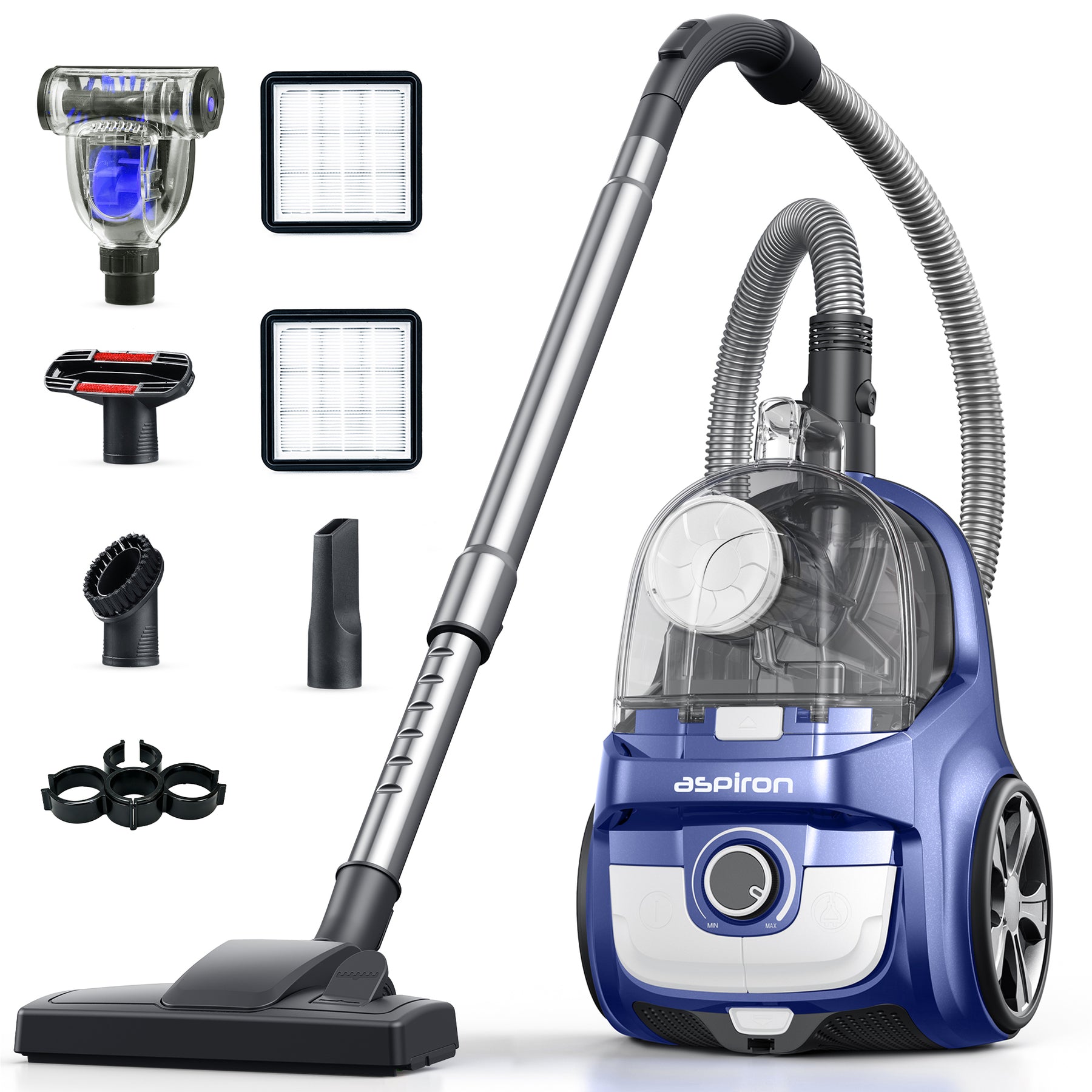
Why cleaning a bagless vacuum cleaner matters
A bagless vacuum cleaner collects dirt in a dust cup instead of a disposable bag. This saves money, but it also means dust, hair, and fine debris stay inside the machine until you remove them.
A full dust cup can reduce airflow. Dirty filters can make the motor work harder. Hair wrapped around the brush roll can also stop the vacuum from cleaning floors well.
Regular cleaning can help prevent:
• Weak suction
• Dusty or musty smells
• Overheating
• Clogged air paths
• Excessive noise
• Dust blowing back into the room
• Shorter filter and motor life
A vacuum does not need to look dirty to have an airflow problem. Fine flour, drywall dust, pet dander, and carpet fibers can build up inside hidden areas. That is why knowing how do you clean a bagless vacuum cleaner involves more than emptying the dust cup.
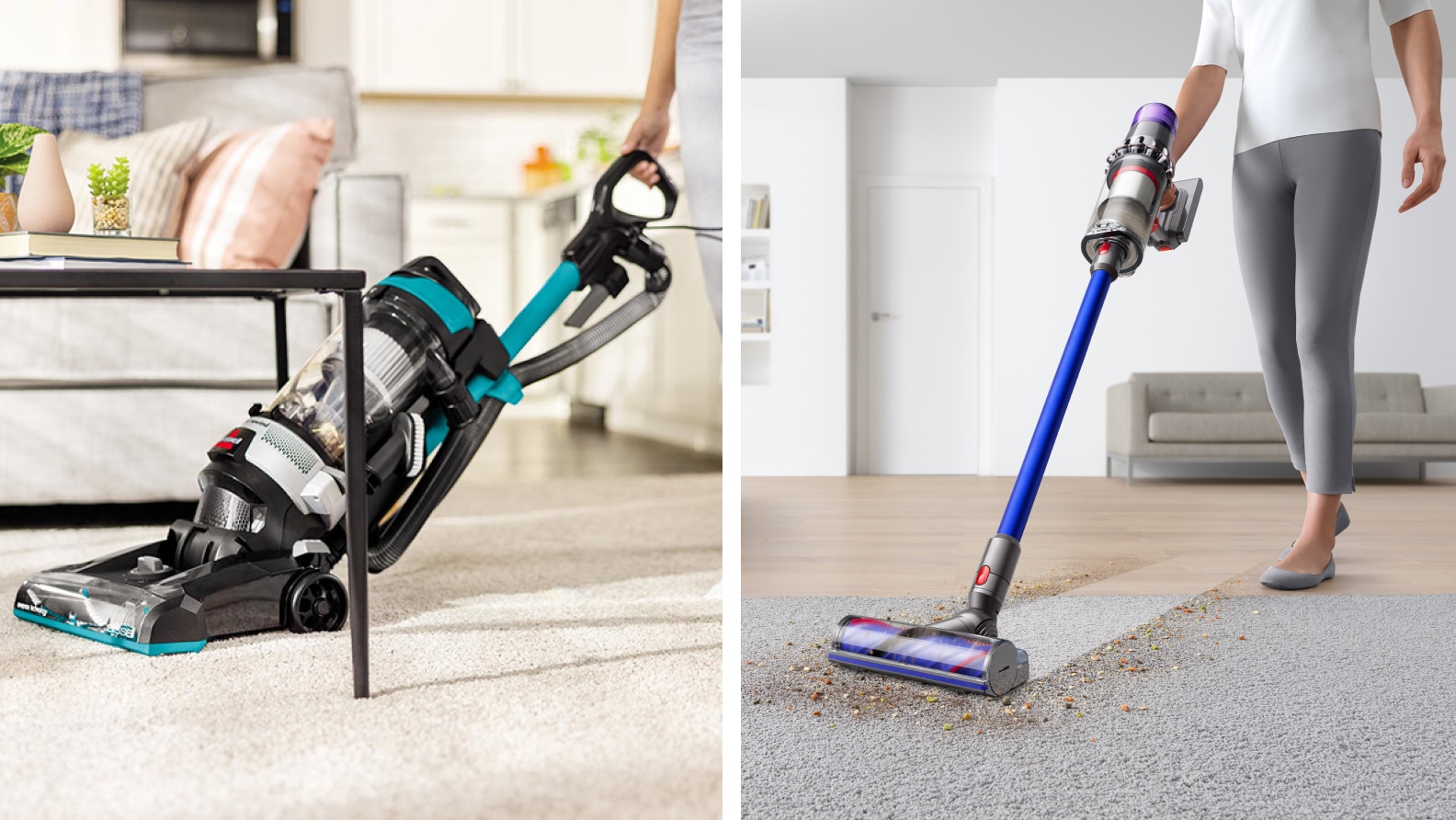
What you need before cleaning
Gather your supplies before you start. A few simple tools can make the job faster and safer.
• A trash bag or outdoor waste bin
• A soft cleaning brush or old toothbrush
• A dry microfiber cloth
• Warm water
• Mild dish soap
• Scissors or a seam ripper for tangled hair
• A clean towel
• The vacuum’s owner’s manual
You may also use a handheld brush attachment from another vacuum to remove loose dust. Avoid using harsh chemicals, bleach, or scented cleaners on vacuum parts. These products may damage plastic, leave residue, or create strong fumes when the vacuum runs.
Always check the manual first. Some filters are washable, while others must stay dry and be replaced. If the manual says “non washable,” do not rinse that filter.
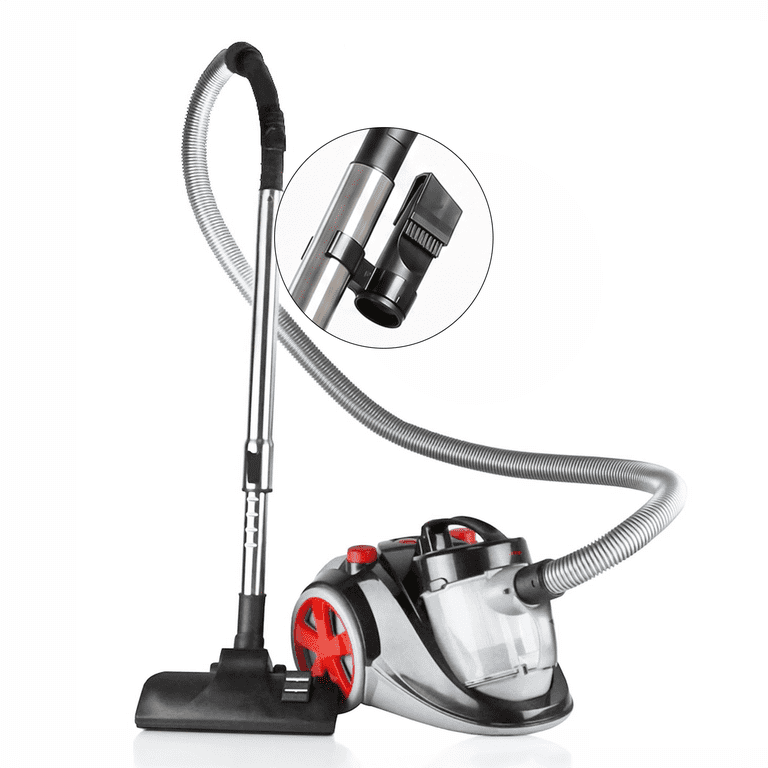
How do you clean a bagless vacuum cleaner step by step?
The safest method is to clean the vacuum from the outside in. Start with the dust cup, then move to the filters, air path, hose, and brush roll.
1. Unplug the vacuum
Turn the vacuum off and unplug it from the wall. If it is cordless, remove the battery when the design allows it.
This step prevents accidental startup. It also protects you from moving brush rolls and electrical parts.
2. Empty the dust cup
Take the dust cup outside if possible. Hold it low inside a trash bag and press the release button.
Empty the cup slowly. Fine dust can float into the air, so avoid shaking it hard. If you have allergies, wear a mask and clean the bin outdoors.
Check the “max fill” line each time. Do not wait until the dirt reaches the top. A vacuum often loses suction before the cup looks completely full.
3. Wash the dust cup
Remove the dust cup if the manual allows it. Rinse it with warm water and use a small amount of mild dish soap for sticky dirt.
Clean around the lid, seals, and inner corners. These areas often hold a layer of fine dust that can affect the seal.
Never place the dust cup in a dishwasher unless the manufacturer clearly approves it. High heat can warp the plastic and damage rubber seals.
4. Clean the cyclone and screen
Many bagless vacuums use a cyclone system to separate dirt from air. Hair and dust can collect around the cyclone cone or mesh screen.
Use a dry brush to loosen debris. Do not push dirt deeper into small openings. If the cyclone section is not designed to come apart, clean only the parts you can safely reach.
5. Clean the filters
Remove each filter and identify its type. Common filters include:
• Pre motor foam filters
• Felt filters
• Post motor filters
• HEPA filters
Rinse a washable foam or fabric filter under cool or warm running water. Gently squeeze it without twisting. Continue rinsing until the water runs mostly clear.
Do not wash a filter marked “dry clean only” or “replace.” Some HEPA filters are washable, but many are not. The label and manual are more reliable than general advice.
6. Dry every washable part
Place washed filters and the dust cup in a warm, dry area with good airflow. Let them dry for at least 24 hours, or longer if they feel damp.
Never reinstall a wet filter. Moisture can damage the motor, encourage mold growth, and create a sour smell. A filter may feel dry on the outside while still holding water inside.
7. Clean the hose and attachments
Disconnect the hose and check both ends for blockages. Shine a flashlight through it if needed.
For a removable hose, rinse it only if the manufacturer permits this. If you wash it, hang it vertically and let it dry completely. Do not push a sharp object through the hose because it may puncture the material.
Wipe crevice tools, upholstery tools, and extension wands with a damp cloth. Remove hair and lint from the brush bristles.
8. Remove hair from the brush roll
Turn the floor head over and inspect the brush roll. Cut wrapped hair with scissors, keeping the blades away from the bristles and belt.
Pull the hair out in small sections. Check the ends of the brush roll, where hair often blocks the bearings.
If the brush roll is removable, take it out and wipe it with a dry cloth. Do not soak a motorized floor head unless the manual specifically says it is safe.
9. Wipe the vacuum body
Use a slightly damp microfiber cloth on the outside of the vacuum. Clean the wheels, buttons, vents, and edges around the dust cup.
Keep water away from the motor housing, battery contacts, charging port, and electrical controls. Wipe these areas with a dry cloth instead.
10. Reassemble and test the vacuum
Once every washable part is fully dry, reinstall the filters and dust cup. Make sure seals sit flat and all parts click into place.
Turn the vacuum on for a short test. Listen for unusual rattling, whistling, or grinding sounds. Check the suction and inspect whether air is leaking around the dust cup.
This step-by-step process answers how do you clean a bagless vacuum cleaner without risking damage to the motor.
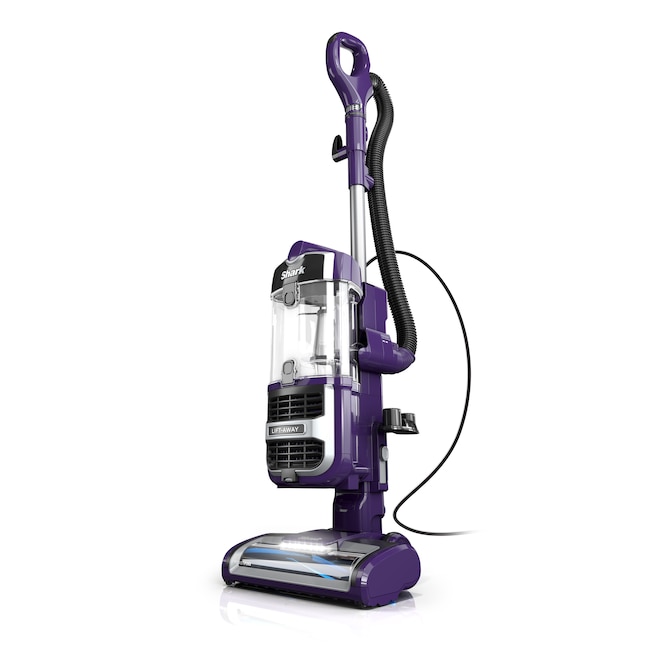
How to clean vacuum filters safely
Filters are the lungs of a bagless vacuum. They trap fine particles before air leaves the machine, but they become less effective as dust builds up.
Check the filter after every few uses if you vacuum pet hair, fine dust, or high traffic areas. Light household use may require filter cleaning once a month.
Follow these filter rules:
• Wash only filters labeled washable
• Use plain water unless the manual allows soap
• Do not scrub foam filters aggressively
• Do not twist or wring filters
• Let filters dry for at least 24 hours
• Replace damaged, crushed, or foul smelling filters
• Replace non washable filters on the schedule listed by the manufacturer
A washable filter that remains gray after cleaning may still be usable. The key signs of a problem are poor airflow, damage, a strong odor, or a filter that no longer fits tightly.
HEPA filters need special care. A damaged HEPA filter may allow fine particles to pass through, so replace it when the manufacturer recommends it.
How to clean the dust cup and cyclone area
The dust cup is the most visible part of a bagless vacuum, but the cyclone area often needs more attention. Fine dust can cling to the inner screen and reduce airflow.
After emptying the bin, inspect the following areas:
• The dust cup gasket
• The lid hinge
• The inner mesh screen
• The cyclone cone
• The air outlet near the filter
• The release flap
Use a soft, dry brush for packed dust. If a washable section is approved for rinsing, wash it and allow it to dry fully.
One common mistake is spraying cleaner into the cyclone chamber. This may send liquid toward the motor. A dry brush is usually safer and more effective.
If the bin has a rubber seal, wipe it gently. A dirty or twisted seal can cause an air leak. That leak may sound like a whistle and can reduce cleaning power.
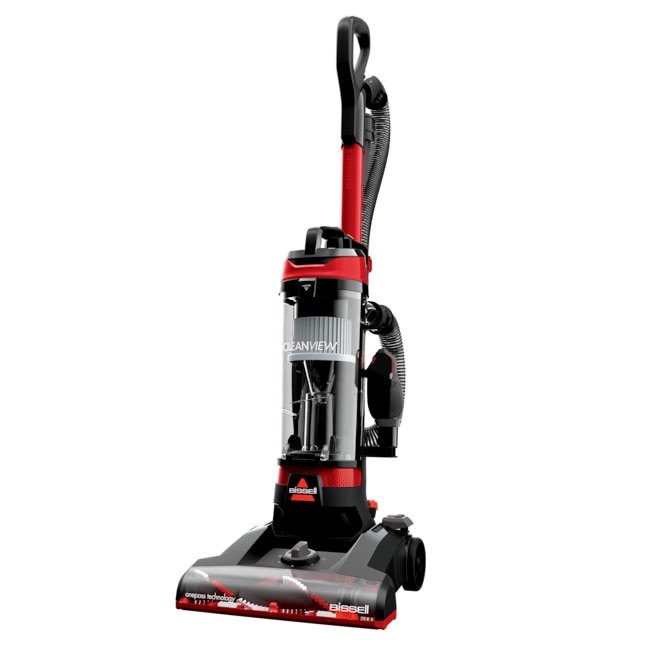
How to clean a bagless vacuum cleaner with pet hair inside
Pet hair creates a special challenge because it wraps around brush rolls and collects near bends in the hose. Long hair can also form tight mats that block airflow.
Start by removing the floor head. Cut hair in short sections and pull it away from the brush roll. Check the brush roll ends and the opening behind the roller.
Next, inspect the hose and dust cup. A flexible grabber tool may help remove a soft clog, but never force it through a narrow passage.
For homes with pets, empty the dust cup after each major cleaning session. Brush the filter more often, too. A small amount of routine care is easier than removing a thick layer of compacted fur later.
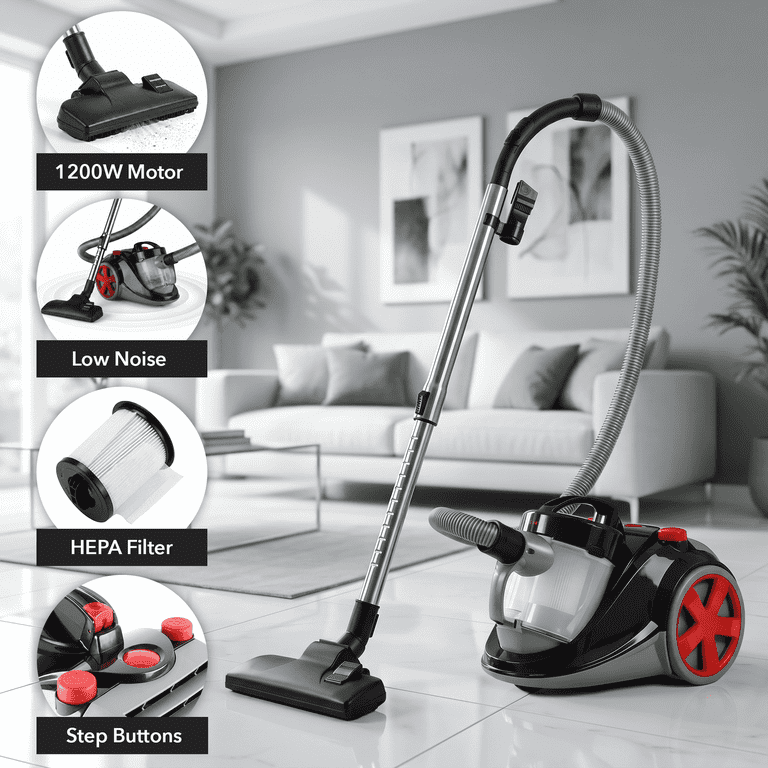
Mistakes to avoid when cleaning a bagless vacuum
Even careful owners can damage a vacuum by using the wrong method. Avoid these common errors:
• Running the vacuum without its filters
• Reinstalling a damp filter
• Washing a non washable HEPA filter
• Spraying water into the motor area
• Using bleach or harsh chemicals
• Cleaning wet spills with a dry vacuum
• Ignoring a blocked hose
• Pulling brush roll hair without cutting it
• Forcing parts apart
• Using the vacuum before seals are properly fitted
Unless the machine is designed for wet pickup, never vacuum water, damp food, or liquid spills. Moisture can reach electrical parts and create a safety risk.
Do not use a regular bagless vacuum to collect fireplace ash, fine cement dust, or large amounts of drywall dust unless the manufacturer approves it. These materials can clog filters quickly or damage the motor.
How often should you clean a bagless vacuum cleaner?
The right schedule depends on how often you vacuum, your floor type, and whether you have pets.
A simple maintenance plan looks like this:
• After every use: Empty the dust cup when it reaches the fill line
• Weekly: Check the brush roll, hose opening, and floor head
• Every two to four weeks: Inspect and clean washable filters
• Every one to three months: Wash the dust cup and check seals
• Every six to twelve months: Replace filters if the manual recommends it
• Immediately: Clear a clog, burning smell, or sudden loss of suction
Homes with pets, children, allergies, or thick carpets may need more frequent care. A vacuum used in a small apartment with hard floors may need less.
The best schedule is based on performance. If the vacuum smells dusty, sounds strained, or leaves debris behind, clean it sooner.
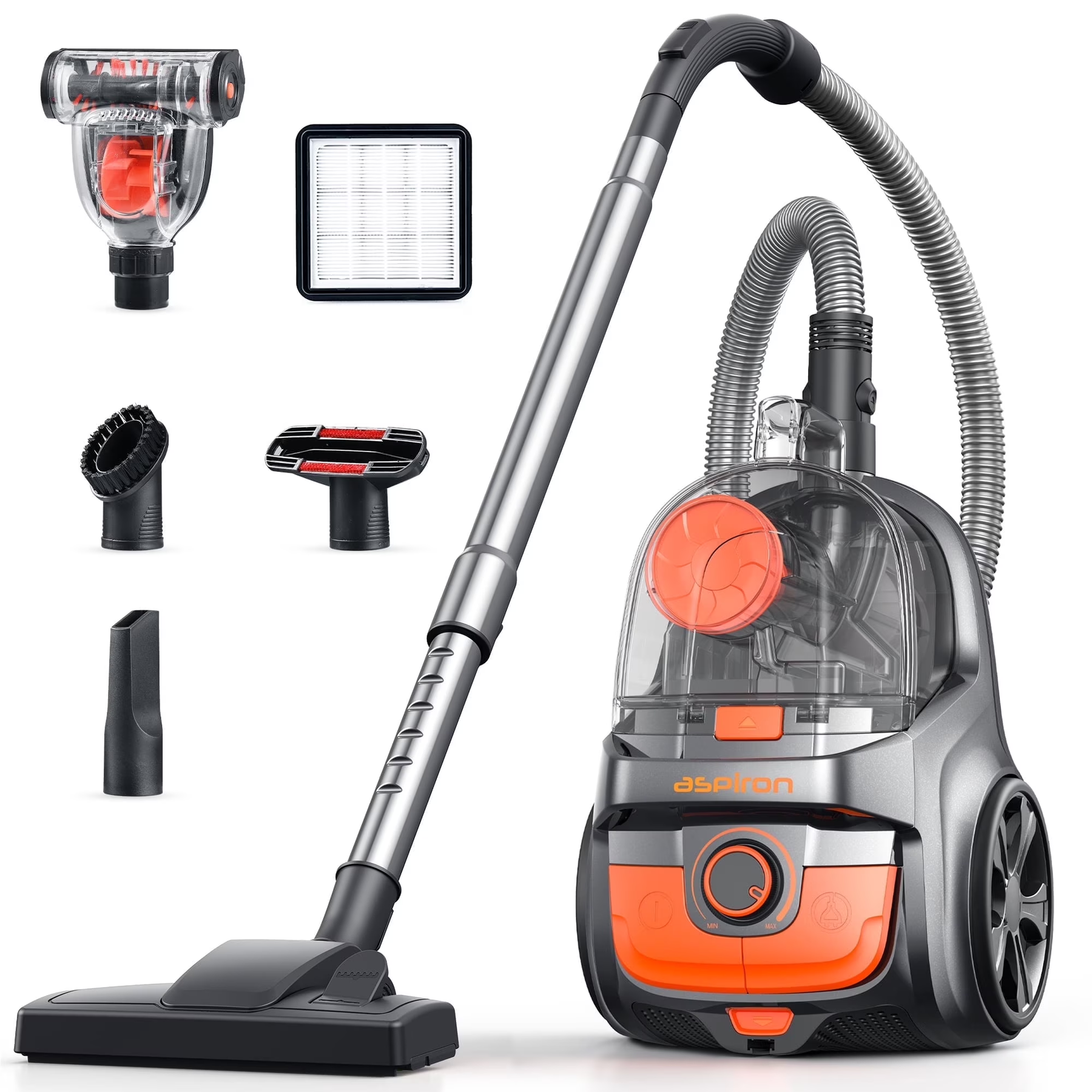
How to fix common problems after cleaning
Sometimes a vacuum still performs poorly after you clean it. Check these areas first.
The vacuum has weak suction
Confirm that the dust cup is locked in place. Then check the hose, floor head, cyclone screen, and filters for blockages.