Does The Wattage Of A Vacuum Cleaner Matter: Explained
The wattage of a vacuum cleaner matters, but airflow, suction, design, and filtration often matter more.
If you are comparing vacuum cleaners, the number of watts can look like the clearest sign of power. It is not. Understanding does the wattage of a vacuum cleaner matter requires looking at what that electricity does, how well the machine moves air, and how the cleaner performs on your floors. This guide explains the key specs, common mistakes, and simple ways to choose with confidence.
What Does Vacuum Cleaner Wattage Mean?
Wattage measures how much electrical power a vacuum cleaner uses while running. It does not directly measure how much dirt the vacuum removes.
A 1,200-watt vacuum may use more electricity than an 800-watt model. Yet the lower-wattage machine may clean better if it has a stronger airflow path, a better brush roll, tighter seals, and a well-designed nozzle.
This is the first reason does the wattage of a vacuum cleaner matter is not a simple yes-or-no question. Wattage tells you about energy use and motor input, but it does not tell the full cleaning story.
Think of wattage like the fuel used by a car. More fuel does not always mean a faster car. The engine, tires, weight, and design also affect performance.

Does Higher Wattage Mean More Suction?
Higher wattage can support a powerful motor, but it does not guarantee stronger suction. Suction depends on several parts working together.
Important factors include:
• Motor design and efficiency
• Airflow through the hose and floor head
• Seals around the dust bin and attachments
• Filter condition and filter design
• Brush roll speed and shape
• Nozzle contact with the floor
• Resistance caused by bends, bags, and clogged parts
A vacuum can have a high-wattage motor but lose power through a narrow hose or poor seal. In contrast, a lower-wattage cleaner can use its energy more efficiently and deliver better cleaning at the floor.
This explains why does the wattage of a vacuum cleaner matter less than many product labels suggest. The motor needs enough power, but the whole airflow system determines how much dirt reaches the bin or bag.
Airflow and sealed suction
Airflow is the movement of air through the vacuum. It helps carry dust, hair, and debris away from the floor.
Sealed suction measures the vacuum’s pulling force when the air path is blocked. Both figures can be useful, but neither tells you everything about real-world cleaning. A vacuum must maintain useful airflow while the nozzle is touching a carpet or hard floor.
The floor head matters
The floor head is the part that meets the surface. Its design can affect cleaning more than a small difference in wattage.
A good floor head can:
• Lift dirt from carpet fibers
• Keep a close seal on hard floors
• Guide debris into the air path
• Reduce scattered dust
• Adjust to different floor heights
In practical testing, a vacuum with a well-designed head often outperforms a stronger-looking model with a weak nozzle.
What Wattage Range Is Good for a Vacuum Cleaner?
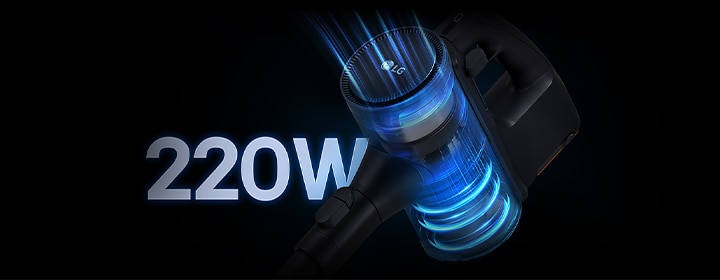
There is no single best wattage for every vacuum. The right range depends on the type of cleaner, floor surfaces, home size, and cleaning needs.
Many corded household vacuums use several hundred to more than 1,500 watts. Cordless models often list battery voltage instead of traditional wattage because their power changes during use.
Here is a general guide:
• Small handheld vacuum: Often uses less power and suits crumbs, furniture, and cars.
• Stick vacuum: Usually focuses on light weight and battery efficiency.
• Upright vacuum: Often has a larger motor and works well on carpets.
• Canister vacuum: Can offer strong airflow and flexible floor tools.
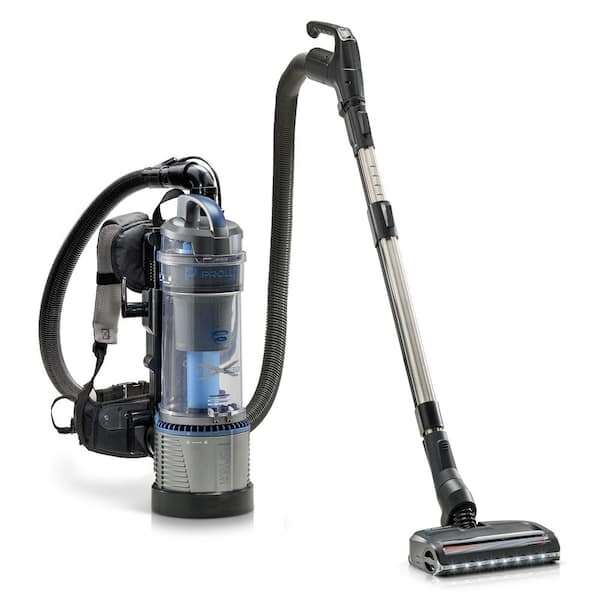
• Central vacuum: Uses a remote motor and long pipe system, so airflow design is especially important.
These ranges are only broad examples. Product quality, motor efficiency, and cleaning head design can create large performance differences within the same category.
So, does the wattage of a vacuum cleaner matter when comparing two models? Yes, but use it as one clue rather than the final decision.

Wattage, Cleaning Power, and Energy Use
A higher-wattage vacuum usually draws more electricity while operating. For example, a 1,400-watt vacuum uses 1.4 kilowatt-hours if it runs for one hour.
Most people do not vacuum for a full hour at a time. If you use a 1,400-watt model for 30 minutes per week, its energy use is about 0.7 kilowatt-hours per week. Your local electricity rate determines the exact cost.
A lower-wattage vacuum may cost less to run, but energy savings should not come at the cost of poor cleaning. If you must make several passes over the same area, the real energy use and time may rise.
The best balance is a cleaner that removes dirt in fewer passes. This is where does the wattage of a vacuum cleaner matter in daily life: power use affects running cost, but efficient cleaning affects both cost and convenience.
Does more wattage use more electricity?
Usually, yes. A vacuum with a higher rated wattage can draw more electricity when running at full power.
However, actual use depends on operating time, power settings, battery control, and motor efficiency. A high-wattage vacuum used briefly may consume less energy than a weak vacuum used for much longer.

How to Compare Vacuum Cleaners the Right Way
Product labels can be confusing. Instead of choosing the largest wattage number, compare the features that affect real cleaning.
Use this checklist:
-
Check the vacuum type. A cordless stick vacuum and a corded upright serve different needs.
-
Look for airflow or suction information when the manufacturer provides it.
-
Study the floor head. Look for height adjustment, a powered brush roll, and a hard-floor setting.
-
Check the filtration system. A sealed system with a high-efficiency filter can help trap fine particles.
-
Consider the dust container or bag. Small containers fill quickly and may reduce airflow.
-
Read independent test results. Tests that measure embedded dirt removal are more useful than motor wattage alone.
-
Check noise, weight, cord length, and maneuverability. A powerful vacuum is less useful if you avoid using it.
-
Review maintenance needs. Washable filters and easy brush-roll access can protect performance.
A useful comparison is to ask, “How well does this vacuum clean my floor?” rather than, “Which vacuum has the biggest motor?”
Compare similar vacuum types
Wattage is most useful when comparing similar machines. Comparing two corded upright vacuums with similar floor heads can make the wattage difference more meaningful.
It is less useful when comparing a cordless stick vacuum with a canister vacuum. Their motors, batteries, airflow paths, and intended uses are too different for a simple watt-for-watt comparison.
This is another reason does the wattage of a vacuum cleaner matter depends on context.

When Higher Wattage Can Help
Higher wattage can be helpful in some situations. A larger motor may support stronger airflow, a powered brush roll, or better performance on thick carpet.
A high-power model may suit you if:
• Your home has thick or dense carpet
• You need to remove pet hair
• You clean large areas often
• You use long hoses or extension tubes
• You want strong performance from a corded machine
Even then, the extra wattage must be paired with good airflow and brush action. A high-power motor cannot fully overcome a clogged filter, packed dust bin, or poorly shaped nozzle.
Homes with shedding pets often benefit from an effective brush roll more than from a large wattage increase. Hair must be lifted, separated, and guided into the dust path. Raw motor power alone may leave hair wrapped around the brush.
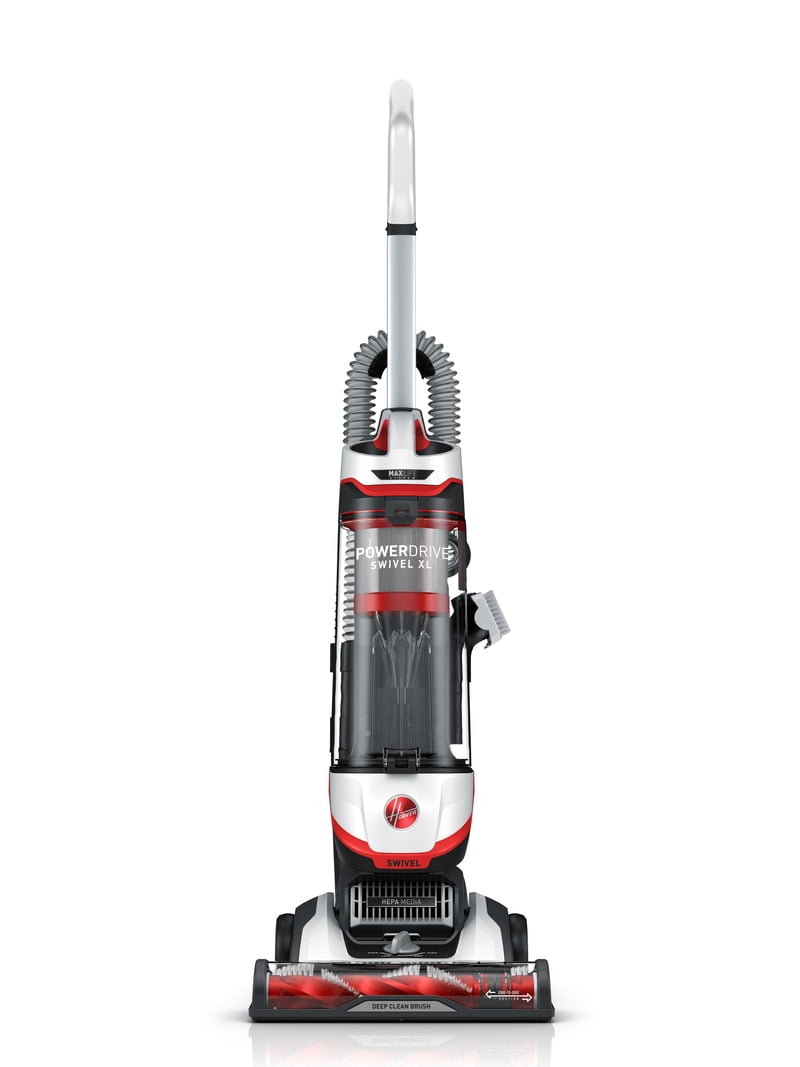
When Lower Wattage Can Be the Better Choice
Lower wattage can be a smart choice for small homes, hard floors, and light cleaning. It may also reduce energy use and make a vacuum easier to handle.
A lower-wattage model may work well when:
• You mainly clean tile, wood, or laminate