How To Choose Cordless Vacuum Cleaner: Buying Guide
The best cordless vacuum cleaner for a U.S. home depends on your floors, pets, home size, storage space, and cleaning habits. Start with the surfaces you clean most. Then compare battery life, cleaning head design, dustbin size, weight, filters, repair support, and total cost.
A cordless vacuum is easy to grab and store. It can be a good fit for apartments, stairs, hardwood floors, and quick daily cleanups. However, not every model can replace a full-size corded vacuum. Small batteries, narrow dustbins, and weak tools can limit performance in large homes or rooms with thick carpet.
This guide explains how to choose a cordless vacuum cleaner without relying on vague “best” claims. It also shows which features matter, which features may not, and how to match a vacuum to your home.

Start With Your Home and Cleaning Needs
Choose the vacuum around your home, not around its feature list. A model that works well in a small apartment may feel frustrating in a large house with pets and thick carpet.
Write down these details before you shop:
- Floor type: hardwood, tile, vinyl, low-pile carpet, or high-pile carpet
- Home size: apartment, small house, or large house
- Pet hair: none, occasional shedding, or heavy daily shedding
- Debris: dust, crumbs, sand, cat litter, or larger pieces
- Cleaning style: quick daily cleaning or long whole-home sessions
- Physical needs: light weight, easy controls, low noise, or simple emptying
- Storage: wall mount, floor stand, closet shelf, or no fixed storage
- Budget: purchase price plus batteries, filters, and replacement parts
A useful rule is simple: buy for your hardest regular cleaning task. If you have mostly hardwood but one room with thick carpet, test or verify carpet performance before choosing a hardwood-focused model.
Match the vacuum type to the job
Cordless vacuums come in several forms:
| Type | Best for | Main limitation |
|---|---|---|
| Stick vacuum | Floors, rugs, and daily home cleaning | Small dustbin and battery |
| Handheld vacuum | Cars, stairs, furniture, and small spills | Not practical for whole floors |
| 2-in-1 stick vacuum | Floors plus above-floor cleaning | May be heavier in handheld mode |
| Wet-dry cordless vacuum | Sealed hard floors and liquid messes | Usually not designed for carpet |
| Cordless upright vacuum | Larger floor areas and stronger upright handling | Often heavier and less flexible |
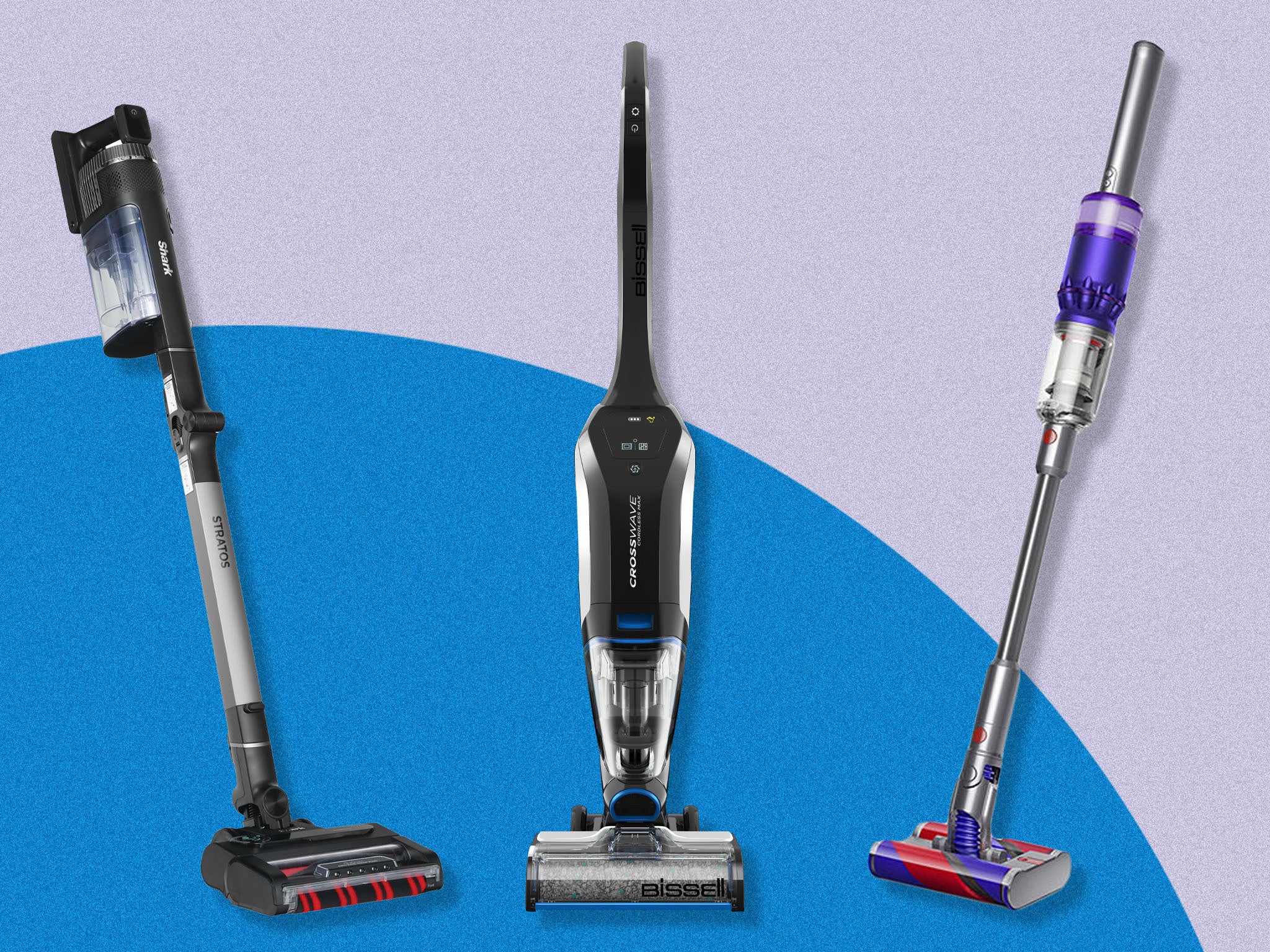
Most shoppers who search for a cordless vacuum cleaner need a cordless stick vacuum. It offers a useful balance of reach, storage, and floor cleaning.
Do not assume a wet-dry floor washer can replace a normal vacuum. Many are designed for sealed hard floors only. They may not be suitable for rugs, unsealed wood, or carpet.
Consider your cleaning frequency
A cordless vacuum works best when it is easy to use often. If you clean a little each day, a smaller model may be enough. If you wait until the weekend and clean the whole home at once, battery capacity and dustbin size become more important.
The goal is not the longest advertised runtime. The goal is enough usable runtime in the cleaning mode and tool you will actually use.
Check Battery Runtime the Right Way
Battery runtime is one of the most misunderstood cordless vacuum features. The number on the box often describes the lowest-power setting with a basic floor tool. It may not represent real cleaning time with a motorized brush.
Look for runtime information under these conditions:
- Standard mode versus maximum or boost mode
- Floor head attached versus handheld tool
- Motorized tool running versus non-motorized tool
- Battery included versus battery sold separately
- One battery versus multiple batteries
- Recharge time
- Whether the battery can be removed and replaced
Use a simple runtime calculation
Estimate your cleaning time before buying. For example:
Required runtime = cleaning area ÷ practical cleaning speed
This is only a planning tool, not a laboratory result. If you clean for 15 minutes per session, a vacuum that provides about 20 minutes of usable runtime in your normal mode may fit. If you need 40 minutes, look for a removable battery, a second battery, or a model with a longer verified runtime.
A vacuum’s stated runtime is not the same as effective cleaning time. You may stop to move furniture, empty the bin, clear hair, or change tools.
Removable batteries offer more flexibility
A removable battery can extend a cleaning session if the manufacturer sells a compatible spare. It also gives you a way to replace the battery later instead of replacing the entire vacuum.
Before assuming a spare battery will solve the problem, check:
- The exact vacuum model and model revision.
- Whether the extra battery is sold in the United States.
- The listed charge time.
- Whether the charger supports one or more batteries.
- The warranty terms for the battery.
Some brands sell batteries separately. Others use batteries that are not intended for consumer replacement. The product manual is the best source for this detail.
Battery safety matters
Use the supplied charger or an approved replacement. Do not use a damaged, swollen, hot, or leaking battery. Keep lithium-ion batteries away from high heat and water unless the product is specifically designed for wet cleaning.
The U.S. Consumer Product Safety Commission advises consumers to use compatible chargers and stop using batteries that show signs of damage. Follow the manual for storage, charging, and disposal.

Choose a Floor Head for Your Floors
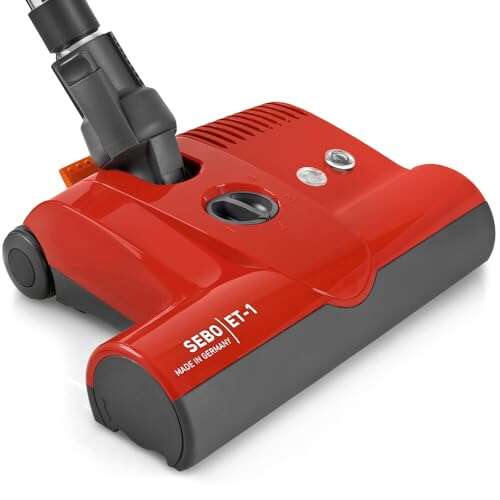
The floor head often matters more than the vacuum’s marketing terms. It is the part that moves over the floor, lifts debris, and controls airflow near the surface.
Hardwood and other hard floors
For hardwood, tile, laminate, and vinyl, look for:
- A soft roller or soft brush option
- Suction control that does not scatter debris
- A head that lies fairly flat
- Good edge cleaning
- Wheels that move without scratching
- A head that can handle fine dust and larger crumbs
A soft roller can pick up fine dust while reducing the chance of scattering larger debris. It is not automatically required for every hard floor, though. A well-designed multi-surface head may work well on both hard floors and low-pile rugs.
Do not use a wet-dry cleaner on unsealed wood unless the manufacturer clearly permits it. Excess moisture can damage some flooring.
Low-pile carpet and rugs
For low-pile carpet, a motorized brush roll helps pull dirt from between fibers. Look for adjustable suction or a brush setting that does not make the vacuum hard to push.
A vacuum that feels powerful in the hand may still perform poorly on carpet. Airflow, brush design, nozzle contact, and debris pickup all affect results. Manufacturer suction claims alone do not give a complete picture of carpet cleaning.
High-pile carpet
High-pile carpet needs special attention. Strong suction can make some vacuums difficult to move. A brush roll may also jam or pull at delicate fibers.
Before buying, check whether the manual or product page states that the vacuum is designed for high-pile carpet. A wider head, height adjustment, or suction control may help. If your home has a lot of thick carpet, compare cordless models with full-size corded uprights or canister vacuums. Cordless convenience may not outweigh the limits of a small battery.
Evaluate Suction, Airflow, and Cleaning Performance
A higher wattage number does not automatically mean better cleaning. Battery-powered vacuums use power for the motor, brush roll, sensors, lights, and other systems. Motor power alone does not reveal how much dirt the vacuum removes from a floor.
Pay attention to these practical signs:
- The vacuum picks up both fine dust and larger debris.
- It does not leave a visible line of dirt along edges.
- It handles your carpet without stalling or becoming hard to push.
- The brush roll does not clog quickly.
- The head maintains contact with the floor.
- The filter does not become blocked after a short session.
If independent testing is available, check whether the method explains the floor type, debris type, and cleaning mode. A test on bare floor cannot prove carpet performance.
Be careful with “sealed system” claims
A sealed filtration system can help keep air moving through the intended filter path. It does not mean every fine particle is removed in every home or that the vacuum has medical-grade filtration.
For households concerned about fine dust or allergies, look for:
- A clearly identified filter system
- A washable pre-filter, if permitted
- A replaceable exhaust filter
- Clear maintenance instructions
- A tight dustbin and filter seal
- Replacement filter availability
The U.S. Environmental Protection Agency explains that source control and ventilation are important parts of indoor air management. A vacuum can reduce settled dust, but it is not a substitute for broader indoor air steps.
Avoid choosing by “air watts” alone
Air watts may describe a combination of airflow and suction under a stated test condition. Different brands may use different methods or present the number without enough detail for a fair comparison.
Treat the figure as one data point. Give more weight to verified cleaning tests, floor-head design, usable runtime, and maintenance.

Select the Right Weight and Design
Weight affects how often you will use the vacuum. A heavy unit may feel fine for five minutes but tiring on stairs, ceilings, or a large floor.
Check where the weight sits:
- Top-heavy design: can strain the wrist during floor cleaning.
- Low-mounted motor: may feel easier to steer.
- Heavy handheld section: can be tiring for furniture and stairs.
- Light floor head: may improve control but offer less deep agitation.
A vacuum’s listed weight may exclude the charger, wall mount, or accessories. Check the full cleaning configuration.
Look for useful controls
Useful controls may include:
- One-touch power
- A trigger lock or continuous-on button
- Suction modes
- Brush-roll control
- Battery level display
- Clog alerts
- Filter alerts
- Headlight
A trigger can save battery if you use short bursts. It can also become uncomfortable during long cleaning sessions. A lockable power button may be better for whole-home cleaning.
Think about storage
Measure your storage area before buying. Check the vacuum’s height, wall-mount requirements, and charging setup.
Ask:
- Can it stand on its own?
- Does it need to stay on a wall mount?
- Can the battery charge away from the vacuum?
- Does the dock hold all key tools?
- Will the wand and floor head fit in the closet?
A vacuum that is difficult to store may end up unused, even if it cleans well.

Compare Dustbin Size and Emptying
A small dustbin keeps the vacuum light but may require frequent emptying. A larger bin is useful for pets, sand, and large homes, but it can add weight.
For a rough estimate, consider how much debris your home produces:
- Small apartment with little shedding: a smaller bin may be acceptable.
- Home with pets: choose a larger bin or plan to empty it after each session.
- Sand, litter, or heavy debris: prioritize bin capacity and easy emptying.
- Allergy concerns: seek a system that reduces dust release during emptying.
Capacity figures can be hard to compare because brands may list the total container size rather than the usable fill level. The bin’s shape also matters. A container that looks large may fill quickly if hair wraps around the filter or cyclone.
Check the emptying process
A good emptying system should let you release debris without touching it. Still, no dustbin is completely dust-free in every situation.
Empty the bin before it reaches the maximum line. A full bin can reduce airflow and make the filter clog sooner. If dust escapes during emptying, do it outdoors when practical and follow the manufacturer’s instructions.

Check Filtration and Pet-Hair Features
Pet owners should look beyond the word “pet.” It may refer to a color, tool bundle, brush design, or marketing category.
For pet hair, look for:
- A motorized upholstery tool
- A brush roll designed to reduce hair wrap
- Easy brush-roll removal
- Strong edge pickup
- A sealed dustbin
- A replaceable filter
- Clear guidance for long hair and heavy shedding
Long human hair can create the same problem as pet hair. Check whether the brush roll can be removed without special tools.
A small motorized tool is useful for sofas, stairs, mattresses, and car seats. It does not replace a floor head. If pet hair is your main concern, prioritize brush maintenance and tool design over a decorative pet label.
Understand HEPA claims
“HEPA” refers to a filter performance standard, but the filter is only one part of the cleaning system. Air can bypass a filter if seals are poor or if the dustbin is not closed correctly.
If a model claims HEPA filtration, verify:
- Whether the filter is labeled HEPA by the manufacturer
- Whether it is washable or replaceable
- How often it must be cleaned
- Whether replacement filters are available
- Whether the whole vacuum is described as sealed
Do not wash a filter unless the manual says you can. A wet filter can damage the motor or allow poor airflow.

Review Maintenance, Parts, and Warranty Support
A cordless vacuum is a small appliance with regular upkeep. Maintenance affects both cleaning performance and battery life.
Before buying, find the manual and check:
- Filter cleaning instructions
- Filter replacement schedule
- Brush-roll removal steps
- Clog-clearing instructions
- Battery care
- Dustbin washing rules
- Warranty length and coverage
- Availability of batteries, filters, belts, and tools
A washable filter still needs replacement at some point if it becomes damaged or does not clean well. Washing does not remove every type of embedded dirt, and a filter must dry fully before use.
Calculate the total cost
The purchase price is only part of the cost. A simple estimate is:
Total ownership cost = vacuum price + replacement filters + extra battery + needed tools
For example, a lower-priced vacuum may become less attractive if it has expensive filters or no replacement battery. A higher-priced model may offer better value if its common parts remain available for several years. This depends on actual availability, so check the manufacturer’s U.S. support page before buying.
Warranty is not the same as repairability
A warranty may cover defects for a set period. It may not cover normal battery wear, clogs, filter damage, or accidental damage.
Read the terms for:
- Battery coverage
- Proof of purchase
- Authorized service
- Shipping costs
- Replacement parts
- Exclusions for commercial use
- Return period from the retailer
A strong warranty does not guarantee that repair will be easy. Look for service instructions and parts access as separate factors.

Compare Cordless Vacuums With Corded Models
Cordless is not always the best choice. A corded vacuum may suit you better if you have:
- A large home
- Thick carpet
- Frequent deep cleaning
- Heavy pet shedding
- A need for continuous runtime
- A preference for a larger dustbin
- Limited interest in charging and battery care
A cordless model may suit you better if you have:
- A small or medium home
- Mostly hard floors
- Stairs or many tight spaces
- Frequent small messes
- Limited storage
- A need for quick spot cleaning
- No convenient outlet near the cleaning area
Many homes benefit from using both. A cordless stick vacuum can handle daily dirt. A corded upright or canister can provide longer cleaning sessions and deeper carpet work.

Use This Cordless Vacuum Buying Checklist
Before you purchase, confirm each item below.
Floor and cleaning fit
- Does the floor head suit your main flooring?
- Is the model approved for your carpet type?
- Can it pick up the debris you usually see?
- Does it include the tools you need?
Battery fit
- Is the stated runtime measured in the mode you will use?
- Is the battery removable?
- Is a replacement battery sold in the United States?
- How long does charging take?
- Can you buy a second charger or battery?
Comfort and storage
- Can you carry it up stairs?
- Is the handheld section comfortable?
- Can you hold the power button comfortably?
- Does it fit your storage space?
- Does it need a wall mount?
Maintenance and ownership
- Can you remove the brush roll?
- Are filters easy to clean?
- Are replacement filters and batteries available?
- Does the warranty cover the battery?
- What does the return policy allow?
Evidence quality
- Are performance claims tied to a clear test?
- Does the manufacturer explain runtime conditions?
- Are independent reviews transparent about their method?
- Are you comparing the same model and U.S. version?

Common Mistakes to Avoid
Choosing the longest advertised runtime
Maximum runtime often comes from the lowest-power mode. Boost mode may reduce operating time sharply. Compare the mode, tool, and battery used in the claim.
Buying for suction numbers alone
Suction does not fully describe cleaning performance. Floor contact, airflow, brush action, and debris type also matter.
Ignoring the battery after purchase
Heat, deep discharge, and poor storage can shorten battery life. Follow the manual and use the correct charger.
Assuming every “multi-surface” head is equal
Some heads handle hard floors and rugs well. Others scatter debris or struggle on thicker carpet. Check independent test conditions or verify the return policy.
Forgetting the noise level
Noise claims may use different measurement methods. If quiet cleaning matters, look for a measured decibel rating under a stated condition. Otherwise, treat “quiet” as a marketing description rather than a precise comparison.
Overlooking the return policy
A vacuum can look ideal on paper but feel heavy or awkward at home. Buy from a retailer with a clear U.S. return policy, and keep the packaging until you confirm the fit.
Using the wrong vacuum for liquids
Unless the manual says the unit is designed for wet pickup, keep a standard cordless vacuum away from liquids. Moisture can damage the motor and create a safety risk.

A Simple Decision Guide
Use this quick guide to narrow your choice:
- Mostly hard floors and small daily messes: choose a light stick vacuum with a soft or well-designed multi-surface head.
- Hard floors plus low-pile rugs: choose a model with a motorized brush and floor-setting control.
- Thick carpet: choose a model verified for high-pile carpet, or consider a corded vacuum.
- Several pets: prioritize a removable brush roll, motorized upholstery tool, larger bin, and replaceable filters.
- Large home: prioritize a removable battery, second-battery support, and a larger dustbin.
- Stairs and cars: choose a lightweight 2-in-1 with a flexible wand and handheld tools.
- Allergy concerns: look for a sealed system, clearly identified filtration, low-dust emptying, and available replacement filters.
- Limited storage: choose a compact model that can stand or charge without permanent wall installation.
- Physical limitations: prioritize low weight, easy controls, a low center of gravity, and simple bin emptying.
FAQs About Choosing a Cordless Vacuum Cleaner
How much battery life do I need in a cordless vacuum?
Estimate your usual cleaning session, then add some extra time for furniture, tool changes, and interruptions. For short daily cleaning, a modest runtime may be enough. For whole-home cleaning, choose a removable battery or a model that supports a second battery.
Are cordless vacuums good for pet hair?
Yes, some are. Look for a motorized floor brush, hair-resistant design, removable brush roll, strong filtration, and a motorized upholstery tool. A “pet” label alone does not prove that a vacuum will handle heavy shedding well.
Can a cordless vacuum replace a regular vacuum?
It can replace one for some homes, especially smaller homes with hard floors and low-pile rugs. Large homes, thick carpet, and heavy debris may still favor a corded upright or canister vacuum.
Should I choose a HEPA cordless vacuum?
A clearly identified HEPA filter may help reduce fine-particle exhaust, but the whole vacuum design matters. Check seals, filter care, replacement parts, and dustbin emptying. Do not treat a HEPA label as a guarantee of perfect dust removal.
How often should I clean a cordless vacuum filter?
Follow the manual because schedules vary by model and use. Clean the filter when airflow drops, the vacuum displays an alert, or the manual calls for service. Let washable filters dry completely before reinstalling them.
Is a removable battery worth it?
Usually, it is useful for longer cleaning sessions and future replacement. Confirm that the battery is sold separately and that the cost is reasonable. A removable battery does not help if replacement batteries are unavailable.
What is the most important feature in a cordless vacuum?
The best single feature is a floor head that matches your surfaces. After that, compare usable battery life, weight, maintenance, filtration, dustbin size, and parts support.
Conclusion: Choose for Your Hardest Regular Job
To choose the right cordless vacuum cleaner, start with your floors and normal cleaning routine. Then check usable runtime, floor-head design, weight, bin size, filtration, maintenance, battery support, and warranty terms.
Do not choose by suction numbers or maximum runtime alone. A well-matched, easy-to-maintain vacuum will usually serve you better than a more powerful model that is heavy, difficult to empty, or poorly suited to your floors.
Your next step is to measure your cleaning area, list your floor types, and decide whether you need quick daily cleaning or long whole-home sessions. Use that list to eliminate models before comparing price and extra features.

Liora Pennings is a seasoned chef and kitchen enthusiast with a passion for turning everyday cooking into an effortless experience. With years of hands-on culinary expertise, she specializes in practical techniques, ingredient know-how, and smart kitchen solutions that help home cooks elevate their meals. At KitchFlair.com, Liora shares her best tips, time-saving tricks, and honest product reviews to guide readers toward a more efficient, enjoyable, and inspired cooking routine. Whether you’re a beginner or a seasoned home chef, Liora’s friendly, knowledge-packed insights make every visit to the kitchen a little easier—and a lot more delicious.