Can Vacuum Cleaner Remove Dust Mites: Does It Work?
A vacuum cleaner can remove some dust mites and allergens, but it cannot eliminate every mite in your home.
The answer to “can vacuum cleaner remove dust mites” depends on the vacuum, the surface, and how you clean. A strong vacuum with a sealed system and HEPA filter can remove mites, shed skin, and allergy-causing waste from carpets, mattresses, and furniture. However, vacuuming alone is not a complete dust mite control plan. This guide explains what vacuuming can do, where it falls short, and how to clean your home more effectively.

Can Vacuum Cleaner Remove Dust Mites?
Yes, a vacuum cleaner can remove dust mites from exposed surfaces. It can also collect dead mites, shed skin, eggs, and feces. These materials often trigger dust mite allergy symptoms.
Still, most vacuum cleaners do not kill every mite they collect. Some mites may live deep inside mattresses, pillows, carpets, and upholstered furniture. These areas are hard for a vacuum to reach.
A vacuum works more like a small broom than a pest treatment. It lifts and collects what sits near the surface. It does not always reach the warm, deep fibers where dust mites hide.
The best results come from using:
• A vacuum with a sealed body and hose system
• A true HEPA filter
• Strong suction
• A motorized brush for carpets
• Crevice tools for seams and edges
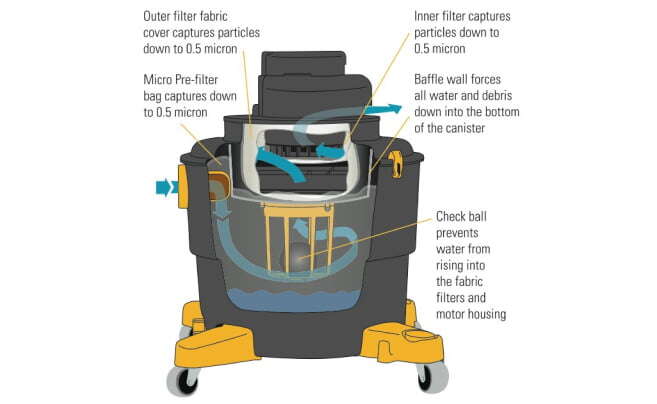
A HEPA filter helps trap tiny particles instead of sending them back into the room. This matters because allergy symptoms often come from mite waste, not from touching a live mite.
So, can vacuum cleaner remove dust mites completely? No. It can lower the number of mites and allergens, but it cannot guarantee total removal.
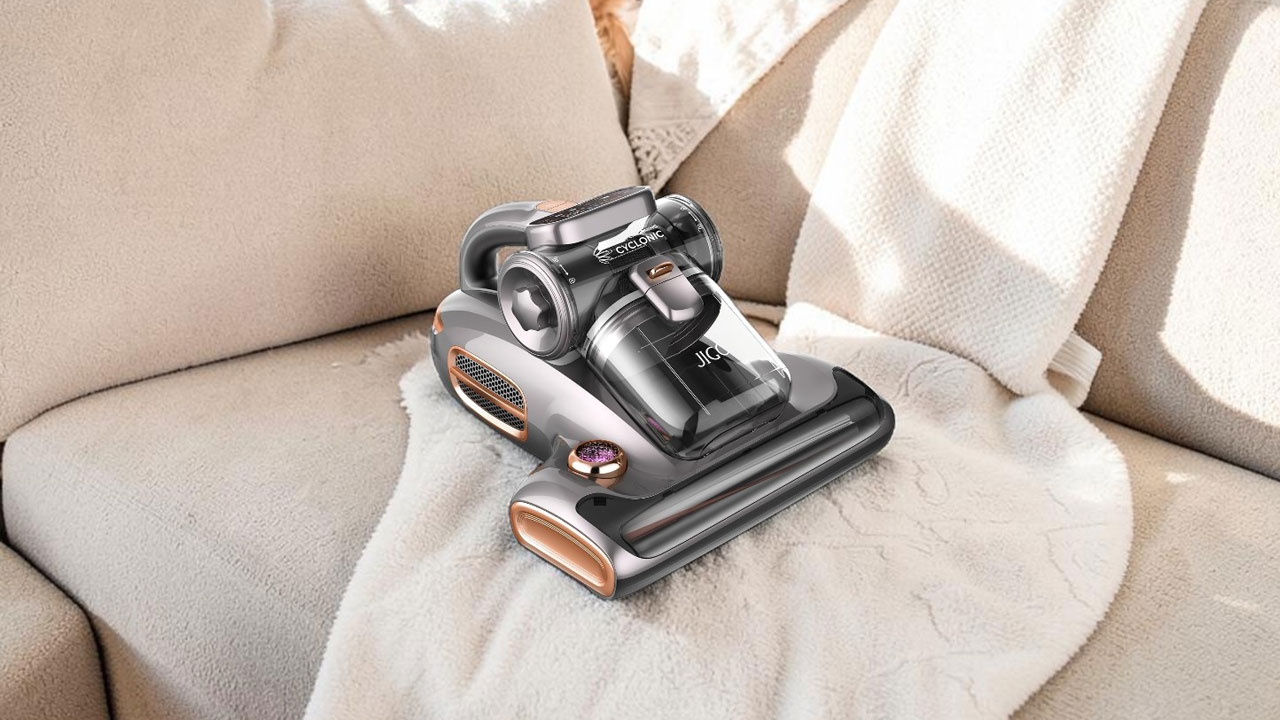
How Do Dust Mites Live in the Home?
Dust mites are tiny relatives of spiders. They do not bite people, spread disease, or live on the human body. They feed mainly on flakes of human and pet skin.
They prefer places that are:
• Warm
• Damp
• Dark
• Rich in fabric fibers
Common hiding places include mattresses, pillows, blankets, rugs, sofas, stuffed toys, and carpeted floors.
Dust mites also need moisture. A home with high indoor humidity gives them a better chance to survive. That is why bedrooms often have more dust mites than dry, well-ventilated areas.
The main problem is often their waste. When waste particles become airborne, they may cause sneezing, a runny nose, itchy eyes, coughing, wheezing, or skin irritation in sensitive people.
Vacuuming removes some of these particles. Yet it may not remove the source if the bedding or room stays warm and damp.

Can Vacuum Cleaner Remove Dust Mites From a Mattress?
A vacuum can remove surface dust mites and allergens from a mattress. It may also collect skin flakes and loose debris that support mite growth.
However, a mattress is thick and porous. Mites can live below the surface, where a standard vacuum nozzle cannot reach. For this reason, vacuuming a mattress is useful but limited.
Follow these steps for better results:
-
Remove all sheets, blankets, and mattress covers.
-
Wash the bedding in hot water when the fabric allows it.
-
Vacuum the entire mattress surface slowly.
-
Use the crevice tool around seams, buttons, and edges.
-
Turn the mattress if the manufacturer permits it.
-
Vacuum the bed frame and floor near the bed.
-
Cover the mattress with a dust mite encasement.
Move the nozzle slowly. Fast strokes may leave dirt and allergens behind. A slow pass gives the brush and suction more time to lift particles.
Do not soak the mattress with cleaning products. Damp fabric can raise indoor moisture and create a better setting for mites and mold.
Can vacuum cleaner remove dust mites from a mattress in one session? It may remove many surface particles, but repeated cleaning is more realistic. Vacuum the mattress every one to two weeks if allergies are a concern.

What Type of Vacuum Works Best?
Not all vacuums manage dust mite allergens in the same way. A basic vacuum may pick up visible dust but release fine particles through its exhaust.
Look for these features:
True HEPA filtration
A true HEPA filter can capture very small airborne particles. It is helpful for dust mite waste, fine dust, pollen, and pet dander.
The filter must fit tightly. If air leaks around the filter, the vacuum may spread particles back into the room.
A sealed system
A sealed vacuum keeps air moving through the filter. Without a sealed system, air may escape through gaps in the body, hose, or dust cup.
Strong suction
Strong suction helps lift particles from carpet and fabric. It does not mean the vacuum kills mites, but it can improve removal from the surface.
A motorized brush
A rotating brush can loosen dust, hair, and skin flakes from carpet fibers. Use care on delicate rugs and mattresses.
Easy dust disposal
A sealed bag can reduce exposure when you empty the vacuum. If you use a bagless model, empty the dust cup outdoors when possible.
A HEPA filter is valuable, but it is not magic. It only works well when you maintain it and use the vacuum correctly.
:max_bytes(150000):strip_icc()/how-to-get-dust-mites-out-of-mattress-5270595-Hero-3d940038fd514972a68bfbd531183856.jpg)
Does Vacuuming Kill Dust Mites?
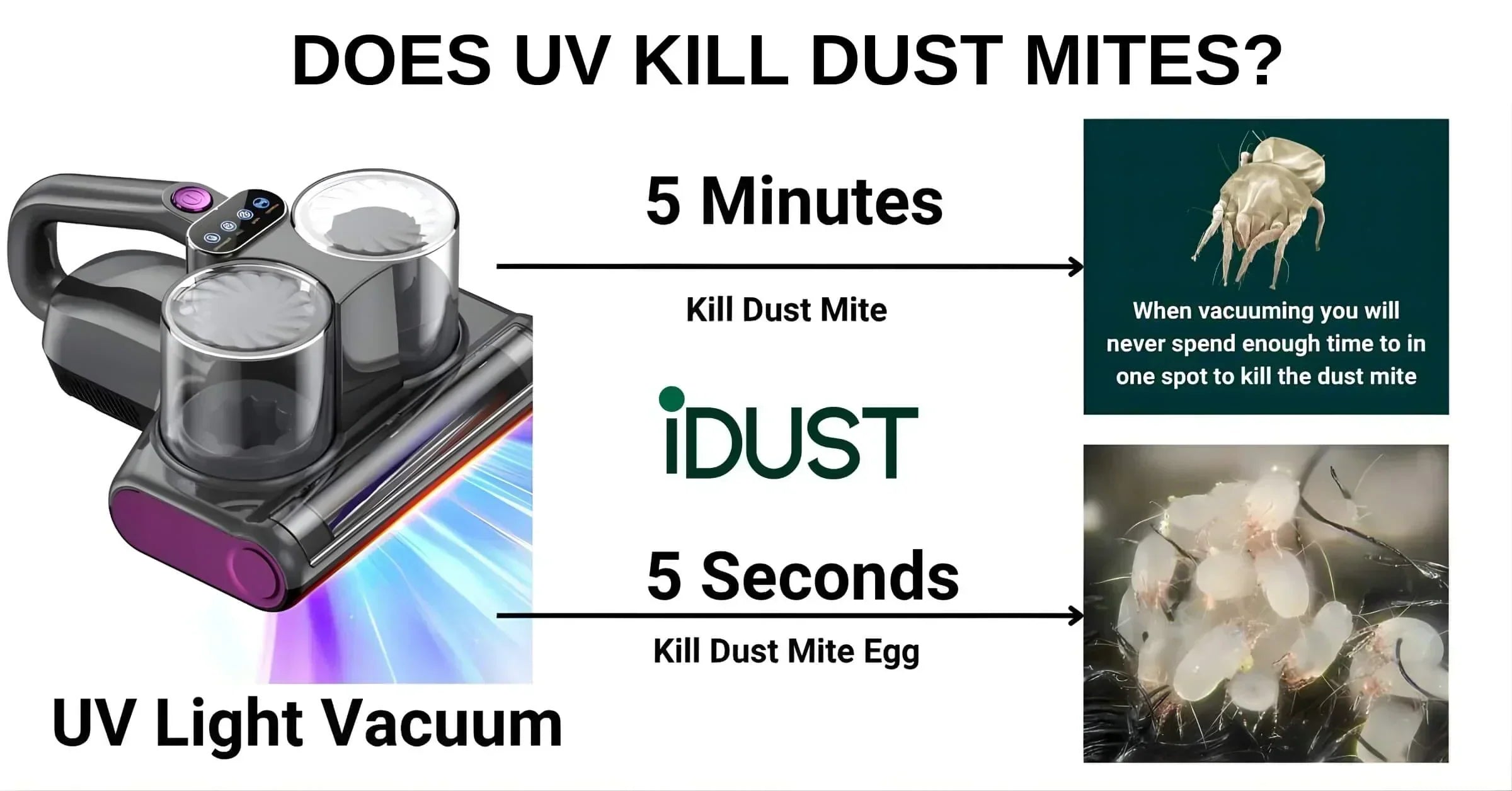
Vacuuming may kill some mites through suction, brush action, or pressure inside the vacuum. But most household vacuums are not designed to kill dust mites reliably.
Some mites may survive inside the dust container or bag. Others may remain deep in bedding, carpet, or furniture.
Heat is more dependable for killing mites. Washing bedding in water around 130°F, when safe for the fabric, can kill many dust mites. A hot dryer cycle can also help.
Freezing may work for small items that cannot be washed. Place the item in a sealed bag and freeze it for at least 24 hours. Then wash or clean it to remove dead mites and allergens.
Steam cleaning can reduce mites on some surfaces. Yet too much moisture may create a mold problem. Let treated areas dry fully.
This is why the best plan combines vacuuming with washing, drying, moisture control, and protective covers. No single tool solves the entire problem.

How to Vacuum for Dust Mite Control
Good technique makes a clear difference. Vacuuming once in a rush may remove visible dirt but leave a layer of fine allergens behind.
Use this routine:
-
Open a window if outdoor air quality is good.
-
Start with the bedroom and other rooms where people sleep.
-
Vacuum carpets in two directions.
-
Use slow, steady passes.
-
Clean under beds, sofas, and heavy furniture.
-
Vacuum baseboards and room corners.
-
Use a soft attachment on curtains and fabric furniture.
-
Clean mattress seams and pillow edges.
-
Empty the vacuum outdoors if possible.
-
Wash or replace the filter as directed.
Avoid shaking rugs or bedding indoors. This can send dust mite waste into the air. If you need to beat or shake an item, take it outdoors.
Wear a mask if vacuuming makes you sneeze or cough. People with asthma or strong allergies may want someone else to do the cleaning.
A common mistake is vacuuming only the open floor. Dust mites and allergens also gather along edges, under furniture, and inside upholstery.
How Often Should You Vacuum for Dust Mites?
Most homes benefit from vacuuming high-use areas at least once or twice each week. Bedrooms may need more frequent cleaning when someone has a dust mite allergy.
Vacuum these areas on a regular schedule:
• Carpets and rugs
• Bedroom floors
• Under beds
• Sofas and chairs
• Mattress surfaces
• Pet resting areas
• Fabric curtains
• Stairs
The best schedule depends on the home. A house with pets, carpets, high humidity, or several allergy sufferers may need more frequent vacuuming.
Do not focus only on frequency. Proper technique matters just as much. A slow, thorough cleaning once a week can be better than several fast passes.
Can vacuum cleaner remove dust mites after repeated use? It can steadily reduce surface mites and allergens, especially when paired with hot washing and humidity control.

Other Ways to Reduce Dust Mites
Vacuuming is only one part of a practical dust mite plan. You also need to make the home less comfortable for mites.
Wash bedding often
Wash sheets, pillowcases, and blankets each week. Use hot water when the care label allows it. Dry items completely.
Use allergen-proof covers
Encase mattresses, box springs, and pillows with tightly woven covers. These covers create a barrier between people and mites living inside the bedding.
Control indoor humidity
Try to keep indoor humidity below 50 percent. A dehumidifier can help in damp bedrooms, basements, and humid climates.
Use a humidity meter to check the level. Guessing can lead to too much or too little moisture control.
Reduce fabric clutter
Stuffed toys, thick rugs, decorative pillows, and heavy curtains can collect allergens. Wash them often or choose washable alternatives.
Improve airflow
Use bathroom fans and kitchen exhaust fans. Repair leaks and dry damp areas quickly.
Choose washable flooring
Hard flooring is often easier to clean than wall-to-wall carpet. If you keep rugs, choose low-pile styles that can be washed or vacuumed well.
These steps do not make a home completely mite-free. They lower exposure and reduce the conditions mites need.

Benefits and Limits of Vacuuming for Dust Mites
Vacuuming offers several useful benefits:
• It removes loose mites and mite waste.
• It reduces dust and skin flakes.
• It cleans carpets and furniture without adding moisture.
• It can lower airborne allergens over time.
• It is easy to repeat as part of a cleaning routine.
But vacuuming also has limits:
• It may not reach deep mattress layers.
• It does not reliably kill every mite.
• It cannot remove allergens trapped inside pillows.
• A poor filter can release fine dust.
• Emptying a bagless vacuum may expose you to allergens.
• Damp carpets may keep supporting mite growth.
Can vacuum cleaner remove dust mites from every part of a home? No. It works best on exposed, dry surfaces. It is less effective inside thick bedding, deep upholstery, and heavily infested fabrics.
This honest view helps set realistic expectations. Vacuuming is a control tool, not a complete cure.
Mistakes to Avoid When Vacuuming
A few cleaning mistakes can reduce results or make symptoms worse.
Using a damaged filter
A dirty, loose, or damaged filter can allow fine particles to escape. Check the filter often and replace it when needed.
Emptying the vacuum indoors
Opening a dust cup in the living room can release a cloud of fine debris. Empty it outdoors or into a sealed trash bag.
Vacuuming too fast
Fast movements may leave allergens behind. Slow passes work better.
Ignoring the bed
Many people clean the floor but forget the mattress, bed frame, and nearby curtains. The bedroom is often the most important area to clean.
Adding too much moisture
Wet carpet and damp mattresses can increase humidity. Use steam or water-based cleaning only when the material can dry fully.
Relying on scented sprays
Fragrance may mask odors but does not remove dust mites. Some sprays can also irritate people with asthma or allergies.
Assuming a new vacuum solves everything
A better vacuum helps, but it cannot replace hot washing, mattress covers, and humidity control.
When to Seek Medical Advice
Cleaning may reduce symptoms, but it cannot diagnose or treat every cause of allergy or asthma. Talk with a health professional if symptoms continue despite better cleaning.
Seek medical help for:
• Breathing trouble
• Wheezing
• Chest tightness
• Severe or ongoing cough
• Sleep problems caused by congestion
• Symptoms that interfere with work or school
A clinician may recommend allergy testing, medication, or other treatment. Do not stop prescribed asthma or allergy medicine because your home seems cleaner.
If several family members have symptoms, check for other triggers too. Mold, pollen, pet dander, smoke, and cleaning products can cause similar problems.
Frequently Asked Questions About Can Vacuum Cleaner Remove Dust Mites
Can vacuum cleaner remove dust mites from carpet?
Yes, a vacuum can remove some dust mites, eggs, skin flakes, and waste from carpet fibers. A sealed vacuum with strong suction and a HEPA filter will usually perform better than a basic model.
Can vacuum cleaner remove dust mites from pillows?
A vacuum may remove surface allergens from a pillow, but it may not reach mites deep inside. Wash the pillow if the care label allows it, dry it fully, and use an allergen-proof pillow cover.
Does a HEPA vacuum kill dust mites?
A HEPA vacuum does not necessarily kill dust mites. Its main benefit is trapping tiny particles, including mite waste and other allergens, so they are less likely to return to the air.
How often should I vacuum to reduce dust mites?
Vacuum carpets, rugs, and fabric furniture at least once or twice each week. Vacuum mattresses about every one to two weeks, and clean more often if someone in the home has strong allergy symptoms.
What kills dust mites better than vacuuming?
Hot washing, high-heat drying, moisture control, and allergen-proof covers can work better against dust mites than vacuuming alone. A combined approach usually gives the most reliable results.
Can vacuum cleaner remove dust mites completely?
No household vacuum can promise complete dust mite removal. It can reduce mites and allergens on exposed surfaces, but mites may remain deep inside mattresses, pillows, carpets, and upholstery.
Should I vacuum before or after washing bedding?
Vacuum the mattress and nearby floor after removing the bedding. Then wash and dry the sheets, blankets, and pillowcases to remove mites and allergens from the fabric.
Conclusion
Can vacuum cleaner remove dust mites? Yes, it can remove some mites, waste, skin flakes, and dust from exposed surfaces. But vacuuming does not reliably kill every mite or reach deep inside mattresses and pillows.
For better control, use a sealed HEPA vacuum, clean slowly, wash bedding in hot water when safe, use mattress covers, and keep indoor humidity below 50 percent. Start with the bedroom, follow a regular schedule, and watch for symptoms that need medical care.
A cleaner home begins with a simple routine. Put these steps into practice this week, and explore more trusted home allergy resources to build a healthier indoor space.

Liora Pennings is a seasoned chef and kitchen enthusiast with a passion for turning everyday cooking into an effortless experience. With years of hands-on culinary expertise, she specializes in practical techniques, ingredient know-how, and smart kitchen solutions that help home cooks elevate their meals. At KitchFlair.com, Liora shares her best tips, time-saving tricks, and honest product reviews to guide readers toward a more efficient, enjoyable, and inspired cooking routine. Whether you’re a beginner or a seasoned home chef, Liora’s friendly, knowledge-packed insights make every visit to the kitchen a little easier—and a lot more delicious.