How To Operate Vacuum Cleaner: Easy Step-By-Step Guide
To operate a vacuum cleaner, plug it in, choose the right setting, move slowly, and empty it safely.
Learning how to operate a vacuum cleaner is simple, but good technique makes a big difference. The right steps protect your floors, improve suction, reduce dust, and help the machine last longer. This guide explains how to operate a vacuum cleaner safely and effectively, whether you use an upright, canister, stick, handheld, or robot model.
Know Your Vacuum Cleaner
Before learning how to operate a vacuum cleaner, identify the type of machine you have. Each model works in a slightly different way, but the basic process is much the same.
Common vacuum cleaner types include:
• Upright vacuums: These work well on carpets and often include floor settings and attachments.
• Canister vacuums: These have a separate motor unit and hose. They are useful for stairs, hard floors, and furniture.
• Stick vacuums: These are light and easy to use for quick cleaning. Many are cordless.
• Handheld vacuums: These are best for small spills, cars, shelves, and furniture.
• Robot vacuums: These clean floors on their own but still need setup, monitoring, and regular care.
Check the user manual before the first use. Look for the power switch, suction control, floor selector, dust cup or bag, filters, hose release, and attachment tools.

Prepare the Room Before Vacuuming
Good preparation makes vacuuming faster and safer. A vacuum cleaner can pick up dust, hair, crumbs, and small particles, but it is not designed to collect every object on the floor.
Complete these steps first:
-
Pick up toys, coins, paper, socks, and other loose objects.
-
Move light chairs or small tables when possible.
-
Tie up long cords from lamps, chargers, and electronics.
-
Close doors to rooms you do not want to clean.
-
Open blinds or curtains if you need to see dust in dark areas.
-
Sweep up large pieces of glass or sharp debris by hand.
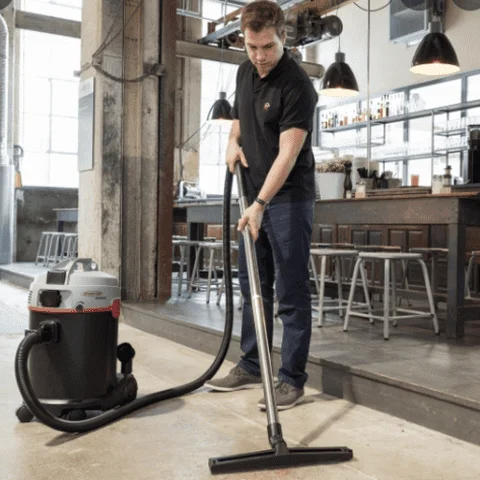
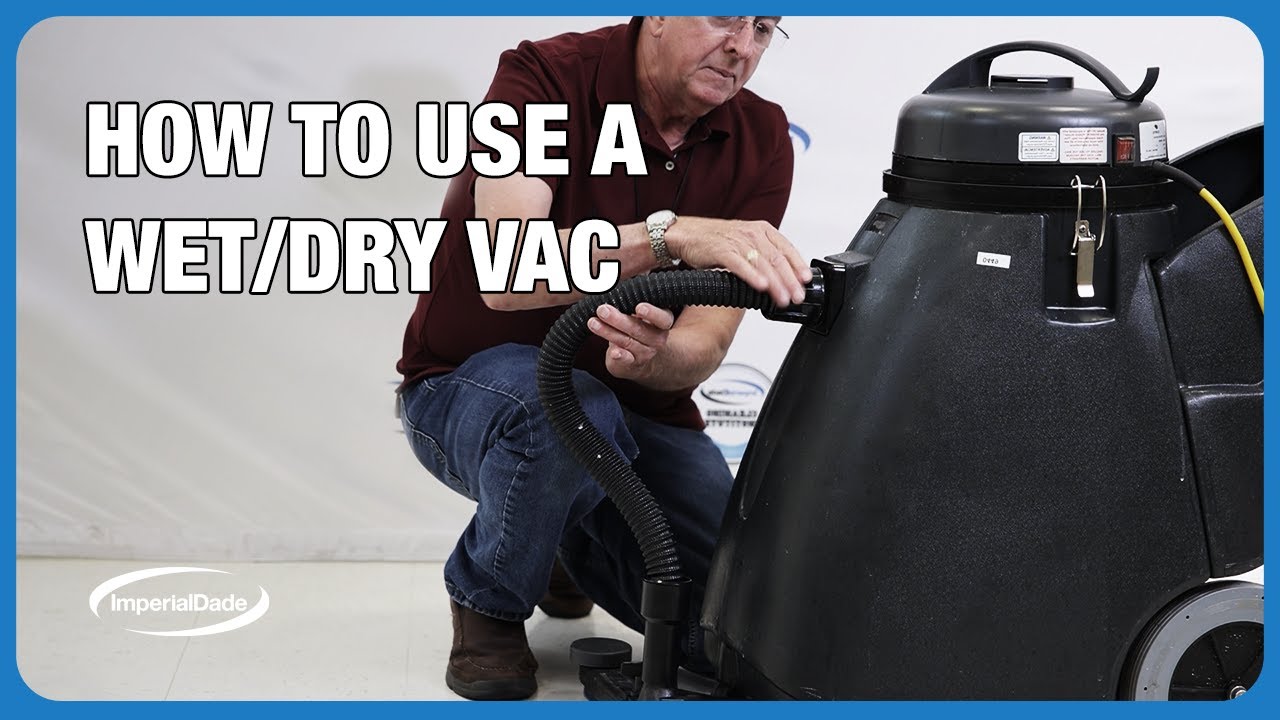
Do not vacuum water with a standard dry vacuum. Moisture can damage the motor and create an electrical hazard. Use a wet-dry vacuum only when the machine is designed for liquid pickup.
A useful habit is to clean from the farthest corner toward the door. This keeps you from walking over areas you have already cleaned.

How to Operate a Vacuum Cleaner Step by Step
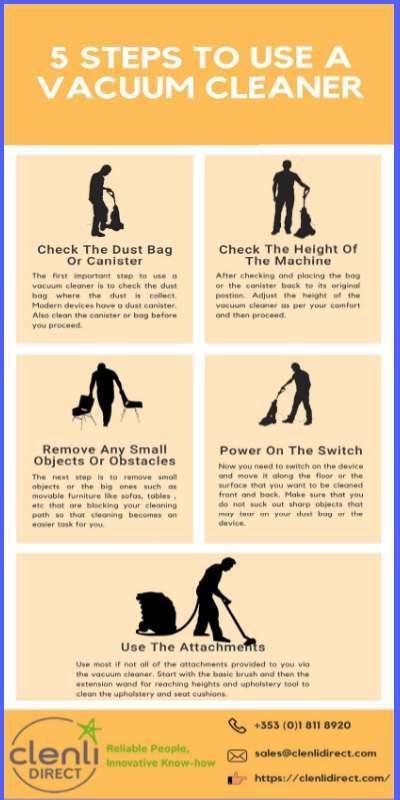
The basic steps below explain how to operate a vacuum cleaner correctly. Always follow your model’s manual if its controls differ.
1. Inspect the Vacuum
Check the power cord, plug, hose, brush roll, wheels, and dust container. Make sure the hose is connected and that no large item blocks the opening.
For a cordless vacuum, confirm that the battery has enough charge. A weak battery may reduce suction before the cleaning job is finished.
2. Choose the Correct Floor Setting
Use the bare-floor setting for tile, vinyl, laminate, stone, and hardwood. Use the carpet setting when the brush roll should agitate the carpet fibers.
A rotating brush can scratch delicate floors or scatter debris. If your vacuum has suction control, lower the suction for thin rugs, curtains, or lightweight mats.
3. Plug In or Turn On the Vacuum
Plug the vacuum into a safe wall outlet. Avoid using a damaged extension cord or forcing the plug into a loose socket.
For a cordless model, press the power button and select the needed mode. Use the lowest useful power level for routine cleaning to save battery life.
4. Hold the Handle Correctly
Keep your back straight and hold the handle comfortably. Let the vacuum do the work instead of pushing down hard.
Pressing too firmly can slow the brush roll, strain your arms, and reduce airflow. The machine should glide across the floor with steady contact.
5. Move Slowly in Overlapping Lines
Push the vacuum forward slowly, then pull it back over the same path. Overlap each pass by about one-third of the cleaning head’s width.
Move more slowly over high-traffic areas. Dust and grit often settle deep into carpet fibers, so one fast pass may not remove them.
6. Use the Attachments
Use the crevice tool for edges, corners, and gaps. Use the upholstery tool for sofas, chairs, mattresses, and curtains when the manual allows it.
A dusting brush works well on shelves, vents, lampshades, and delicate surfaces. Start with low suction on thin fabrics to prevent damage.
7. Clean Edges and Corners
Run the vacuum head close to baseboards without scraping them. Use the hose or crevice tool for tight corners.
Edges often collect hair and dust because the main cleaning head cannot reach them fully. Cleaning these areas improves the overall result.
8. Turn Off and Unplug the Machine
Switch off the vacuum before removing the hose, changing an attachment, or checking a blockage. Unplug corded machines before clearing the brush roll.
Never pull the cord to remove the plug. Hold the plug itself and store the cord without sharp bends.

How to Vacuum Different Floor Types
The best way to operate a vacuum cleaner depends on the surface. Using the wrong setting can reduce cleaning performance or damage the floor.
Carpet
Set the vacuum to the carpet mode if available. Make slow forward and backward passes, especially in hallways, entryways, and under tables.
For thick carpet, adjust the height so the vacuum does not become difficult to push. If the brush roll stops, turn off the vacuum and check for wrapped hair or a blockage.
Hardwood Floors
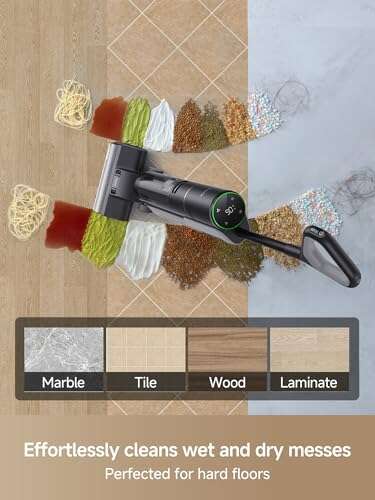
Use a hard-floor setting that stops the rotating brush when possible. A soft floor head can help prevent scratches.
Do not use a vacuum with worn wheels, exposed screws, or rough debris stuck under the head. These can mark the floor.
Tile and Stone
Vacuum loose grit before mopping. Sand and small stones can act like sandpaper when dragged across the surface.
Use a crevice tool around grout lines and along baseboards. Avoid vacuuming wet spills unless the machine is made for wet cleaning.
Laminate and Vinyl
Use low or moderate suction when needed. Avoid aggressive brush rolls and check that the cleaning head is free of trapped grit.
Do not let moisture enter the vacuum. Many laminate floors can swell when water reaches the seams.
Rugs
Secure small rugs before cleaning them. A strong brush roll may pull at loose fibers or lift the rug.
If the vacuum grabs the rug, reduce suction or use a floor tool without a rotating brush. Test a hidden area first, especially with antique or handmade rugs.

How to Use Vacuum Attachments Properly
Attachments help you clean more than floors. They also reduce the need to force the main vacuum head into areas where it does not fit.
Use the main tools in this way:
• Crevice tool: Clean narrow spaces, baseboard gaps, sofa seams, and window tracks.
• Upholstery tool: Remove crumbs, hair, and dust from fabric furniture.
• Dusting brush: Clean shelves, blinds, vents, lamps, and delicate surfaces.
• Motorized pet tool: Lift pet hair from rugs, stairs, and upholstery.
• Extension wand: Reach ceilings, high corners, and behind appliances.
• Soft floor tool: Clean hardwood, tile, vinyl, and other hard surfaces.
Before using an attachment, check the manufacturer’s instructions. Some tools are not suitable for water, fine ash, plaster dust, or delicate fabrics.
When cleaning curtains, begin at the lowest suction level. Vacuum from top to bottom and keep the tool moving so the fabric does not get pulled into the nozzle.
How to Operate a Vacuum Cleaner Safely
Safe use protects you, your home, and the vacuum. Most problems happen when people ignore cords, block airflow, or vacuum materials the machine cannot handle.
Follow these safety rules:
• Do not vacuum water with a dry vacuum.
• Do not vacuum hot ash, burning material, or glowing embers.
• Keep fingers, hair, loose clothing, and jewelry away from the brush roll.
• Unplug the machine before maintenance or blockage removal.
• Keep children and pets away from the moving brush.
• Stop using the vacuum if you smell burning or see smoke.
• Do not use a damaged cord, cracked plug, or broken hose.
• Keep air vents clear during operation.
• Do not vacuum fine construction dust unless the vacuum is rated for it.
Fine dust from drywall, cement, or fireplace ash can pass through ordinary filters and damage the motor. It may also spread tiny particles back into the air.
If you have asthma or strong dust allergies, wear a well-fitting mask during filter cleaning. Empty the dust container outdoors when practical, and wash reusable filters only as directed.
How to Empty and Clean a Vacuum
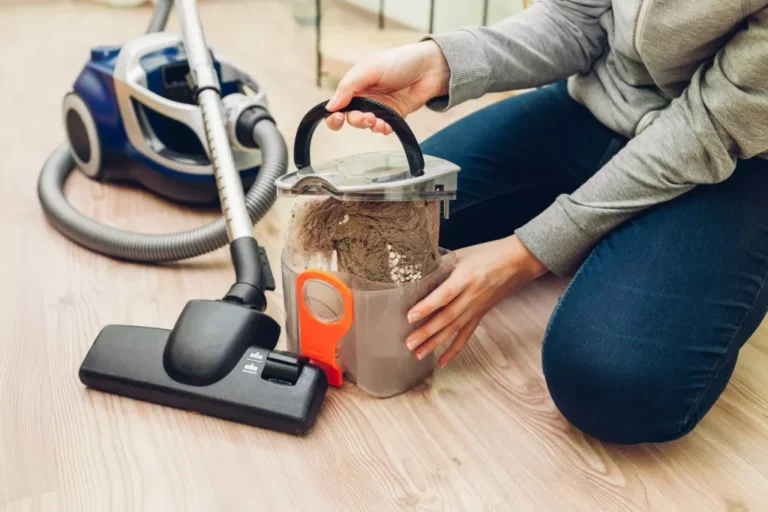
A full dust bag or dust cup can reduce airflow. Some vacuums lose suction well before the container looks completely full, so check it often.
For a bagged vacuum:
-
Turn off and unplug the machine.
-
Open the bag compartment.
-
Remove the full bag without squeezing it.
-
Seal or close the bag if it has a closure flap.
-
Install a new bag that matches the vacuum model.
-
Close the compartment firmly.
For a bagless vacuum:
-
Turn off and unplug the machine.
-
Hold the dust cup over a trash can.
-
Press the release button and empty the contents.
-
Wipe the cup if the manual permits it.