Does A Vacuum Cleaner Use A Lot Of Electricity: Cost Guide
A vacuum cleaner usually uses modest electricity, often costing only a few cents per cleaning session.
The answer to “does a vacuum cleaner use a lot of electricity” depends on its wattage, cleaning time, and local power rate. Most household vacuums use far less energy than large appliances such as clothes dryers, air conditioners, or electric water heaters. This guide explains how to measure vacuum power, estimate running costs, compare vacuum types, and reduce energy use without sacrificing cleaning quality.
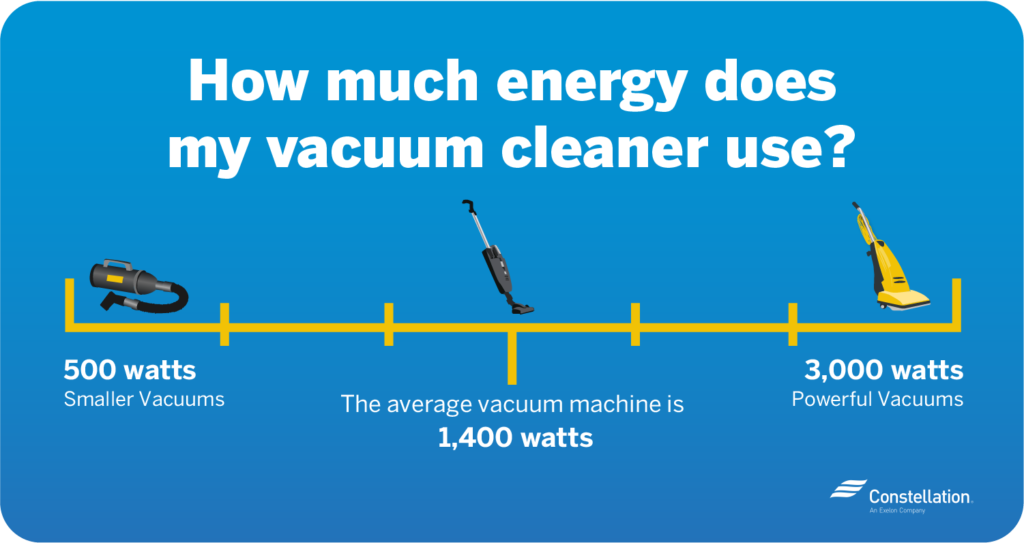
How Much Electricity Does a Vacuum Cleaner Use?
Most corded vacuum cleaners use between 500 and 1,500 watts while running. A small handheld model may use less, while a powerful upright or canister vacuum may use more.
Watts show how much power the vacuum uses at one moment. Kilowatt-hours, or kWh, show how much energy it uses over time. Your electric bill charges you for kilowatt-hours, not watts alone.
For example, a 1,000-watt vacuum uses 1 kilowatt of power. If you run it for 30 minutes, it uses about 0.5 kWh.
A simple formula can help:
Electricity used = watts ÷ 1,000 × hours of use
Here are some common examples:
• A 600-watt vacuum used for 30 minutes consumes about 0.3 kWh.
• A 1,000-watt vacuum used for 30 minutes consumes about 0.5 kWh.
• A 1,500-watt vacuum used for 30 minutes consumes about 0.75 kWh.
At an electricity rate of 16 cents per kWh, those sessions cost about 5 cents, 8 cents, and 12 cents. Rates vary by state, utility company, season, and pricing plan.
Does a Vacuum Cleaner Use a Lot of Electricity Compared With Other Appliances?
In most homes, a vacuum cleaner does not use a lot of electricity because it runs for a short time. Even a high-wattage vacuum may use less energy each month than an appliance that operates for many hours.
Consider this simple comparison:
| Appliance | Typical power | Typical use | Approximate energy |
|---|---|---|---|
| Vacuum cleaner | 1,000 watts | 30 minutes | 0.5 kWh |
| Clothes dryer | 3,000 watts | 45 minutes | 2.25 kWh |
| Window air conditioner | 1,000 watts | 8 hours | 8 kWh |
| Refrigerator | 100 to 800 watts while cycling | 24 hours | Varies widely |
| LED light bulb | 10 watts | 5 hours | 0.05 kWh |
These figures are general estimates. Actual use depends on the appliance, settings, motor efficiency, room temperature, and age.
A vacuum may have a large watt number on its label, but that does not mean it is expensive to operate. A 1,500-watt vacuum used for 15 minutes can cost less than a 60-watt fan running all day.
How to Calculate Your Vacuum Cleaner’s Electricity Cost
To find the cost of using your vacuum, you need three details:
• The vacuum’s wattage
• How long you use it
• Your electricity price per kWh
You can usually find the wattage on a label near the power cord, on the bottom of the machine, in the manual, or on the manufacturer’s product page.
Use this formula:
Cost = watts ÷ 1,000 × hours used × electricity rate
Example calculation
suppose your vacuum uses 1,200 watts. You run it for 40 minutes twice each week, and your electricity rate is 18 cents per kWh.
First, convert 40 minutes to hours:
40 ÷ 60 = 0.67 hours
Then calculate energy use:
1,200 ÷ 1,000 × 0.67 = 0.8 kWh per cleaning session
Now calculate the cost:
0.8 × $0.18 = about $0.14 per session
If you vacuum twice each week, the monthly cost is roughly:
$0.14 × 8 = $1.12 per month
This example shows why the answer to “does a vacuum cleaner use a lot of electricity” is usually no. Frequent use can add up, but the total is normally small because each session is brief.
For a more accurate reading, you can plug a corded vacuum into a household energy monitor. This device measures real-time watts and total kWh. It can reveal whether your vacuum uses less power than the label suggests.

Electricity Use by Vacuum Type
Different vacuum designs use different amounts of electricity. Motor size, suction settings, brush systems, and battery charging all affect energy use.
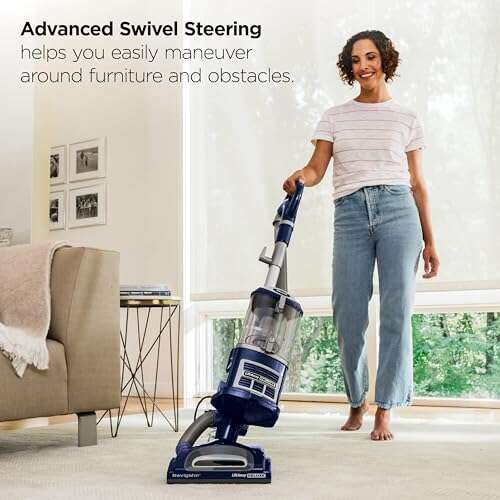
Upright vacuums
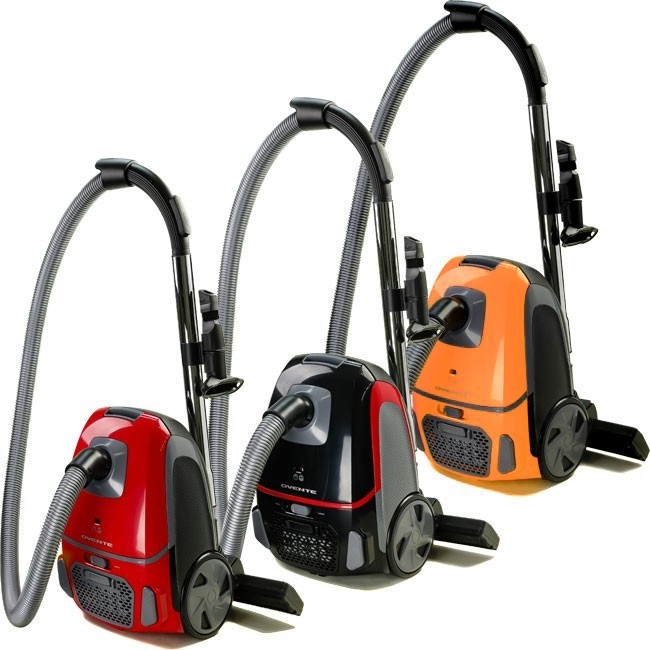
Upright vacuums often use 700 to 1,500 watts. They tend to have strong motors and powered brush rolls, so they may use more electricity than compact models.
Still, upright vacuums clean large carpeted areas quickly. Their higher wattage does not always mean higher total energy use because you may finish the job faster.
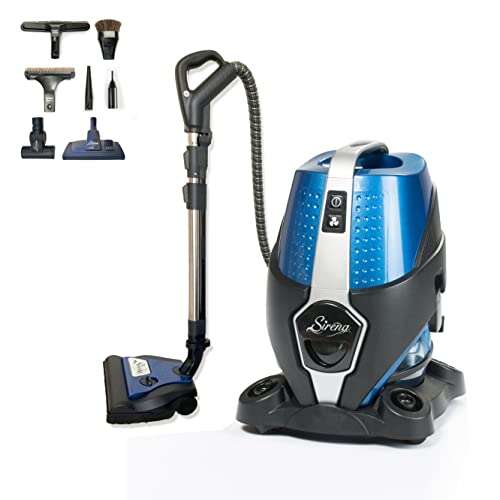
Canister vacuums
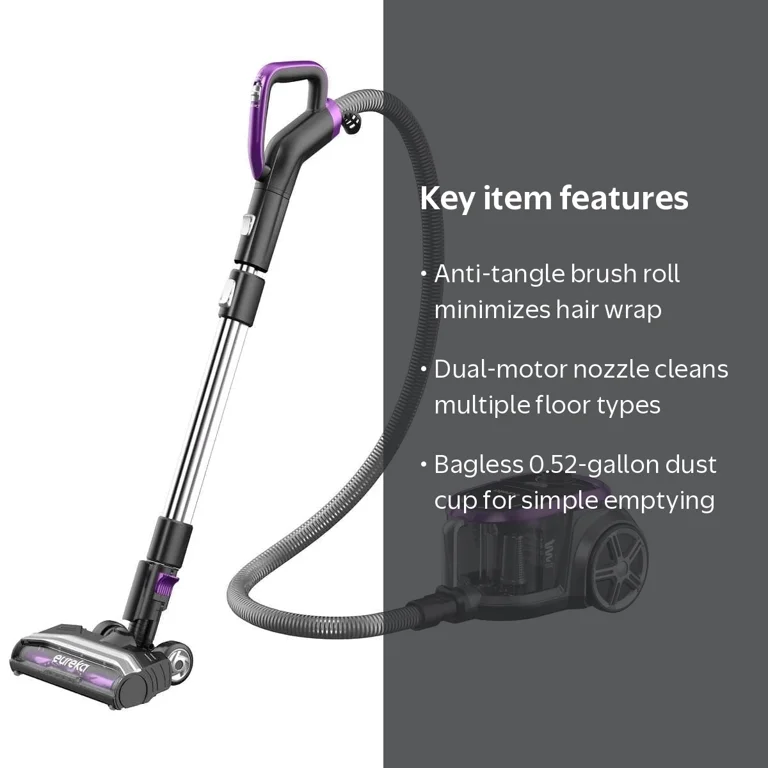
Canister vacuums commonly use 700 to 1,200 watts. Their flexible hoses and cleaning heads can make them efficient on hard floors, stairs, and furniture.
Some canister models let you adjust suction. Lower settings can reduce power use and protect delicate rugs or curtains.
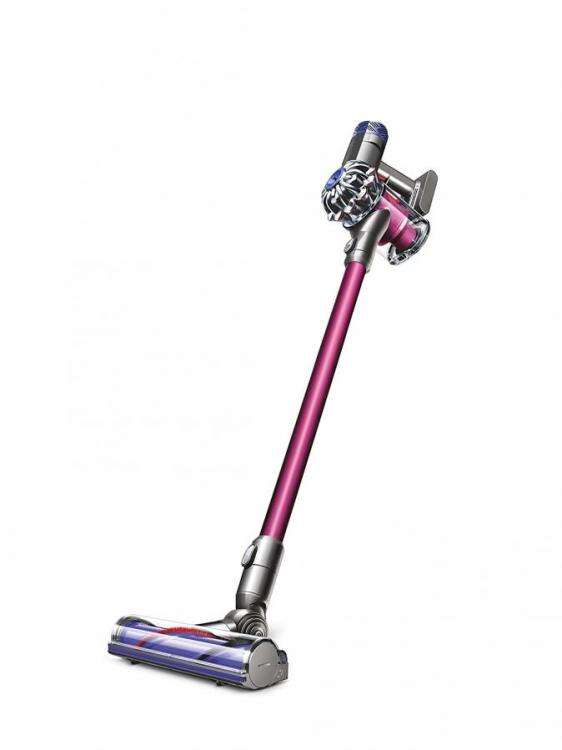
Stick vacuums
Corded stick vacuums often use less power than full-size uprights. Their lighter design makes them useful for quick daily cleaning.
Cordless stick vacuums do not draw power from the wall while cleaning. Instead, they use a rechargeable battery and consume electricity when the battery charges.
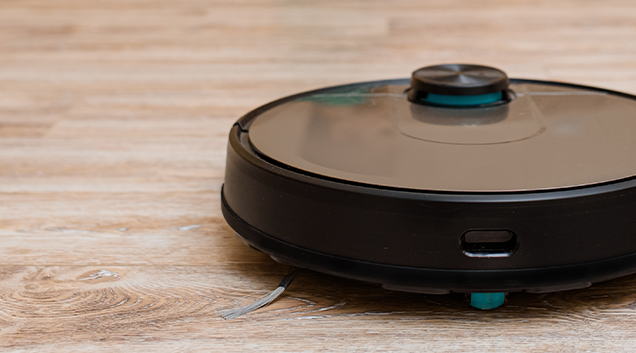
Robot vacuums
Robot vacuums usually have low charging power. The robot itself may use only a small amount while docked, although it can remain connected for much of the day.
A robot vacuum also uses electricity for navigation, sensors, and automatic emptying. Models with self-emptying docks may use more energy than basic robot vacuums.
Handheld vacuums
Handheld vacuums usually use a small battery or low-power motor. They run for short periods, so their total electricity use is often very low.
The main energy concern is not the short cleaning cycle. It is the repeated charging of the battery over many years, though that cost is still generally modest.
Corded vs. Cordless Vacuum Energy Use
A corded vacuum uses electricity directly from a wall outlet. Its power draw is easy to estimate because the motor runs at a fairly steady rate.
A cordless vacuum stores energy in a battery. Its charger draws power from the outlet, but the amount varies based on battery size, charging time, charger efficiency, and whether the battery is full.
For example, a cordless battery rated at 60 watt-hours uses about 0.06 kWh for one full charge before charging losses. With an electricity rate of 16 cents per kWh, that charge costs less than 1 cent.
Real charging costs may be slightly higher because chargers are not perfectly efficient. The dock may also use a small amount of standby power.
Cordless models can be more energy-efficient for quick cleanups. However, a corded model may be more practical for long cleaning sessions because it does not need battery charging or replacement.
Which type is more efficient?
There is no single winner for every home.
• Choose a cordless vacuum for quick spills, stairs, and small apartments.
• Choose a corded vacuum for large homes, thick carpets, and long cleaning sessions.
• Choose a robot vacuum if regular light cleaning reduces the need for long manual sessions.
The best choice is the vacuum that completes the job quickly and suits your floors. A vacuum that uses slightly more power but cleans twice as fast may use less total energy than a weaker vacuum.

What Affects a Vacuum Cleaner’s Energy Consumption?
Several factors determine whether a vacuum uses a little or a lot of electricity.
Motor wattage
A larger motor often draws more power. However, wattage does not perfectly measure cleaning performance. Airflow, suction design, seals, filters, and brush action also matter.
A well-designed 900-watt vacuum may clean better than an older 1,400-watt model.
Cleaning time
Time is one of the most important factors. If you use a 1,200-watt vacuum for 20 minutes, it may use less energy than a 700-watt vacuum that takes an hour to finish the same area.
Floor type
Carpet can require more effort than smooth flooring. A powered brush roll may use extra energy, especially on thick carpet.
Hard floors often need less suction and less brush action. Using the correct floor setting can reduce energy use and improve cleaning.
Blocked filters
A clogged filter can reduce airflow and make the motor work harder. The vacuum may clean poorly, forcing you to make more passes.
Cleaning or replacing filters helps the machine maintain airflow. It can also protect the motor from overheating.
Full bags or dust bins
A full bag or dust bin can limit airflow. Some bagless vacuums lose performance as the bin fills, while others maintain stronger airflow.
Empty the bin before it becomes packed. Replace disposable bags when they are full rather than continuing to run the vacuum at reduced performance.
Age and condition
Older vacuums may have worn belts, damaged seals, dirty brush rolls, or aging motors. These problems can reduce cleaning efficiency.
Routine care does not always lower the rated wattage. It helps the vacuum finish the job with fewer passes, which can reduce total energy use.
How to Reduce Vacuum Cleaner Electricity Use
You do not need to avoid vacuuming to save energy. Small habits can lower running time and help your machine work better.