Do Self Cleaning Vacuums Work: Honest Results Guide
Yes, self cleaning vacuums work, but they clean brushes and bins—not every part of the vacuum.
If you are wondering, “do self cleaning vacuums work,” the honest answer is yes, with clear limits. Modern robot vacuums can remove hair from brush rolls, empty dust into a base, rinse mop pads, and dry them with warm air. However, these features reduce routine care rather than remove it completely. This guide explains how self cleaning vacuums work, what they clean, where they fall short, and how to choose one that fits your home.
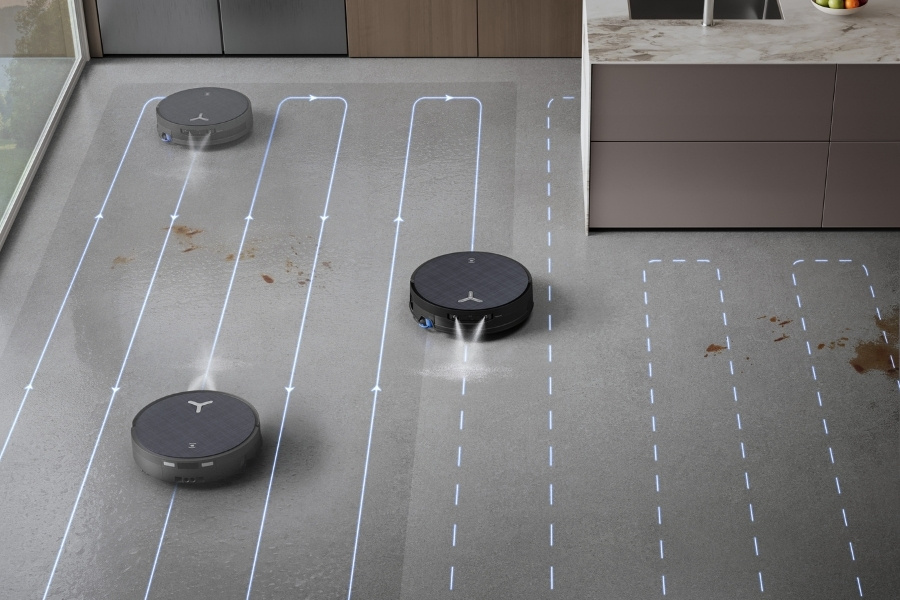
How do self cleaning vacuums work?
To understand do self cleaning vacuums work, it helps to define what “self cleaning” means. A vacuum does not wash every internal part by itself. Instead, it uses special systems that handle one or more common chores.
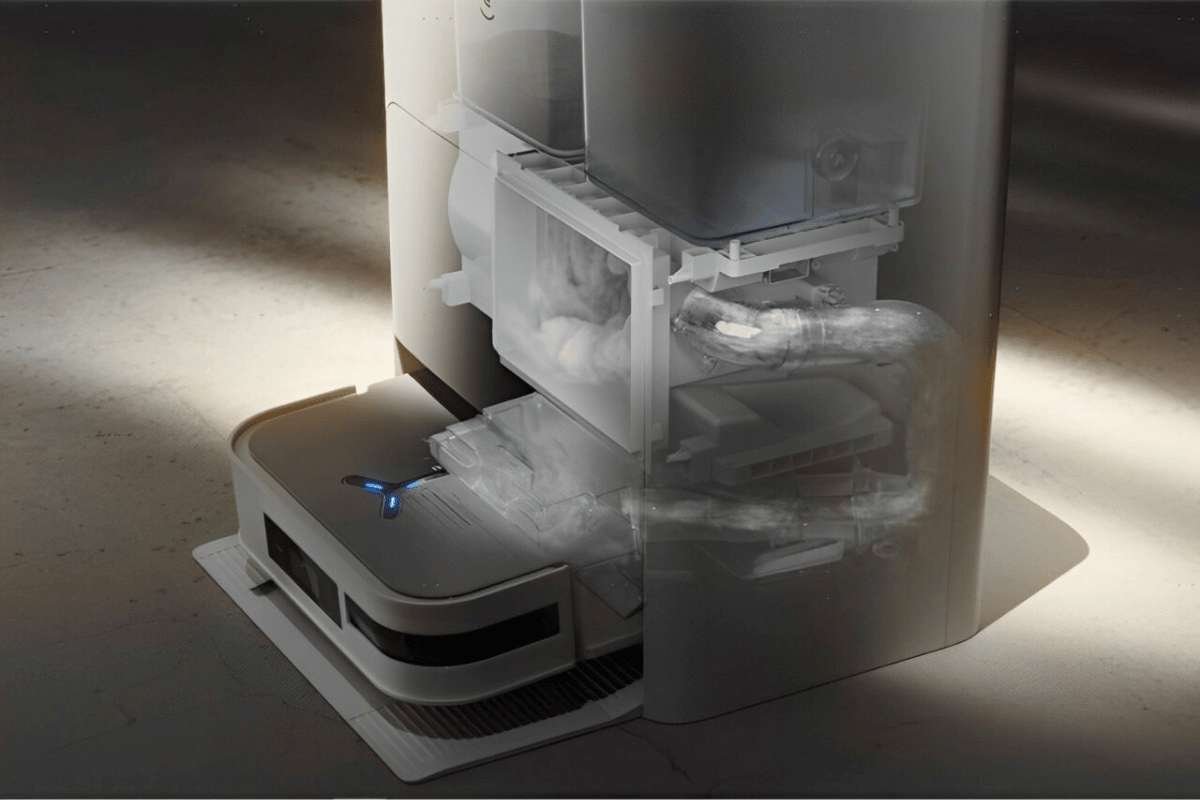
Most self cleaning vacuums use a charging station with extra parts. Depending on the model, the dock may:
• Empty dirt from the robot into a larger bag or bin
• Cut or remove hair from the brush roll
• Wash mop pads with clean water
• Dry wet mop pads with warm air
• Refill the robot’s water tank
• Clean the base station with a rinse cycle
The robot still needs power, sensors, wheels, filters, and a working brush. Think of the system like a dishwasher. It handles much of the dirty work, but you still need to load it, add supplies, and clean the dishwasher itself.
The phrase do self cleaning vacuums work can mean different things to different shoppers. Some people mean a robot that empties its dust bin. Others mean a vacuum that cleans its brush roll or washes its mop pads. Always check the exact feature list before buying.
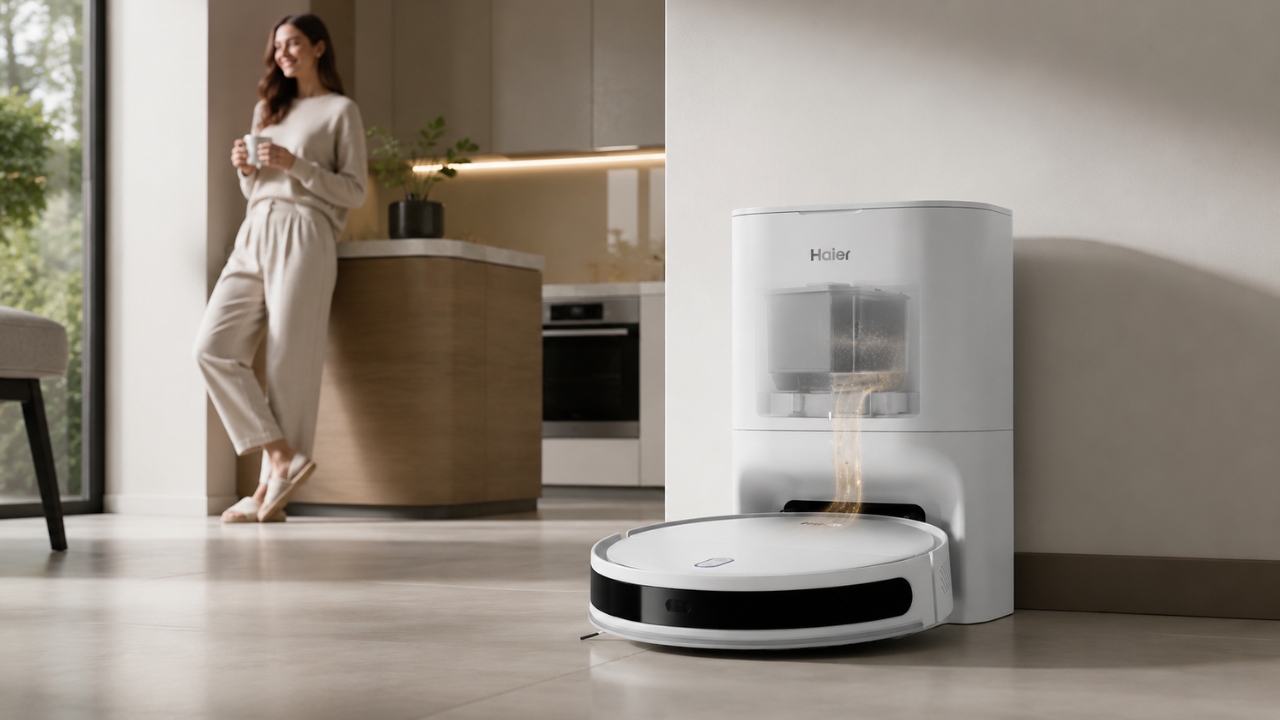
What parts can a self cleaning vacuum clean?
A self cleaning vacuum usually cleans the parts that collect the most dirt. It does not always clean the parts that need the most careful maintenance.
Brush roll cleaning
Hair often wraps around a vacuum brush. Many newer robots use a special comb, scraper, or cutting blade in the dock. This tool removes hair when the robot returns to charge.
Some brush rolls also use a tangle resistant design. These rolls guide long hair toward the suction path instead of letting it wrap around the center. This design helps, but it is not perfect. Long pet hair, string, and carpet fibers may still need manual removal.
Dust bin emptying
A self emptying dock pulls dirt from the robot’s small dust bin. It stores that dirt in a larger disposable bag or reusable container.
This feature works well for daily dust, crumbs, and pet hair. It also helps people with allergies because the dock can seal much of the collected dust inside a bag. Still, fine dust can escape if you open the bin carelessly or fail to replace a full bag.
Mop pad washing
Robot vacuum and mop models can return to the dock after cleaning. The dock sprays clean water onto the pads and collects the dirty water in a separate tank.
Premium models may use warm water, spinning pads, or strong jets. These features can remove surface grime better than a basic rinse. Even so, the dock’s wash tray can develop odors if you do not rinse and dry it often.
Mop pad drying
Wet pads can smell like a damp towel. Many docks use heated air to dry them after washing.
Drying helps reduce odor and limits the growth of bacteria and mold. It does not make the pads permanently clean. You should still inspect them and replace them when they become worn or stained.
Filter care
This is where many buyers misunderstand do self cleaning vacuums work. Most robot vacuums do not fully clean their filters.
A dock may pull some dust from the robot’s bin, but it usually does not wash or restore the filter. You still need to tap out, wash, or replace the filter as the manual directs. A clogged filter can lower suction and make the motor work harder.
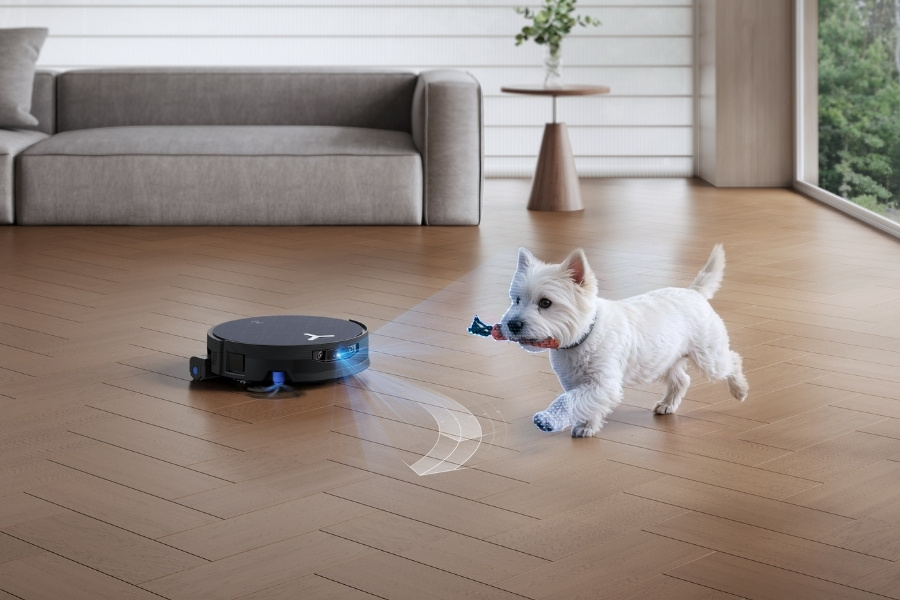
Do self cleaning vacuums work well with pet hair?
Do self cleaning vacuums work well with pet hair? They can, but results depend on the floor, pet, and vacuum design.
A strong robot with a rubber brush, good airflow, and a self emptying dock can handle daily fur. It may collect hair from hardwood, tile, and low pile rugs with little trouble. Homes with several pets may need a larger dock bag and more frequent filter care.
Pet hair causes problems when it mixes with moisture, dust, or long carpet fibers. This mixture can form a tight mat around the brush. A brush cleaning system may remove loose hair but leave a dense clump behind.
For better results:
• Run the robot often instead of waiting for a thick layer of fur
• Choose a model with a rubber or anti tangle brush
• Use a dock with a sealed, large capacity bag
• Check the brush ends once a week
• Keep water and pet accidents away from the robot
In hands on testing, a common mistake is assuming the vacuum can handle every pet mess. No robot should clean wet food, vomit, feces, or a large spill. These materials can spread through the brush and create a costly repair.

Do self cleaning vacuums work on carpets and hard floors?
Do self cleaning vacuums work on carpets and hard floors? Yes, but each surface brings different challenges.
On hard floors, the robot can collect dust, crumbs, hair, and grit. Side brushes push debris from edges into the main brush. A good navigation system also helps the robot cover the room without repeating the same path too often.
Carpet requires stronger suction and a brush that can lift particles from the fibers. Low pile carpet is usually easier for robot vacuums. Thick shag rugs can slow the robot, trap the brush, or block its sensors.
Mop systems also need care around carpets. Better models lift the mop pad or avoid carpeted rooms. Basic models may leave a wet mark if you do not set a no mop zone.
Before buying, check these features:
• Carpet boost mode
• Automatic mop lifting
• Room mapping
• No go zones
• Edge cleaning
• Adjustable water flow
• A brush designed for long hair
No vacuum performs perfectly on every floor. A robot is best viewed as a daily maintenance tool. You may still need a full size upright or canister vacuum for deep carpet cleaning.

Benefits of self cleaning vacuums
The strongest benefit is time. A robot can clean while you work, sleep, or run errands. The dock then handles much of the cleanup after the robot finishes.
Do self cleaning vacuums work especially well for busy households? Yes, because they reduce small daily tasks. A person who skips vacuuming during the week may notice a major improvement when the robot runs on a schedule.
Other benefits include:
• Less daily contact with dust
• Fewer trips to an outdoor trash can
• Cleaner floors between deep cleaning sessions
• Better help with pet hair
• More consistent cleaning for homes with children
• Easier mop maintenance
• Smart scheduling through a phone app
Some models also recognize objects. They may avoid cords, socks, shoes, and pet bowls. This can reduce interruptions, but object recognition is not perfect. A robot can still become stuck under furniture or pull a charging cable from a wall.
For people with limited mobility, a self cleaning dock can offer real practical value. It does not replace all housework, but it can make floor care easier and safer.

Limitations and problems to expect
Do self cleaning vacuums work without any maintenance? No. The marketing term can make the machines sound more independent than they are.
The dock needs space. It may be wide, tall, or deep. You also need room to remove the dirty water tank and replace the dust bag. A crowded corner can make normal care frustrating.
Common limits include:
• The dock can be loud while emptying the bin
• Dust bags create an ongoing cost
• Water tanks need regular filling and draining
• The base station can smell if it stays damp
• Brushes can still collect hair
• Filters still need cleaning or replacement
• Small objects can block the robot
• Deep carpet cleaning may be weaker than an upright vacuum