How To Clean Vacuum Cleaner Filter To Improve Suction: Fast
Remove the filter, tap out dust, rinse washable filters, and dry fully to restore suction power.
I’ve spent years fixing vacuums and training owners on simple upkeep. This guide shows exactly how to clean vacuum cleaner filter to improve suction power, step by step. You’ll learn when cleaning helps, when to replace, and pro tips that save time and money. Read on for easy, tested methods that actually restore airflow and extend your machine’s life.

Why suction drops and the role of the filter
A vacuum loses suction mostly because airflow is blocked. The filter sits in the air path. When it is full or clogged, air can’t flow freely and the motor works harder. Knowing how to clean vacuum cleaner filter to improve suction power is the fastest fix for many cleaning problems.
Filters also protect the motor and indoor air. A dirty filter lets dust get past or chokes the motor, causing overheating or reduced lifespan. Regular filter care keeps the vacuum running strong and your home cleaner.

Signs your filter needs cleaning
If you notice any of these signs, check the filter now:
- Less pickup on carpet and hard floors.
- Extended runtime with poor performance.
- A burning or musty smell during use.
- Visible dust buildup or a gray filter color.
These signs mean it’s time to learn how to clean vacuum cleaner filter to improve suction power. Don’t wait until the motor shows damage.

What you need: tools, safety, and prep
Keep these simple items on hand:
- Soft brush or old toothbrush for dust.
- Mild dish soap for washable foam or plastic filters.
- A basin or sink, and a towel for drying.
- A vacuum parts brush or compressed air for dry cleaning.
- Gloves and a mask if you have allergies.
Always unplug the vacuum and consult the manual before removing parts. Some HEPA filters are delicate and require special care. Following the manual prevents accidental damage when you clean vacuum cleaner filter to improve suction power.
Step-by-step: how to clean vacuum cleaner filter to improve suction power (washable filters)
This method applies to foam, sponge, and some plastic washable filters.
- Turn off and unplug the vacuum. Remove the dust bin or bag and access the filter.
- Tap gently over a trash bin to remove large debris. This prevents extra mess.
- Rinse the filter under cool running water until water runs clear. Avoid hot water; it can warp foam.
- For heavy grime, soak 10–15 minutes in warm water with a few drops of dish soap, then rinse.
- Squeeze out excess water with a towel and air dry completely for 24 hours before reinstalling.
When you follow these steps for how to clean vacuum cleaner filter to improve suction power, you restore air paths and reduce motor strain. Never run the vacuum with a damp filter.

Cleaning non-washable and HEPA filters
Some filters can’t get wet. Handle these differently.
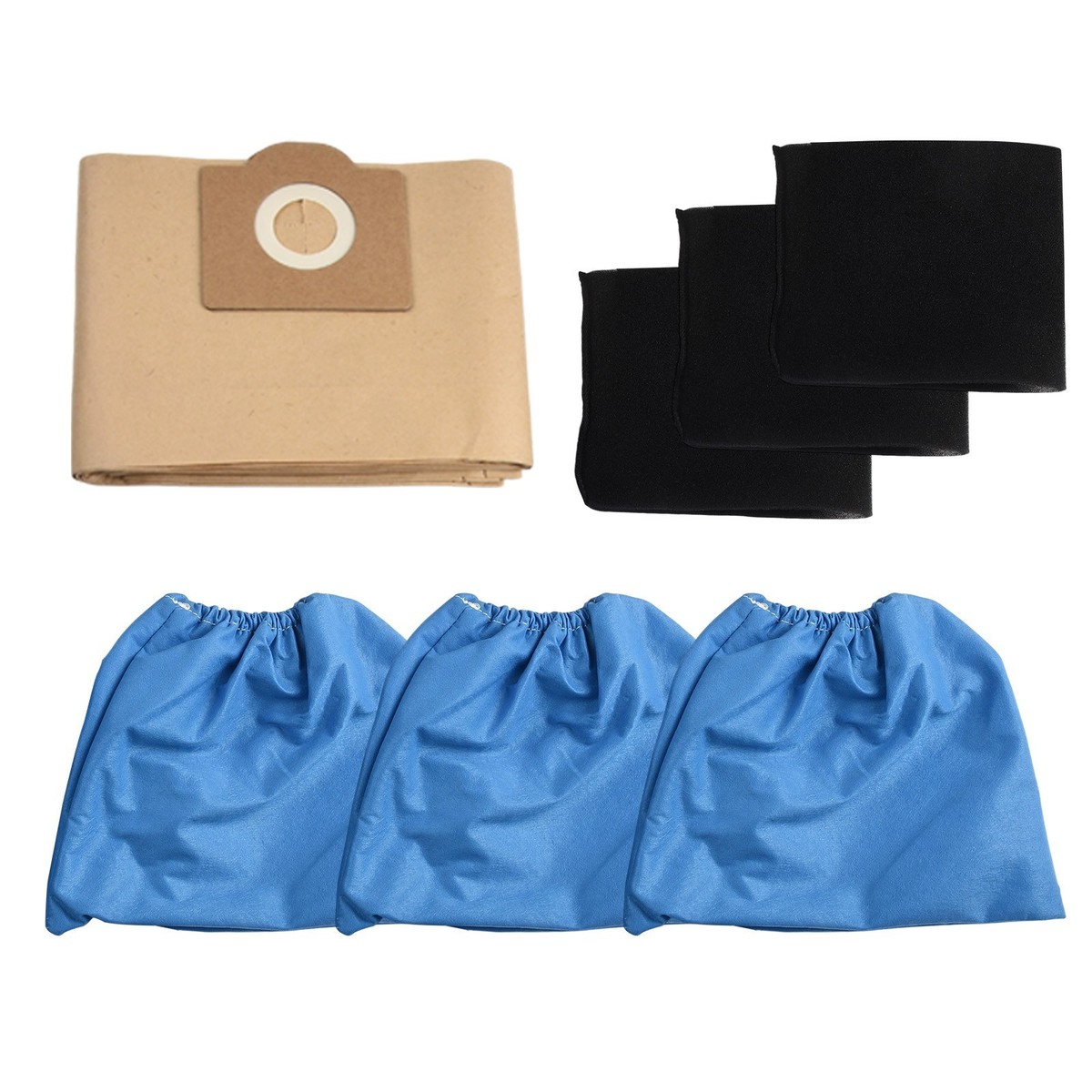
- Dry HEPA and paper filters: Tap out outdoors and use a soft brush or low-pressure compressed air to remove dust.
- Replace when clogged: If brushing and tapping don’t improve airflow, replace the filter. HEPA materials lose efficiency with age.
- Washable HEPA variants: Only rinse if the manual allows it, then air dry fully.
Knowing whether your filter is washable matters. Mistreating a non-washable filter can ruin filtration, so always check instructions when you clean vacuum cleaner filter to improve suction power.
Deep cleaning, replacement schedule, and storage
Deep cleaning and timely replacement keep performance high.
- Replace paper filters every 3 months with heavy use; washable filters every 6–12 months depending on condition.
- Replace HEPA filters per manufacturer recommendation, often every 6–12 months for regular use.
- Store spare filters in a dry, dust-free bag to keep them ready.
I once delayed replacing an HEPA filter for a year. Performance dropped and dust blew past the unit. Replacing it returned suction immediately. This shows why knowing how to clean vacuum cleaner filter to improve suction power is only part of the story—timely replacement matters too.
Extra steps to restore suction beyond the filter
Cleaning the filter helps most, but check these areas too:
- Dust bin or bag: Empty or replace it. A full bin blocks airflow.
- Hose and wand: Clear clogs by running a broom handle through, or rinse if washable.
- Brush roll: Remove hair and fibers from bristles and bearings.
- Seals and gaskets: Inspect for gaps that leak air.
Combine these fixes with filter care for the best results when you clean vacuum cleaner filter to improve suction power.
Common mistakes and troubleshooting
Avoid these errors:
- Running the vacuum with a wet filter — this can damage the motor.
- Using hot water on foam filters — hot water distorts shape and fit.
- Overusing compressed air on HEPA filters — it can damage fibers.
- Waiting too long to replace non-washable filters — performance never fully returns.
If suction does not improve after cleaning, test airflow at the hose. If the motor sounds labored or overheats, stop use and consult a technician.

Quick common questions (PAA-style)
How often should I clean the filter?
For most homes, clean a washable filter monthly and dry-clean non-washable filters every 1–3 months. Increase frequency if you have pets.
Will cleaning a filter fix all suction problems?
No. Cleaning helps most clogs, but blockages, broken seals, or motor issues also reduce suction.
Can I use a dishwasher to clean filters?
No. Dishwashers use heat and harsh detergents that can damage filters. Stick to hand washing or dry cleaning as instructed.
Frequently Asked Questions of how to clean vacuum cleaner filter to improve suction power
What is the simplest way to improve vacuum suction?
Empty the dust bin and clean or replace the filter. These two steps restore the largest portion of lost suction quickly.
How long should a washable filter dry before putting it back?
Air dry for 24 hours or until fully dry to the touch. Installing a damp filter can harm the motor.
Can vacuum filters be reused forever if washed?
No. Washable filters wear down. Replace them if fibers break down, if the shape changes, or if they no longer trap dust well.
Does filter type affect air quality?
Yes. HEPA filters trap very small particles and improve indoor air quality more than basic foam or paper filters.
How do I know if the filter is the problem, not the motor?
Remove the filter and test suction briefly (follow safety guidelines in the manual). If suction returns with the filter out, the filter is the issue. If not, the motor or airflow path likely needs professional attention.
Conclusion
Cleaning and caring for your vacuum filter is a fast, effective way to restore suction and protect your machine. Follow the clear steps here for washable and non-washable filters, check related parts like the hose and brush roll, and replace filters on schedule. Start today: inspect your filter, perform the recommended cleaning, and note the improvement. Share what worked for you or ask a question below—your next clean will be easier and more effective.

Liora Pennings is a seasoned chef and kitchen enthusiast with a passion for turning everyday cooking into an effortless experience. With years of hands-on culinary expertise, she specializes in practical techniques, ingredient know-how, and smart kitchen solutions that help home cooks elevate their meals. At KitchFlair.com, Liora shares her best tips, time-saving tricks, and honest product reviews to guide readers toward a more efficient, enjoyable, and inspired cooking routine. Whether you’re a beginner or a seasoned home chef, Liora’s friendly, knowledge-packed insights make every visit to the kitchen a little easier—and a lot more delicious.