How To Clean Vacuum Cleaner Filter: Easy Step Guide
Most vacuum cleaner filters need gentle cleaning, complete drying, and regular replacement to keep suction strong.
Learning how to clean vacuum cleaner filter parts is one of the simplest ways to improve airflow, reduce dust, and protect your machine. The right method depends on whether your filter is washable, foam, pleated, cartridge-style, or HEPA. This guide explains each step clearly, including common mistakes that can damage the filter or motor.
Why Cleaning Your Vacuum Filter Matters
A vacuum filter catches dust, hair, pollen, and fine particles before they reach the motor or return to the room. Over time, this debris forms a dense layer that blocks airflow. The vacuum may then lose suction, run hot, smell dusty, or make unusual sounds.
A dirty filter can also reduce cleaning performance. Instead of lifting dirt from carpets and floors, the vacuum may push air around the debris. In some models, a blocked filter can strain the motor and shorten the machine’s service life.
Regular filter care offers several benefits:
• Stronger suction and better floor cleaning
• Less dust released through the exhaust
• Lower risk of motor overheating
• Fewer musty or dusty smells
• Longer filter and vacuum life
• Better control of allergens in the home
A clean filter will not fix every vacuum problem. A full dust bin, clogged hose, worn brush roll, or cracked seal can also reduce suction. Still, the filter is one of the first parts worth checking.

Identify Your Vacuum Filter Type
Before learning how to clean vacuum cleaner filter parts, check your owner’s manual. The manual will tell you where each filter sits and whether it can be washed. This small step prevents one of the most common errors: washing a filter that should stay dry.
Most household vacuums use one or more of these filter types.
Foam filters
Foam filters are common in canister, upright, and wet-dry vacuums. Many foam filters are washable. They usually sit near the dust cup, motor, or air intake.
Pleated paper or cartridge filters
These filters have folded paper or synthetic material inside a plastic frame. Some are washable, but many are designed for dry cleaning only. Never soak a pleated filter unless the manufacturer says it is washable.
HEPA filters
HEPA filters capture very small particles. Some are washable, while others must be replaced. A washable HEPA filter often has a clear label or a washable symbol. If the manual says “replace,” do not rinse it.
Pre-motor filters
A pre-motor filter protects the vacuum motor from dust. It may be made of foam, felt, or a pleated material. A clogged pre-motor filter often causes weak suction and overheating.
Post-motor or exhaust filters
This filter cleans air before it leaves the vacuum. It is often located behind a grille. Post-motor filters are frequently replaceable, and some should never be washed.
Look for these clues:
• A washable filter may have a water symbol or clear washing instructions.
• A replacement-only filter may say “do not wash” or “replace.”
• A filter that is torn, crushed, warped, or permanently gray should usually be replaced.

What You Need Before You Start
Gather your supplies before opening the vacuum. Cleaning a filter can release a cloud of fine dust, so choose an outdoor area or a well-ventilated spot when possible.
You may need:
• A clean, dry towel
• A soft brush or old toothbrush
• A trash bag
• Cool or lukewarm water
• Mild dish soap, only if the manual permits it
• A replacement filter, if the old one is damaged
Avoid strong cleaners, bleach, solvents, and hot water. These products can weaken filter fibers, leave harmful residue, or change the filter’s shape.
Always unplug a corded vacuum before removing the filter. For a cordless vacuum, turn it off and remove the battery if the design allows it. Never clean a filter while the machine is running.
How to Clean Vacuum Cleaner Filter Step by Step
The basic process is simple, but careful handling matters. A filter is more like a fine net than a hard part. Rough brushing or high water pressure can create tiny gaps that let dust pass through.
1. Turn off and unplug the vacuum
Disconnect the vacuum from power. Move it to a clear work area. If the vacuum was running, let it cool for a few minutes before opening it.
2. Remove the dust bin or cover
Open the dust cup, bag compartment, or filter door. Follow the arrows or release buttons. Do not force the cover because plastic clips can break.
3. Remove the filter carefully
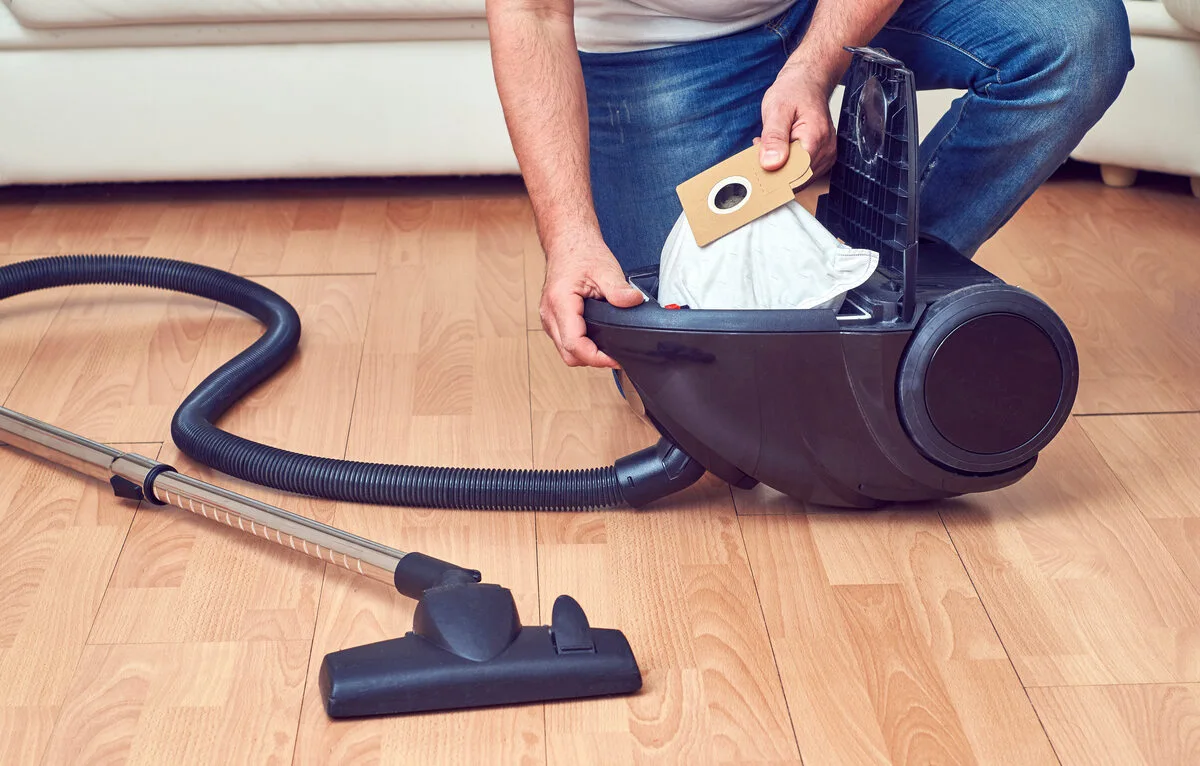
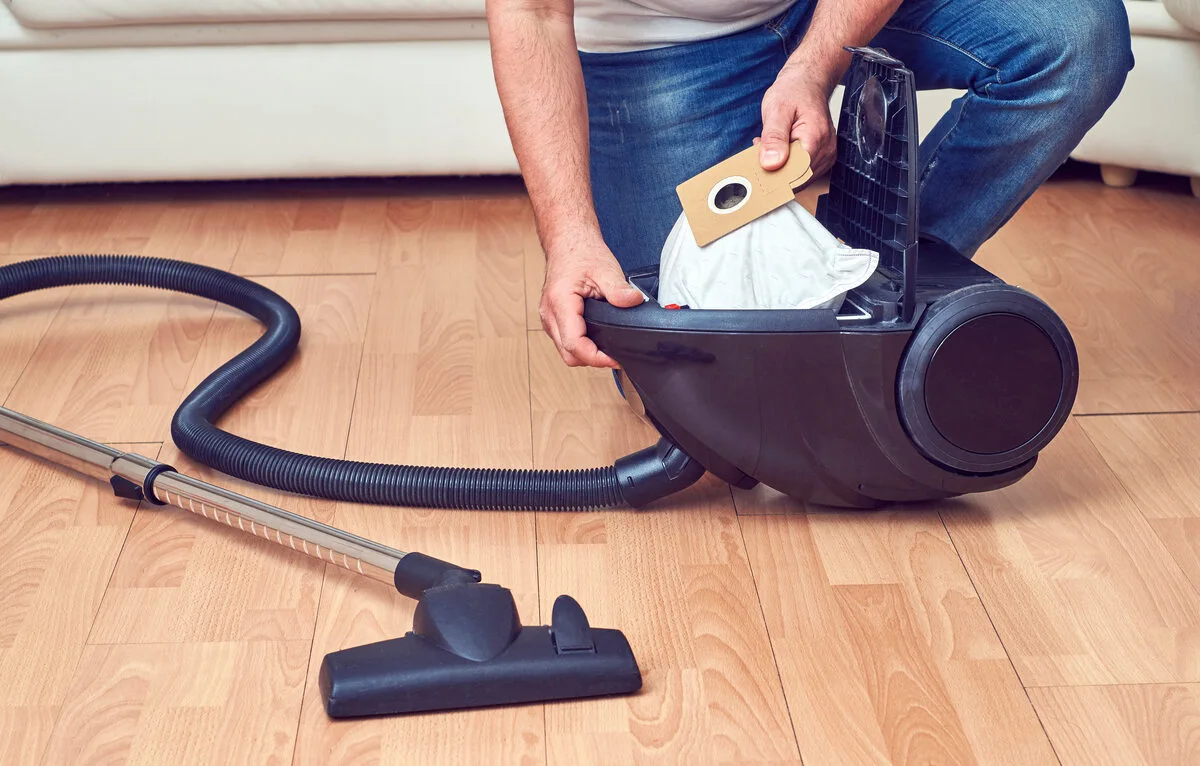
Hold the filter over a trash bag. Tap it gently to release loose dust. Do not shake it hard indoors, especially if anyone in the home has asthma or dust allergies.
4. Check the cleaning instructions
Look for a washable label. If the filter is not washable, use a soft brush or gently tap it outdoors. Never use compressed air unless the manufacturer permits it, because strong air can damage filter layers.
5. Rinse a washable filter
Place the filter under cool or lukewarm running water. Rinse from the clean side toward the dirty side when the filter design makes this possible. This helps push trapped dust out instead of driving it deeper into the filter.
Use your fingers to squeeze a foam filter gently. Do not twist, wring, or scrub it aggressively. For a pleated washable filter, let water flow through the pleats without flattening them.
6. Use mild soap only when allowed
If the manual permits soap, use a small amount of mild dish soap. Rinse very well until the water runs clear and no bubbles remain.
Soap left inside the filter can attract dust and create a sticky film. It may also produce a smell when the vacuum runs.
7. Dry the filter completely
Press the filter between clean towels to remove extra water. Then place it in a warm, dry area with good airflow.
Most washable filters need at least 24 hours to dry. Thick foam filters may need longer. Never use a hair dryer, heater, clothes dryer, or direct high heat. Heat can shrink foam, warp plastic, or damage filter glue.
8. Inspect the dry filter
Check the filter for holes, tears, loose seams, crushed pleats, or a sour smell. A filter that still looks blocked after washing may be too old to clean effectively.
9. Reinstall the filter correctly
Place the filter back in its original position. Make sure it sits flat and seals around the edges. A small gap can allow unfiltered dust to reach the motor.
10. Reassemble the vacuum
Replace the dust bin, cover, bag, and filter door. Run the vacuum for a few seconds and listen for unusual sounds. If suction remains weak, inspect the hose, brush roll, dust bin, and seals.
These steps explain how to clean vacuum cleaner filter components safely in most household models. However, your model’s manual always takes priority over general advice.
:max_bytes(150000):strip_icc()/how-to-clean-a-vacuum-filter-5217137-06-5b4834b69db34abfa2c0a980f363f509.jpg)
How to Clean a Dry-Only Filter
Some filters must stay dry. These include many paper, felt, and non-washable cartridge filters. Water can cause them to swell, tear, or lose their shape.
To clean a dry-only filter:
-
Turn off and unplug the vacuum.
-
Remove the filter outdoors or over a trash bag.
-
Tap the filter gently against a hard surface.
-
Use a soft brush to loosen surface dust.
-
Brush in the direction of the pleats, not across them.
-
Inspect the filter under bright light.
-
Replace it if dust remains deeply embedded or the material looks damaged.
Do not use a household vacuum to clean the dirty filter unless the filter maker specifically allows it. Fine dust can pass through one filter and contaminate the second vacuum.
Do not wash a dry-only filter to save money. A replacement filter is usually less costly than a damaged motor or a room filled with escaped dust.
:max_bytes(150000):strip_icc()/how-to-clean-a-vacuum-filter-5217137-04-8da1b28a6a6d4b36af8215294813b38a.jpg)
How to Clean a Washable HEPA Filter
A washable HEPA filter needs gentle care. First, confirm that the filter is labeled washable. A standard HEPA filter and a washable HEPA filter are not the same thing.
Rinse the filter with cool water. Avoid brushes on the filter surface because the fine media can tear. Do not use soap unless the manual specifically permits it.
Let the filter air-dry fully. Depending on its thickness and room humidity, this may take 24 to 48 hours. Reinstalling a damp HEPA filter can cause a musty odor and may allow moisture to reach electrical parts.
A washable filter may still need replacement. If it has a permanent odor, damaged pleats, a loose frame, or poor airflow after cleaning, install a new one.

How Often Should You Clean a Vacuum Filter?
Cleaning frequency depends on the vacuum, floor type, home size, and amount of dirt. A home with pets, children, remodeling dust, or high foot traffic usually needs more frequent filter care.
As a general guide:
• Check the filter after every few uses if you have pets.
• Clean a washable pre-motor filter every one to three months.
• Check the filter monthly in homes with allergies or heavy dust.
• Replace non-washable filters according to the manual.
• Inspect the filter immediately after vacuuming fine powder, fireplace ash, drywall dust, or soil.
A filter indicator light is useful, but it is not perfect. Some vacuums measure airflow, while others use a timer. A filter can become dirty before the light turns on.
Your vacuum’s performance also provides clues. Weak suction, a hot motor, a dusty smell, or a change in sound may mean the filter needs attention.

Common Mistakes to Avoid
Most filter damage comes from rushing. The cleaning itself takes only a few minutes, but drying and careful inspection are essential.
Avoid these mistakes:
• Washing a filter that is marked dry-only
• Reinstalling a damp filter
• Scrubbing pleated material with a stiff brush
• Using bleach or strong chemical cleaners
• Applying heat to speed up drying
• Running the vacuum without its filter
• Forcing the filter into the wrong position
• Ignoring tears or gaps around the frame
• Cleaning fine dust inside a closed room
Running a vacuum without its filter may seem like a fast way to improve suction. It is not. Dust can enter the motor, escape through the exhaust, and create a costly repair.
I once saw a vacuum lose power after its owner washed the filter and put it back within an hour. The filter felt dry on the outside, but moisture remained inside the foam. The machine developed a musty smell and overheated during use. The lesson is simple: dry time is part of the cleaning process, not an optional extra.
What to Do if the Vacuum Still Has Weak Suction
If cleaning the filter does not restore suction, inspect the rest of the airflow path. A vacuum works as a system. One blockage can affect the entire machine.
Check these areas:
• Empty the dust bin or replace the bag.
• Inspect the hose for a clog.
• Look inside the wand and floor head.
• Remove hair from the brush roll.
• Check that the dust bin lid closes tightly.
• Inspect rubber seals for cracks.
• Confirm that the filter is installed in the correct direction.
• Look for a blocked exhaust grille.
Turn off and unplug the vacuum before clearing a clog. Use a long, blunt tool carefully. Do not push sharp objects through the hose, as they may puncture it.
If the vacuum smells like burning plastic, shuts off repeatedly, or becomes very hot, stop using it. A thermal cutoff may be protecting the motor, but continued use can cause damage. Professional service may be needed.
When to Replace a Vacuum Filter
Cleaning can remove dirt, but it cannot repair damaged filter material. Replace the filter when it no longer seals or allows proper airflow.
Replacement is usually needed when:
• The filter has a hole or tear.
• Pleats are crushed or permanently flattened.
• The frame is warped.
• The filter has a lasting moldy or sour smell.
• Dirt remains deeply trapped after proper cleaning.
• The vacuum manufacturer lists a replacement interval.
• Suction remains poor after all blockages are cleared.
Use the correct filter made for your vacuum model. A generic filter may look similar but fail to fit the seal or capture particles properly. For homes with pets or allergy concerns, buying a high-quality replacement is often worth the extra cost.
Tips for Cleaner, Healthier Vacuuming
Filter care works best when combined with good vacuum habits. Empty the dust bin before it reaches the maximum line. A full bin can restrict airflow even when the filter is clean.
Vacuum slowly over carpets. Moving too fast gives the brush roll less time to lift dust and hair. Clean the brush roll often, especially if you have long hair or pets.
For allergy-sensitive homes:
• Wear a mask when handling a dusty filter.
• Clean filters outdoors when possible.
• Wash your hands after filter care.
• Keep the vacuum exhaust away from your face.
• Use sealed bags or bins if your model supports them.
• Replace damaged seals and filters promptly.
The goal is not to make the vacuum look clean. The goal is to keep air moving through the correct filtration path. Think of the filter as the lungs of the machine: clean air helps the motor work with less strain.
Frequently Asked Questions About How to Clean Vacuum Cleaner Filter
Can I wash every vacuum cleaner filter?
No. Some filters are washable, while others are made for dry cleaning or replacement only. Check the filter label and the owner’s manual before using water.
How long should a washable vacuum filter dry?
Most filters need at least 24 hours to air-dry completely. Thick foam or HEPA filters may need 48 hours, especially in a cool or humid room.
Can I use dish soap to clean a vacuum filter?
Use mild dish soap only when the manufacturer allows it. Rinse the filter well because leftover soap can attract dust and leave an odor.
What happens if I use a vacuum with a wet filter?
A wet filter can restrict airflow, create a musty smell, and allow moisture to reach the motor or electrical parts. Let the filter dry fully before reinstalling it.
How often should I clean my vacuum filter?
Check it monthly in most homes and more often if you have pets, allergies, or heavy dust. Follow the manufacturer’s schedule for washing and replacement.
Can I clean a HEPA filter with compressed air?
Usually, no. Compressed air may damage the delicate filter media and force fine dust into the air. Use only the cleaning method approved for that specific HEPA filter.
Why does my vacuum still smell after cleaning the filter?
The smell may come from a damp filter, clogged hose, dirty brush roll, full dust bin, or trapped debris. Dry the filter fully and inspect the rest of the vacuum’s airflow path.
Conclusion
Knowing how to clean vacuum cleaner filter parts helps protect suction, reduce dust, and extend the life of your machine. Start by identifying the filter type, follow the manufacturer’s instructions, clean washable filters gently, and give them plenty of time to dry.
Never wash a dry-only filter, run the vacuum without its filter, or use heat to speed up drying. Check the filter regularly, especially if your home has pets, children, or heavy foot traffic.
Take a few minutes today to inspect your vacuum filter and clean or replace it as needed. Your floors, air quality, and vacuum motor will benefit. Share your filter-cleaning tips or explore more home-care guides for practical ways to keep your cleaning routine on track.

Liora Pennings is a seasoned chef and kitchen enthusiast with a passion for turning everyday cooking into an effortless experience. With years of hands-on culinary expertise, she specializes in practical techniques, ingredient know-how, and smart kitchen solutions that help home cooks elevate their meals. At KitchFlair.com, Liora shares her best tips, time-saving tricks, and honest product reviews to guide readers toward a more efficient, enjoyable, and inspired cooking routine. Whether you’re a beginner or a seasoned home chef, Liora’s friendly, knowledge-packed insights make every visit to the kitchen a little easier—and a lot more delicious.