Can A Vacuum Cleaner Dry A Wet Carpet: What To Know
A vacuum cleaner can dry a wet carpet only if it is designed for liquid extraction, not ordinary dry dust.
A wet carpet needs more than surface suction. The right vacuum can remove standing water, but safe drying also requires airflow, fans, lifted furniture, and quick action to protect the carpet pad and subfloor. This guide explains when a vacuum cleaner can dry a wet carpet, which machines are safe, and what to do next.
:strip_icc()/bhg-wet-dry-vacs-aug-24-test-vacmaster-professional-5-gal-ebrockob-006-31-e35f292a75fb4fa6b9356db39a0c20a6.jpeg)
Can a Vacuum Cleaner Dry a Wet Carpet?
Yes, a vacuum cleaner can dry a wet carpet when it is a wet/dry vacuum, carpet extractor, or water-extraction machine. These machines collect liquid in a sealed tank and use parts made to handle moisture.
A standard household vacuum cleaner is not built for water. Its motor, filter, wiring, and dust bag may suffer serious damage if they pull in liquid. In some cases, using a dry vacuum on wet carpet can also create an electric shock or fire risk.
It is also important to understand what “dry” means. A vacuum can remove much of the water, but it usually cannot make the carpet fully dry by itself. Moisture can remain deep in the backing, padding, tack strips, and floor below.
A vacuum cleaner can dry a wet carpet faster when you use it as the first step in a larger drying plan. Think of the vacuum as the person carrying water out of a flooded room. Fans and fresh air then finish the job.
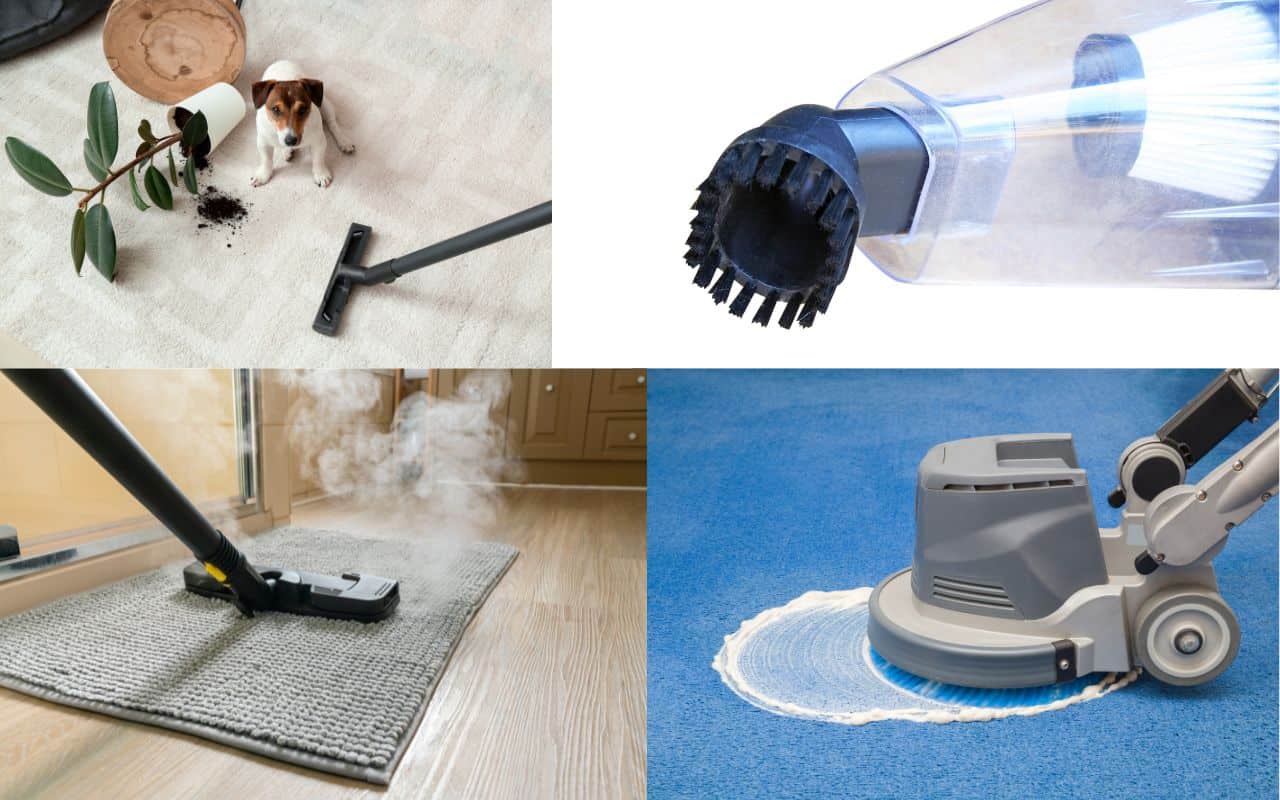
Which Vacuum Cleaners Are Safe for Wet Carpet?
Not every machine with strong suction is safe for liquid. Check the label and the owner’s manual before using any vacuum on wet carpet.
Wet/dry shop vacuum
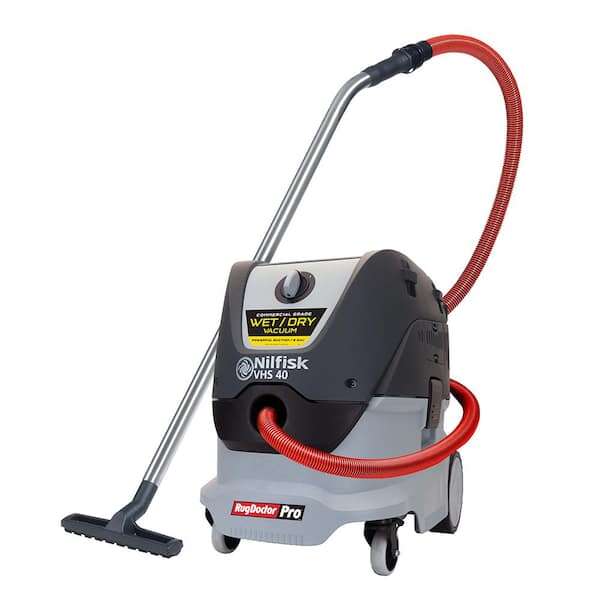
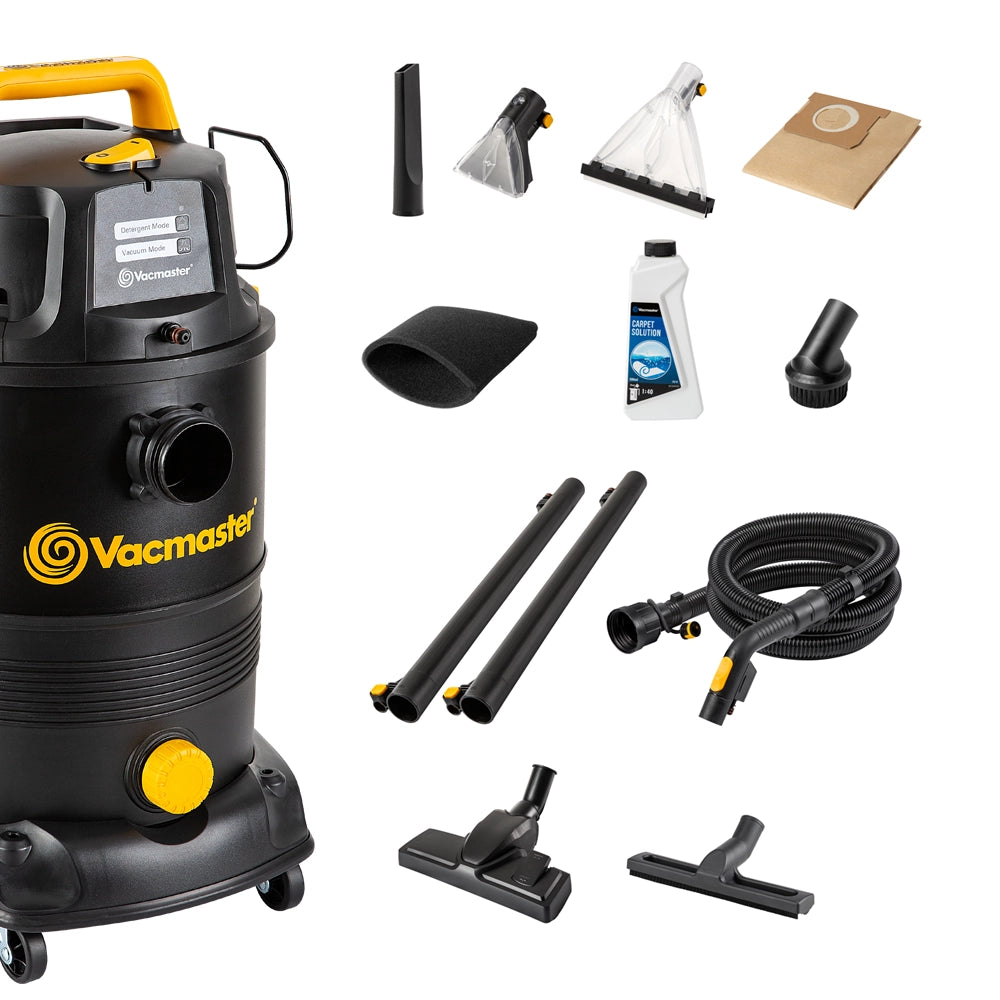
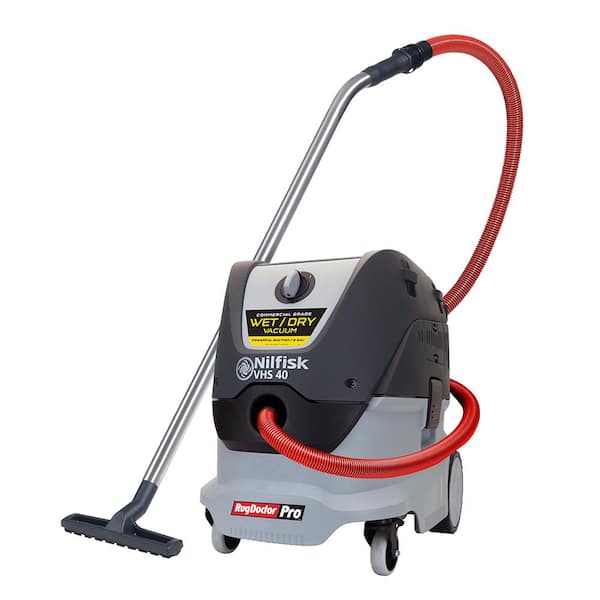
A wet/dry shop vacuum is often the best choice for a small spill or shallow flood. It has a liquid collection tank and usually includes a wide floor nozzle.
Before use:
• Remove the paper dust bag if the manual says to do so.
• Install the foam sleeve or wet-use filter made for your model.
• Check that the tank and hose are firmly attached.
• Use a grounded outlet and keep electrical connections away from water.
A shop vacuum can remove a large amount of water. However, it may not rinse the carpet or extract moisture evenly from thick padding.
Carpet extractor
A carpet extractor sprays water into the carpet and pulls the water back into a recovery tank. Professional cleaners often use this type of machine because it combines agitation, rinsing, and extraction.
Some home carpet cleaners can handle moderate moisture after a cleaning cycle. They are useful for spills, dirty water, and carpets that are damp but not deeply flooded. Always follow the machine’s instructions because some models are not made for large amounts of standing water.
Professional water-extraction machine
A professional extractor has stronger suction, wider tools, and better water recovery. It is the safest choice for soaked carpet, sewage contamination, storm water, or water that has reached the pad.
A professional may also use moisture meters. These tools show whether the carpet, pad, wall base, and subfloor are still wet. That matters because carpet can feel dry on top while moisture remains underneath.
Standard upright vacuum
A regular upright vacuum should not be used on wet carpet unless the manufacturer clearly states that it supports liquid pickup. Most do not.
Using a standard vacuum cleaner on wet carpet can:
• Damage the motor and electrical parts
• Ruin the filter or dust bag
• Spread dirty water through the machine
• Cause odors and mold growth inside the vacuum
• Create a shock or fire hazard

Why a Regular Vacuum Cannot Dry Wet Carpet
A regular vacuum pulls dry dirt into a bag or dry dust container. Its filters are designed to catch particles, not manage gallons of water.
When liquid enters the machine, it can clog the filter and restrict airflow. The motor may then work harder and overheat. Water can also reach electrical parts that were never sealed for liquid use.
A dry vacuum also does not remove water from the entire carpet system. It may lift a little moisture from the surface, but it cannot reliably extract water from the backing or pad.
This is why using a regular vacuum cleaner to dry a wet carpet often creates two problems at once: a damaged vacuum and a carpet that is still wet. The better option is a wet/dry vacuum followed by rapid air movement.
How to Dry a Wet Carpet Safely
Act quickly, but do not rush into unsafe cleanup. The first goal is to stop the water source and protect people from electrical hazards.
1. Stop the source of water
Turn off the leaking appliance, close the water valve, or fix the overflow if it is safe to do so. If water is near outlets, power strips, or electrical equipment, leave the area and contact a qualified professional.
Do not walk through contaminated water. Flood water may contain sewage, chemicals, sharp objects, or harmful bacteria.
2. Remove furniture and loose items
Move furniture off the carpet. Place foil, plastic blocks, or waterproof barriers under furniture legs only if the items must stay in place.
Do not use cardboard under wet furniture. It can soften, stain the carpet, and hold moisture against the fibers.
3. Extract standing water
Use a wet/dry vacuum or carpet extractor. Move the nozzle slowly in overlapping passes. Slow passes give the machine more time to pull water from the carpet.
Empty the tank often. A full tank can reduce suction and may cause dirty water to spill back onto the floor.
For a large wet area, work from the outer edge toward the center. This helps prevent water from spreading into dry rooms.
4. Lift the carpet when needed
If the carpet is soaked, lift one corner and check the pad underneath. Carpet pad acts like a sponge. It can hold far more water than the carpet surface.
If the pad is saturated, extraction from the top may not be enough. A restoration technician may need to lift the carpet, remove the pad, and dry the floor below.
5. Add strong airflow
Set up air movers, box fans, or high-speed fans. Aim air across the carpet rather than straight down into one spot.
Open windows only when outdoor air is warm and dry. In humid weather, use air conditioning or a dehumidifier instead. Moist air slows evaporation.
6. Use a dehumidifier
A dehumidifier pulls water vapor from the room. Keep doors and windows closed while it runs, unless the outdoor air is clearly drier.
Check the collection tank often. A dehumidifier may fill quickly during the first day of drying.
7. Check moisture before replacing furniture
The carpet should feel dry at the surface and below. Check corners, edges, closets, and areas under furniture.
If the carpet still smells musty or feels cool and damp after 24 to 48 hours, hidden moisture may remain. A moisture inspection can prevent a larger mold problem.
How Long Does Wet Carpet Take to Dry?
Drying time depends on the amount of water, carpet type, pad thickness, room temperature, humidity, and airflow.
A small clean-water spill may dry in several hours with strong extraction and fans. A soaked carpet with wet padding may take one to three days, or longer if the subfloor also absorbed water.
These conditions usually speed up drying:
• Strong air movement across the carpet
• Low indoor humidity
• Warm, stable room temperature
• Fast water extraction
• Removed or well-dried carpet padding
These conditions slow drying:
• Closed rooms with still air
• High humidity
• Thick carpet and foam pad
• Water trapped beneath furniture
• Wet drywall, baseboards, or subfloors
Do not judge dryness by touch alone. Carpet fibers can feel dry while the pad below remains wet. This is one of the most common reasons odors return after cleanup.
Can a Vacuum Cleaner Dry Carpet Padding?
A vacuum cleaner can remove some water from carpet padding, but results depend on the pad material and how deeply it is soaked. Thick foam and rubber pads can hold moisture for a long time.
If the padding is lightly damp, repeated extraction and strong airflow may dry it in place. Lift the carpet edge so air can reach both the top and bottom surfaces.
If the pad is saturated, badly soiled, or exposed to contaminated water, replacement is often safer. Porous materials can trap bacteria, odors, and organic matter that are difficult to remove fully.
The subfloor also needs attention. Wood may swell, while some flooring materials can buckle or separate. Drying the carpet alone is not enough if water moved beneath it.
Common Mistakes to Avoid
The wrong cleanup method can turn a simple spill into a costly repair. These mistakes are especially common in homes with thick carpet.
Using a dry vacuum on water
This can damage the machine and create a safety hazard. Confirm that the vacuum supports wet pickup before turning it on.
Waiting for the carpet to air-dry alone
Still air allows moisture to remain trapped below the surface. Extract water first, then use fans and a dehumidifier.
Leaving the carpet pad in place without checking it
A damp pad can keep the carpet wet from underneath. Lift a corner and inspect the pad early.
Using too much soap
Extra detergent can leave a sticky film that attracts dirt. It can also make rinsing and extraction harder.
Closing the room in humid weather
Warm, damp air does not always help. Use a dehumidifier or air conditioning when outdoor humidity is high.
Walking on the carpet repeatedly
Foot traffic can push water deeper into the pad and spread dirty water. Limit movement until extraction is complete.
Ignoring a musty smell
A musty odor is a warning sign. It may mean that moisture remains in the pad, floor, wall, or furniture.
In my experience, the biggest mistake is stopping after the carpet feels dry on top. A homeowner may run a vacuum over the surface, see no visible water, and put the furniture back. Two days later, the room smells sour because the pad was never dry.

When Should You Call a Professional?
Call a water-damage professional when the carpet has been heavily soaked or contaminated. Professional help is especially important in these situations:
• The water came from a sewage backup or toilet overflow
• Flood water entered from outside
• The carpet stayed wet for more than 24 to 48 hours
• The padding is saturated
• Water reached walls, cabinets, or electrical systems
• Mold, strong odors, or visible staining appears
• The affected area covers a large room or several rooms
Clean water from a broken supply line is less risky than contaminated flood water, but it can still damage flooring and walls. A professional can use commercial extractors, air movers, dehumidifiers, and moisture meters.