How Has The Vacuum Cleaner Changed Over Time: Evolution
Vacuum cleaners changed from bulky manual machines into quieter, smarter, cordless tools that clean with less effort.
To understand how has the vacuum cleaner changed over time, look beyond its changing shape. The machine evolved with better motors, filters, batteries, sensors, and user-focused design. What began as a large mechanical tool is now a range of products, from lightweight stick vacuums to robot cleaners that map an entire home.
This history also shows why vacuum cleaners became so important. They made home cleaning faster, helped reduce dust and allergens, and adapted to modern homes with carpets, hard floors, pets, and busy schedules. The story of how has the vacuum cleaner changed over time is really a story about engineering solving everyday problems.
The earliest tools for removing dust
Before powered vacuum cleaners existed, people cleaned floors with brooms, brushes, and carpet beaters. A carpet beater removed dust by striking the rug outdoors, while a broom pushed dirt into a pile. These tools worked, but they often sent fine dust back into the air.
The first major step toward modern cleaning came with the carpet sweeper. In 1860, Daniel Hess patented a manual device with rotating brushes and bellows. The bellows helped create suction, although the machine still needed to be pushed by hand.
In 1869, Ives W. McGaffey patented the Whirlwind. It used a hand crank to power a fan and collect dust. The design was difficult to use because one person had to push the machine and turn the crank at the same time.
These early devices help explain how has the vacuum cleaner changed over time. Early inventors focused on collecting dirt more effectively, but they had not yet solved the problem of convenient power.
The first powered vacuum cleaners
The powered vacuum cleaner appeared at the start of the 20th century. In 1901, British engineer Hubert Cecil Booth created a large gasoline-powered vacuum system. It used a long hose to draw dust from buildings, but the machine was too large for most homes.
Booth’s system was often placed outside a building. Hoses ran through windows and doors into rooms. It was effective, but it was not a practical household appliance. Some early vacuum services even used horse-drawn equipment to move the machine from house to house.
In the United States, James Murray Spangler made a major improvement in 1907. He developed a portable electric vacuum cleaner with a rotating brush, a fan, and a dust bag. William Hoover later purchased the patent and helped turn the design into a successful consumer product.
This period shows how has the vacuum cleaner changed over time from a commercial service into a household machine. Electricity made suction more reliable, while smaller motors made home use possible.
However, early powered vacuums were still heavy, noisy, and expensive. They were valuable tools, but many families could not afford them. Vacuuming was often a special task rather than a quick part of a daily cleaning routine.

How vacuum cleaners became common in homes
During the 1920s through the 1950s, vacuum cleaners became more familiar in american homes. Manufacturers improved electric motors, wheels, hoses, dust bags, and attachments. As electricity reached more homes, the vacuum cleaner became easier to operate.
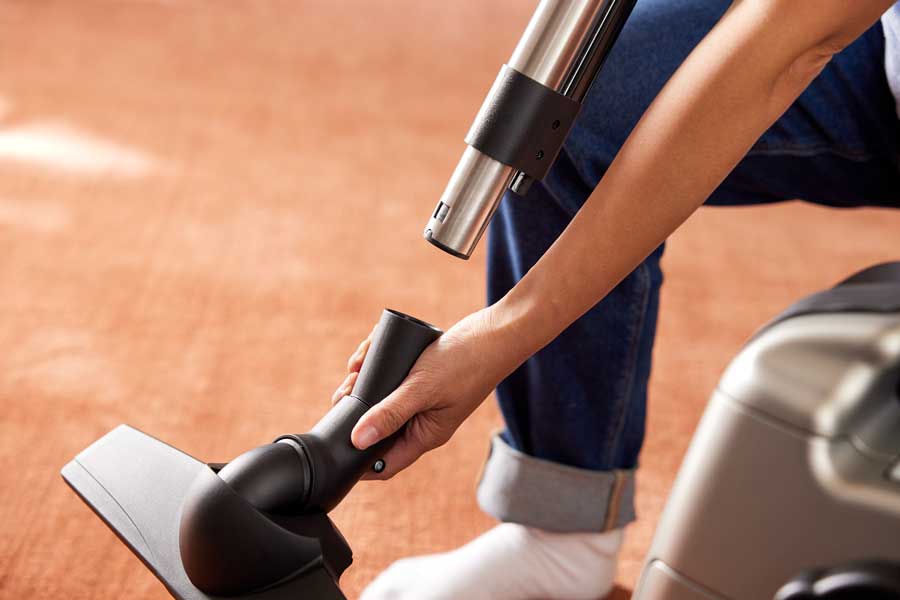
Upright vacuums became popular for carpeted floors. Their rotating brush helped loosen dirt from carpet fibers while the motor pulled debris into a bag. Canister vacuums also grew in popularity because they were easier to move across stairs, furniture, and hard floors.
By the middle of the 20th century, many machines included tools for:
• Cleaning upholstery
• Reaching corners
• Dusting furniture
• Cleaning stairs
• Removing debris from narrow spaces
The design still had limits. A full dust bag could reduce airflow, and users had to buy replacement bags. Cords restricted movement, while heavy bodies made cleaning tiring.
Still, how has the vacuum cleaner changed over time becomes clearer during this period. The focus shifted from simply creating suction to improving comfort, reach, floor care, and everyday convenience.

The move from simple suction to better filtration
A vacuum cleaner does more than collect visible dirt. It also moves air through the machine. If the filter is poor, fine particles may pass through the vacuum and return to the room.
Manufacturers gradually added better filters and sealed systems. This mattered for people with allergies, asthma, or sensitivity to dust. High-efficiency particulate air, or HEPA, filters became especially important because they can capture very small airborne particles when used in a properly sealed system.
It is important to understand that a HEPA label alone does not guarantee perfect air cleaning. The filter, seals, airflow path, and maintenance all affect performance. A vacuum with a strong filter but poor seals may still release particles around the filter housing.
This is another key part of how has the vacuum cleaner changed over time. Engineers learned that cleaning power is not only about motor strength. Air quality, filtration, noise, and the ability to keep dust contained also matter.
In practical use, I have found that people often focus on advertised suction but overlook filter care. A clogged filter can make even a powerful vacuum feel weak. Checking the manual, washing reusable filters as directed, and replacing worn filters can make a clear difference.
The rise of bagless vacuum cleaners
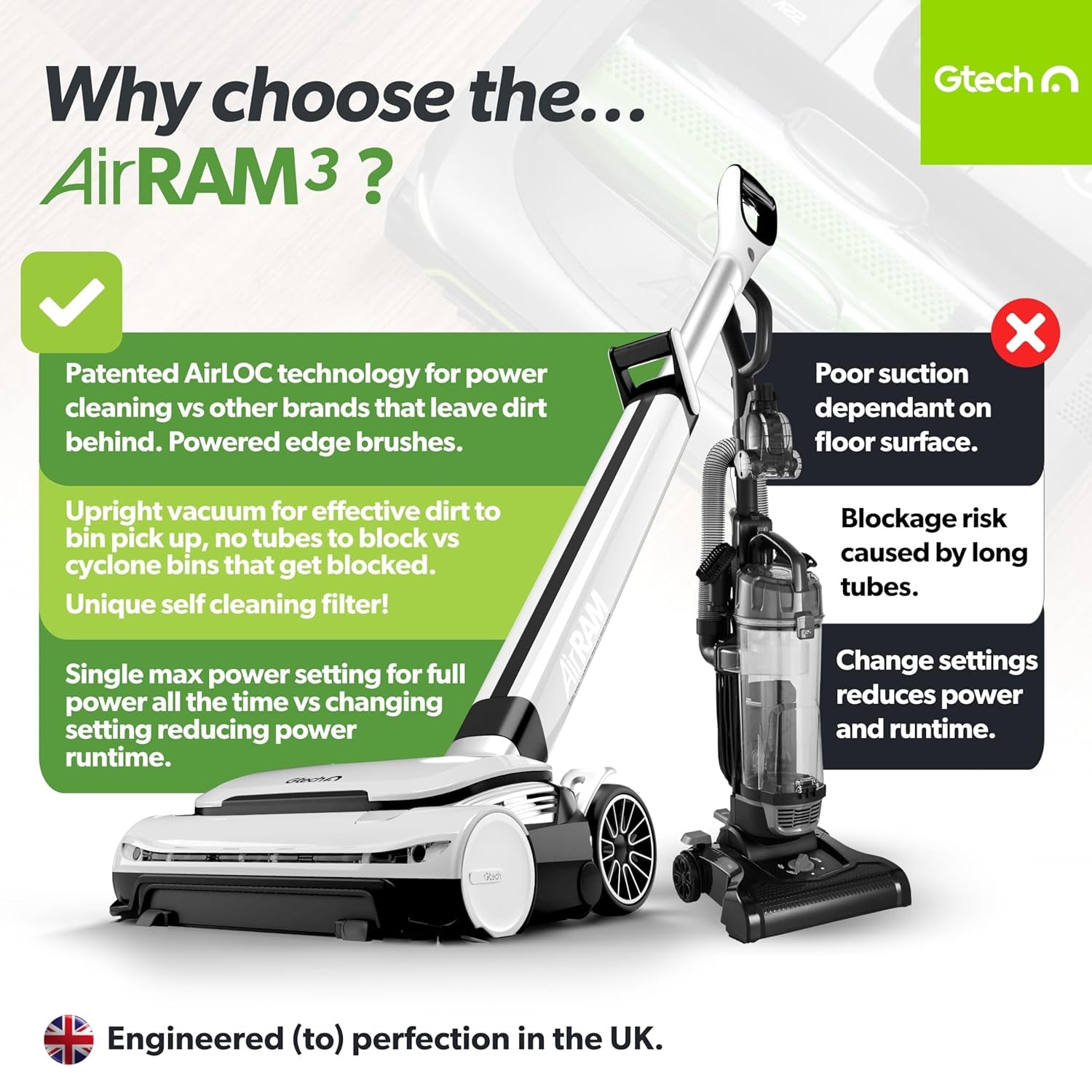
Bagless vacuum cleaners changed the market in the late 20th century. Instead of collecting dirt in a disposable paper bag, they used a clear dust bin. Users could see the collected debris and empty the container when it became full.
Cyclonic separation became a major part of this change. In a cyclonic system, fast-moving air spins inside a chamber. Centrifugal force pushes larger particles away from the airflow, allowing them to fall into the dust bin.
James Dyson helped popularize cyclonic bagless technology in the 1990s. His early machines used several cyclones to separate dust from air. This design influenced many later vacuums.
Bagless models offered several benefits:
• No regular purchase of disposable bags
• A visible dust container
• Less risk of losing suction from a full bag in some designs
• Easy access to collected objects
They also created new problems. Emptying a dust bin can release dust into the air, especially if the user shakes or taps the container. Filters still need regular cleaning, and some models require more maintenance than users expect.
The history of how has the vacuum cleaner changed over time is not a simple march toward perfection. Each improvement solves one problem while sometimes creating another.
Cordless vacuum cleaners and lithium-ion batteries
Cordless vacuums became much more useful when battery technology improved. Older rechargeable models often had short run times, weak suction, and batteries that lost capacity quickly. Modern lithium-ion batteries offer more power in a smaller and lighter package.
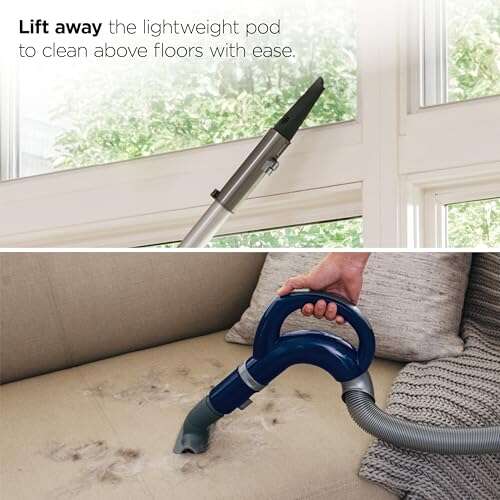
Cordless stick vacuums are now common because they are easy to store and quick to use. Many people keep one near the kitchen for crumbs or near an entryway for daily dirt. Some models convert into handheld vacuums for furniture, vehicles, and stairs.
The benefits include:
• No power cord to move around
• Fast cleaning for small messes
• Lightweight designs
• Simple storage
• Useful handheld modes
Cordless models still have limits. High-power settings can drain the battery quickly. Battery replacement may be expensive, and a cordless vacuum may not match a full-size corded model for long deep-cleaning sessions.
A practical lesson is to choose battery life based on the size of your home. A small apartment may need only 20 minutes of useful cleaning time. A large home with several carpets may require a replaceable battery or a corded machine.
This is an important answer to how has the vacuum cleaner changed over time: convenience now plays as large a role as raw cleaning power.
Robot vacuums bring automation into home cleaning
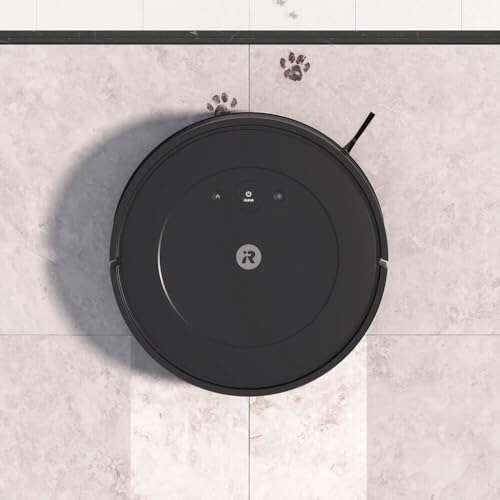
Robot vacuums became commercially available in the late 1990s, but early models were basic. They moved in simple patterns, bumped into furniture, and could miss large areas. Modern robot vacuums use sensors, cameras, laser mapping, or combinations of these technologies.
Many current models can:
• Create a map of the home
• Clean selected rooms
• Avoid stairs and some obstacles
• Return to a charging dock
• Resume cleaning after charging
• Empty their dust bins automatically
• Mop hard floors in some cases
Navigation is one of the biggest improvements. A robot that maps a room can clean in organized rows instead of moving randomly. Some models also recognize objects such as shoes, cables, and pet waste, although object detection is not perfect.
Robot vacuums are best viewed as maintenance tools. They can reduce daily dust, crumbs, and pet hair, but they may not replace a full-size vacuum for stairs, deep carpet cleaning, edges, upholstery, or occasional heavy dirt.
When people ask how has the vacuum cleaner changed over time, robot technology provides one of the clearest answers. The machine no longer only responds to a person’s hand. It can now plan, move, recharge, and follow cleaning instructions on its own.

Smart features and connected cleaning
Today’s vacuum cleaners may connect to mobile apps and home networks. An app can let users set schedules, choose rooms, adjust suction, view maps, or receive maintenance alerts.
Smart features can be useful, but they are not all equally valuable. A scheduling function may save time every week. A colorful map may look impressive but offer little value if the robot cannot handle rugs or clutter.
Some advanced models use sensors to adjust suction based on floor type or the amount of dirt detected. Others raise a mop pad when they move onto carpet. These features show how software now works alongside motors and brushes.
Connected devices also raise privacy and security questions. A robot with cameras or detailed home maps may collect sensitive information. Buyers should check privacy settings, software support, account requirements, and how long the manufacturer promises updates.
This part of how has the vacuum cleaner changed over time deserves a balanced view. Smart technology can make cleaning easier, but it should serve a real need rather than add complexity for its own sake.

Improvements in brushes, airflow, and floor care
Modern vacuum cleaners use a wider range of brush designs. A standard roller may work well on carpet, while a soft roller can pick up fine dust from hard floors without scratching many surfaces.
Some brush rolls are designed to reduce hair tangles. This helps homes with pets or long hair, although no brush is completely tangle-free. Users still need to inspect the roller and remove wrapped hair.
Manufacturers have also improved airflow paths. Smooth channels can reduce resistance, while sealed systems help keep suction consistent. Motorized tools allow the brush to agitate carpet rather than relying on suction alone.
Different floors need different cleaning methods. A powerful carpet brush may scatter debris on a hard floor. A soft brush may struggle to lift embedded dirt from thick carpet.
Understanding how has the vacuum cleaner changed over time helps consumers choose more wisely. The best vacuum is not always the one with the highest advertised wattage. It is the one that matches the floor, debris, home size, and maintenance habits.
Noise reduction and more comfortable design
Early powered vacuums were famously loud. Their motors, fans, and vibrating bodies produced enough noise to interrupt conversation. Newer machines use improved insulation, motor control, airflow design, and brush construction to reduce sound.
Noise levels still vary widely. A vacuum may be quiet on low power but loud on its highest setting. Robot vacuums are often quieter than upright models, but their automatic emptying docks can produce a short burst of strong noise.
Ergonomics also improved. Designers now pay attention to handle shape, weight balance, swivel steering, height adjustment, and one-touch controls. These details can reduce wrist, back, and shoulder strain.
From practical testing and everyday use reports, one lesson is clear: a vacuum that is easy to lift and steer is more likely to be used often. A heavy machine with excellent suction may stay in a closet if it feels difficult to move.
This explains another aspect of how has the vacuum cleaner changed over time. Comfort is no longer an extra feature. It is part of effective cleaning.
How vacuum cleaners support healthier indoor air
Indoor dust can contain skin flakes, pollen, soil, textile fibers, and other particles. Pet homes may also contain dander and hair. Regular vacuuming can remove some of this material from floors and surfaces.
A vacuum cleaner does not replace ventilation, moisture control, or professional treatment for serious indoor air problems. It also cannot remove every particle from the air. However, a well-sealed vacuum with a suitable filter can help reduce the dust that would otherwise remain on the floor.
For better results:
• Vacuum slowly instead of rushing
• Empty the dust bin before it becomes overfilled
• Replace disposable bags when the indicator recommends it
• Clean filters according to the manual
• Use the correct setting for carpet and hard floors
• Ventilate the room when emptying a dusty container
People with asthma or severe allergies may prefer a sealed HEPA system and may ask another person to empty the bin. Product claims should be read carefully because test conditions can differ from real homes.
The health story behind how has the vacuum cleaner changed over time is one of improved containment, not a promise of a dust-free home.
Sustainability and the future of vacuum cleaners
Vacuum cleaners have become more efficient in some ways, but sustainability remains a challenge. Disposable bags, filters, plastic parts, packaging, and batteries all affect environmental impact.
A durable vacuum that lasts many years may be better than a cheap model that needs frequent replacement. Repairable designs, replaceable batteries, washable filters, and available spare parts can extend product life.
Before buying, consider:
• Whether the battery can be replaced
• How long the warranty lasts
• Whether filters and brush rolls are easy to find
• Whether the manufacturer offers repair support
• How much energy the machine uses
• Whether the dust container and parts can be cleaned
Future vacuum cleaners may use stronger artificial intelligence, better obstacle recognition, improved battery chemistry, and more repair-friendly construction. Robotic systems may become better at cleaning edges, stairs, and mixed flooring.
Still, progress should be measured by useful results. A machine does not become better simply because it has more sensors or a phone app. The most valuable innovations save time, improve dust control, reduce strain, and last longer.
How to choose a modern vacuum cleaner
The best choice depends on your home and cleaning habits. Start with the floor types rather than the brand name or most dramatic feature.
Use this simple process:
-
Identify your main floor surfaces. Choose a carpet-focused model for thick rugs, a soft roller for hard floors, or a machine with both tools for mixed homes.
-
Consider your household. Pet owners may need strong brush agitation, tangle control, and easy filter access.
-
Check the weight. If you must carry the vacuum upstairs, a lighter canister or cordless model may be more practical.
-
Review battery details. Look for real-world run time, charging time, replaceable batteries, and the cost of extras.
-
Examine filtration. A sealed HEPA system may be useful for allergy-sensitive households.
-
Think about storage. Measure the closet or charging space before buying.
-
Check maintenance needs. Read how often filters, belts, rollers, and bags need replacement.
-
Match the budget to expected use. A basic vacuum may be enough for a small home, while a larger household may benefit from better tools and stronger construction.
The central lesson from how has the vacuum cleaner changed over time is that useful design beats impressive specifications. Choose the machine you can comfortably use and maintain.
Common mistakes that reduce vacuum performance
Even a well-designed vacuum can perform poorly when used or maintained incorrectly. A full dust bin, blocked hose, dirty filter, or tangled brush can restrict airflow.
Avoid these common mistakes:
• Vacuuming liquid with a dry vacuum
• Ignoring a burning smell
• Running a robot over loose cables
• Washing a filter that is not washable
• Using a carpet brush on delicate flooring
• Leaving hair wrapped around the brush roll
• Overfilling the dust container
• Pulling a vacuum by its power cord
A burning smell may indicate a jammed brush, overheating motor, or electrical problem. Stop using the machine and follow the manufacturer’s safety instructions.
I have seen many cleaning problems blamed on a weak motor when the real cause was a clogged filter or blocked hose. Before replacing a vacuum, inspect the simple parts first. A few minutes of maintenance can restore much of its performance.
These everyday lessons add a practical layer to how has the vacuum cleaner changed over time. Advanced features help, but basic care still matters.
Frequently Asked Questions About How Has the Vacuum Cleaner Changed Over Time
When was the first vacuum cleaner invented?
The first powered vacuum systems appeared around the beginning of the 20th century. Hubert Cecil Booth created a large powered vacuum in 1901, while James Spangler developed a more portable electric design in 1907.
How has the vacuum cleaner changed over time in terms of power?
Vacuum cleaners moved from hand-powered bellows and large external engines to compact electric motors. Modern models also use improved airflow, sealed systems, cyclonic separation, and electronic power controls.
Are modern vacuum cleaners better than older models?
Modern vacuums are usually lighter, more convenient, and better at filtration and floor care. However, some older machines were very durable, so a modern model is not automatically better if it is poorly built or difficult to maintain.
Why did bagless vacuum cleaners become popular?
Bagless vacuums became popular because users could empty a reusable dust bin instead of buying disposable bags. They also made it easy to see collected dirt, although emptying the bin can release dust.
How did robot vacuums change home cleaning?
Robot vacuums automated routine floor cleaning. Newer models can map rooms, avoid some obstacles, schedule cleaning, return to charging docks, and sometimes empty their own dust containers.
Do cordless vacuums clean as well as corded vacuums?
Some cordless vacuums clean very well, especially on hard floors and low-pile carpet. Corded models may still offer longer operation and stronger sustained cleaning for large homes or thick carpet.
What is the most important vacuum cleaner innovation?
There is no single answer for every home. Improved filtration, reliable electric motors, cordless batteries, rotating brushes, and robotic navigation have each solved different cleaning problems.
Conclusion
The answer to how has the vacuum cleaner changed over time is found in its steady move toward greater power, better filtration, lighter design, and more automation. Early machines were large and difficult to use, while modern models can be cordless, bagless, sensor-driven, and even self-directing.
Each stage brought useful progress, but no vacuum is perfect. The right choice still depends on your floors, home size, pets, health needs, budget, and willingness to maintain the machine.
Use this history to make a smarter buying decision. Compare real cleaning needs, check maintenance costs, and choose features that improve your daily life. Explore more home-care guides, share your experience, or leave a comment about the vacuum technology that works best for you.

Liora Pennings is a seasoned chef and kitchen enthusiast with a passion for turning everyday cooking into an effortless experience. With years of hands-on culinary expertise, she specializes in practical techniques, ingredient know-how, and smart kitchen solutions that help home cooks elevate their meals. At KitchFlair.com, Liora shares her best tips, time-saving tricks, and honest product reviews to guide readers toward a more efficient, enjoyable, and inspired cooking routine. Whether you’re a beginner or a seasoned home chef, Liora’s friendly, knowledge-packed insights make every visit to the kitchen a little easier—and a lot more delicious.