What To Do With Garlic Peels: Smart Uses And Tips
Garlic peels can flavor food, enrich compost, and reduce kitchen waste when handled with care.
Most people toss garlic skins into the trash, but that thin, papery layer still has useful flavor and plant matter. Knowing what to do with garlic peels can help you cook smarter, save scraps, and build better compost habits. I have tested several uses in home cooking and gardening, and the best options are simple, safe, and low-cost.
Why Garlic Peels Are Worth Saving
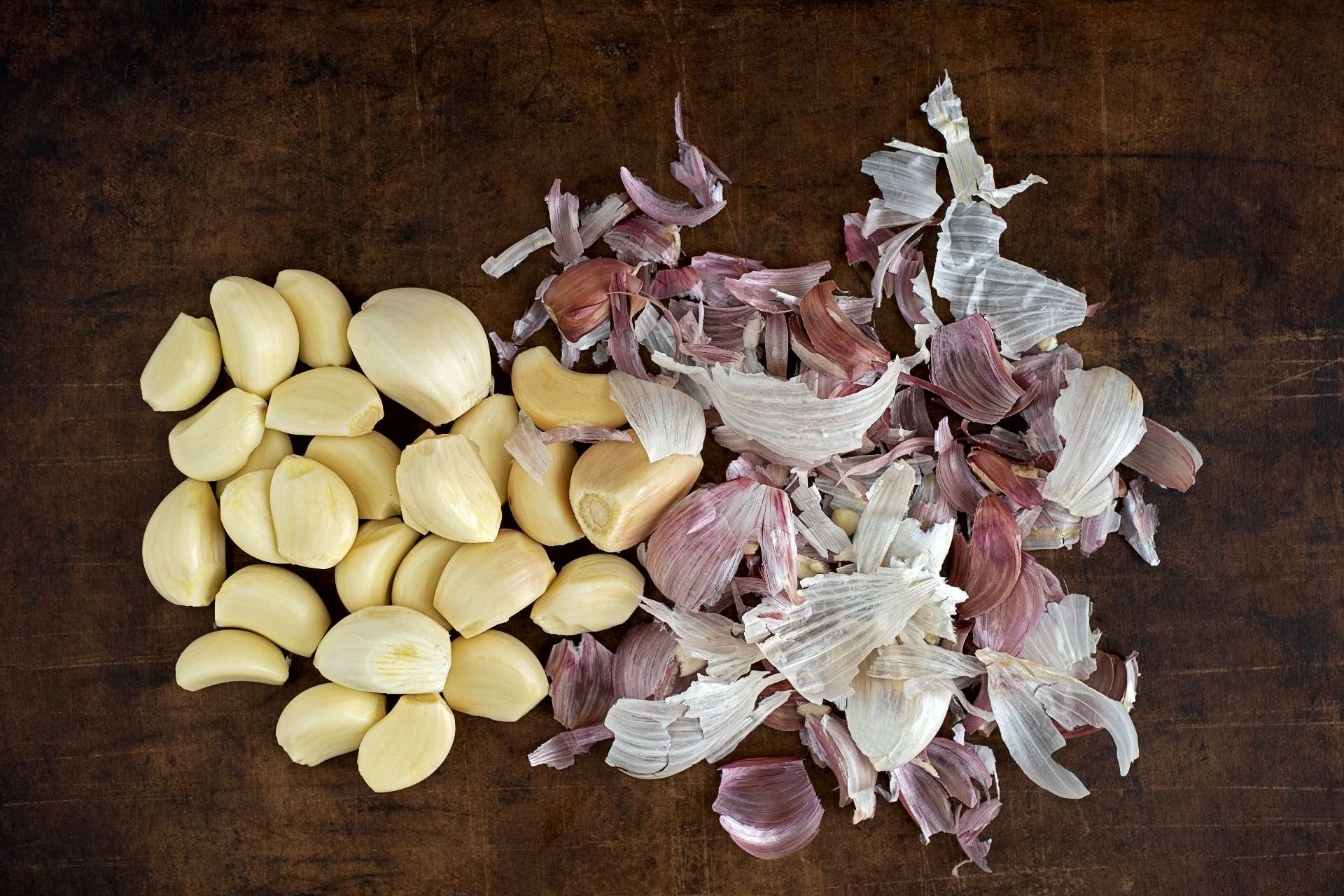
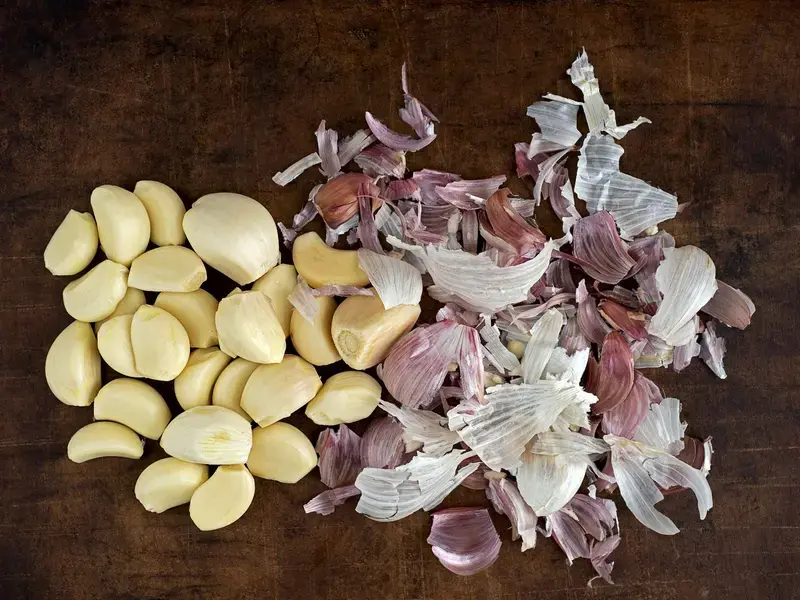
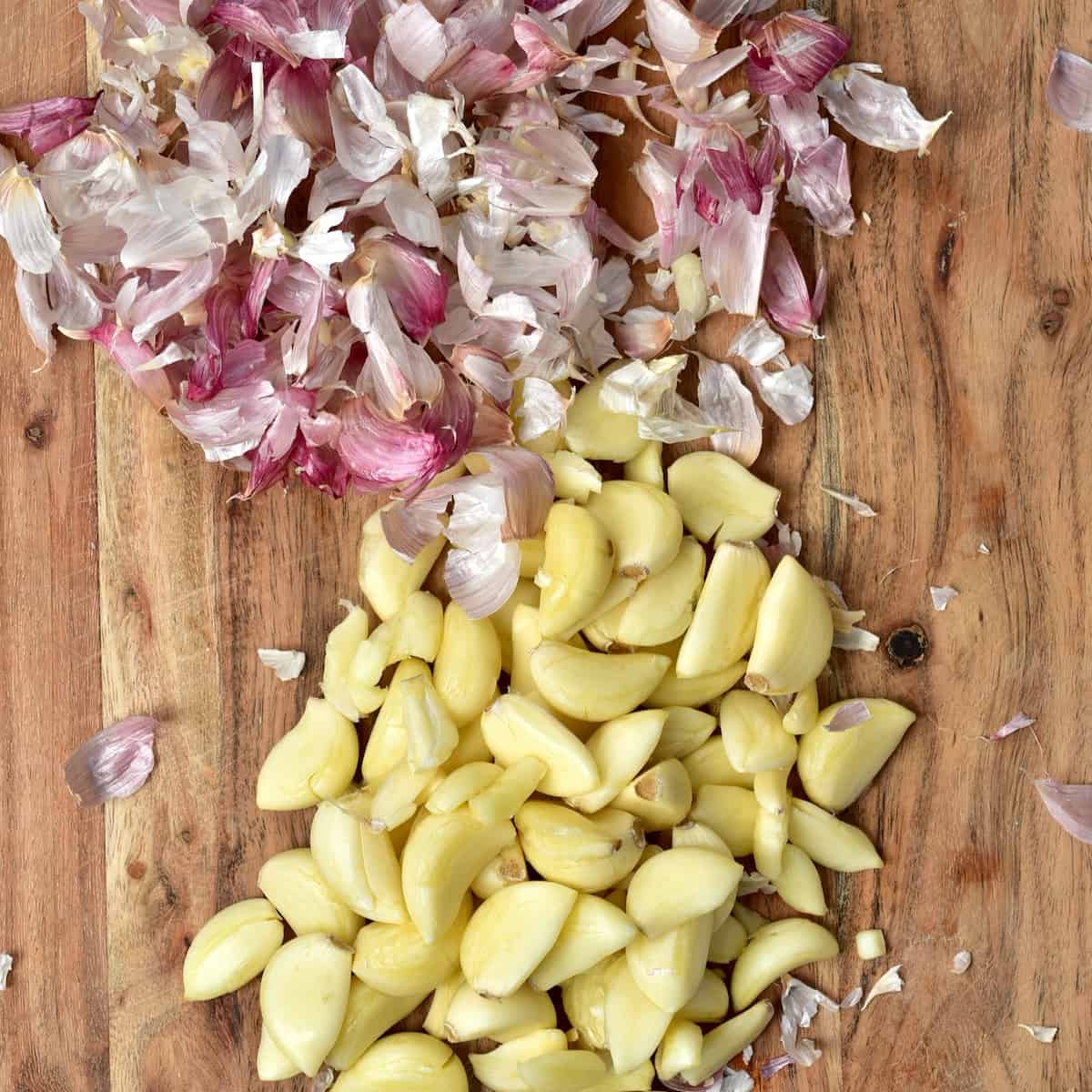
Garlic peels are the dry outer skins that protect each clove. They can look useless, but they often hold a light garlic scent and small amounts of plant compounds. Their texture is tough, so they are not pleasant to chew or use as a raw garnish.
The most useful answer to what to do with garlic peels depends on their condition. Clean, dry peels can flavor stock, dry into seasoning, or go into compost. Moldy, wet, or dirty peels should not be used in food.
Garlic skins also contain plant fiber and natural compounds found in the garlic bulb. However, they are not a miracle ingredient. Claims that garlic peels cure illness, boost hair growth, or remove toxins are not supported by strong human evidence.
Here are the main ways to use garlic peels:
• Add clean skins to broth, stock, and soup
• Dry and grind them into a seasoning
• Infuse vinegar or oil with careful food safety
• Add them to a compost pile
• Use them as part of a natural garden routine
• Save them for homemade vegetable stock
Add Garlic Peels to Stock and Broth
One of the easiest answers to what to do with garlic peels is to add them to stock. The skins give broth a mild garlic aroma without creating a sharp taste. They also add a warm golden color, much like onion skins.
Use garlic peels with other kitchen scraps, such as:
• Onion ends and clean skins
• Carrot tops
• Celery leaves
• Mushroom stems
• Parsley stems
• Clean herb stalks
Place the scraps in a pot, cover them with water, and simmer gently for 30 to 60 minutes. Strain the liquid well before serving. Garlic peels can be fibrous, so do not leave them in the finished broth.
For a simple stock, use one small handful of clean garlic peels for every 6 cups of water. Start with less if you want a soft flavor. You can always add more garlic later, but you cannot remove an overly strong taste.
In my kitchen tests, garlic skins worked best with chicken stock, bean soup, and vegetable broth. They were less useful in delicate sauces because even a small amount could add a slightly earthy note.
Tips for Better Garlic Peel Stock
• Rinse the skins if they have visible soil or dust.
• Avoid skins from garlic with mold or soft spots.
• Do not use peels that smell sour or rotten.
• Strain the broth through a fine mesh sieve.
• Cool the stock quickly and refrigerate it within two hours.
Homemade stock keeps for about three to four days in the refrigerator. Freeze extra stock in small containers or ice cube trays for easy use later.
Make Garlic Peel Powder
Another practical answer to what to do with garlic peels is to make a dry powder. This method works best when the peels are clean, fully dry, and free from mold.
Start by spreading the skins on a clean tray. Let them air-dry for several days, or dry them in an oven at its lowest setting. A food dehydrator also works well.
Once the peels feel crisp, grind them in a spice grinder or clean coffee grinder. Sift the powder if you want a finer texture. Store it in a dry, sealed jar away from heat and sunlight.
Garlic peel powder has a mild, toasted flavor. It may taste slightly bitter if the skins are dark or scorched. Use a small amount in:
• Soups and stews
• Roasted vegetables
• Beans and lentils
• Homemade spice blends
• Savory bread dough
• Marinades
Do not use garlic peel powder as a direct replacement for fresh garlic. It is more like a background seasoning. Begin with one-eighth teaspoon, taste the dish, and add more only if needed.
The key lesson from testing garlic peel powder is simple: dry skins slowly. High heat can burn the paper-thin pieces before the inside moisture leaves. Burnt peels create a harsh flavor and may produce unwanted smoke.

Use Garlic Peels in Homemade Vegetable Stock
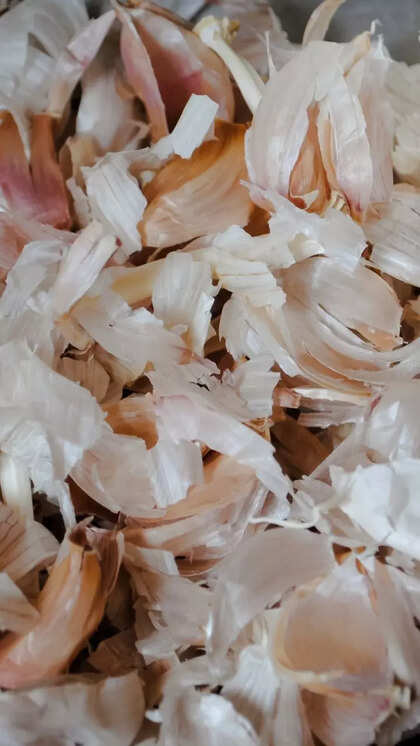
Garlic peels can join a freezer scrap bag for future vegetable stock. This is one of the most convenient things to do with garlic peels because you do not need to use them right away.
Keep a labeled container in the freezer. Add clean scraps as you cook, including garlic skins, onion ends, carrot peels, and celery leaves. When the container is full, simmer the scraps in water and strain the stock.
Use a balanced mix. Too many garlic peels can overpower the stock and create a bitter or muddy taste. A good starting point is:
• Two cups of mixed vegetable scraps
• One small handful of garlic peels
• Six to eight cups of water
• A few peppercorns
• One bay leaf, if desired
Avoid adding scraps that are spoiled, slimy, heavily salted, or coated with oil. Potato skins can also make stock cloudy, while cabbage and broccoli scraps may create a strong sulfur smell.
This scrap method saves small amounts of food that would otherwise be wasted. It also turns cooking leftovers into a useful base for rice, grains, soup, and sauces.
Infuse Vinegar With Garlic Peels
Clean garlic peels may be used to add a gentle savory note to vinegar. This can work well in salad dressings, marinades, and quick sauces.
However, garlic and oil mixtures need special care. Homemade garlic oil can support the growth of Clostridium botulinum when stored without proper controls. Vinegar is more acidic, but homemade infusions still need careful handling.
For a safer vinegar infusion:
-
Use clean, dry garlic peels.
-
Place them in a clean glass jar.
-
Cover them fully with commercial vinegar.
-
Refrigerate the jar while it infuses.
-
Strain the vinegar after several days.
-
Keep it refrigerated and use it promptly.
Do not store homemade garlic peel oil at room temperature. If you want garlic flavor in oil, use a tested preservation method or buy a commercially prepared product.
The safest approach is to make small batches. If the vinegar develops mold, gas, an odd smell, or a cloudy appearance that seems unusual, discard it. Never taste a questionable infusion to decide whether it is safe.

Put Garlic Peels in the Compost
Composting is one of the best answers to what to do with garlic peels. Garlic skins break down as part of a balanced compost pile, especially when mixed with moist green materials and dry brown materials.
Garlic peels count as a dry, carbon-rich scrap. They should not make up most of the pile. Mix them with:
• Fruit and vegetable scraps
• Coffee grounds
• Dry leaves
• Shredded cardboard
• Grass clippings
• Small amounts of garden waste
Cut or crush the peels before adding them. Smaller pieces break down faster. Bury fresh scraps in the center of the pile to reduce odors and discourage flies.
Some gardeners worry that garlic scraps harm earthworms or stop seeds from growing. Small amounts in a healthy compost pile are usually not a concern. Still, raw garlic scraps may have mild natural compounds that can affect some organisms in concentrated amounts. Proper composting helps dilute and break down these materials.
Do not add garlic peels to compost if they are mixed with meat, dairy, oily food, or chemical cleaners. If you use a municipal compost program, check its local rules first.
Use Garlic Peels in the Garden
Garlic peels may be useful in a garden compost system, but they are not a proven insect cure. Many online tips suggest soaking garlic skins and spraying the liquid on plants. This may smell strong, yet it does not reliably control pests.
If you want to try a garlic peel solution, treat it as a mild garden experiment:
• Use clean peels only.
• Soak them in water for 12 to 24 hours.
• Strain the liquid well.
• Test it on one leaf first.
• Wait 24 hours for signs of leaf damage.
• Do not spray in hot sun.
This type of spray may repel some insects for a short time because of its odor. It should not replace proven pest control methods, such as hand removal, row covers, insecticidal soap, or advice from a local extension service.
Never pour concentrated garlic water onto seedlings without testing it. Young leaves can burn easily. Also avoid spraying flowers when bees and other pollinators are active.
What to do with garlic peels in the garden should always follow the basic rule of moderation. Composting is more reliable than making strong sprays.

Can You Eat Garlic Peels?
Garlic peels are technically edible, but that does not mean they are enjoyable to eat. The outer skin is dry, papery, and hard to digest for some people. Most cooks use the peels to flavor food and remove them before serving.
You can eat very soft inner skins when roasting whole garlic. These inner layers become tender and may blend into mashed potatoes, sauces, or spreads. The thick outer layers are better used in stock or compost.
Wash the garlic before peeling if the outside contains soil. Choose firm bulbs with no mold, dark wet spots, or unpleasant odor. Garlic grown with pesticides should be handled according to the label and washed when appropriate.
People with sensitive digestion may notice discomfort from large amounts of garlic scraps. As with any food, stop using them if they cause pain, nausea, or an allergic reaction.
What Not to Do With Garlic Peels
Knowing what to do with garlic peels also means knowing when to throw them away. Reusing scraps is helpful only when the material is clean and safe.
Avoid these mistakes:
• Do not eat moldy or rotten garlic peels.
• Do not add peels with chemical residue to food.
• Do not store garlic peel oil at room temperature.
• Do not burn garlic skins indoors.
• Do not use large amounts in one stock pot.
• Do not assume garlic peel tea treats disease.
• Do not use peel sprays as a guaranteed pesticide.
• Do not add spoiled scraps to a home compost pile.
I once added too many dark garlic skins to a small pot of vegetable stock. The broth turned bitter and had a smoky taste. Since then, I use a small handful and combine the peels with mild scraps, such as carrot and celery ends.
A useful rule is this: if you would not feel comfortable touching or smelling the garlic, do not reuse the peel. Compost it only if it is free from mold and harmful chemicals. Otherwise, place it in the trash.
:max_bytes(150000):strip_icc()/102046990_Peeling-Garlic_Photo-by-Meredith-d5239faa09d5468381dfb123ebaba9cb.jpg)
Garlic Peel Storage Tips
Proper storage makes it easier to decide what to do with garlic peels later. Keep fresh peels in a clean freezer bag or sealed container. Label the bag with the date and use the scraps within a few months for the best flavor.
For dry storage, spread the skins on a tray until they are completely dry. Then place them in a paper bag or jar with a loose lid for a short time. If you see moisture, condensation, or mold, discard the batch.
Use separate containers for:
• Food scraps meant for stock
• Peels meant for drying
• Scraps meant for compost
This simple system prevents garden waste from mixing with food scraps. It also helps you avoid storing wet peels, which can develop mold quickly.
Freeze garlic peels if you cook only small amounts at a time. Frozen skins do not need to be thawed before adding them to stock.
Best Uses for Garlic Peels at a Glance
If you want a quick guide to what to do with garlic peels, match the method to the condition of the scraps.
• Clean and fresh peels: Add them to stock or broth.
• Clean and dry peels: Dry and grind them into seasoning.
• Extra peels from regular cooking: Freeze them for vegetable stock.
• Clean scraps from organic gardening: Add them to compost.
• Moldy, slimy, or rotten peels: Throw them away.
• Peels mixed with oil: Follow strict food safety rules and avoid room-temperature storage.
The best use is often the simplest one. You do not need special equipment or a complicated recipe. A freezer bag, stockpot, or compost bin can handle most garlic skins.
Frequently Asked Questions About What to Do With Garlic Peels
Can you put garlic peels in compost?
Yes, clean garlic peels can go into most home compost piles. Chop or crush them and mix them with other green and brown materials for better breakdown.
Can garlic peels be used in soup?
Yes, garlic peels can flavor soup, broth, and stock. Simmer them with other ingredients, then strain the liquid before serving.
Are garlic peels safe to eat?
Clean garlic peels are generally edible, but the outer skins are tough and papery. The soft inner skins may be eaten after roasting, while the dry outer layers are better removed.
Can you make tea from garlic peels?
People do make garlic peel tea, but strong health claims are not well proven. If you drink it, use clean peels and treat it as a food beverage rather than a medical treatment.
Can garlic peels repel garden pests?
Garlic odors may discourage some insects for a short time, but garlic peel sprays are not a reliable pest control method. Test any homemade spray on one plant first and use proven controls when needed.
How long can garlic peels stay in the freezer?
Garlic peels can stay frozen for several months when kept in a sealed bag. They may lose some flavor over time, but they remain useful for stock or compost.
Can garlic peels be used to make garlic powder?
Yes, clean peels can be dried and ground into a mild seasoning powder. Dry them fully, avoid scorching them, and store the powder in a sealed container.
Conclusion
Garlic peels are more useful than they look. You can add clean skins to stock, dry them for seasoning, freeze them with other scraps, or place them in a balanced compost pile. The main limits are food safety, cleanliness, and moderation.
Start with one small batch of garlic peel stock or save the skins in your freezer for later. Choose the method that fits your kitchen, and discard anything moldy or spoiled. Share your favorite garlic peel use in the comments, and explore more practical ways to reduce food waste at home.

Liora Pennings is a seasoned chef and kitchen enthusiast with a passion for turning everyday cooking into an effortless experience. With years of hands-on culinary expertise, she specializes in practical techniques, ingredient know-how, and smart kitchen solutions that help home cooks elevate their meals. At KitchFlair.com, Liora shares her best tips, time-saving tricks, and honest product reviews to guide readers toward a more efficient, enjoyable, and inspired cooking routine. Whether you’re a beginner or a seasoned home chef, Liora’s friendly, knowledge-packed insights make every visit to the kitchen a little easier—and a lot more delicious.