How Much Lemon Peel For Lemon Zest: Easy Kitchen Guide
One medium lemon usually provides about 1 tablespoon of finely grated lemon zest from its yellow outer peel.
Knowing how much lemon peel for lemon zest helps you season cakes, sauces, drinks, and savory dishes without guessing. The amount can change with lemon size, peel thickness, and the tool you use, so this guide explains exact conversions, easy methods, common mistakes, and smart storage tips.

How Much Lemon Peel for Lemon Zest?
For most recipes, one medium lemon gives about 1 tablespoon of fresh lemon zest. A large lemon may provide 1½ to 2 tablespoons, while a small lemon may give only 2 teaspoons.
The best part of the peel is the thin yellow outer layer. This layer contains fragrant oils that give lemon zest its bright flavor. The white layer underneath is called the pith, and it can taste bitter.
| Lemon size | Approximate fresh zest |
|---|---|
| Small lemon | 2 teaspoons |
| Medium lemon | 1 tablespoon |
| Large lemon | 1½ to 2 tablespoons |
| Extra-large lemon | Up to 2½ tablespoons |
These amounts are estimates, not strict rules. Lemon varieties differ, and a fine grater removes less peel at a time than a wide zester.
If a recipe asks for 1 teaspoon of zest, use roughly one-third of the peel from a medium lemon. For 2 teaspoons, use about two-thirds of the peel. You can also zest the entire lemon and measure what you need.

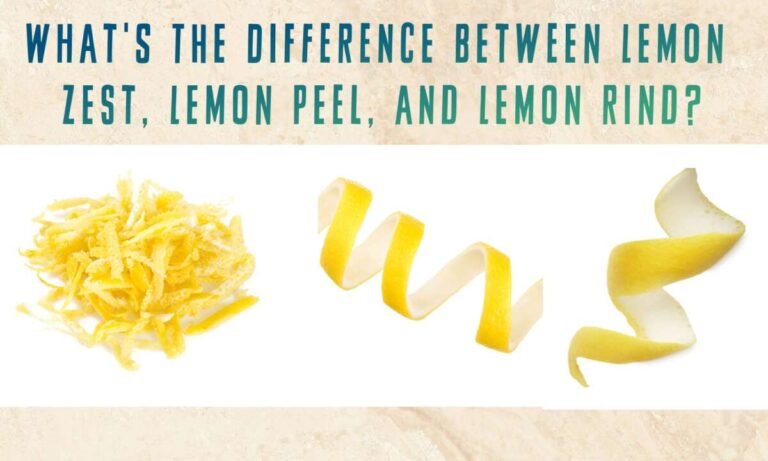
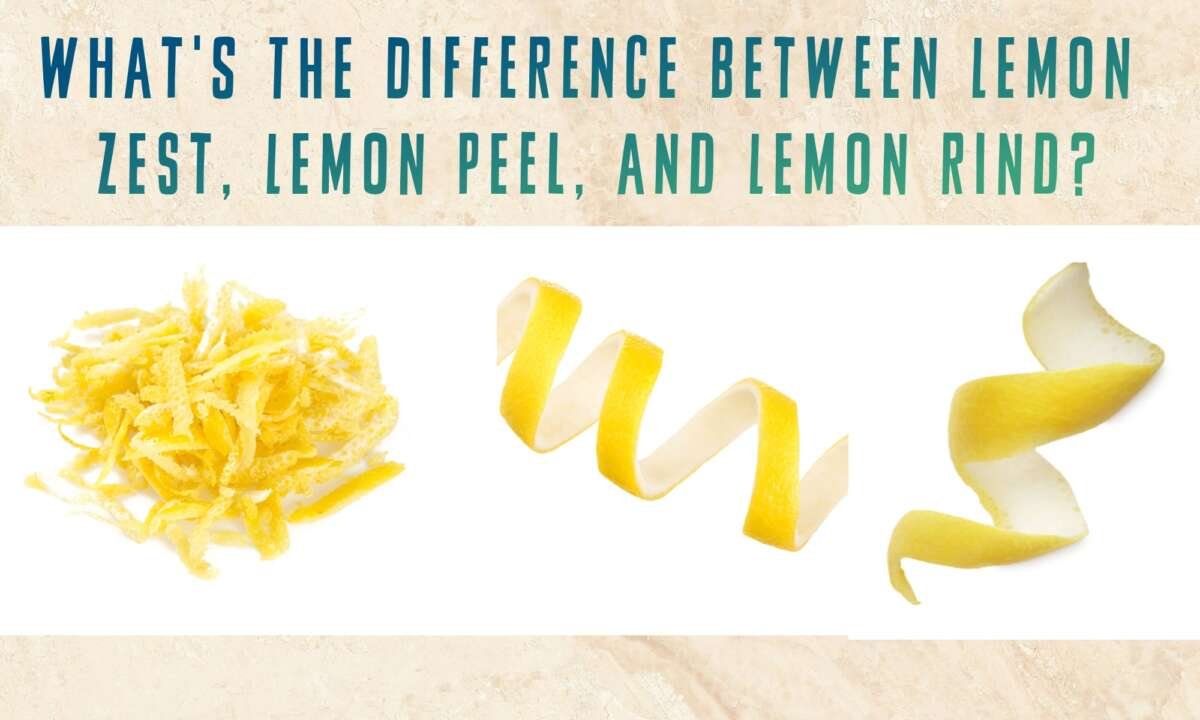
Lemon Zest, Lemon Peel, and Lemon Rind: What Is the Difference?
These terms are related, but they do not always mean the same thing.
• Lemon zest is the thin, colored outer layer of the peel, grated or finely cut.
• Lemon peel usually means the entire skin, including the yellow zest and white pith.
• Lemon rind may refer to the full outer skin, although some recipes use it to mean only the colored outer layer.
When a baking recipe asks for lemon zest, use only the yellow part. When a recipe calls for lemon peel in a stew, tea, or preserve, it may mean a larger piece with some pith included.
Lemon zest has a strong aroma because its natural oils sit near the surface. It adds flavor without much liquid. Lemon juice, by contrast, adds acidity and moisture, so zest and juice are not interchangeable in equal amounts.

How to Measure Lemon Zest Accurately
The easiest way to measure lemon zest is to grate it directly into a measuring spoon. Use light pressure and turn the lemon often.
Follow these steps:
- Wash and dry the lemon well.
- Grate only the yellow outer skin.
- Stop when you see the white pith.
- Move to a fresh section of peel.
- Fluff the zest before measuring it.
- Level the measuring spoon with the back of a knife.
Do not press the zest tightly into the spoon. Packed zest contains more peel than loose zest, which can make the flavor too strong in delicate recipes.
A microplane creates very fine zest. It works well for cakes, custards, pasta, and salad dressings. A box grater creates larger pieces, which may measure slightly differently and feel more noticeable when eaten.
In my kitchen tests, the tool made a clear difference. A medium lemon often gave close to 1 tablespoon with a microplane, but the same lemon could produce a little less when I used a coarse grater.

How Much Lemon Peel for Lemon Zest in Common Recipes?
The right amount depends on the dish and the other ingredients. A mild cake may need less zest than a large batch of cookie dough or a rich lemon sauce.
Here are useful starting points:
• Lemon cookies: Use 1 to 2 tablespoons for a standard batch.
• Lemon cake: Use 1 to 2 tablespoons for an 8-inch or 9-inch cake.
• Muffins: Use 1 tablespoon for 12 muffins.
• Salad dressing: Use 1 teaspoon for about ½ cup of dressing.
• Pasta sauce: Use 1 to 2 teaspoons for four servings.
• Fish or chicken: Use 1 to 2 teaspoons for four portions.
• Lemon bars: Use 1 to 2 tablespoons, depending on the recipe.
• Tea: Use ½ to 1 teaspoon of zest per cup.
• Simple syrup: Use the peel of one lemon for about 1 cup of syrup.
These are flexible amounts. Start with less when using zest in a mild dish. You can add more, but you cannot easily remove it once mixed in.
When deciding how much lemon peel for lemon zest, consider the lemon’s size and the strength you want. Fresh zest can taste sharp and floral, while dried zest is milder and more concentrated by weight.

How Much Zest Comes From One Lemon?
One medium lemon usually produces about 1 tablespoon of zest. That is the most useful everyday conversion for home cooking.
The result depends on several factors:
• Lemon size: Larger lemons have more surface area.
• Lemon variety: Meyer lemons often have a thinner, softer peel and a sweeter aroma.
• Peel thickness: Thick-skinned lemons may provide more usable zest.
• Grater type: Fine graters and peelers produce different volumes.
• Measuring style: Loose zest takes up less space than packed zest.
If you need a precise amount, zest the lemon first, then measure the result. This method is more reliable than counting lemons.
For a recipe that needs ½ tablespoon, use about half the zest from a medium lemon. For ¼ teaspoon, use a very small pinch, or grate a little zest and measure it with a small spoon.

What Part of the Lemon Peel Should You Use?
Use the colored outer peel and avoid the white pith whenever possible. The yellow surface contains lemon oil, which gives zest its fresh smell and flavor.
The pith is not harmful to eat, but it can taste bitter. A little pith will not ruin a large soup or stew. However, even a small amount may stand out in whipped cream, frosting, custard, or a delicate vinaigrette.
To avoid pith, hold the lemon gently against the grater. Use short strokes rather than pushing the fruit deeply into the holes. Rotate the lemon after each stroke.
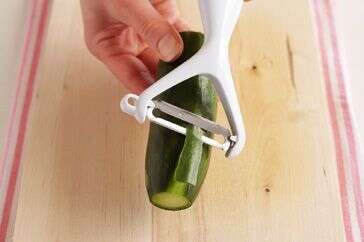
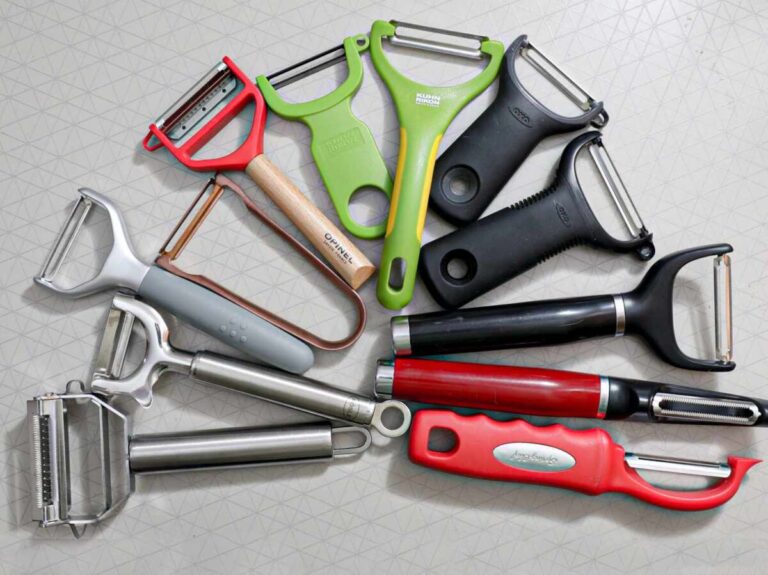
A vegetable peeler can also work. Peel thin strips, then mince them with a sharp knife. This method gives a stronger texture and works well for infused oil, syrup, cocktails, and braised dishes.

The Best Tools for Making Lemon Zest
Different tools produce different forms of zest. Choose based on the recipe and the texture you want.
Microplane grater
A microplane makes soft, fine zest. It releases plenty of fragrant oil and blends smoothly into batter, sugar, sauces, and dressings.
Fine box grater
A fine box grater is a useful substitute. It may create slightly larger pieces, so chop the zest if you want a smoother texture.
Citrus zester
A citrus zester creates thin strips or small curls. It looks attractive on desserts and drinks but may need extra chopping for baking.
Vegetable peeler
A peeler removes wider strips of peel. Use it for lemon-infused water, syrup, cooking oil, or dishes that simmer for a long time.
Sharp knife
A knife works when you have no grater. Remove thin strips, scrape away excess pith, and mince the peel as finely as possible.
The tool can change how much lemon peel for lemon zest you need. Fine zest packs more tightly and spreads flavor more evenly than large strips.

How to Zest a Lemon Without Making It Bitter
Start with a clean, dry lemon. Water left on the peel can make the fruit slippery and harder to control.
Place the grater over a plate or bowl. Move the lemon gently across the surface, turning it after each stroke. Stop when the yellow color fades and the white pith appears.
Avoid zesting one spot repeatedly. This is the main reason people scrape into the bitter pith.
For the best flavor, zest the lemon before squeezing it. A whole lemon is easier to hold, and the firm peel moves more safely across the grater. If the lemon is already soft, use a peeler instead.
One useful baking trick is to rub fresh zest into sugar with your fingertips. This releases the lemon oils and spreads the flavor through the sugar. It works especially well in cakes, shortbread, and muffins.

Can You Use Lemon Peel Instead of Lemon Zest?
You can use lemon peel instead of lemon zest only when you prepare it properly. If the recipe needs zest, remove the yellow layer and mince it finely.
Do not add thick strips of whole peel to a cake or cookie recipe. The texture will be tough, and the pith may add bitterness. Larger pieces are better for infusions, stocks, marinades, and slow-cooked dishes.
If you only have dried lemon peel, use less than you would use of fresh zest. A practical starting point is:
• 1 teaspoon fresh zest equals about ¼ teaspoon dried lemon zest.
• 1 tablespoon fresh zest equals about ¾ teaspoon dried zest.
Dried products vary in strength, so check the package directions when available. Add a small amount first, then adjust after the flavor develops.
Fresh Lemon Zest vs. Bottled Lemon Zest
Fresh zest usually has a brighter aroma and a softer texture. It is the better choice for baking, sauces, and recipes where lemon is a main flavor.
Bottled or dried lemon zest can be useful when fresh lemons are not available. However, the flavor may be less lively, and some products include sugar, salt, or preservatives.
Check the ingredient label before using a packaged product. A product labeled “lemon peel” may contain pith, while “lemon oil” is much more concentrated and should not be substituted spoon for spoon.
Fresh lemons also give you juice, which is helpful when a recipe needs both ingredients. Zest the lemon first, then squeeze it. This order reduces waste and makes the fruit easier to handle.