Are Metal Mixing Bowls Safe: Essential Safety Facts
Yes, metal mixing bowls are safe for most foods when you choose and use them properly.
Are metal mixing bowls safe? In most kitchens, yes. stainless steel bowls are strong, clean, and useful for mixing, storing, and serving food. Still, the metal type matters. Acidic foods, damaged surfaces, and poor care can change the answer. This guide explains the science, safety limits, best uses, and simple ways to choose a reliable bowl.
Are metal mixing bowls safe for everyday cooking?
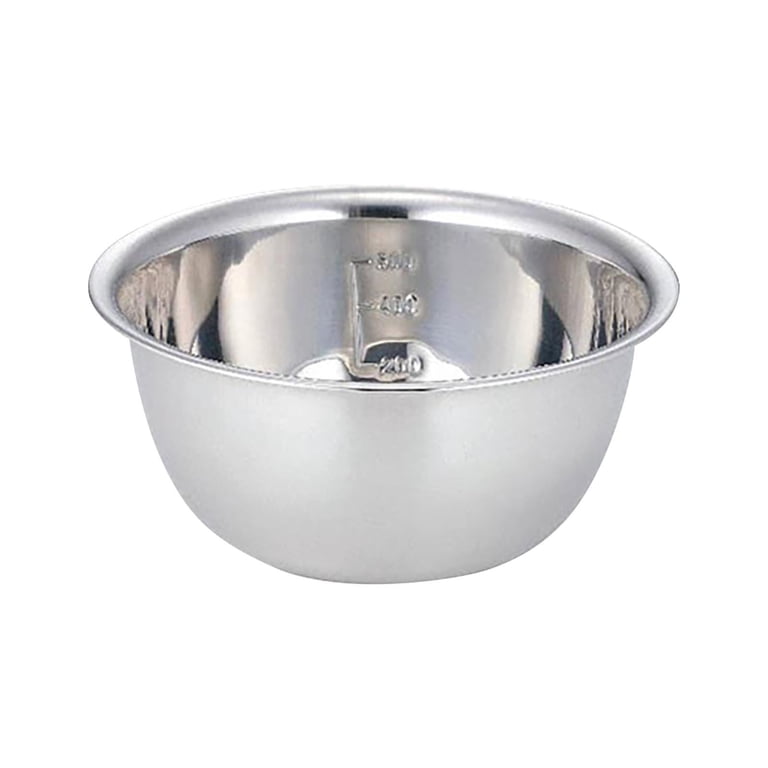
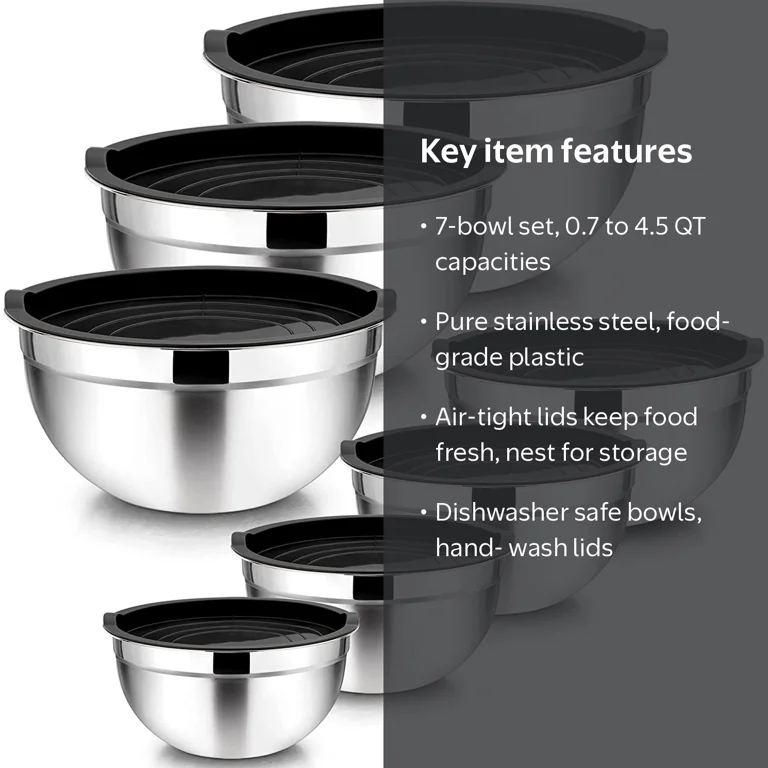
Metal mixing bowls are safe for everyday cooking when they are made from food-grade metal and kept in good condition. The safest and most common choice is stainless steel. It does not absorb food odors, stains, or liquids, and it is easy to wash.
Stainless steel bowls are used in home kitchens, bakeries, restaurants, and food plants. Their smooth surface gives germs fewer places to hide. This makes them a practical choice for eggs, flour, vegetables, sauces, and dough.
When people ask, “Are metal mixing bowls safe?” they often worry about metal getting into food. A high-quality stainless steel bowl releases very little metal during normal use. The risk is usually low for healthy adults.

What makes stainless steel bowls safe?
Stainless steel is an alloy. This means it combines iron with other metals. Most food bowls use stainless steel that contains chromium and nickel. Chromium helps the surface resist rust, while nickel helps improve strength and corrosion resistance.
The surface forms a thin protective layer when exposed to air. This layer helps keep the metal stable. It is one reason stainless steel works well with wet foods and regular washing.
Common food-safe grades include:
• 304 stainless steel, often called 18/8 or 18/10, is widely used for kitchen tools.
• 316 stainless steel offers greater resistance to salt and acidic foods, though it costs more.
• 430 stainless steel is nickel-free and often used in kitchen products, but it may resist corrosion less well than 304 steel.
The numbers do not tell the whole story. A bowl should also come from a trusted maker. Look for clear labeling, smooth welds, and a finish without pits or flaking.
Are metal mixing bowls safe with acidic foods?
Most stainless steel mixing bowls are safe with acidic foods for normal meal preparation. You can usually mix tomatoes, citrus juice, vinegar, yogurt, and fruit without a problem.
The concern grows when acidic food sits in a metal bowl for a long time. Acid can slowly react with low-quality metal, scratched coatings, or reactive metals such as aluminum and copper. This may cause a metallic taste or allow small amounts of metal to enter the food.
For best results, follow these simple rules:
• Use stainless steel for short-term mixing of acidic foods.
• Move tomato sauce, lemon curd, or vinegar dressing to glass or ceramic if it will sit for many hours.
• Do not store strongly acidic food in a scratched or rusty bowl.
• Avoid unknown metal bowls with no material label.
• Wash the bowl after use and dry it well.
So, are metal mixing bowls safe for lemon juice? A good stainless steel bowl is usually safe. A reactive or damaged bowl is a different matter.

Are aluminum mixing bowls safe?
Aluminum mixing bowls can be safe, but they need more care than stainless steel. Bare aluminum reacts more easily with acidic and salty foods. It can also darken, pit, or leave a gray mark on food.
Many aluminum bowls are anodized. Anodizing creates a harder surface that reduces reactivity. Even then, follow the maker’s instructions and avoid harsh cleaners that can damage the finish.
Aluminum is light and conducts heat well. That makes it useful for tasks such as whipping egg whites or cooling ingredients. Yet stainless steel is usually the better all-purpose choice.
Keep these points in mind:
• Do not use bare aluminum for long storage of tomato, citrus, or vinegar-based foods.
• Replace bowls with deep pits, peeling surfaces, or heavy discoloration.
• Do not scrub anodized aluminum with abrasive pads.
• Choose a bowl labeled for food use.
If you have kidney disease or another condition that affects metal exposure, ask your health professional for personal advice. Normal kitchen use is not the same as medical exposure, but individual needs can differ.
Are copper, galvanized, or coated metal bowls safe?
Copper bowls can be useful, especially for whipping egg whites. Copper ions help stabilize the foam, which can create a taller and more lasting meringue. However, bare copper should not touch acidic foods because it can react and become unsafe.
Many copper bowls have a stainless steel lining. These are safer for general use, as long as the lining remains intact. Do not use a lined bowl if the surface is cracked, peeling, or badly scratched.
Galvanized metal is coated with zinc. It is not a good choice for mixing or storing acidic foods. Acid can react with the zinc coating and contaminate food.
Nonstick or painted metal bowls need close inspection. If the coating chips or flakes, stop using the bowl. Food-safe does not mean safe forever. Damage can change a bowl’s performance.
When asking, “Are metal mixing bowls safe?” identify the exact metal first. “Metal” is a broad term, and stainless steel is not the same as copper, aluminum, or galvanized steel.

Can metal bowls go in the microwave?
No. Metal bowls should not go in a microwave unless the appliance maker clearly states that a specific metal accessory is approved. Metal can reflect microwave energy and create sparks. This may damage the oven or cause a fire.
Use glass, ceramic, or a microwave-safe plastic container instead. You can move the food back into the metal bowl after heating.
Metal bowls are often safe in a conventional oven, but check the product instructions first. Handles, rubber bases, painted surfaces, and coatings may not tolerate high heat.
Metal bowls can also become very hot in an oven. Use oven mitts and place the bowl on a stable surface.
Are metal mixing bowls safe for a stand mixer?
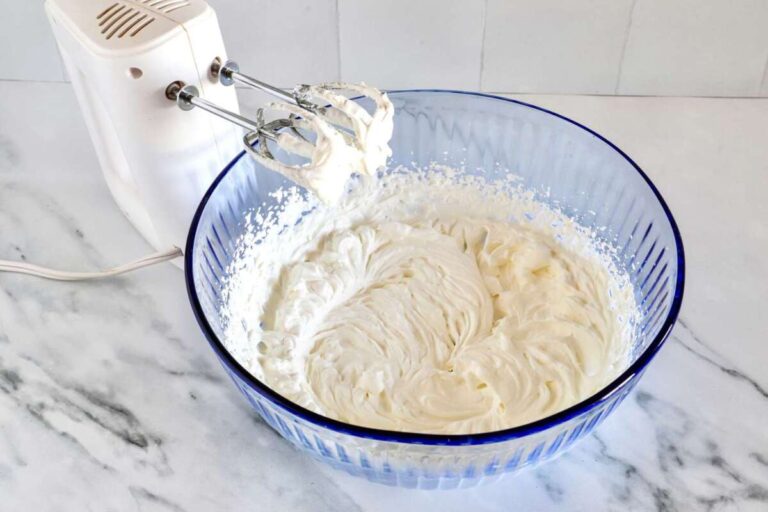
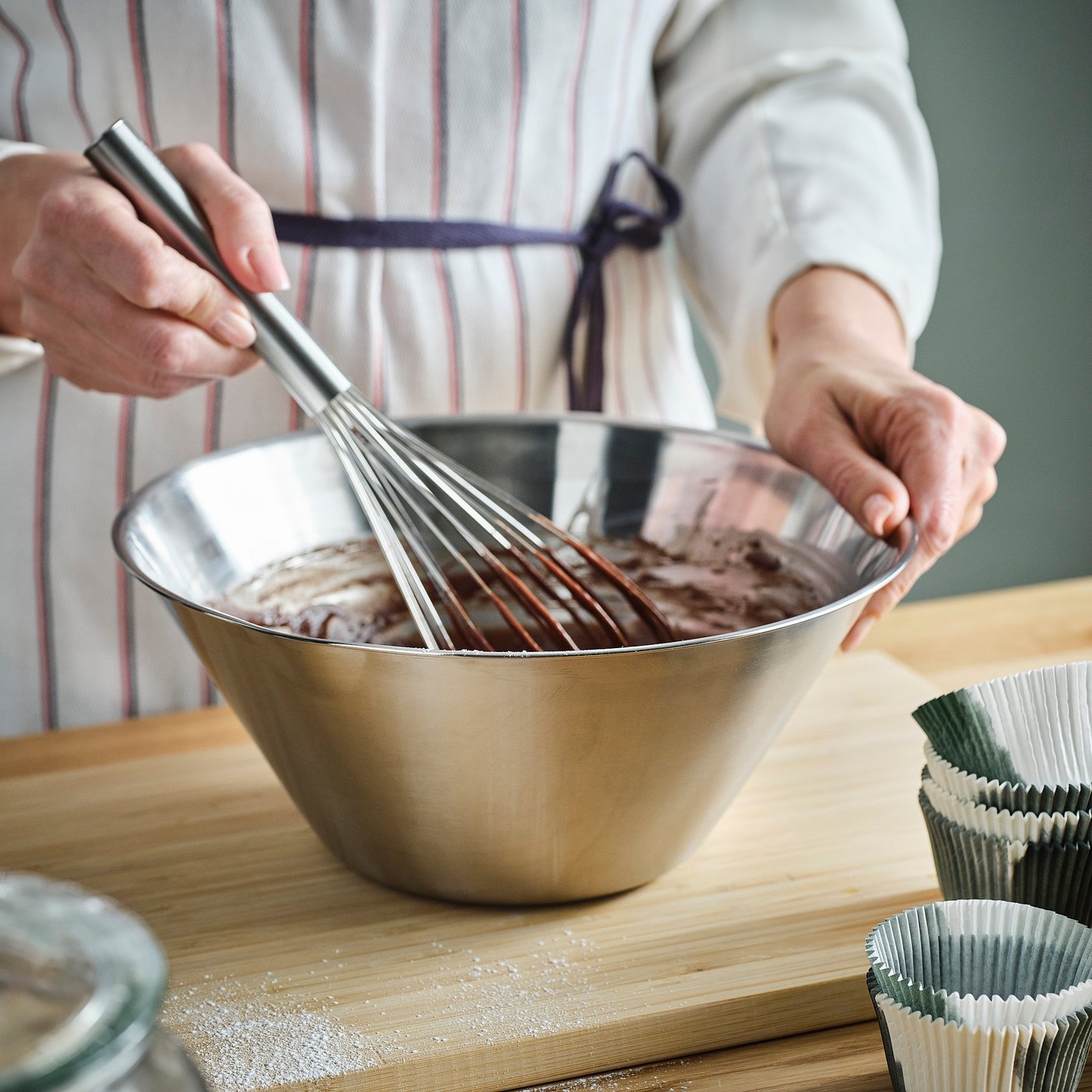
Many stainless steel mixer bowls are designed for stand mixers and are safe when they fit the machine correctly. The bowl should lock into place without wobbling. A loose bowl can move during mixing and damage the mixer or spill food.
Do not use a random metal bowl in place of the bowl supplied with your mixer. The shape, height, rim, and base all affect safe operation.
Before using a mixer bowl:
• Check for dents around the rim and base.
• Confirm that the bowl locks into the mixer.
• Keep hands and tools away from moving beaters.
• Stop the mixer before scraping the sides.
• Replace a bowl that no longer sits firmly.
A stainless steel bowl is also helpful because it does not hold odors from garlic, onions, or spices. That makes it a good choice for both baking and savory cooking.

Health benefits and possible risks of metal bowls
The main benefit of metal mixing bowls is hygiene. Stainless steel is nonporous, so it does not soak up raw egg, meat juices, or dairy. It is also less likely to retain stains than plastic.
Metal bowls are durable and often last for many years. A long-lasting bowl creates less waste than a thin plastic bowl that becomes cloudy or scratched. Stainless steel also handles hot and cold ingredients well.
Still, metal bowls have limits:
• Some people have a nickel allergy or sensitivity.
• Reactive metals can affect acidic or salty foods.
• Scratches and pits can collect residue.
• Metal can change temperature quickly and may be uncomfortable to hold.
• A bowl may transfer heat to food faster than glass or ceramic.
Nickel allergy is worth noting. Most people can use 18/8 or 18/10 stainless steel without trouble. If a bowl causes a rash after skin contact, stop using it and ask a medical professional for advice. Do not assume every reaction comes from the bowl, since soaps and food ingredients can also irritate skin.
How to clean and care for metal mixing bowls
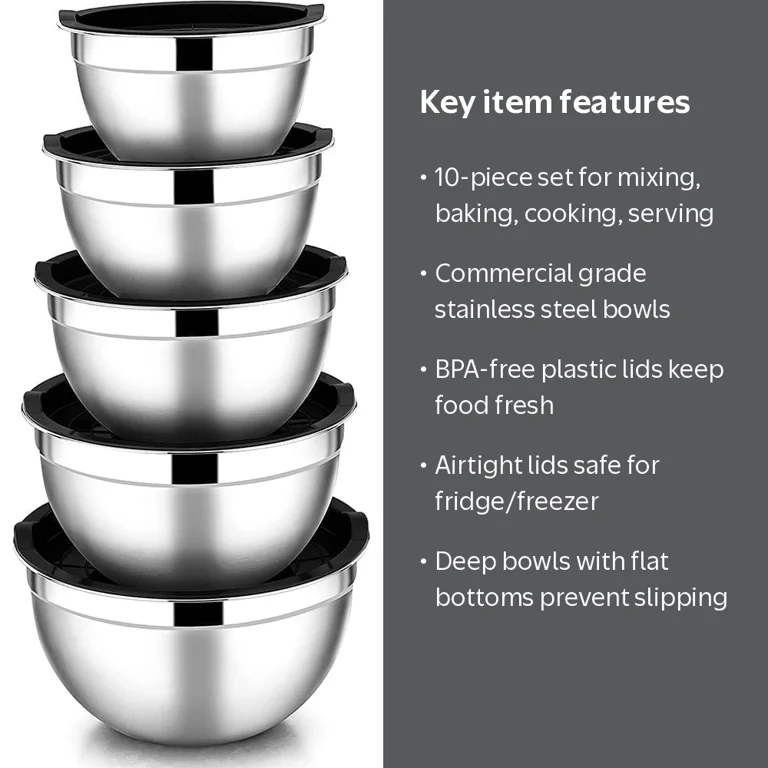
Good care keeps a metal bowl safe and extends its life. Wash it soon after use, especially after mixing eggs, cream, meat, or acidic foods.
Use warm water, dish soap, and a soft sponge. For stuck food, soak the bowl rather than scraping hard with a knife. Abrasive tools can create scratches that make cleaning harder.
A simple care routine includes:
-
Rinse away food soon after use.
-
Wash with mild dish soap.
-
Rinse well to remove soap film.
-
Dry the bowl fully to reduce water spots.
-
Inspect the surface from time to time.
-
Store it in a dry place.
Most stainless steel bowls are dishwasher safe, but always check the label. Dishwasher detergent can dull some finishes. Never mix bleach with acidic cleaners or other cleaning products. This can release harmful fumes.