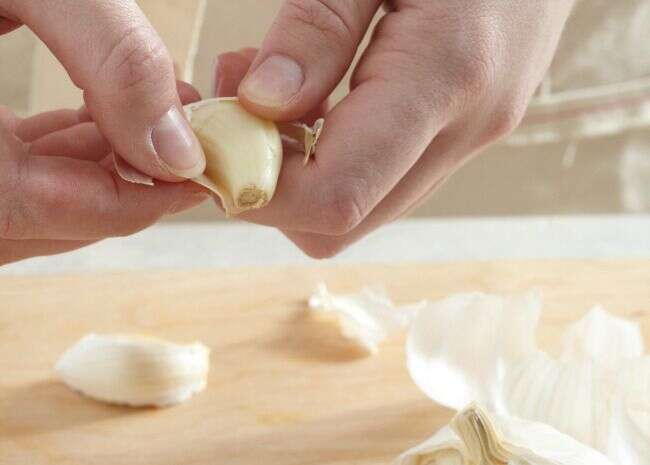
What Can You Do With Garlic Peels: Smart Uses
You can use garlic peels to make broth, compost, infused oil, garden tea, and natural kitchen flavoring.
If you have tossed garlic skins into the trash, you may have missed a useful kitchen resource. The answer to what can you do with garlic peels includes several simple, low-waste ideas, from adding mild flavor to soups to enriching compost. Garlic peels are not just waste; they contain fiber, plant compounds, and useful aroma that can support many household projects when handled safely.
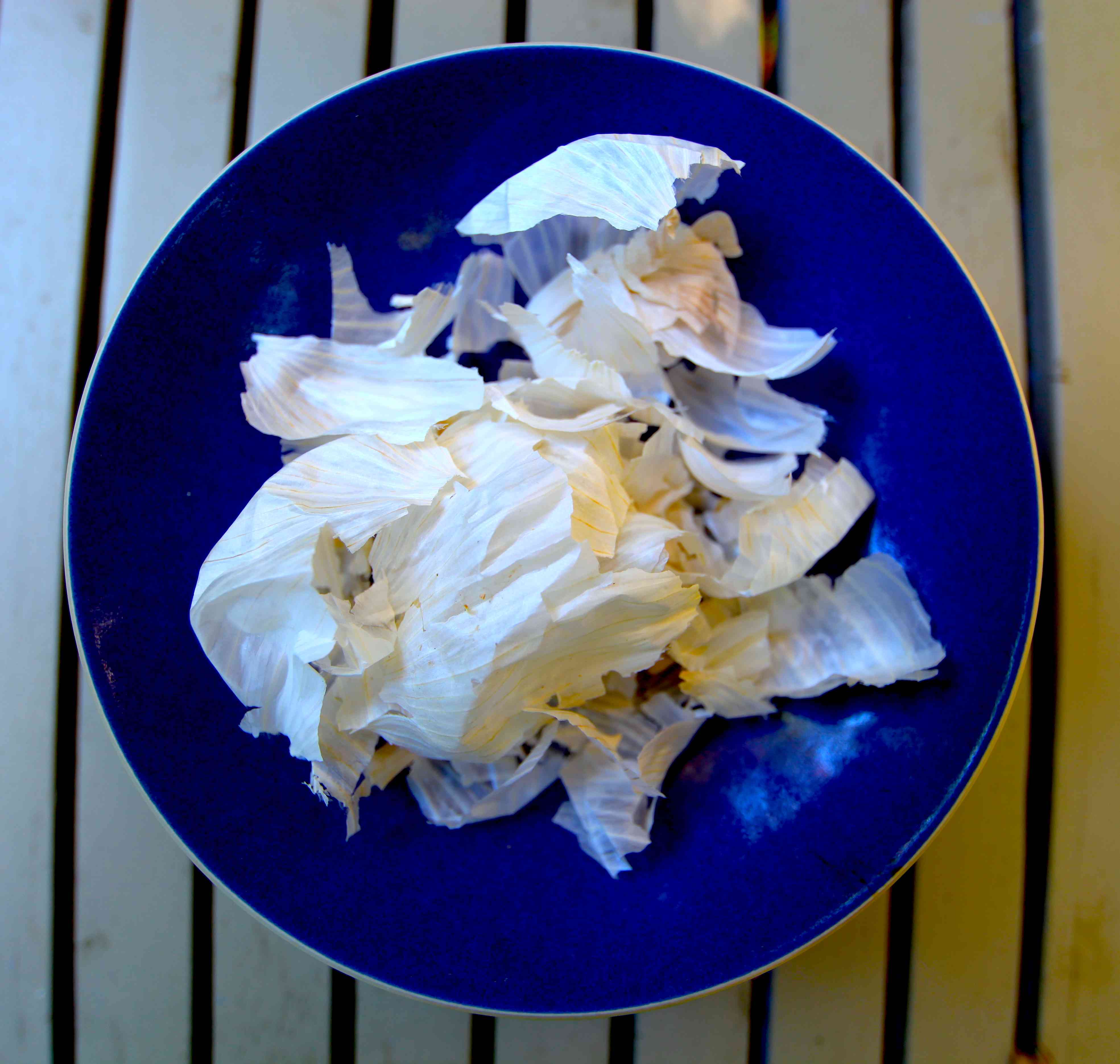
What Can You Do With Garlic Peels?
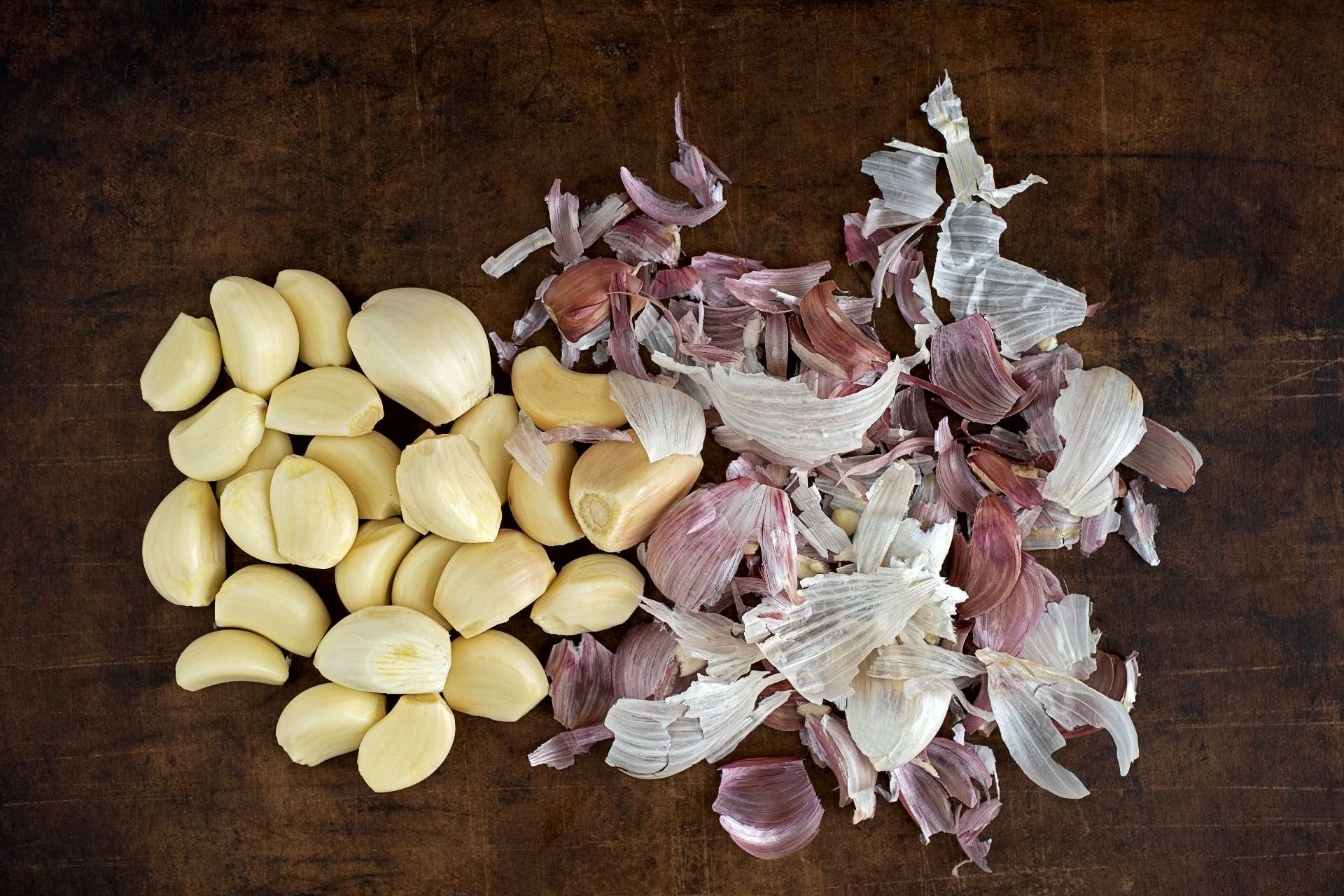
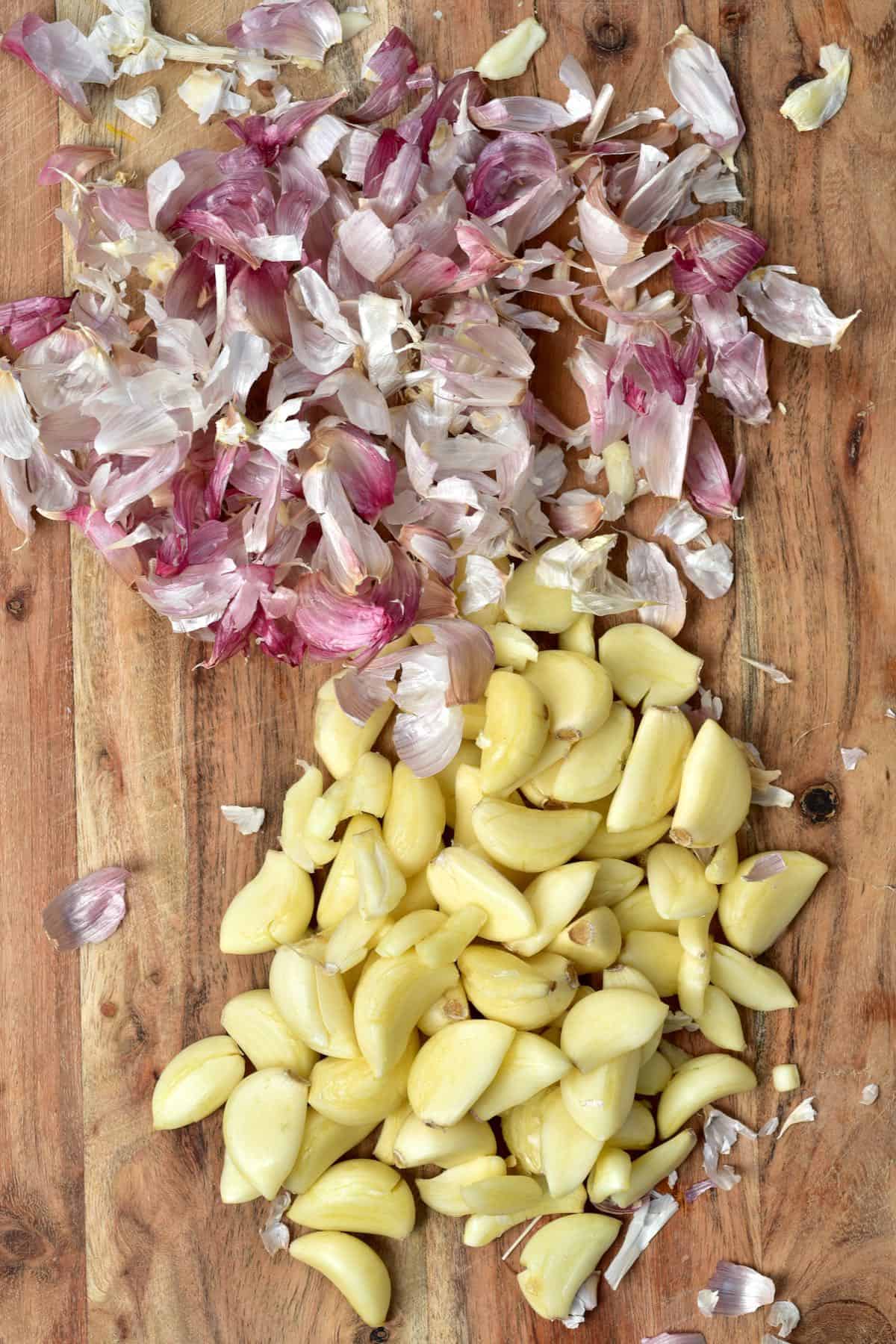
Garlic peels are the thin, papery layers that protect each clove. They may look dry and useless, but they still hold flavor and natural plant compounds. The peels are usually too tough to eat on their own, yet they work well when steeped, simmered, dried, or composted.
The best answer to what can you do with garlic peels depends on their condition. Clean, dry peels are useful for cooking and gardening. Peels that are wet, moldy, slimy, or mixed with spoiled food should go into the trash or compost instead.
Here are the most useful ways to reuse garlic peels:
- Make a flavorful vegetable broth.
- Add them to soups, stews, and stocks.
- Dry and grind them into seasoning powder.
- Use them in homemade garlic salt.
- Add them to a compost pile.
- Make a mild garden soil tea.
- Infuse them into vinegar for cleaning.
- Use them for natural craft dye.
- Add them to a simmer pot for fragrance.
Garlic skins contain compounds related to those found in garlic cloves, including sulfur compounds and antioxidants. However, the peel is not a medicine, and eating large amounts may cause stomach discomfort. Treat it as a flavorful plant material, not a cure for illness.
Make Garlic Peel Broth
One of the easiest answers to what can you do with garlic peels is to use them in broth. Garlic skins add a light savory taste and a warm color. They work especially well with onion ends, carrot tops, celery leaves, mushroom stems, and herb stems.
How to make garlic peel broth
- Rinse the peels under cool water to remove dirt.
- Add one or two handfuls of peels to a pot.
- Add vegetable scraps, herbs, and about 6 cups of water.
- Simmer for 30 to 45 minutes.
- Strain the liquid through a fine mesh sieve.
- Cool it quickly and store it in the refrigerator.
Use the broth as a base for rice, beans, gravy, sauces, or soup. The flavor is mild, so garlic peels usually work best with other vegetable scraps rather than alone.
Do not boil the broth for many hours. Long cooking can make the liquid bitter or overly strong. Also, avoid using peels that have touched soil, pesticides, mold, or spoiled food.
A practical kitchen tip is to keep a freezer bag for clean vegetable scraps. Add garlic peels as you cook, then make broth when the bag is full. This turns small scraps into a useful ingredient and reduces food waste.
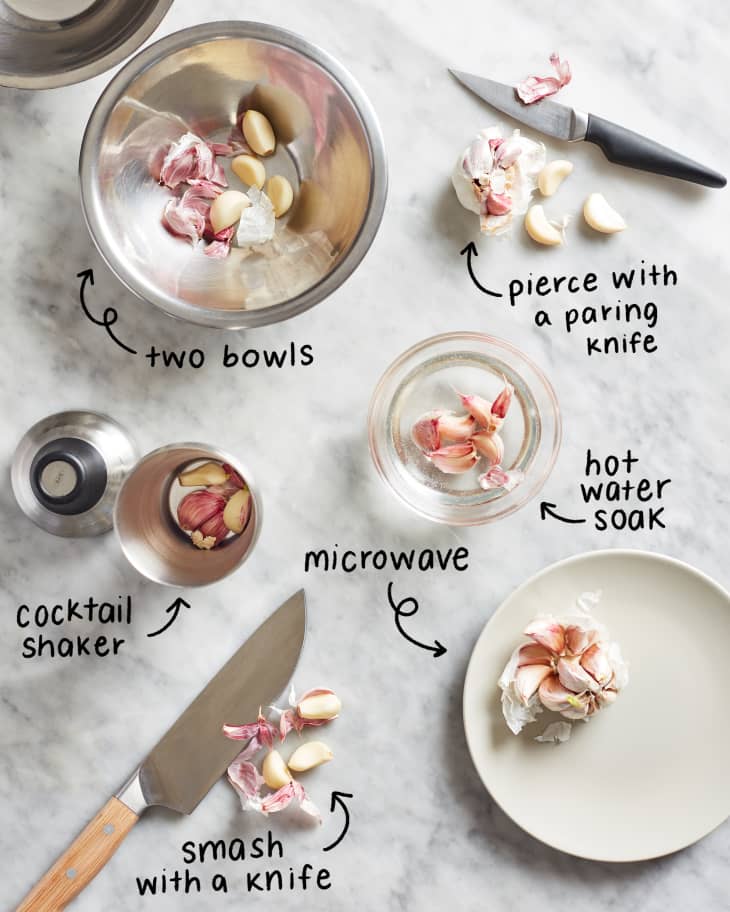
Add Garlic Peels to Soups and Stocks
What can you do with garlic peels when you do not want to make a separate broth? Add them directly to a soup or stock, then remove them before serving.
The skins act like a bay leaf or herb stem. They release aroma while cooking but remain too fibrous to chew. Add them to chicken stock, beef stock, bean soup, lentil soup, or a pot of homemade marinara sauce.
For easy removal, place the peels in one of these:
- A reusable tea infuser.
- A small piece of cheesecloth.
- A stock bag.
- A fine mesh cooking pouch.
This method helps prevent small flakes from spreading through the dish. It also makes the cooking process easier because you can lift the pouch out at the end.
Garlic peels pair well with:
- Onions and shallots.
- Carrots and celery.
- Thyme, rosemary, and parsley stems.
- Black peppercorns.
- Mushroom stems.
- Tomato cores.
Use only a small amount at first. The taste should support the dish, not overpower it. In my recipe testing approach, I would begin with the peels from two or three cloves for a medium pot of soup, then adjust the next time.
Dry Garlic Peels for Seasoning
Another useful answer to what can you do with garlic peels is to turn them into a dry seasoning. The result will not taste as strong as garlic powder made from whole cloves, but it can add a mild savory note.
Steps for making garlic peel powder
- Rinse the peels and pat them dry.
- Spread them on a clean baking sheet.
- Dry them at the lowest oven setting, usually about 150 to 200°F.
- Check them every 15 minutes.
- Remove them when they feel crisp and brittle.
- Let them cool fully.
- Grind them in a spice grinder or clean coffee grinder.
- Store the powder in a dry, sealed jar.
You can also dry garlic peels in a food dehydrator. Drying time varies with humidity, peel thickness, and appliance temperature.
Mix the powder into:
- Soups and sauces.
- Rice and roasted vegetables.
- Popcorn seasoning.
- Homemade spice blends.
- Bread dough.
- Savory dips.
- Breadcrumbs.
Always make sure the peels are fully dry before storing them. Any remaining moisture can encourage mold. If the powder smells musty, looks damp, or changes color in an unusual way, discard it.
Garlic peel powder is best used in small amounts. Start with one-quarter teaspoon in a dish, taste it, and add more if needed.

Make Garlic-Infused Vinegar
What can you do with garlic peels if you want a simple household cleaner or cooking vinegar? You can steep clean, dry peels in vinegar.
Garlic-infused vinegar has a sharp smell and can work well in salad dressings, marinades, and some household cleaning jobs. White vinegar is useful for cleaning, while apple cider vinegar gives a softer flavor for food.
Basic method
- Place clean, dry garlic peels in a glass jar.
- Cover them with vinegar.
- Seal the jar and keep it in a cool, dark place.
- Shake it gently once a day.
- Strain it after one to two weeks.
- Store the strained vinegar in a clean bottle.
Do not use garlic-infused vinegar as a replacement for a registered disinfectant. Vinegar can help remove mineral deposits, soap film, and some odors, but it does not reliably kill every harmful germ.
Never mix vinegar with chlorine bleach or products containing bleach. This can create dangerous fumes. Label the bottle clearly, especially if children or pets live in the home.
For food use, keep the vinegar refrigerated after straining and use a clean spoon each time. If you notice mold, gas, or an unpleasant rotten smell, throw it away.
Use Garlic Peels in Compost
Composting is one of the safest answers to what can you do with garlic peels. The peels break down over time and return organic matter to the soil.
Add garlic skins to a balanced compost pile with both brown and green materials. Garlic peels are a dry, carbon-rich material, so mix them with moist items such as fruit scraps, vegetable scraps, grass clippings, or coffee grounds.
A healthy compost mix may include:
- Dry leaves and paper.
- Vegetable and fruit scraps.
- Coffee grounds.
- Grass clippings.
- Small amounts of garlic and onion peels.
- Garden trimmings.
Cut large pieces into smaller bits before adding them. Smaller pieces break down faster. Bury fresh food scraps under the center of the pile to reduce odors and discourage flies.
Garlic peels may break down more slowly than soft vegetable scraps because they are dry and papery. That is normal. Moisture, airflow, and regular turning help the process.
Avoid placing heavily salted, oily, or moldy food into a small home compost bin. Also check local rules before adding food scraps to a community compost program.

Make Garlic Peel Tea for the Garden
Some gardeners steep garlic peels in water and use the liquid around plants. This is another possible answer to what can you do with garlic peels, but it is important to keep expectations realistic.
Garlic peel tea is not a proven replacement for fertilizer. It may add small amounts of plant material to the soil, but the nutrient value is limited. It should not be marketed as a guaranteed insect killer or plant disease cure.
How to make a mild peel soak
- Place a handful of clean garlic peels in a container.
- Add about 4 cups of water.
- Cover the container loosely.
- Let it steep for 12 to 24 hours.
- Strain the liquid.
- Dilute it with an equal amount of water.
- Apply it to the soil around ornamental plants.
Test the mixture on one small area first. Some plants may react poorly to concentrated garlic compounds. Do not spray it on edible crops close to harvest unless you know the mixture is safe and clean.
The best use for garlic peel tea is as a mild garden experiment, not a main source of plant nutrition. Healthy soil still depends on compost, proper watering, sunlight, and a balanced fertilizer when needed.
:max_bytes(150000):strip_icc()/102046990_Peeling-Garlic_Photo-by-Meredith-d5239faa09d5468381dfb123ebaba9cb.jpg)
Use Garlic Peels for Natural Dye
What can you do with garlic peels beyond cooking and gardening? You can use them as a natural dye for paper, eggs, or small pieces of natural fabric.
The dye color may range from pale yellow to tan, gold, or light brown. Results depend on the type of garlic, the amount of peel, the fabric, and the length of time you simmer the peels.
Simple garlic peel dye method
- Add several handfuls of garlic peels to a pot.
- Cover them with water.
- Simmer for 45 to 60 minutes.
- Strain out the peels.
- Place natural fabric or paper into the liquid.
- Simmer or soak until the desired shade appears.
- Rinse gently and let the material dry.
Use a stainless steel or enamel pot that is not used for food preparation if possible. Natural dyes can stain cookware and countertops.
Garlic peel dye is best for crafts, not clothing that needs strong colorfastness. Wash the finished item gently because the shade may fade over time.
This is a fun project for children, but adults should handle the hot water and stove. Use clean peels and avoid material that has been treated with unknown chemicals.
Add Garlic Peels to a Simmer Pot
A simmer pot can make a kitchen smell warm and inviting. What can you do with garlic peels in this case? Use them with citrus rinds, herbs, and spices for a short-lived household fragrance.
Place the garlic peels in a pot with:
- Lemon or orange peels.
- Cinnamon sticks.
- Rosemary sprigs.
- Bay leaves.
- Cloves.
- Apple peels.
Cover the ingredients with water and keep the pot on very low heat. Check the water often and never leave the stove unattended. Turn off the heat before leaving the room or going to sleep.
Garlic has a strong savory smell, so use only a few peels. Too many can make the home smell like a cooking pot rather than a fresh simmer blend. If you prefer a sweeter scent, use more citrus and less garlic.
Do not use simmer pots to hide smoke, gas, mold, or other serious odors. Find and fix the source instead.
What Are the Benefits and Limits of Garlic Peels?
Garlic peels can support a lower-waste kitchen, but they are not a miracle ingredient. Their main benefits come from reuse, mild flavor, compost value, and the presence of natural plant compounds.
Potential benefits include:
- Less kitchen waste.
- Extra flavor in broth and soup.
- A simple way to use vegetable scraps.
- Organic material for compost.
- A low-cost craft dye.
- A mild aroma for simmer pots.
Garlic peels also have clear limits. They are fibrous and unpleasant to chew. Their nutrient content varies, and the amount used in broth or tea is usually small. There is not enough strong evidence to claim that garlic peel drinks prevent disease, remove toxins, or replace medical treatment.
People with sensitive digestion may experience discomfort from garlic materials. Anyone with a garlic allergy should avoid the peels. Pets should not be given garlic peels or garlic-based foods because garlic can be harmful to dogs and cats.
Safe handling matters as much as creative reuse. Wash the peels, use clean tools, avoid spoiled material, and refrigerate homemade broth promptly.
Safe Storage and Handling Tips
If you want to explore what can you do with garlic peels, start with proper storage. Keep clean, dry peels in a breathable paper bag or a sealed freezer container. Do not store damp peels at room temperature for several days.
Follow these basic rules:
- Remove soil and loose debris before storing.
- Discard peels with mold or a sour smell.
- Freeze peels if you will not use them within a few days.
- Label frozen scraps with the date.
- Cool broth quickly in shallow containers.
- Refrigerate broth within two hours.
- Use refrigerated broth within three to four days.
- Freeze broth for longer storage.
- Keep raw and cooked materials separate.
- Wash hands after handling dirty produce.
Food safety guidance recommends keeping perishable foods out of the temperature danger zone as much as possible. When in doubt, throw it out. A small amount of food waste is better than the risk of foodborne illness.
One mistake people often make is placing warm broth into a deep container. The center can stay warm for too long. Shallow containers help the broth cool faster and more safely.
Frequently Asked Questions About What Can You Do With Garlic Peels
Can you eat garlic peels?
Garlic peels are technically plant material, but they are dry, tough, and hard to digest. It is better to simmer them for flavor, strain them out, or compost them rather than eat them whole.
Can garlic peels go in the compost?
Yes, clean garlic peels can go into most home compost piles. Mix them with moist green materials and keep the pile balanced with dry leaves, paper, and other brown materials.
Can you make tea from garlic peels?
You can steep clean garlic peels in hot water, but the drink may taste bitter and has no proven medical benefit. Avoid treating garlic peel tea as a cure, and do not drink it if you have a garlic allergy or digestive sensitivity.
Are garlic peels good for plants?
Garlic peels can add organic material when composted. A garlic peel soak may be used as a mild garden experiment, but it is not a complete fertilizer or a proven pest control treatment.
Can garlic peels be used in broth?
Yes, garlic peels can add mild flavor and color to vegetable, chicken, or beef broth. Rinse them first, simmer them with other scraps, and strain the broth before serving.
Are garlic peels safe for dogs and cats?
Garlic and garlic-containing scraps can be harmful to dogs and cats. Do not feed garlic peels, broth containing garlic, or garlic-seasoned food to pets.
How long do garlic peels last in the refrigerator?
Dry peels can last several days in a clean, dry container, but moisture encourages mold. For longer storage, freeze the peels and use them later in broth or compost.
Conclusion
So, what can you do with garlic peels? You can simmer them in broth, add them to soup, dry them into seasoning, infuse them in vinegar, compost them, use them for simple craft dye, or include them in a mild garden experiment.
The safest approach is simple: use clean peels, keep portions modest, strain cooking liquids, and avoid unsupported health claims. Start by saving a small container of garlic skins in the freezer, then try a homemade broth or compost batch this week. Share your favorite garlic peel idea in the comments and explore more practical ways to reduce kitchen waste.

Liora Pennings is a seasoned chef and kitchen enthusiast with a passion for turning everyday cooking into an effortless experience. With years of hands-on culinary expertise, she specializes in practical techniques, ingredient know-how, and smart kitchen solutions that help home cooks elevate their meals. At KitchFlair.com, Liora shares her best tips, time-saving tricks, and honest product reviews to guide readers toward a more efficient, enjoyable, and inspired cooking routine. Whether you’re a beginner or a seasoned home chef, Liora’s friendly, knowledge-packed insights make every visit to the kitchen a little easier—and a lot more delicious.