What Is A Potato Peeler Called: Names And Uses
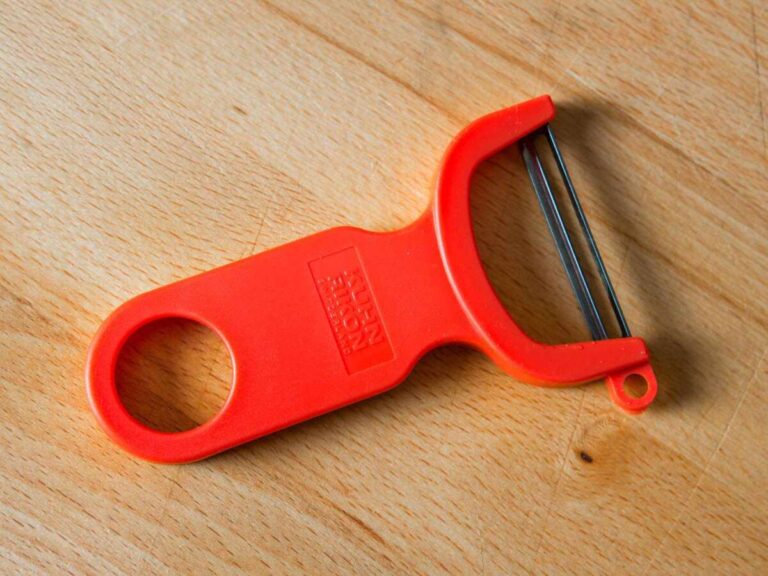
A potato peeler is commonly called a vegetable peeler, though some people call it a potato scraper.
If you have ever searched for what is a potato peeler called, the clearest answer is vegetable peeler. This small kitchen tool has a few names, blade styles, and uses, so learning the differences can help you choose the right one and use it safely.

What is a potato peeler called?
A potato peeler is most often called a vegetable peeler in the United States. The name vegetable peeler is more accurate because the tool can remove the skin from potatoes, carrots, apples, cucumbers, and many other foods.
Some people also use these names:
• Potato peeler
• Vegetable peeler
• Vegetable scraper
• Potato scraper
• Peeling knife
• Kitchen peeler
The most common term in stores and online is vegetable peeler. If you ask for a potato peeler at a kitchen shop, the staff will likely show you a vegetable peeler.
The phrase what is a potato peeler called has a simple answer, but regional language can make it seem more complex. In the United Kingdom, Australia, and other English-speaking areas, vegetable peeler is also widely used. Some older cooks may use the term potato scraper, especially for a basic metal tool with a sharp edge.

Why is it called a vegetable peeler?
The tool is called a vegetable peeler because its main job is to remove the thin outer skin from vegetables. Potatoes are one of the foods people peel most often, but they are not the tool’s only use.
A good peeler removes the skin in a narrow strip. It should take away the skin without wasting much of the edible food below it. This is why a peeler is usually more efficient than a kitchen knife.
The term also reflects how the tool is sold. Manufacturers usually group peelers with vegetable preparation tools, such as:
• Graters
• Slicers
• Mandolines
• Corers
• Zesters
• Julienne cutters
When someone asks what is a potato peeler called, vegetable peeler is the standard retail and culinary term. Potato peeler remains a perfectly clear everyday name.
Different types of potato peelers
Not every vegetable peeler looks or works the same way. The best style depends on your hand comfort, the food’s shape, and the type of peel you want to remove.
Swivel peeler
A swivel peeler has a blade that moves from side to side. This flexible design follows the curve of a potato or carrot.
Benefits include:
• Easy movement around round foods
• Good control for right-handed and left-handed users
• Less pressure on the wrist
• Useful for long, smooth strokes
A swivel peeler is often the best choice for daily kitchen use.
Y peeler
A Y peeler has a blade set across the top of a handle. You hold it like a small scraper and pull it toward yourself.
Many cooks like Y peelers because they are:
• Fast
• Light
• Easy to clean
• comfortable for large batches
• Effective on potatoes and firm vegetables
A sharp Y peeler can remove potato skin in seconds. However, you should keep your fingers behind the blade path.
Straight peeler
A straight peeler looks more like a small knife. Its blade lines up with the handle, much like a paring knife.
This style offers precise control. It can work well for small foods, thin strips, or detailed peeling. Some users find it less comfortable for peeling several pounds of potatoes.
Serrated peeler
A serrated peeler has small teeth along the blade. It can grip foods with rough or slippery skin.
This type may help with:
• Soft tomatoes
• Peaches
• Kiwifruit
• Squash
• Foods with uneven surfaces
For ordinary potatoes, a smooth blade usually works well. A serrated blade can be useful when a smooth peeler slips.
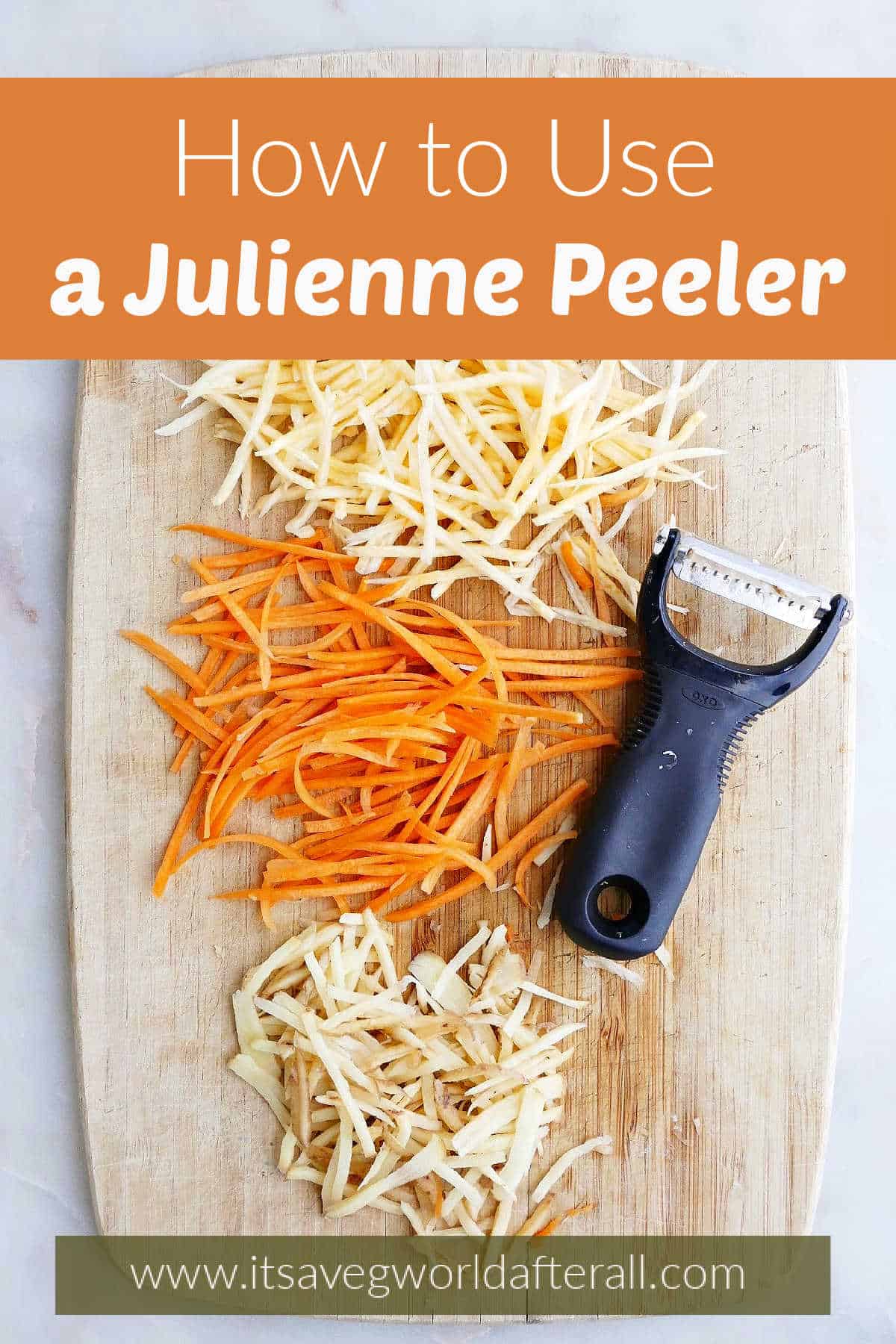
Julienne peeler
A julienne peeler cuts vegetables into thin strips as it removes the outer layer. It is not the usual answer to what is a potato peeler called, but it belongs to the same family of kitchen tools.
It is useful for making:
• Vegetable noodles
• Salad toppings
• Garnishes
• Stir-fry strips

How does a potato peeler work?
A vegetable peeler has a sharp blade held inside or beside a handle. As you pull the blade across the food, it cuts through the skin and lifts it away.
Most peelers remove only a thin layer. This helps reduce food waste and keeps more of the potato’s flesh intact. The blade may be fixed, swivel-mounted, smooth, or serrated.
To peel a potato safely:
- Wash the potato under cool running water.
- Hold it firmly on a stable cutting board.
- Move the peeler away from your body.
- Turn the potato slowly as you work.
- Rinse the potato after peeling.
- Wash and dry the peeler.
The U.S. Food and Drug Administration recommends washing produce before cutting or peeling it. Washing first helps prevent dirt and bacteria on the surface from moving into the edible part.
A common mistake is pressing too hard. A sharp peeler needs little force. Heavy pressure can remove too much food and may make the blade jump.

Potato peeler versus paring knife
A paring knife can peel a potato, but it is not the same tool as a vegetable peeler. A knife has a wider cutting edge and offers more control for trimming or shaping. A peeler is designed specifically to remove a thin layer.
Here is a simple comparison:
| Feature | Vegetable peeler | Paring knife |
|---|---|---|
| Main use | Removing thin skin | Peeling, trimming, and cutting |
| Speed | Usually faster for peeling | Often slower |
| Food waste | Usually low | Can be higher |
| Skill needed | Low to moderate | Moderate to high |
| Best for | Potatoes and firm produce | Detailed kitchen work |
When asking what is a potato peeler called, some people may say potato knife. That term is less precise. A potato knife can refer to a small knife, while vegetable peeler identifies the tool more clearly.
In my own kitchen testing, the biggest difference is consistency. A peeler produces an even strip, while a knife can dig into the potato if the angle changes.

How to choose the best vegetable peeler
Choosing a peeler is easier when you focus on comfort and blade quality rather than appearance. A simple tool can work very well if it fits your hand.
Look for these features:
• A sharp stainless steel blade
• A handle that does not slip when wet
• A comfortable grip
• A blade that moves smoothly
• A design that works for your dominant hand
• A hanging hole or storage cover
• Dishwasher-safe parts, if needed
A swivel peeler is a strong all-purpose choice. A Y peeler is often better for speed. A serrated peeler may suit soft or irregular produce.
Left-handed users should check the blade design before buying. Some peelers work equally well in either hand, while others have a one-sided cutting edge.
Weight also matters. A heavy peeler may feel strong, but it can tire your hand during meal preparation. A light tool with a sharp blade is often more comfortable.

How to use and care for a potato peeler
Proper care keeps the blade sharp and reduces the risk of injury. Even a small kitchen tool needs attention.
Use these practical habits:
• Wash the peeler soon after use.
• Remove food trapped near the blade.
• Dry it fully before storing it.
• Keep it in a drawer or utensil holder.
• Avoid using it on very hard foods.
• Replace it when the blade becomes dull or rusty.
• Do not leave it loose in a sink full of water.
A dull blade is not always safer. It often requires more pressure, which can cause slipping. If your potato peeler begins to drag, skips across the skin, or removes thick pieces, it may be time to replace it.
Do not try to sharpen every peeler. Some blades can be sharpened, but many inexpensive models are designed for replacement rather than maintenance.
One mistake I often see is storing a wet peeler in a closed drawer. Moisture can lead to rust, odors, and dull edges. A quick rinse and full dry can add much more life to the tool.

What can you peel with a vegetable peeler?
A vegetable peeler can handle many foods beyond potatoes. The best results come from choosing produce with a firm surface.
You can usually peel:
• Carrots
• Parsnips
• Sweet potatoes
• Cucumbers
• Apples
• Pears
• Zucchini
• Butternut squash
• Beets
• Celery root
Some foods need more care. A soft peach may bruise, and a very hard squash may require a stronger blade. For thick-skinned produce, cut the food into stable pieces before peeling.
You can also use a peeler to make thin ribbons from carrots, zucchini, and asparagus. These ribbons work well in salads, pasta dishes, and vegetable rolls.
The tool may be called a potato peeler, but its wider value is clear. It is a general kitchen tool, not a single-purpose gadget.
Common mistakes when using a potato peeler
Small technique problems can make peeling slow and frustrating. Most are easy to fix.
Using a dull blade
A dull peeler tears the skin instead of cutting it. Replace it when it begins to skip or requires strong pressure.
Peeling toward your hand
This creates an avoidable injury risk. Keep your free hand behind the blade and use controlled strokes away from your body.
Holding the food in the air
Peeling over a cutting board gives you more stability. For small foods, hold them near the base and rotate them slowly.
Removing too much flesh
Long, gentle strokes waste less food. Let the blade do the work instead of pushing down.
Ignoring produce shape
Round foods can roll. Cut a small flat section on large potatoes or squash when extra stability is needed.
Failing to wash produce first
Peeling does not replace washing. Surface dirt can spread to the inside when a knife or peeler passes through the skin.
What is a potato peeler called in different places?
Names can change by region, brand, and family tradition. Vegetable peeler is the most widely understood English term.