What Does A Potato Peeler Look Like: Visual Guide
A potato peeler is a small handheld tool with a sharp blade, handle, and simple peeling edge.
If you have never used one, you may wonder what does a potato peeler look like and how its parts work. Most models are easy to recognize, but their blade position, handle shape, and grip can vary. This guide explains the main types, shows what to look for, and shares practical tips for choosing and using one safely.
What Does a Potato Peeler Look Like?
A potato peeler usually looks like a small kitchen tool with a handle and a narrow metal blade. The blade removes a thin layer of skin from potatoes, carrots, apples, cucumbers, and other produce.
Most peelers are about 5 to 7 inches long. They are light enough to hold in one hand and small enough to fit in a kitchen drawer.
Common parts include:
• Handle: The part you hold. It may be plastic, rubber, wood, or stainless steel.
• Peeling blade: A sharp edge that slices under the skin.
• Blade frame: The piece that holds the blade in place.
• Eye remover: A small pointed tip on some models for removing potato sprouts and dark spots.
• Hanging hole: A hole at the end of the handle for storage.
The easiest way to picture a potato peeler is to imagine a small handle with a sharp shaving blade at its end. It works much like a tiny vegetable scraper.

The Main Types of Potato Peelers
When people ask what does a potato peeler look like, they are often thinking of the classic straight peeler. However, several designs are common in American kitchens.
Straight potato peeler
A straight peeler has a blade that runs across the top of the handle. The handle and blade form one long, fairly straight shape.
This design often looks like a small knife without a pointed cutting edge. You move it forward or backward across the food.
Straight peelers are simple and easy to store. They are useful for potatoes, carrots, apples, and firm vegetables.
Y-shaped potato peeler
A Y-shaped peeler has a handle below the blade. The blade stretches from one side of the top bar to the other, forming a shape similar to the letter Y.
This type is also called a horizontal peeler. Many cooks like it because the blade covers a wider area and feels balanced in the hand.
A Y-shaped peeler often looks like this:
• A rounded handle at the bottom
• A short neck that connects to the blade
• A horizontal blade at the top
• A swivel blade that follows the curve of a potato
Swivel peeler
A swivel peeler has a blade that moves slightly from side to side. This movement helps the blade follow the shape of round foods.
Swivel peelers can look like either straight or Y-shaped models. The key difference is that the blade is not fixed completely in place.
This design is helpful when peeling curved potatoes or long vegetables. It may also reduce the need to press hard.
Julienne peeler
A julienne peeler looks similar to a standard peeler, but its blade has small teeth. These teeth cut vegetables into thin strips instead of removing a smooth layer.
It is often used for carrots, zucchini, and cucumbers. It is not the best choice if you only want to peel potatoes.
Electric potato peeler
An electric peeler is less common in everyday homes. It may have a motor, rotating platform, or powered blade.
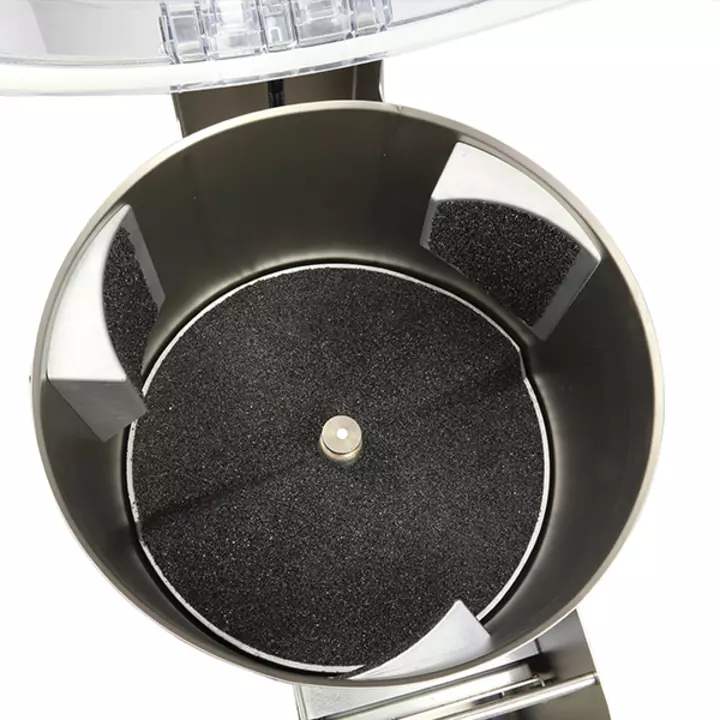
These machines can look much larger than a handheld peeler. Some are made for restaurants or food factories, while others are small countertop devices.
For most home cooks, a manual peeler is less costly, easier to clean, and more practical.

How to Recognize a Potato Peeler in a Kitchen Drawer
A potato peeler may be confused with a small knife, cheese slicer, or vegetable scraper. A few details can help you identify it.
First, look for a narrow blade with a long opening. The blade often has two sharp sides or a single sharpened edge. This opening lets the peeled skin pass through as you work.
Next, check the handle. A potato peeler usually has a rounded grip designed for repeated strokes. It does not have the broad blade found on a chef’s knife.
Some peelers also have a small metal point on one side. This point removes eyes, sprouts, or damaged areas from a potato.
A typical potato peeler may have:
• A slim metal blade
• A short, sturdy handle
• A blade that swivels or stays fixed
• A pointed eye remover
• A textured grip for better control
If the tool has a wide, flat metal surface with no cutting opening, it may be a cheese slicer instead. If it has many small teeth, it may be a grater or julienne tool.

What Materials Are Potato Peelers Made From?
The material affects how a potato peeler looks, feels, and performs. Most modern peelers combine metal and plastic or rubber.
Stainless steel
Stainless steel blades are common because they resist rust and are easy to clean. A good stainless steel blade should feel firm and sharp without bending during normal use.
Some stainless steel peelers have a full metal body. These look sleek and strong, but they may feel cold or slippery when wet.
Plastic
Plastic handles are light and often inexpensive. They come in many colors and shapes.
Plastic does not always mean poor quality. A well-made plastic handle can be comfortable and durable, especially when it has a non-slip surface.
Rubber
Rubber or soft-touch grips improve comfort. They can help prevent the tool from sliding when your hands are damp.
This feature matters if you peel many potatoes at once. Repeated motion can make a hard, smooth handle uncomfortable.
Wood
Wooden-handled peelers have a traditional look. They may feel warm and natural in the hand.
However, wood needs more care. It should be dried well after washing, and it may not be suitable for a dishwasher unless the maker says it is safe.

How a Potato Peeler Works
A potato peeler removes the skin through a controlled scraping motion. The blade slides between the outer skin and the firm flesh below it.
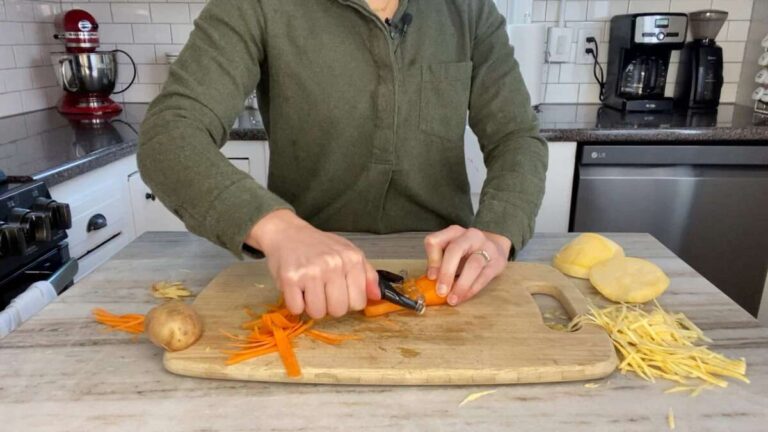
Hold the potato in one hand and the peeler in the other. Move the blade away from your body with steady, light pressure.
The sharp blade should do most of the work. If you need to push hard, the blade may be dull, blocked, or poorly designed.
For safer and cleaner peeling:
-
Wash the potato first to remove soil and grit.
-
Hold the potato firmly, but keep your fingers away from the blade path.
-
Peel in short strokes.
-
Turn the potato as you work.
-
Remove deep eyes with the pointed tip.
-
Rinse the potato after peeling.
A useful kitchen lesson is that speed is not the goal. Smooth control matters more. Rushing can cause the blade to slip, especially when the potato is wet.

Potato Peeler Designs Compared
The best design depends on your hand size, cooking habits, and the foods you peel.
| Peeler type | What it looks like | Main benefit | Possible limitation |
|---|---|---|---|
| Straight peeler | Long handle with a blade at the end | Simple and familiar | May feel less balanced |
| Y-shaped peeler | Blade across the top of a Y-shaped frame | Fast and efficient | Takes practice for some users |
| Swivel peeler | Blade that moves from side to side | Follows curved foods | Moving parts may collect food |
| Julienne peeler | Blade with small teeth | Makes thin vegetable strips | Not ideal for smooth peeling |
| Electric peeler | Motorized kitchen device | Requires less hand motion | Larger, costlier, and harder to clean |
A Y-shaped or swivel model often works well for people who peel many vegetables. A straight peeler may feel more natural to someone who already uses a small knife.
People with weak grip strength or joint pain may prefer a wide, cushioned handle. The shape of the handle can matter as much as the sharpness of the blade.

What to Look for When Buying a Potato Peeler
Understanding what does a potato peeler look like helps you compare models before buying one. Do not focus only on color or price. Pay attention to how the tool will feel during real use.
Check the blade
The blade should look even and clean. It should not have dents, gaps, or rough edges.
A sharp blade usually removes a thin strip of skin. A dull blade may tear the skin and require extra pressure.
Look at the handle
Choose a handle that fits your hand. A wide grip can feel better during long cooking sessions.
A non-slip surface is useful near water. Avoid a handle that feels loose or poorly attached to the blade.