What Peels Fruits And Vegetables: Best Tools Guide
A vegetable peeler, paring knife, or commercial peeling machine removes the skins from most fruits and vegetables.
Knowing what peels fruits and vegetables helps you choose the right tool for the job. A good peeler can save time, reduce waste, and create smooth strips, while a sharp knife offers more control for delicate or oddly shaped produce. This guide explains the main peeling tools, how they work, which foods need peeling, and how to peel safely.

What peels fruits and vegetables?
The most common tool that peels fruits and vegetables is a vegetable peeler. It has a sharp blade attached to a handle. You pull it across the food to remove a thin layer of skin.
Other tools can peel produce, too. The best choice depends on the food’s shape, skin, texture, and size.
Common tools that peel fruits and vegetables include:
• Vegetable peelers for potatoes, carrots, apples, and cucumbers
• Y peelers for fast, even peeling
• Swivel peelers that follow curved surfaces
• Julienne peelers that cut skin into thin strips
• Paring knives for small, soft, or unusual foods
• Chef’s knives for large produce, such as melons and pumpkins
• Citrus zesters for removing only the outer colored skin
• Commercial peeling machines for farms, restaurants, and food factories
A peeler removes skin with less waste than a knife. A knife may remove more flesh, but it gives you better control when the skin is thick, tough, or uneven.

Types of fruit and vegetable peelers
Different peelers serve different purposes. Understanding their designs makes it easier to select what peels fruits and vegetables in your kitchen.
Straight vegetable peeler
A straight peeler has a blade that runs in line with the handle. It is simple, light, and easy to store.
This type works well for:
• Carrots
• Potatoes
• Apples
• Zucchini
• Cucumbers
• Parsnips
Straight peelers often feel natural for right-handed users. Some models have reversible blades for left-handed use.
Y peeler
A Y peeler has a blade placed across the top of the handle. You pull it toward yourself in a smooth motion.
Many cooks prefer Y peelers because they remove thin, even strips. They work especially well on potatoes, butternut squash, and large carrots.
Swivel peeler
A swivel peeler has a moving blade. The blade shifts as you move it over curves and bumps.
This flexibility makes it useful for:
• Apples
• Pears
• Round potatoes
• Beets
• Turnips
A swivel peeler may require more control than a fixed blade. Still, it can reduce skin waste on rounded produce.
Julienne peeler
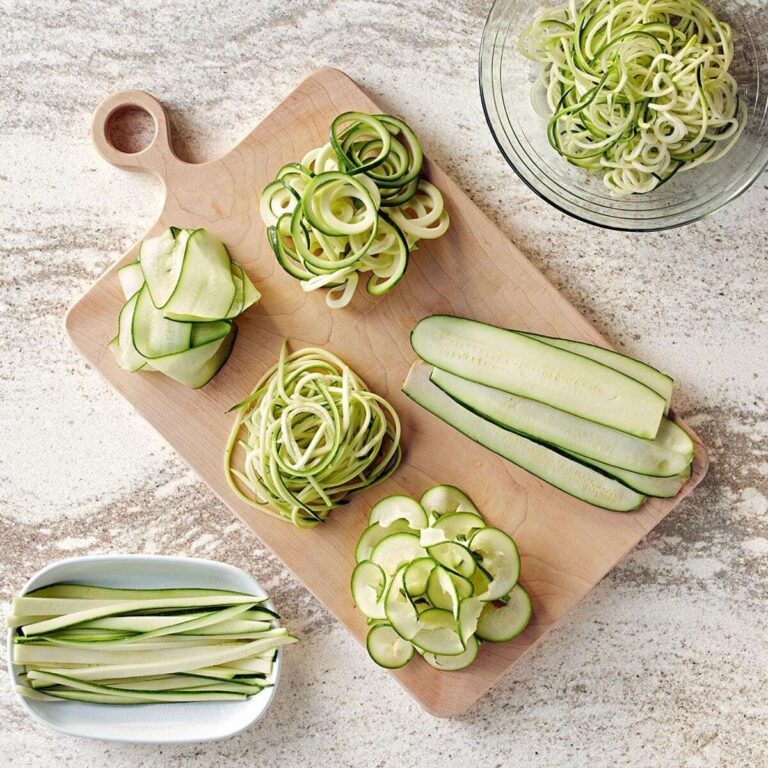
A julienne peeler has small teeth instead of one smooth blade. It cuts the skin or flesh into narrow strips.
You can use it to make carrot ribbons, zucchini noodles, cucumber strips, and citrus garnish. It is not the best choice when you want to remove the full skin.
Serrated peeler
A serrated peeler has tiny teeth along its blade. It can grip soft or slippery foods better than a smooth blade.
This tool may work well for tomatoes, peaches, kiwis, and soft-skinned squash. Use light pressure, since pressing too hard can tear the flesh.
Citrus zester
A zester removes only the thin, colored outer layer of citrus skin. This layer contains fragrant oils and is called the zest.
A zester does not fully peel an orange, lemon, or lime. It leaves the bitter white layer, called the pith, behind.
What peels fruits and vegetables by hand?
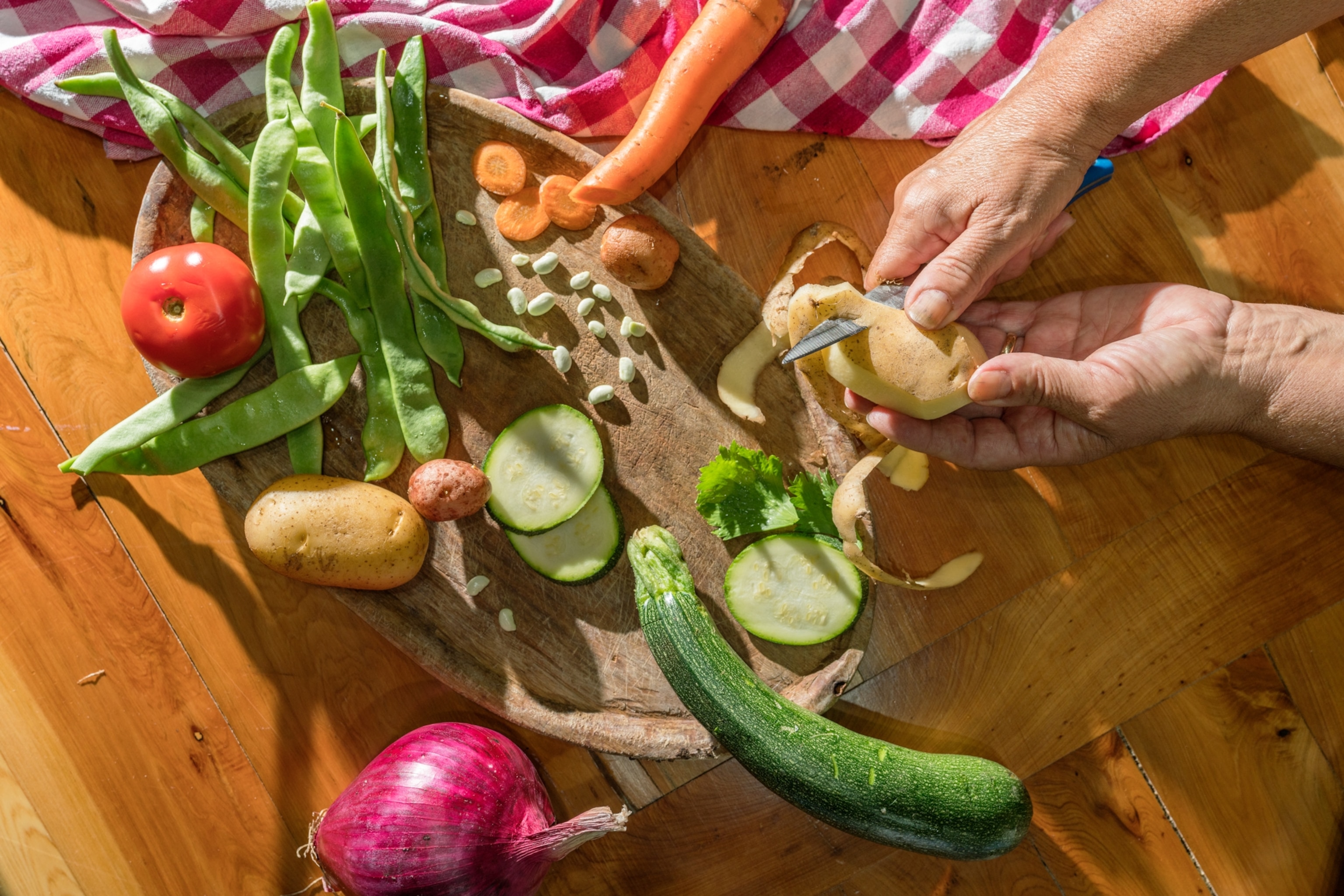
A handheld peeler is usually the fastest choice for firm produce. It creates thin strips and helps keep more edible flesh on the food.
A paring knife is better when the produce is small, soft, or irregular. For example, a knife can peel a kiwi, trim a tomato, or remove skin from a mango more precisely than a standard peeler.
The right hand tool depends on the food:
• Use a vegetable peeler for long, firm produce.
• Use a paring knife for small or delicate produce.
• Use a chef’s knife for large, thick-skinned produce.
• Use a zester for citrus zest.
• Use a serrated peeler for soft or slippery skins.
When using a knife, place the food on a stable cutting board. Cut away from your body and keep your fingers curled away from the blade.
One useful lesson from hands-on kitchen testing is that speed should never come before control. A sharp tool with a steady grip is safer than a dull tool that requires force.

What machines peel fruits and vegetables?
Food businesses often use mechanical or industrial peelers. These machines process large amounts of produce faster than a person can.
Commercial peeling machines may use:
• Abrasive rollers
• Rotating blades
• Steam
• Hot water
• High-pressure water
• Chemical peeling systems
Abrasive peelers rub the skin against a rough surface. They are often used for potatoes, carrots, and other firm vegetables.
Steam peeling uses heat and pressure to loosen the skin. The produce then passes through water or brushes that remove the loosened skin. This method can reduce water use and preserve the shape of the food.
Industrial machines are useful in restaurants, canning plants, frozen food facilities, and juice factories. They are not practical for most homes because they cost more, require maintenance, and take up space.

Which fruits and vegetables should you peel?
Not every fruit or vegetable needs peeling. Some skins are edible, nutritious, and pleasant to eat after washing.
You may want to peel produce when the skin is:
• Tough
• Bitter
• Waxy
• Dirty or damaged
• Difficult to chew
• Covered with thick fibers
Fruits commonly peeled
Many people peel these fruits before eating or cooking: