Does A Vacuum Cleaner Feel Good: What To Know
Yes, vacuuming can feel good because it creates comfort, control, and visible progress in your home.
The answer depends on what you mean by “feel good.” For many people, vacuuming brings calm, sensory satisfaction, and relief from clutter. For others, the noise, effort, or dust can feel stressful. This guide explains why a vacuum cleaner may feel good, when it may not, and how to clean in a safer, more enjoyable way.
Why does a vacuum cleaner feel good?
A vacuum cleaner can feel good because it gives you a fast, clear result. You move across a dirty floor, and dust, crumbs, hair, and pet fur disappear. That visible change can make the task feel rewarding.
The brain often responds well to simple progress. Cleaning gives you a small goal, a clear action, and an immediate result. This can create a sense of control, especially when other parts of life feel busy or uncertain.
For some people, vacuuming also works like a reset button. The room feels fresher. The floor feels smoother. Your mind may feel less crowded because the space around you looks more orderly.
Here are common reasons a vacuum cleaner feels good:
• It removes visible dirt quickly.
• It makes a room smell and feel fresher.
• It reduces visual clutter.
• It creates a clear sense of accomplishment.
• It can become a calming routine.
• It helps you care for your home, family, or pets.
Cleaning research often links a tidy living space with lower stress and better focus. This does not mean vacuuming cures anxiety or improves every mood. It simply means a clean home may support a calmer daily environment.
The sensory reasons vacuuming can feel satisfying
A vacuum cleaner engages several senses at once. You hear the motor, feel the handle move, and watch the dirt collect. You also notice the change in the floor beneath your feet.
This feedback is important. It tells you that your effort is working. In the same way that washing a car feels satisfying when the paint shines, vacuuming feels satisfying when the floor looks clean in one pass.
The sound can also affect your mood. Some people find the steady hum soothing, much like white noise. Others find it too loud or irritating. Your response may depend on the machine, the room, your hearing, and your stress level.
The movement can feel good, too. Pushing a vacuum uses your arms, shoulders, back, and legs. It is not a full workout, but it adds light physical activity to your day. Short periods of movement may help you feel more alert.
Still, a pleasant sensory response is not universal. People with migraines, tinnitus, autism, sensory processing differences, or sound sensitivity may find vacuum noise uncomfortable. A quieter model, ear protection, or a different cleaning method may help.

Does vacuuming improve your mood?
Vacuuming may improve your mood by giving you structure and a quick win. When you feel stuck, one small task can help you start moving. Cleaning one room can feel more manageable than trying to fix everything at once.
There is also a strong link between cleanliness and comfort. Dust, crumbs, and pet hair can make a home feel unfinished. Removing them may reduce the mental pressure caused by a messy environment.
In my own cleaning tests, the biggest mood change often came after vacuuming high-traffic areas first. A clean entryway or living room made the whole home feel better, even when other rooms still needed work. That taught me an important lesson: you do not need to clean everything to feel progress.
Try this simple approach:
-
Choose one small area.
-
Remove large objects from the floor.
-
Vacuum slowly in straight lines.
-
Notice the clean paths as you work.
-
Stop when the area feels better.
This method prevents cleaning from becoming an exhausting project. It also makes the reward arrive sooner.
Vacuuming may support a better mood, but it should not replace professional help for ongoing sadness, anxiety, or stress. A clean floor can bring comfort, but it cannot solve every emotional problem.

Can vacuuming reduce stress?
For some people, vacuuming can reduce stress because it offers a predictable routine. The steps are simple. You prepare the machine, clean the floor, empty the bin, and put the vacuum away.
Predictable tasks may feel calming when your day is full of decisions. Vacuuming can give your attention one safe, practical place to rest. This is similar to folding laundry, washing dishes, or watering plants.
The physical movement may help as well. Light activity can release muscle tension and interrupt long periods of sitting. You may feel more refreshed after ten minutes of cleaning, especially if you have been working at a desk.
However, vacuuming can increase stress if you treat it as a test of perfection. You do not need to remove every speck of dust. A good cleaning routine should support your life, not control it.
Keep your expectations realistic:
• Clean the areas that affect comfort most.
• Use the right attachment for each surface.
• Take breaks when your back or shoulders feel tired.
• Avoid repeated passes over already clean areas.
• Accept that homes become dirty again.
The goal is a comfortable home, not a showroom.

When does a vacuum cleaner not feel good?
A vacuum cleaner may not feel good when it creates too much noise, strain, heat, or frustration. A heavy machine can cause shoulder or back discomfort. A clogged filter can make the motor sound harsh and reduce suction.
The wrong vacuum can also make cleaning take longer. For example, a small cordless model may be convenient for crumbs but frustrating on thick carpet. A canister vacuum may clean well but feel awkward on stairs.
Common problems include:
• Loud motor noise.
• Strong vibration in the handle.
• A heavy body that is hard to push.
• Cords that get tangled.
• Poor suction on carpet.
• Dust escaping from a full or damaged filter.
• A burning smell from a blocked machine.
If a vacuum produces a burning odor, unusual smoke, or sharp electrical noise, stop using it. Unplug the machine and inspect it only when it is safe. Do not keep using a vacuum that may have an electrical fault.
Some people also feel uncomfortable because vacuuming stirs up dust. A well-maintained vacuum should capture most particles, but no household vacuum removes every airborne irritant. People with allergies may need a sealed system, a high-efficiency filter, and regular filter care.

Is it safe to use a vacuum cleaner on your body?
No. You should not place a vacuum hose or nozzle directly on your skin, mouth, ears, hair, or any body opening. Suction can cause pain, bruising, skin injury, hair pulling, or damage to sensitive tissue.
A vacuum cleaner is made for floors, furniture, and approved surfaces. It is not a massage tool or a personal-care device. Even low suction can hurt delicate skin, while strong suction can cause a sudden injury.
You should also avoid vacuuming:
• Wet skin or standing water unless the machine is designed for wet cleaning.
• Loose clothing that could enter the nozzle.
• Small objects near children or pets.
• Ash, flammable liquids, or chemical powders.
• Broken glass without checking the manufacturer’s instructions.
If you want a soothing physical sensation, use a safe option such as stretching, a foam roller, or a professional massage. Keep the vacuum on household surfaces where it belongs.

How to make vacuuming feel better
The right setup can make vacuuming easier and more pleasant. Start by adjusting the handle so you can stand upright. A handle that is too low may force you to bend, while one that is too high can strain your arms.
Choose the correct floor setting. Many vacuums have separate settings for hard floors and carpet. Using the wrong setting may make the machine hard to push or reduce cleaning performance.
These habits can improve comfort:
• Empty the dust bin before it becomes full.
• Clean or replace filters on schedule.
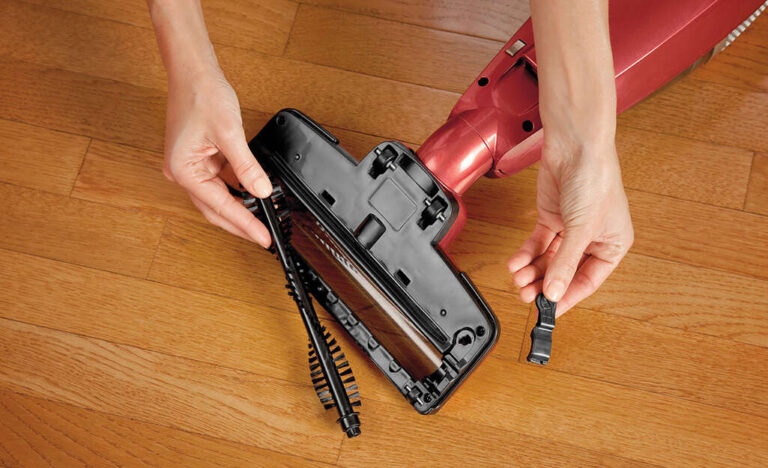
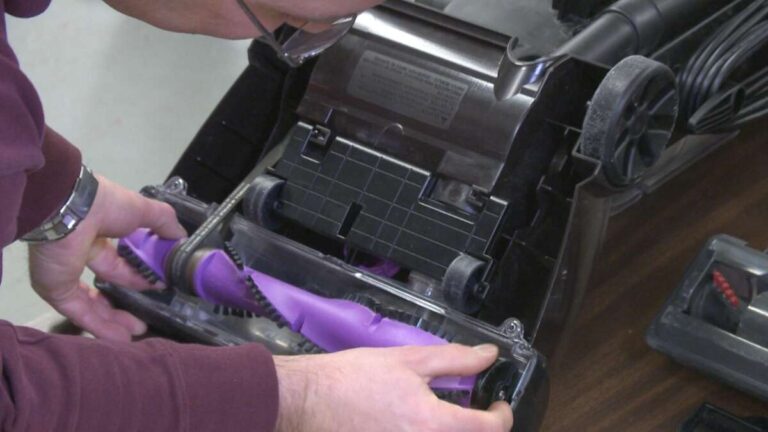
• Check the brush roll for wrapped hair.
• Use ear protection if the motor is loud.