Are All Ceramic Bowls Microwave Safe: Safe Use Guide
No, not all ceramic bowls are microwave safe; glaze, cracks, metallic trim, and heat limits matter.
Ceramic bowls look sturdy, but microwave safety depends on how the bowl was made, glazed, and finished. In this guide, you will learn how to check whether ceramic bowls are microwave safe, what warning signs to look for, and how to heat food without cracks, sparks, or burns.
Are All Ceramic Bowls Microwave Safe?
No, all ceramic bowls are not microwave safe. Many modern ceramic bowls can handle microwave heat, but some may crack, become very hot, release unsafe materials, or damage the microwave.
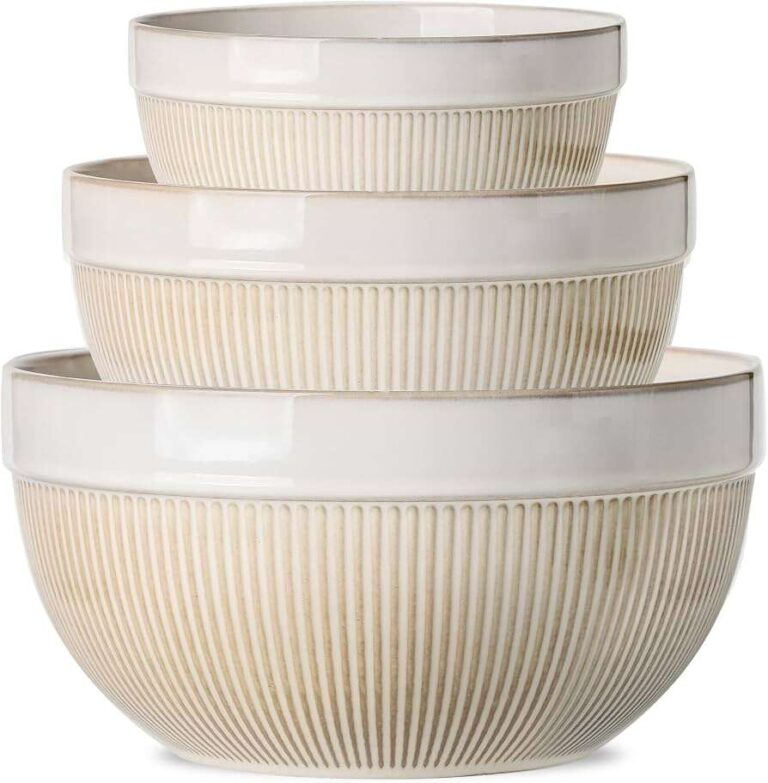
The word “ceramic” describes a broad group of fired clay products. It includes stoneware, earthenware, porcelain, terracotta, handmade pottery, and decorative ceramics. Each type can behave differently in a microwave.
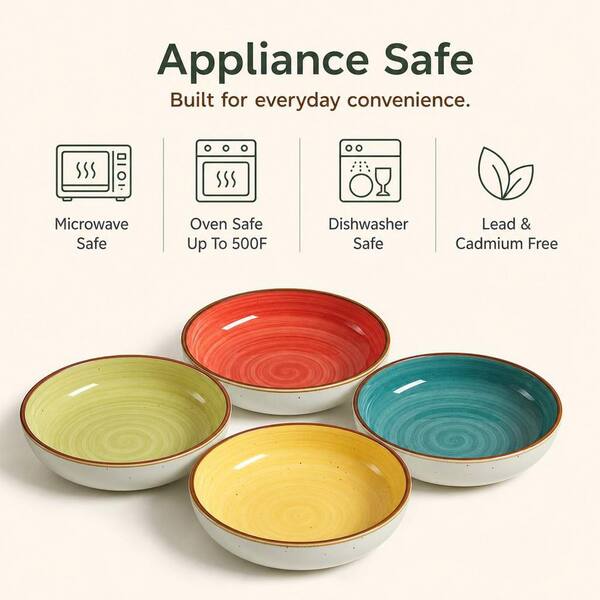
A bowl is usually safe when the maker labels it “microwave safe.” This label means the product has been designed and tested for normal microwave use. If there is no label, treat the bowl with care rather than assuming it is safe.

What Makes a Ceramic Bowl Microwave Safe?
Microwave safety depends on the bowl’s clay body, glaze, moisture level, and decoration. The bowl must withstand fast changes in temperature without breaking apart.
Here are the main factors that affect safety:
• The clay body must be strong enough to handle heat.
• The glaze should be made for food use and microwave heating.
• The bowl should contain little moisture inside the clay.
• The surface should not include metal or metallic paint.
• The bowl should be free from cracks, chips, and deep scratches.
• The manufacturer should approve it for microwave use.
A microwave heats food mainly by exciting water molecules. The food heats first, while the bowl may stay cooler. However, a ceramic bowl can become hot when food transfers heat into it. If the bowl heats unevenly, stress can build inside the material.
Think of the bowl like a glass window on a cold day. If one area heats or cools much faster than another, the material may struggle to adjust. This sudden change is called thermal shock.
Which Ceramic Bowls Are Usually Safe?
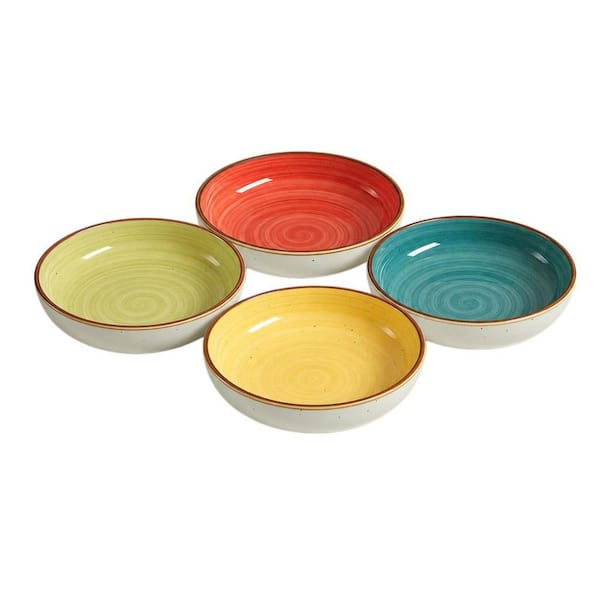
Several types of ceramic bowls are often microwave safe when properly made and labeled. Still, the material alone does not guarantee safe use.
Stoneware bowls
Stoneware is dense and fired at a high temperature. It usually absorbs less water than earthenware and often performs well in a microwave.
Many stoneware bowls are made for daily use. Even so, check the base, packaging, or care instructions for a microwave-safe marking.
Porcelain bowls
Porcelain is fine, dense, and usually less porous than basic pottery. It is commonly used for dishes and bowls that can go in a microwave.
Plain porcelain is often a safe choice. However, gold rims, silver lines, and other metallic details can cause sparks.
Vitrified ceramic bowls
Vitrified ceramics are heated until the clay becomes glass-like and less porous. These bowls are often strong and resistant to moisture.
Their safety still depends on the glaze and decoration. A vitrified bowl with metallic paint may not be microwave safe.
Commercial dinnerware
Bowls made for regular kitchen use often include clear care instructions. If the product says it is microwave safe, it has a stronger safety signal than an unmarked decorative bowl.
A plain, labeled bowl is generally the best option for reheating soup, rice, oatmeal, or leftovers.

Which Ceramic Bowls May Be Unsafe?
Some ceramic bowls should not go in the microwave. Others need extra caution because their safety is unknown.
Avoid microwaving a ceramic bowl when it has any of these features:
• Gold, silver, copper, or other metallic trim
• Metallic paint, shine, or hand-painted metal details
• Visible cracks, chips, or crazing
• A rough, porous, or unfinished base
• A handmade design with no care instructions
• An antique finish or unknown glaze
• A strong “not microwave safe” warning
• A history of becoming unusually hot
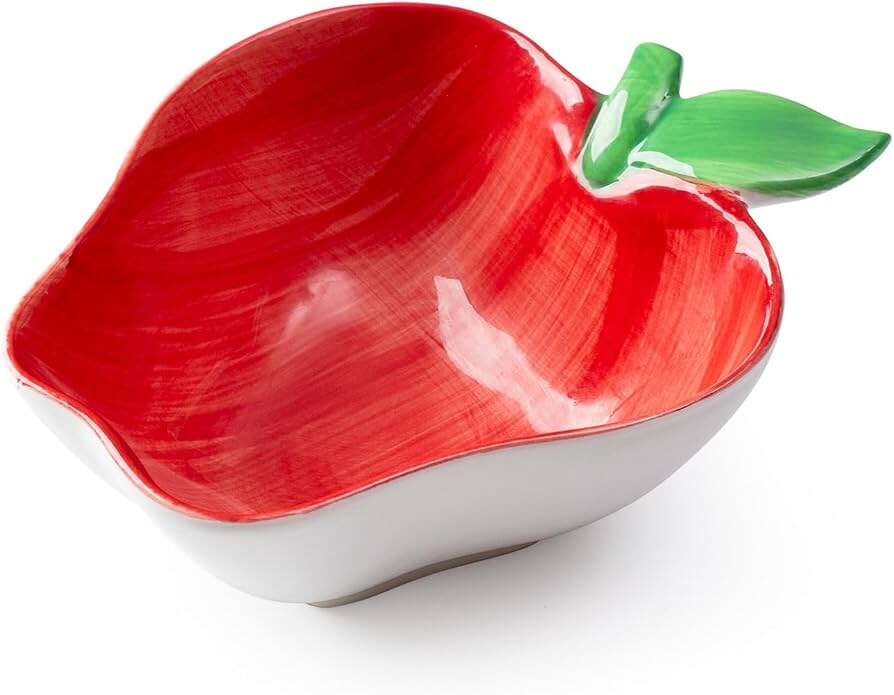
Decorative pottery is a common concern. A bowl may look perfect on a shelf but still contain a glaze that was not made for food or microwave use.
Antique and imported ceramics also deserve care. Some older or poorly controlled glazes may contain lead or other harmful metals. Microwave heating does not reliably make these items safe. If the bowl is valuable, old, or unmarked, use it for display instead of food heating.

Does a Microwave-Safe Label Matter?
Yes, a microwave-safe label is the clearest sign that a ceramic bowl is suitable for microwave use. Look on the bottom of the bowl, its package, or the maker’s care guide.
The label may appear as words or as a small microwave symbol. Some brands list several instructions, such as:
• Microwave safe
• Safe for microwave use
• Do not use under a broiler
• Do not heat empty
• Use only for reheating
These instructions matter. Microwave safe does not always mean oven safe, stovetop safe, or safe under a broiler. A bowl may handle microwave energy but crack under direct flame or intense oven heat.
If there is no label, do not assume the bowl is unsafe. But do not assume it is safe either. Use the test below only as a cautious screening step, not as proof of complete safety.
How to Test an Unmarked Ceramic Bowl
A simple water test can help identify bowls that become dangerously hot. It cannot confirm that the glaze is free from harmful substances, and it cannot replace the maker’s instructions.
Follow these steps:
-
Put about one cup of water into the ceramic bowl.
-
Place the bowl in the microwave beside a microwave-safe cup of water.
-
Heat both items on high for one minute.
-
Carefully touch the bowl after letting it rest for a short time.
-
Check whether the bowl is cool, warm, or too hot to handle.
A bowl that stays fairly cool while the water becomes hot is less likely to absorb much microwave energy. A bowl that becomes very hot may absorb microwave energy or receive intense heat from the water.
Stop using the bowl if you notice sparks, smoke, a sharp smell, cracking sounds, or visible damage. Never test a bowl while it is empty. An empty ceramic bowl may heat unevenly and suffer damage.
This test is useful for spotting a problem, but it does not prove that every ceramic bowl is safe for repeated use. The safest choice remains a bowl with clear manufacturer instructions.

Why Do Ceramic Bowls Crack in the Microwave?
Ceramic bowls can crack because of thermal shock. This happens when one part of the bowl changes temperature much faster than another part.
• Putting a cold bowl into a hot microwave
• Heating a bowl straight from the freezer
• Pouring cold water into a hot bowl
• Heating food unevenly
• Using a bowl with an old hairline crack
• Heating food for too long
• Placing a hot bowl on a cold stone counter
Moisture can also cause trouble. Some porous ceramics absorb water during washing. When heated, that water can turn into steam inside tiny pores. Pressure may build and weaken the bowl.
I have seen this happen with rustic, unsealed pottery. The bowl looked strong, but its porous base became extremely hot and later developed a crack. A simple rule helps: avoid sudden temperature changes and do not heat questionable pottery.
How to Use Microwave-Safe Ceramic Bowls Safely
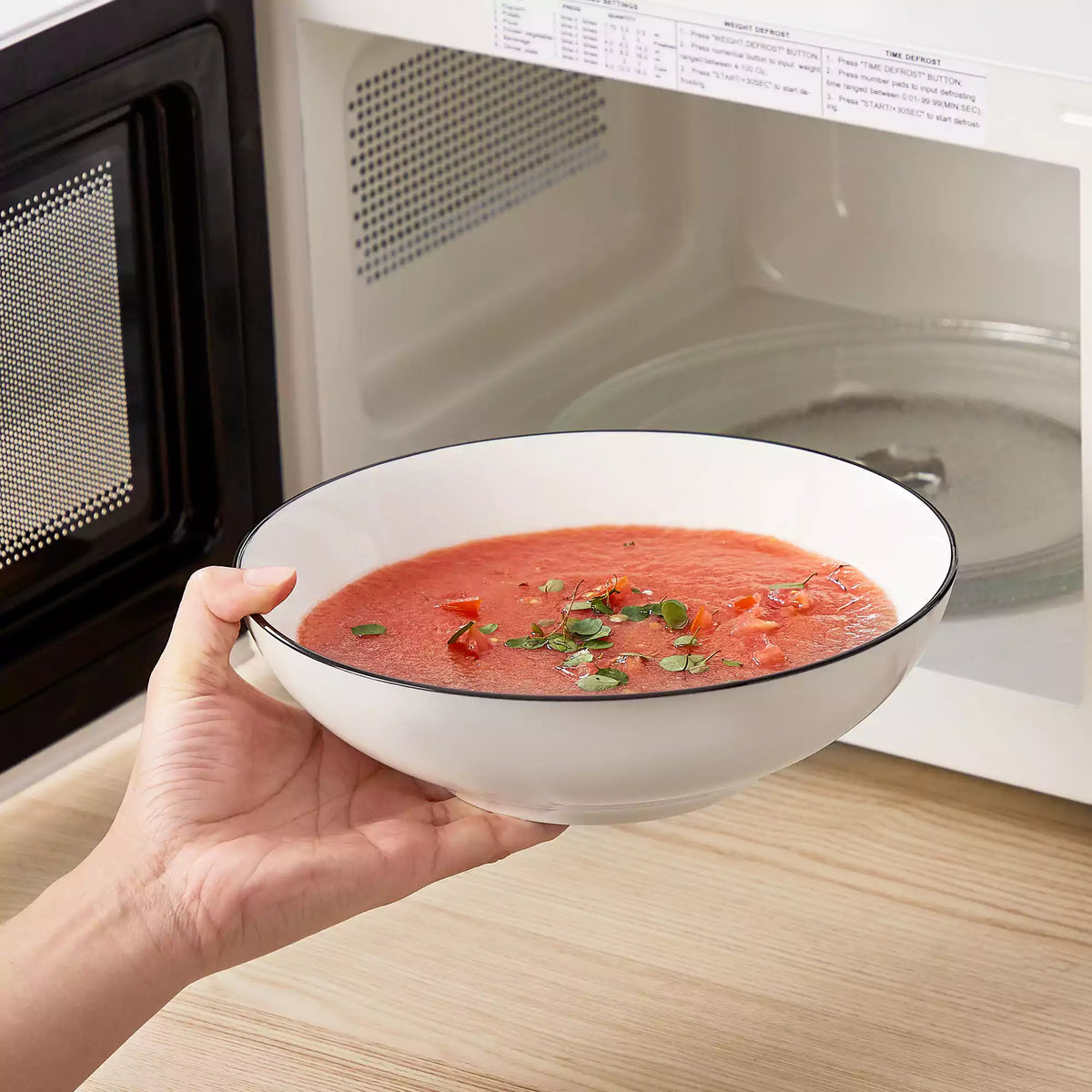
Even microwave-safe ceramic bowls need proper care. Safe use is not only about the bowl. It also depends on the food, heating time, and temperature change.
Use these practical habits:
• Check the bowl for cracks before each use.
• Do not heat an empty ceramic bowl.
• Leave space at the top for liquids that may bubble.
• Use a lower power setting for dense or thick foods.
• Stir food halfway through heating.
• Let the bowl rest before lifting it.
• Use dry oven mitts to remove hot bowls.
• Do not place a hot bowl on a wet or very cold surface.
• Follow the maker’s maximum heating instructions.
• Avoid using a bowl that becomes painfully hot.
Covering food with a microwave-safe lid can reduce splatter. Do not seal the lid tightly, because steam needs a way to escape.
Be especially careful with soup, sauces, and oatmeal. These foods can heat unevenly and may remain hot after the microwave stops. Stir them well before eating.

Can You Microwave Ceramic Bowls With Glaze?
Many glazed ceramic bowls are microwave safe, but glaze alone does not prove safety. The glaze must be properly fired and designed for food contact and microwave heating.
A smooth, modern glaze is usually less concerning than a flaking, cracked, or highly decorative surface. Crazing, which looks like a network of fine lines, may allow moisture and food residue to enter the bowl.
Metallic glaze is a major warning sign. Even a thin gold or silver edge can produce sparks. This happens because metal reflects microwave energy and may create electrical arcing.
If you see a metallic shine, do not microwave the bowl unless the manufacturer clearly says it is safe. In practice, replacing it with a plain bowl is the wiser choice.
Are Handmade and Earthenware Bowls Microwave Safe?
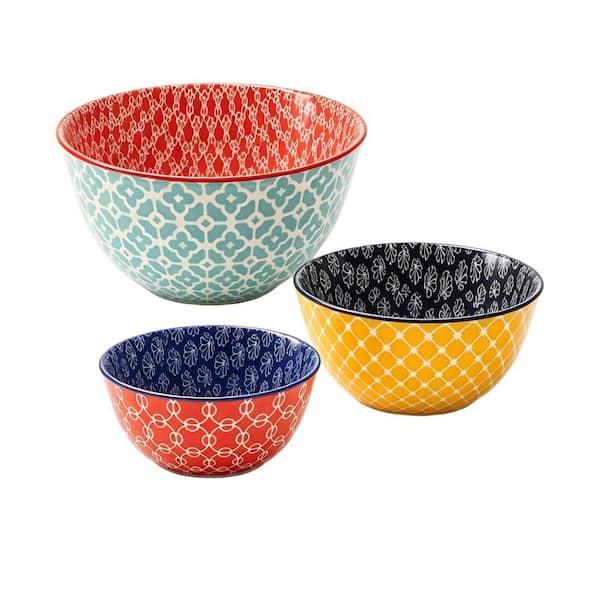
Handmade bowls may be microwave safe, but you should not rely on appearance. Handmade pottery can vary in thickness, clay type, glaze, and firing temperature.
Earthenware is often more porous than stoneware or porcelain. It may absorb water and heat unevenly. Some handmade bowls are also decorative rather than functional.
Before microwaving handmade pottery, look for:
• A maker’s microwave-safe statement
• Food-safe glaze information
• A smooth, sealed surface
• No cracks or crazing
• No metal decoration
• Care instructions from the potter
If the maker does not provide this information, use the bowl for serving cold food or display. When in doubt, a plain, labeled stoneware bowl is a safer everyday option.
Is Microwave Safe the Same as Oven Safe?
No. Microwave safe and oven safe are different ratings.
A microwave uses electromagnetic energy to heat food. An oven heats the air and the dish through prolonged, intense heat. A bowl may handle one type of heating but fail under the other.
Never move a ceramic bowl directly from the freezer into a hot oven unless the manufacturer specifically allows it. Also avoid putting a microwave-safe bowl on a stovetop, under a broiler, or over an open flame.
Always follow the most specific care instruction. If the label says “microwave safe only,” keep the bowl out of the oven.
What to Do If a Ceramic Bowl Sparks or Cracks
Turn off the microwave as soon as it is safe to do so. Do not touch the bowl until it cools, especially if it contains hot food.
After cooling, inspect the bowl and microwave:
• Remove the bowl if it has metal decoration.
• Discard the bowl if it cracked or chipped.
• Check the microwave for scorch marks or damage.
• Clean away any spilled food before using the microwave again.
• Do not repeat the test with the same bowl.
A single spark does not always mean the microwave is broken. It often points to metal trim, foil, or another unsuitable item. However, repeated sparking, smoke, or burning smells need professional attention.
Common Mistakes to Avoid
The biggest mistake is assuming that all ceramic bowls are microwave safe because ceramic feels durable. Strength and microwave performance are not the same thing.
Avoid these errors:
• Trusting a bowl’s appearance instead of its label
• Using a decorative or antique bowl for reheating
• Ignoring small cracks or glaze lines
• Heating an empty bowl
• Using metal-edged dinnerware
• Placing a cold bowl into a very hot setting
• Treating oven-safe as microwave-safe
• Leaving food unattended during a first use
In my own kitchen checks, the most useful habit has been simple: inspect the base of every bowl before use. The bottom often shows the care symbol or warning that is easy to miss on the sides.
Frequently Asked Questions About Are All Ceramic Bowls Microwave Safe
Are all ceramic bowls microwave safe?
No. Many ceramic bowls are microwave safe, but some can crack, overheat, spark, or contain unsuitable decorative finishes. Look for a clear microwave-safe label before heating food.
How can I tell if a ceramic bowl is microwave safe?
Check the bottom of the bowl, the packaging, or the manufacturer’s care guide. A microwave symbol or written statement is the strongest sign of approval.
Can ceramic bowls with gold trim go in the microwave?
Usually, no. Gold, silver, copper, and other metallic trims can spark or cause electrical arcing, so keep these bowls out of the microwave unless the maker clearly approves them.
Why does my ceramic bowl get hot in the microwave?
The bowl may absorb some microwave energy, or heat may transfer from the food into the ceramic. A bowl that becomes too hot to handle may not be suitable for microwave use.
Can cracked ceramic bowls be microwaved?
No. Cracks can spread during heating and may cause the bowl to break. Replace any ceramic bowl with cracks, chips, deep scratches, or severe crazing.
Are handmade ceramic bowls safe for microwave use?
Some are, but not all. Use handmade pottery in a microwave only when the potter provides clear microwave and food-safety instructions.
Is porcelain safer than stoneware in a microwave?
Neither material is automatically safer in every case. Both porcelain and stoneware can work well when properly made, labeled, and free from metal decoration or damage.
Conclusion
Not all ceramic bowls are microwave safe. The safest choices are plain, undamaged bowls with a clear microwave-safe label and no metallic trim.
Check the bowl before each use, avoid sudden temperature changes, and stop using it if it sparks, cracks, or becomes dangerously hot. When the bowl’s history or care instructions are unknown, choose a labeled replacement. Share these tips with anyone who heats leftovers often, and explore your dinnerware’s care guide for more specific advice.

Liora Pennings is a seasoned chef and kitchen enthusiast with a passion for turning everyday cooking into an effortless experience. With years of hands-on culinary expertise, she specializes in practical techniques, ingredient know-how, and smart kitchen solutions that help home cooks elevate their meals. At KitchFlair.com, Liora shares her best tips, time-saving tricks, and honest product reviews to guide readers toward a more efficient, enjoyable, and inspired cooking routine. Whether you’re a beginner or a seasoned home chef, Liora’s friendly, knowledge-packed insights make every visit to the kitchen a little easier—and a lot more delicious.