What Is A Mixing Bowl: Uses, Types, And Buying Tips
A mixing bowl is a kitchen container used to combine, whisk, toss, knead, and prepare food.
If you cook or bake, you likely use one almost every day. Understanding what is a mixing bowl helps you choose the right size, material, shape, and care method for each task. From beating eggs to mixing cookie dough, this simple tool can make kitchen work faster, cleaner, and more reliable.
What Is a Mixing Bowl?
A mixing bowl is a deep kitchen vessel designed to hold and combine ingredients. It usually has a wide opening, curved sides, and enough depth to let you stir without spilling food over the edge.
Mixing bowls are used for both cooking and baking. You can use one to combine flour, sugar, and butter, toss a salad, marinate meat, whip cream, or mix pancake batter.
Unlike a flat plate or shallow dish, a mixing bowl keeps ingredients contained. Its curved shape also helps food move toward the center as you stir. Think of it as a small kitchen workspace that keeps your ingredients together.
The answer to “what is a mixing bowl” can be simple, but its uses are wide. It is one of the most useful and flexible tools in a home kitchen.
:max_bytes(150000):strip_icc()/sea-mixing-bowls-lead-image-ashlee-redger-01-cb95c9b8fbf64609bb8be0e9e37ea1ed.jpeg)
What Is a Mixing Bowl Used For?
A mixing bowl can handle many food preparation tasks. Its best use depends on its size, shape, and material.
Common mixing bowl uses include:
• Combining dry ingredients such as flour, salt, cocoa powder, and spices
• Mixing wet ingredients such as eggs, milk, oil, and melted butter
• Making dough for bread, pizza, biscuits, and pastries
• Preparing cake batter, muffin batter, and cookie dough
• Whisking eggs for omelets, custards, and French toast
• Tossing salads, pasta, vegetables, and fruit
• Marinating meat, poultry, seafood, or tofu
• Holding ingredients during meal preparation
• Whipping cream or beating egg whites
• Proofing yeast dough before baking
A large bowl is useful when you need room to fold or toss ingredients. A smaller bowl works well for sauces, dressings, beaten eggs, and measured ingredients.
In my own kitchen, I find that bowl size matters more than many beginners expect. A bowl that looks large enough for pancake batter may become too small once flour and liquid combine. Extra space prevents splashes and gives you better control.
Types of Mixing Bowls
Mixing bowls come in several materials. Each type has strengths and limits, so the best option depends on your cooking habits.
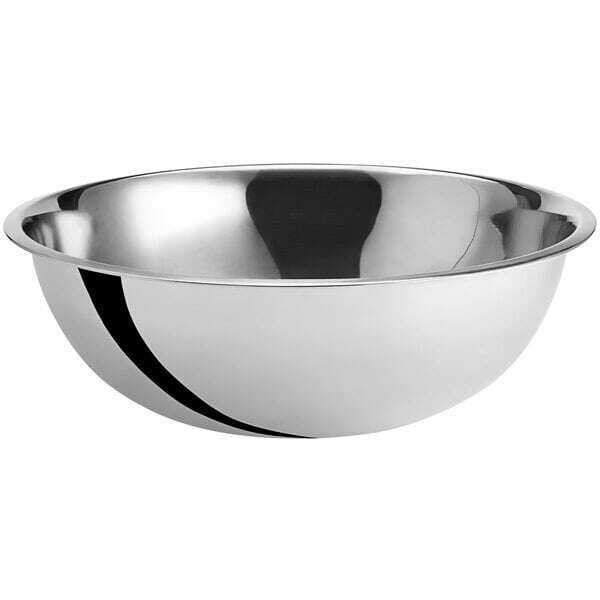
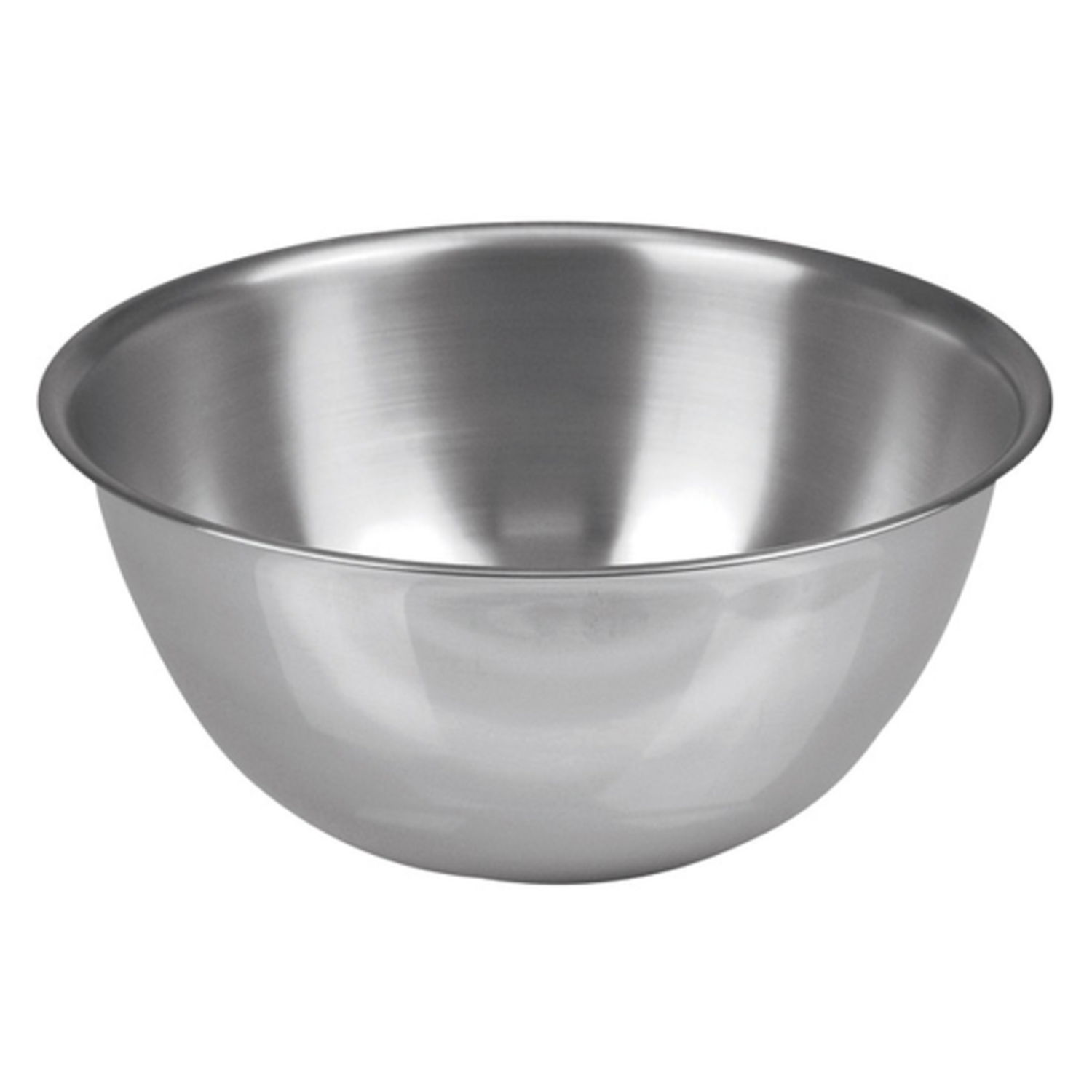
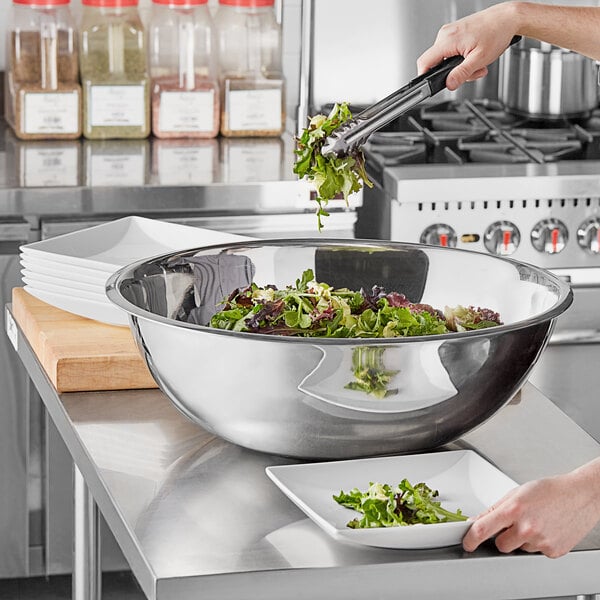
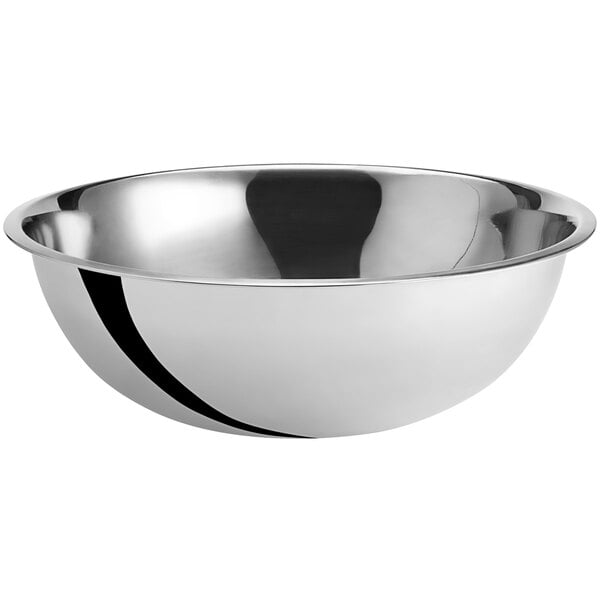
Stainless Steel Mixing Bowls
Stainless steel bowls are light, strong, and easy to clean. They do not absorb food smells or stains, and many can handle high heat better than plastic bowls.
They are especially useful for:
• Whipping cream
• Beating egg whites
• Mixing dough
• Using with a double boiler
• Chilling ingredients
A stainless steel bowl may become cold quickly when placed in the refrigerator. It can also make a sharp sound when a whisk hits the sides. Still, it is one of the most practical choices for regular cooking.
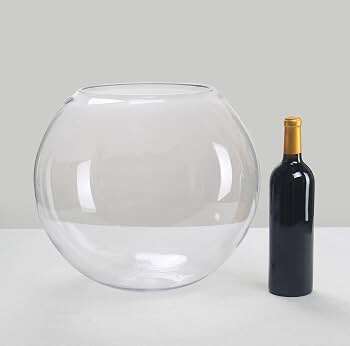
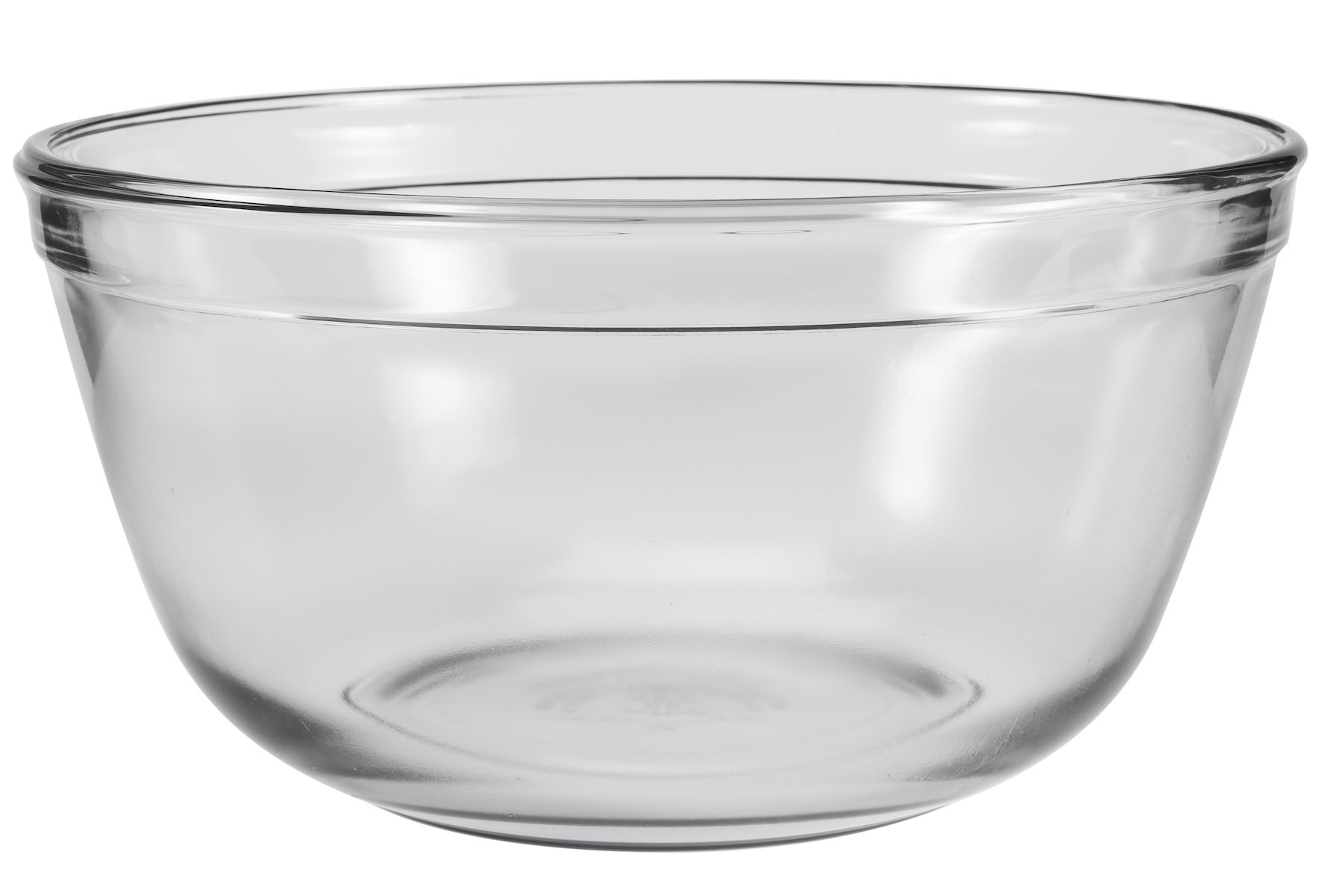
Glass Mixing Bowls
Glass bowls let you see the ingredients as you mix them. They are useful for microwave cooking and can often move from the refrigerator to the table.
Glass is nonporous, so it does not easily hold odors or flavors. However, it can be heavy and may break if dropped or exposed to sudden temperature changes.
Always check whether a glass bowl is labeled for microwave or oven use. Not every glass bowl is made for high heat.
Plastic Mixing Bowls
Plastic mixing bowls are light, affordable, and less likely to break. They are often a good choice for children, outdoor cooking, and everyday meal preparation.
Some plastic bowls can absorb oil, tomato stains, or strong smells. They may also scratch more easily than metal or glass. Choose food-safe plastic and follow the care instructions from the manufacturer.
Avoid using damaged plastic bowls with deep scratches. Scratches can make cleaning harder and may trap food residue.
Ceramic Mixing Bowls
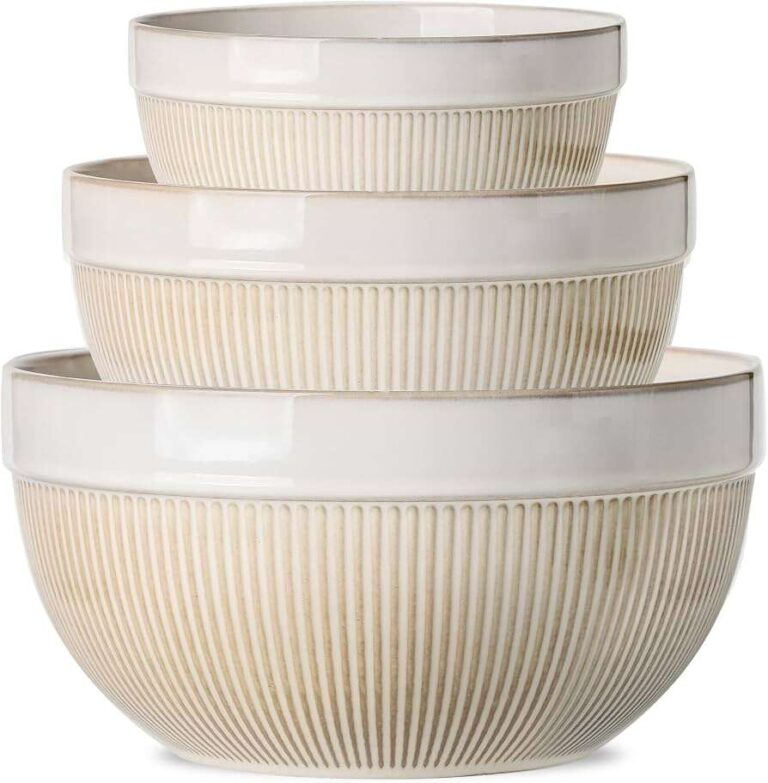
Ceramic bowls are attractive and often look good on a dining table. They hold heat well and can be useful for serving salads, mixing batters, or preparing side dishes.
Their main drawbacks are weight and breakability. Some ceramic bowls also have finishes that can chip over time. Inspect the surface before use, especially if the bowl has decorative glaze.
Silicone Mixing Bowls
Silicone bowls are flexible, light, and easy to store. Their soft sides can make it simple to pour batter or scrape out dough.
High-quality food-grade silicone is useful for baking and meal preparation. However, very flexible bowls may feel unstable when mixing thick dough. A silicone bowl with a firm rim or base is usually easier to control.
Mixing Bowl Sizes and Capacity
Mixing bowl size is often measured in quarts. A basic set may include bowls from about 1 quart to 5 or 6 quarts.
Here is a simple guide:
• 1 to 2 quarts: Sauces, dressings, beaten eggs, and small portions
• 3 quarts: Muffin batter, small salads, and side dishes
• 4 quarts: Cake batter, cookie dough, and family-size salads
• 5 to 6 quarts: Bread dough, large batches, and foods that need vigorous tossing
• 7 quarts or more: Large gatherings, bulk meal preparation, and big baking projects
Capacity is not the only factor. The bowl should also be wide enough for your whisk, spoon, or mixer. A narrow bowl may make mixing difficult even when it holds enough food.
For most homes, a set with three or four different sizes offers good flexibility. If you bake often, include at least one deep bowl with enough room for dough to rise.
How to Choose the Best Mixing Bowl
Choosing the right mixing bowl starts with your usual cooking style. A person who mainly makes salads may want a large, light bowl. A frequent baker may prefer stainless steel bowls with stable bases.
Consider these points:
-
Choose the material based on your tasks. Stainless steel is versatile, glass is useful for visibility and microwaving, and plastic is light and practical.
-
Select several sizes. One bowl rarely fits every recipe.
-
Look for a stable base. A rubber or nonslip bottom can keep the bowl steady while you stir.
-
Check the rim. A pouring lip can help with batter, sauces, and melted ingredients.
-
Consider measurement marks. Internal markings can help with quick measuring, though they should not replace accurate measuring tools for baking.
-
Check cleaning needs. Dishwasher-safe bowls save time, but always follow the product label.
-
Think about storage. Nesting bowls take up less cabinet space.
-
Inspect the surface. Avoid bowls with cracks, chips, rust, or deep scratches.
A good mixing bowl should feel comfortable in your hands. If it slides, feels too heavy, or is hard to clean, you may use it less often.
Mixing Bowl Features That Matter
Small design details can make a mixing bowl much easier to use. These features are not required, but they can improve comfort and control.
A nonslip base helps during whisking and beating. This is especially useful when making thick batter or kneading dough.
A pouring spout helps transfer liquid without drips. It is helpful for pancake batter, sauces, and beaten eggs.
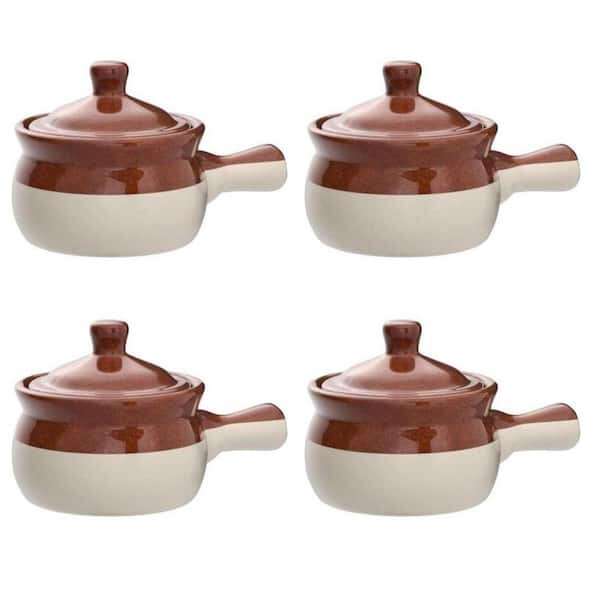
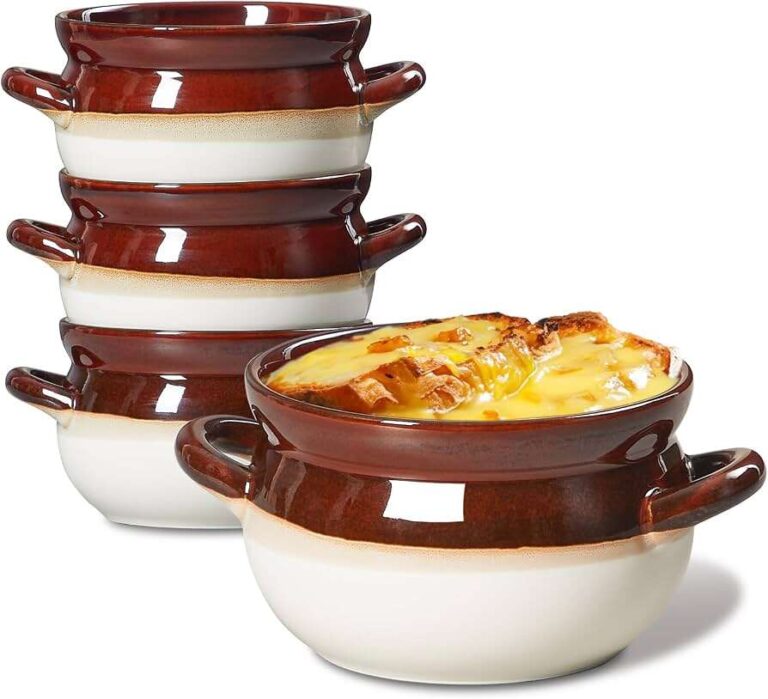
A comfortable handle gives you a better grip. Some bowls have one side handle, while others have two small grips.
A tall shape reduces splashing. This is helpful when using a hand mixer or whisk at high speed.
A wide, rounded shape makes it easier to scrape the sides. It also allows more air into whipped mixtures, which can improve volume.
Lids can be helpful for storage. They protect food from odors and make it easier to move a prepared mixture into the refrigerator.
From practical testing, the most useful combination for many cooks is a medium stainless steel bowl, a large nonslip bowl, and a small bowl for quick tasks. You do not need a large collection to cook well.
:max_bytes(150000):strip_icc()/Nordicware_MixingBowls_04-1063f468b2b544919298e4e6681694da.jpg)
Mixing Bowl vs. Other Kitchen Bowls
A mixing bowl is made for combining ingredients. Other bowls may look similar but serve different purposes.
A serving bowl is designed to present food. It may be wider, heavier, or more decorative, but it may not provide the best shape for vigorous mixing.
A prep bowl is usually small. It holds measured ingredients before cooking and is sometimes called a mise en place bowl.
A salad bowl is often large and wide. It can work as a mixing bowl for salads, but it may not be deep enough for batter or dough.
A cereal bowl is shallow and designed for eating. It usually does not provide enough room for mixing without spills.
A food storage bowl is made to hold prepared food. It may include a lid and may be safe for refrigeration, but it is not always ideal for whisking or kneading.
The main difference is function. When asking what is a mixing bowl, focus on its ability to hold ingredients securely while you combine them.
How to Use a Mixing Bowl Safely
Safe bowl use starts with choosing the right bowl for the task. Never assume that a bowl is oven-safe, microwave-safe, or freezer-safe unless the label confirms it.
Follow these tips:
• Do not place a cold glass bowl into a hot oven unless it is specifically designed for that use.
• Keep plastic bowls away from high heat unless the manufacturer approves it.
• Use a stable surface when mixing with an electric hand mixer.
• Do not overfill the bowl, especially when using a blender, whisk, or mixer.
• Wash bowls after contact with raw meat, poultry, seafood, or eggs.
• Use hot, soapy water and clean utensils after preparing raw animal foods.
• Replace bowls that are cracked, chipped, badly stained, or deeply scratched.
Food safety guidance recommends preventing cross-contamination between raw and ready-to-eat foods. Using separate clean bowls for raw ingredients and finished food is a simple habit that reduces risk.
:max_bytes(150000):strip_icc()/sea-vollrath-stainless-steel-mixing-bowl-set-ashlee-redger-02-bb0097def0b7419da75996ca2b0d7b6d.jpeg)
How to Clean and Maintain a Mixing Bowl
Most mixing bowls are easy to clean, but the best method depends on the material.
Clean stainless steel with warm water, dish soap, and a soft sponge. Avoid harsh scouring pads if they leave scratches. Dry the bowl after washing to reduce water spots.
Wash glass with mild soap and a nonabrasive sponge. Let it cool before cleaning if it held hot food.
Plastic bowls may need extra attention after oily or strongly colored foods. Soak them in warm, soapy water, then rinse well. Baking soda paste can help with some odors and stains.
Ceramic bowls should be checked for chips after each wash. A damaged glaze can make the surface harder to clean.
Silicone bowls can hold onto greasy residue if they are not washed well. Use hot, soapy water and allow the bowl to dry fully before storage.
A common mistake is stacking wet bowls together. Moisture can remain trapped between them and create odors. Dry each bowl before nesting it with others.

Common Mixing Bowl Mistakes to Avoid
Even a simple bowl can cause problems when used incorrectly. These mistakes are easy to prevent.
• Using a bowl that is too small: Ingredients spill, flour spreads across the counter, and mixing becomes uneven.
• Choosing the wrong material: A plastic bowl may stain, while a glass bowl may be too heavy for some users.
• Overfilling the bowl: Leave room for ingredients to move and expand.
• Using a mixer in a shallow bowl: This can send batter across the kitchen.
• Scraping with sharp tools: Knives can damage plastic, silicone, and coated surfaces.
• Ignoring temperature limits: Sudden heat changes can crack glass or damage plastic.
• Failing to sanitize after raw food: Rinsing alone is not enough for safe cleaning.
• Storing food in an unsuitable bowl: Not every mixing bowl is made for long-term food storage.
One of the biggest lessons is that the bowl should match the recipe. A delicate bowl may be fine for salad but frustrating for bread dough. Match strength, size, and shape to the work.
Are Mixing Bowls Worth Having?
Yes, mixing bowls are worth having because they support many everyday cooking tasks. They are reusable, easy to store, and more flexible than many single-purpose kitchen tools.
A mixing bowl can replace several containers during meal preparation. It can hold chopped vegetables, combine ingredients, store leftovers, and serve food at the table.
The value becomes clear when you prepare a recipe with several steps. One bowl can hold dry ingredients, another can hold wet ingredients, and a third can hold the finished mixture. This keeps the counter organized and reduces mess.
A basic set does not need to be expensive. Focus on durable materials, useful sizes, easy cleaning, and a stable design. The right set can serve you for years.
Frequently Asked Questions About What Is a Mixing Bowl
What is a mixing bowl used for?
A mixing bowl is used to combine, whisk, fold, toss, knead, and hold ingredients. It can help with baking, cooking, meal preparation, marinating, and serving.
What is the best material for a mixing bowl?
Stainless steel is one of the most versatile materials because it is durable, light, and nonporous. Glass, plastic, ceramic, and silicone can also work well when their features match your cooking needs.
What size mixing bowl should I buy?
A set with small, medium, and large bowls is best for most kitchens. A 3- to 5-quart bowl is useful for many common recipes, while larger bowls help with bread dough and family-size salads.
Can a mixing bowl go in the microwave?
Some glass and ceramic mixing bowls are microwave-safe, but not all are. Check the manufacturer’s label before heating any bowl, and avoid placing metal bowls in a microwave.
Can I use a mixing bowl to store food?
Some mixing bowls are suitable for food storage, especially when they include a proper lid. Check whether the material is refrigerator-safe and clean the bowl thoroughly before storing leftovers.
What is the difference between a mixing bowl and a regular bowl?
A mixing bowl is usually deeper and wider than a bowl used for eating. Its shape gives ingredients room to move while you stir, whisk, toss, or knead.
How many mixing bowls do I need?
Most home cooks can work well with three or four bowls in different sizes. Extra bowls are helpful if you bake often, prepare large meals, or like to organize ingredients before cooking.
Conclusion
A mixing bowl is a deep kitchen container made for combining and preparing food. It can hold dry ingredients, mix batters, knead dough, toss salads, whip cream, and support many other tasks.
The best mixing bowl depends on its material, size, shape, stability, and care needs. Stainless steel offers strong all-purpose performance, glass provides visibility, plastic keeps weight low, and silicone adds flexibility.
Start with a few durable bowls in different sizes. Choose the right bowl for each recipe, clean it safely, and replace any damaged piece. Explore more kitchen guides, share your favorite mixing bowl tips, or leave a comment about the bowl you use most.

Liora Pennings is a seasoned chef and kitchen enthusiast with a passion for turning everyday cooking into an effortless experience. With years of hands-on culinary expertise, she specializes in practical techniques, ingredient know-how, and smart kitchen solutions that help home cooks elevate their meals. At KitchFlair.com, Liora shares her best tips, time-saving tricks, and honest product reviews to guide readers toward a more efficient, enjoyable, and inspired cooking routine. Whether you’re a beginner or a seasoned home chef, Liora’s friendly, knowledge-packed insights make every visit to the kitchen a little easier—and a lot more delicious.