Are Ceramic Soup Bowls Oven Safe: Safe Baking Tips
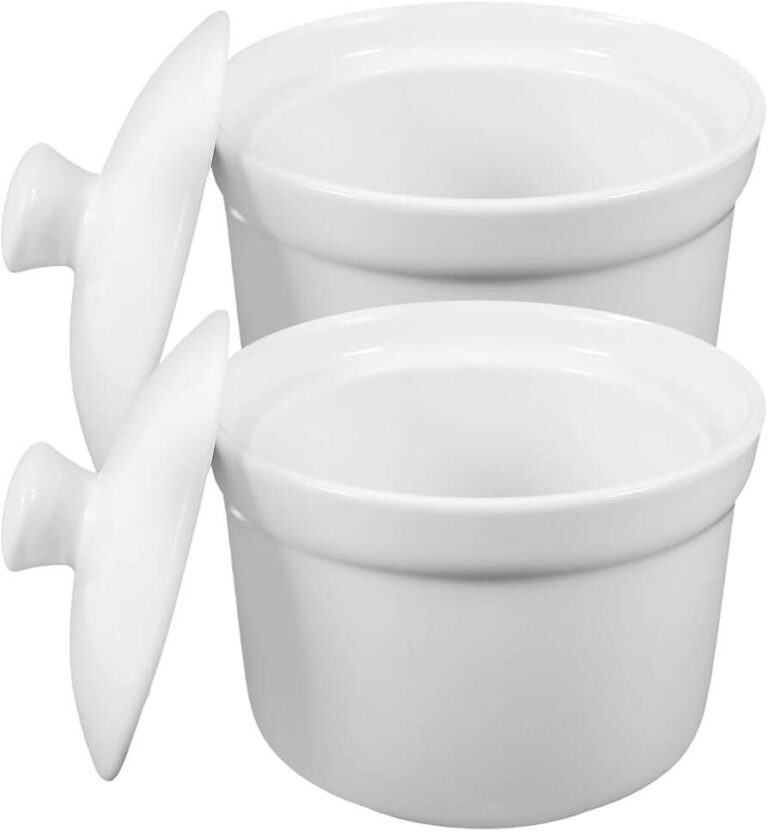
Most ceramic soup bowls are oven safe, but only when the maker labels them for oven use.
The answer depends on the clay, glaze, firing process, and bowl design. A bowl may look sturdy yet crack when exposed to sudden heat. This guide explains how to tell whether ceramic soup bowls are oven safe, how to use them safely, and which mistakes can lead to thermal shock.
Are ceramic soup bowls oven safe?
Some ceramic soup bowls are oven safe, while others are not. The word “ceramic” describes a broad group of materials, including stoneware, porcelain, earthenware, and decorative pottery. Each type can react differently to high heat.
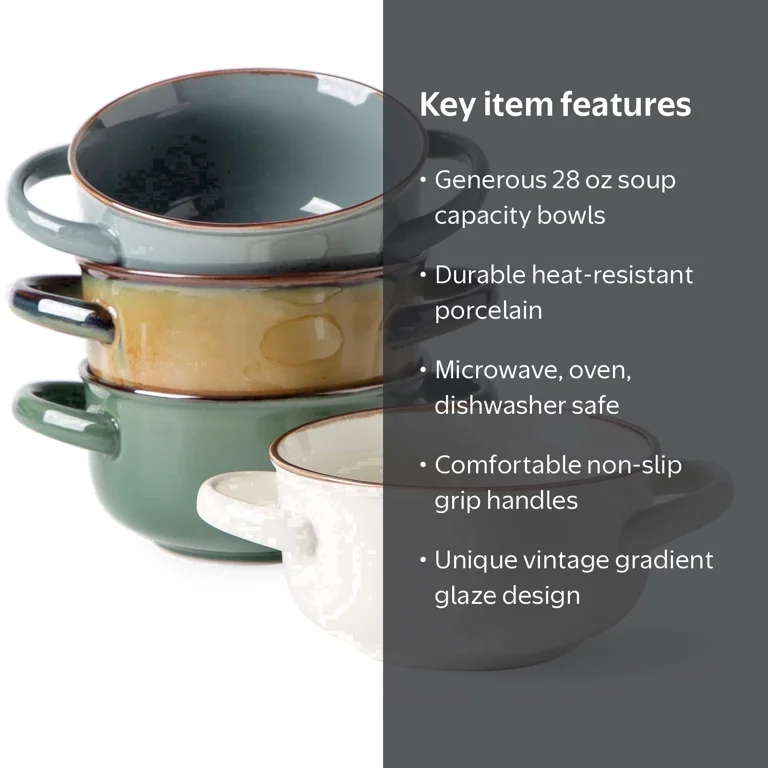
Look for clear wording on the bottom of the bowl, the package, or the maker’s care guide. Common labels include:
• Oven safe
• Safe for baking
• Safe up to 350°F or 400°F
• Broiler safe
• Microwave and dishwasher safe
These labels do not all mean the same thing. A bowl marked microwave safe may not be safe in a conventional oven. A bowl that can handle oven heat may still be unsafe under a broiler.
The safest rule is simple: If the manufacturer does not confirm oven use, do not put the ceramic soup bowl in the oven. This rule matters even more for handmade, vintage, painted, or decorative bowls.
Why some ceramic bowls can handle oven heat
Ceramic is made from natural minerals and fired at high temperatures. During firing, the clay hardens and the glaze forms a glasslike surface. The final strength depends on the ingredients, firing temperature, thickness, and cooling process.
Stoneware and porcelain often perform well in ovens because they are fired at high temperatures and have a dense structure. Earthenware is usually more porous and may be more sensitive to heat changes. However, the material name alone cannot guarantee safe oven use.
A bowl can break because of thermal shock. Thermal shock happens when one part of the bowl heats or cools much faster than another part. The uneven stress can cause cracks, chips, or sudden breakage.
Think of the bowl like a frozen windshield. Pouring hot water over cold glass can make it crack. Ceramic can suffer a similar reaction when moved quickly between extreme temperatures.
Important factors include:
• Clay type: Dense stoneware and porcelain often resist heat changes better than low fired earthenware.
• Bowl thickness: Very thick ceramic may heat unevenly, even if it feels strong.
• Glaze condition: Cracks, chips, and crazing can weaken the surface.
• Shape: A bowl with thin edges and a thick base may heat at different speeds.
• Age: Old or damaged bowls may have hidden flaws.
• Manufacturer testing: A tested product should include a clear temperature limit.

How to tell if a ceramic soup bowl is oven safe
Start by checking the bowl itself. Turn it over and inspect the base for a symbol or printed care instruction. Some makers use a small oven icon, while others print a maximum temperature.
Next, check the packaging or product page. The details should say whether the bowl is safe for a conventional oven, toaster oven, broiler, or only a microwave. If the information is vague, contact the manufacturer before using it.
Do not assume these labels prove oven safety:
• Microwave safe means the bowl passed microwave testing. It does not automatically approve conventional oven use.
• Dishwasher safe refers to cleaning. It says little about oven performance.
• Heat resistant does not always provide a safe temperature or use case.
• Stoneware does not always mean oven safe. The product still needs proper testing and labeling.
• A “ceramic” symbol may identify the material but not its heat limit.
In my experience with kitchenware guidance, the most common mistake is trusting appearance. A heavy bowl often feels safer than a thin one, but weight does not replace a manufacturer’s instructions. A plain white bowl can be oven safe, while a thick decorative bowl can crack.
Can you put ceramic soup bowls in a hot oven?
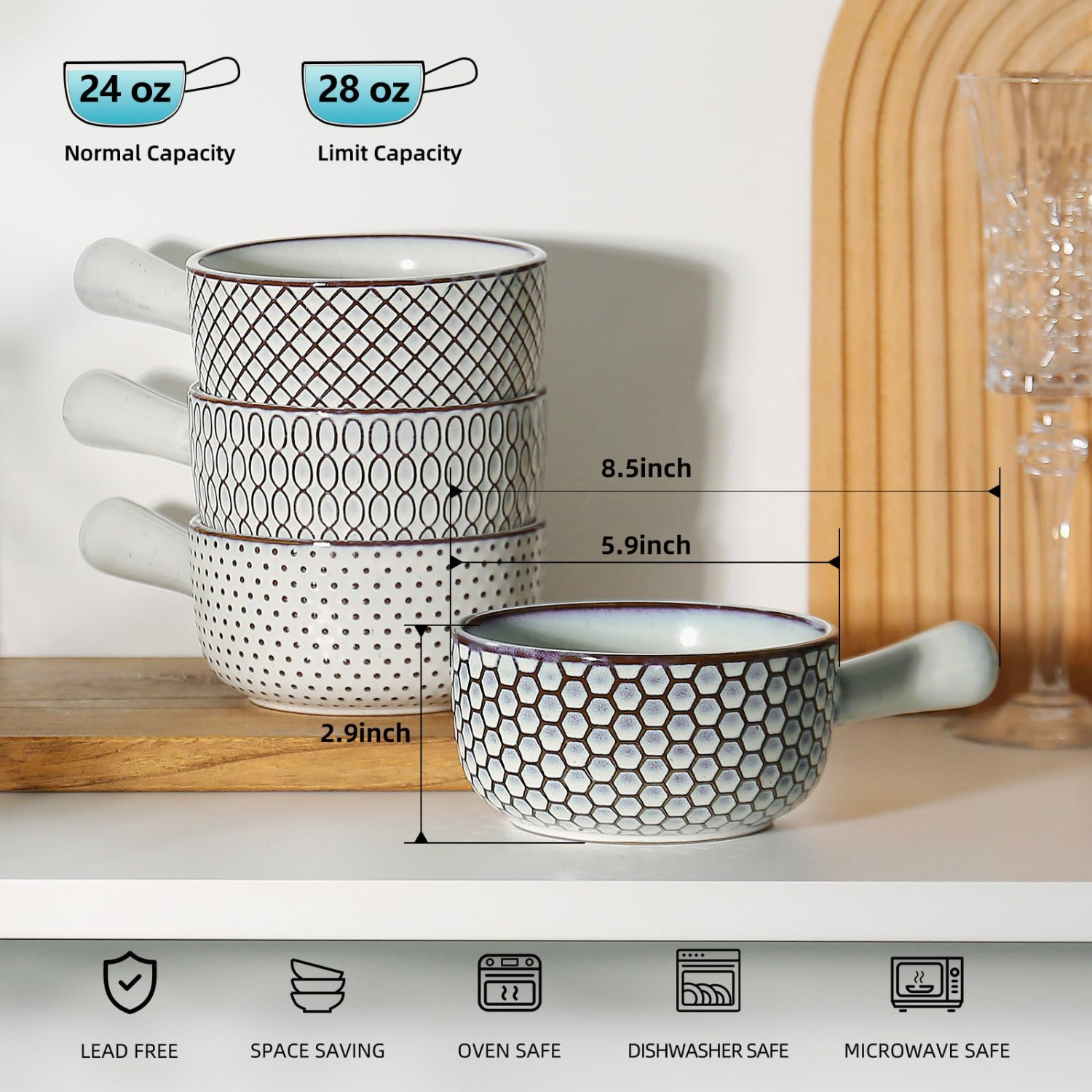
Only if the bowl is labeled for oven use and the temperature is within its stated limit. Even then, avoid sudden temperature changes.
Place the bowl in a cold or gently preheated oven when the manufacturer allows it. This gives the ceramic more time to warm. Do not place a cold bowl directly into a very hot oven unless the care instructions clearly permit it.
Use these safer habits:
• Put the bowl on a dry baking sheet for support.
• Keep the bowl away from direct contact with heating elements.
• Do not set a hot bowl on a wet counter, cold stone surface, or metal sink.
• Use dry oven mitts when removing it.
• Let the bowl cool before washing it.
• Never add cold liquid to a hot ceramic bowl.
The oven temperature matters, but the temperature change matters too. A bowl that survives 400°F may still break if it moves straight from a refrigerator to that oven.
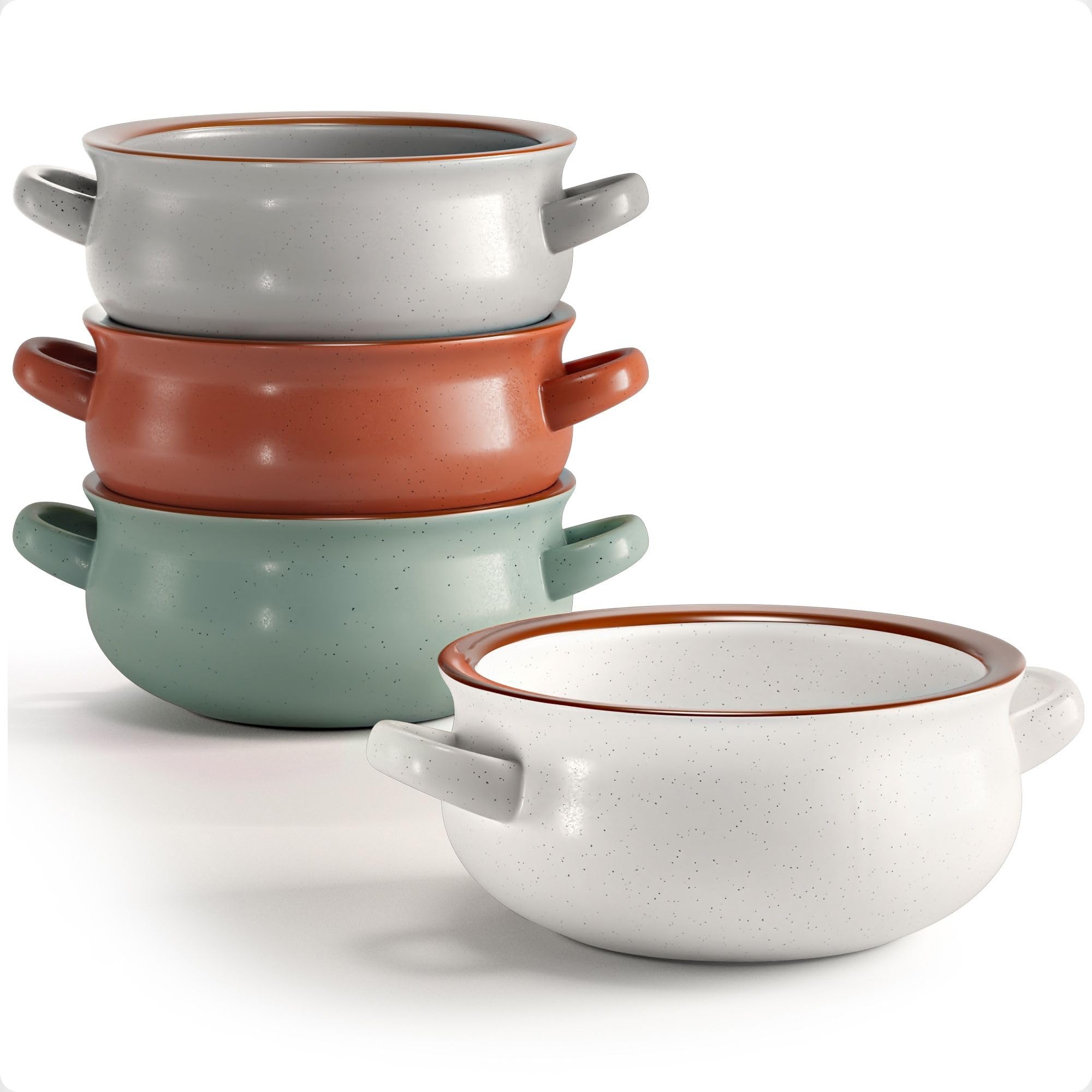
What types of ceramic bowls are usually oven safe?
Stoneware soup bowls
Stoneware is dense and durable. Many stoneware soup bowls are designed for baking, roasting, and serving. Still, check the product label because some stoneware pieces are made only for table use.
Stoneware can retain heat for a long time. Use oven mitts and warn anyone at the table that the bowl may remain hot after the food is served.
Porcelain soup bowls
Porcelain is fired at a high temperature and has a smooth, dense body. Many porcelain bowls are oven safe, but delicate porcelain, gold trimmed pieces, and older designs require extra care.
Metallic decorations can become damaged in an oven. They may also make the bowl unsuitable for microwave use.
Earthenware soup bowls
Earthenware is often more porous and may be less tolerant of fast temperature changes. Some earthenware cookware is made for ovens, but ordinary earthenware serving bowls may not be.
Never rely on color or texture alone. Read the maker’s instructions first.
Handmade ceramic bowls
Handmade bowls vary widely. A potter may design one bowl for baking and another for serving cold foods. Handmade glazes can also behave differently under heat.
Ask the potter whether the bowl is oven safe, what temperature it can handle, and whether it can go from refrigerator to oven. If you cannot confirm those details, use the bowl for serving rather than baking.
Are ceramic soup bowls safe under a broiler?
Most ceramic soup bowls should not go under a broiler unless they are specifically marked broiler safe. A broiler exposes the bowl to intense, direct heat from above. This is more severe than normal oven baking.
Even an oven safe bowl may not be broiler safe. Broiler heat can damage the glaze, scorch food, and create sharp temperature differences across the bowl.
Avoid placing ceramic soup bowls:
• Directly under a broiler element
• On a stovetop burner
• On a grill or open flame
• Inside a toaster oven unless approved by the manufacturer
• Against a hot oven wall or heating coil
For French onion soup or another dish that needs browning, use a bowl designed for broiling. If the recipe calls for broiling, a certified broiler safe crock is a better choice than a standard ceramic soup bowl.

How to use ceramic soup bowls in the oven safely
Follow the manufacturer’s directions first. Then use a gentle process that reduces heat stress.
-
Inspect the bowl for cracks, chips, deep scratches, or glaze flaking.
-
Confirm that it is labeled oven safe.
-
Check the maximum temperature.
-
Avoid moving the bowl directly from the refrigerator into a hot oven.
-
Place it on a baking sheet if it contains soup, sauce, or another heavy dish.
-
Leave space around the bowl so hot air can circulate.
-
Avoid sudden changes after cooking.
-
Allow the bowl to cool on a wooden board, dry towel, or heat safe pad.
-
Wash it only after it has cooled to room temperature.
Do not overfill the bowl. Soup expands as it heats, and liquid can bubble over the edge. A baking sheet can catch spills and make the bowl easier to remove.
One practical lesson is worth remembering: oven mitts protect your hands, not the bowl. A hot bowl can still crack when placed on a cold or damp surface. Treat it like a small baking dish from the moment it enters the oven until it fully cools.
Common mistakes that cause ceramic bowls to crack
Thermal shock is the leading concern, but several habits can raise the risk.
Moving a cold bowl into a hot oven
A refrigerator-cold bowl may have a large temperature gap to overcome. The outside and inside can expand at different rates. Use a room-temperature bowl unless the manufacturer says refrigerated-to-oven use is safe.
Adding cold food to a hot bowl
Cold broth, cream, or vegetables can cool one section quickly. Add ingredients before heating when possible.
Placing a hot bowl on a cold surface
Granite, marble, metal, and wet countertops can pull heat away quickly. Use a dry trivet or wooden board.
Using damaged ceramic
A small chip may seem harmless, but it can create a weak point. Cracks can spread when the bowl expands.
Using decorative or vintage bowls
Paint, metallic trim, and older glazes may not be designed for high heat. Decorative pieces are best used for display or room temperature foods unless their care instructions say otherwise.
Exposing the bowl to a direct flame
Ceramic soup bowls are not cookware for gas burners. Direct flame creates concentrated heat and can crack the base.

Can oven safe ceramic bowls go in the freezer?
Some can, but freezer safety is separate from oven safety. A bowl may tolerate oven heat but still crack when frozen. Always check whether the product is labeled freezer safe.
Never move a frozen ceramic bowl directly into a hot oven unless the manufacturer specifically approves that use. The temperature difference can be extreme. A safer approach is to thaw the food and bowl gradually in the refrigerator or at room temperature, based on the product instructions.
This matters when storing soup. If you freeze soup in a ceramic bowl, leave room for expansion and use a container designed for freezing. Many people prefer freezer safe glass or plastic for storage, then transfer the soup to an oven safe ceramic bowl for reheating.

How to care for oven safe ceramic soup bowls
Good care can help ceramic bowls last longer, but it cannot make an unsuitable bowl oven safe.
Use these care tips:
• Avoid metal utensils that can scratch some glazes.
• Do not stack hot bowls tightly.
• Check for new cracks after each use.
• Follow the listed dishwasher temperature and detergent guidance.
• Do not use a damaged bowl for hot liquids.
• Store bowls where they will not knock against hard cookware.
• Keep the product instructions for future reference.
Crazing, which looks like a network of fine lines in the glaze, deserves attention. Some crazing is only cosmetic, but it may allow moisture to enter the ceramic body. If the bowl smells musty, leaks, or develops larger cracks, retire it.
A bowl that has broken once should not be repaired for oven use with ordinary glue. Most household adhesives are not made for food contact or high heat.
Are ceramic soup bowls better than metal or glass for baking?
Ceramic bowls offer useful benefits. They hold heat well, serve food attractively, and can move from oven to table when properly rated. They are especially useful for baked soups, casseroles, cobblers, and individual portions.
Each material also has limits:
• Ceramic heats more slowly than thin metal and may retain heat longer.
• Metal heats quickly but may react with acidic foods or discolor some surfaces.
• Glass lets you see the food and often handles baking well when labeled oven safe.
• Cast iron holds heat strongly but is heavy and may require special care.
Ceramic is a good choice when gentle, even cooking and table presentation matter. Metal may suit fast browning, while glass can be helpful when you want to monitor the food.
The best material is not always the strongest one. It is the material that matches the recipe, temperature, and handling method.
A simple oven safety checklist
Before using ceramic soup bowls in the oven, ask:
• Does the bowl clearly say oven safe?
• Is the maximum temperature listed?
• Is the bowl free from cracks and chips?
• Is the bowl at room temperature?
• Will it avoid direct flame and broiler heat?
• Can it cool on a dry, heat safe surface?
• Is the bowl suitable for the recipe’s liquid and cooking time?
If the answer to any key question is no, choose a different container. A certified baking dish is usually cheaper than replacing a damaged bowl or cleaning soup from the bottom of an oven.
Frequently Asked Questions About Are Ceramic Soup Bowls Oven Safe
Are all ceramic soup bowls oven safe?
No. Ceramic is a broad material category, and some bowls are made only for serving. Use an oven only when the manufacturer clearly confirms oven safety and provides a temperature limit.
Can I put a ceramic bowl in a 350°F oven?
You can do so only if the bowl is labeled oven safe at 350°F or higher. Also avoid thermal shock by keeping the bowl away from sudden temperature changes.
Can a microwave safe ceramic bowl go in the oven?
Not necessarily. Microwave safety and conventional oven safety involve different testing conditions, so you need separate oven safe labeling.
Can ceramic soup bowls go from the refrigerator to the oven?
Only if the manufacturer specifically says they can handle that change. Otherwise, let the bowl and food warm gradually to reduce the risk of thermal shock.
Are ceramic soup bowls safe under the broiler?
Usually not unless they are specifically marked broiler safe. A broiler creates intense direct heat that can crack or damage an ordinary oven safe bowl.
Can I put a hot ceramic bowl on a cold countertop?
It is best not to. Place the hot bowl on a dry trivet, wooden board, or other heat safe surface to reduce rapid cooling.
What should I do if a ceramic bowl cracks in the oven?
Turn off the oven and let everything cool before handling the pieces. Discard the cracked bowl, as repaired ceramic is not reliable for cooking or serving hot food.
Conclusion
Ceramic soup bowls can be oven safe, but the label matters more than the appearance. Check the maker’s instructions, confirm the temperature limit, avoid thermal shock, and keep ordinary bowls away from burners and broilers.
When in doubt, use a certified baking dish and save the unmarked bowl for serving. Make these checks part of your cooking routine, then share your experience or explore the manufacturer’s care guide before your next baked soup recipe.

Liora Pennings is a seasoned chef and kitchen enthusiast with a passion for turning everyday cooking into an effortless experience. With years of hands-on culinary expertise, she specializes in practical techniques, ingredient know-how, and smart kitchen solutions that help home cooks elevate their meals. At KitchFlair.com, Liora shares her best tips, time-saving tricks, and honest product reviews to guide readers toward a more efficient, enjoyable, and inspired cooking routine. Whether you’re a beginner or a seasoned home chef, Liora’s friendly, knowledge-packed insights make every visit to the kitchen a little easier—and a lot more delicious.